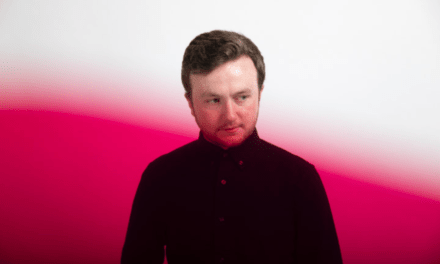
Photo Credit Sarah Orbanich @sarahorbanicphotos
Los Angeles–based singer, songwriter, and producer CARA is stepping into a defining moment this fall as she brings her breakout single “Tears” to the stage at LA Fashion Week on October 18—a performance that marks both a creative rebirth and a deeply personal reckoning.
“Tears” isn’t just another release. It’s a song written in the aftermath of unbearable loss: the passing of both her brother and mother. What emerges from that grief is not despair, but a raw, searching meditation on love, memory, healing, and the fragile resilience we build when the world breaks apart.
THE KRONICLES: An Autobiography Told Through Sound
“Tears” is the second offering from CARA’s forthcoming album THE KRONICLES, an autobiographical project she is writing, producing, and directing entirely on her own.
The album is dedicated to her late loved ones—including her brother, her mother, and her longtime mentor Gangsta Boo of Three 6 Mafia, who appears posthumously on the unreleased track “CARA KUSH.”
THE KRONICLES represents CARA at her most exposed and most empowered: a body of work shaped by trauma, transformed through craftsmanship, and delivered with the emotional clarity of an artist who refuses to hide behind anything—not genre, not trends, not industry expectations.
Beyond her fierce pen, CARA brings another signature element to the album: her flute, an instrument she has played since age 12 and one that threads through her sound with a softness that cuts deeper than steel.
A Career Built Outside the System
CARA is not new to the spotlight—she has simply refused to be confined by it.
Her Beastie Boys–approved single “FIGHT” earned early industry attention, while her viral remix of “Away From You” solidified her reputation as a boundary-pushing creator. She’s toured with icons like Lil Jon, Soulja Boy, and Mike Jones, proving her versatility across genres and stages.
Her comeback single “BLVD” (fall 2024) stormed the Top 40 Radio Independent Artist Chart at #2 (second only to Akon) and climbed to #41 on Mediabase, setting the stage for the emotional depth of “Tears.”
In an industry increasingly shaped by independent hustle over label infrastructure, CARA is a prime example of what it looks like to build an artistic identity—and a career—with your own hands.
A Voice for the Vulnerable
Offstage, CARA has become a powerful advocate for endometriosis awareness, opening up about her private battle with stage 4 endometriosis—an “invisible illness” that affects millions yet rarely receives public visibility. Her candidness about pain, resilience, and treatment only further deepens the emotional heft behind THE KRONICLES.
Her story is not just musical; it’s human, layered, and lived.
Los Angeles–based singer, songwriter, and producer CARA stepped into a defining moment this fall when she brought her breakout single “Tears” to the stage at LA Fashion Week on October 18—a performance that marked both a creative rebirth and a deeply personal reckoning
“TEARS” feels like a song carved straight from the heart — both elegy and rebirth. When you first wrote it, were you trying to heal, or simply survive?
CARA: When I wrote TEARS, I wasn’t trying to heal — I was just trying to survive. It was one of those moments where the only way out was through. I had lost people who meant everything to me, and the studio became my therapy. The song came from a place of raw emotion, no filters, just truth. It’s about learning to exist with the pain instead of pretending it’s gone.
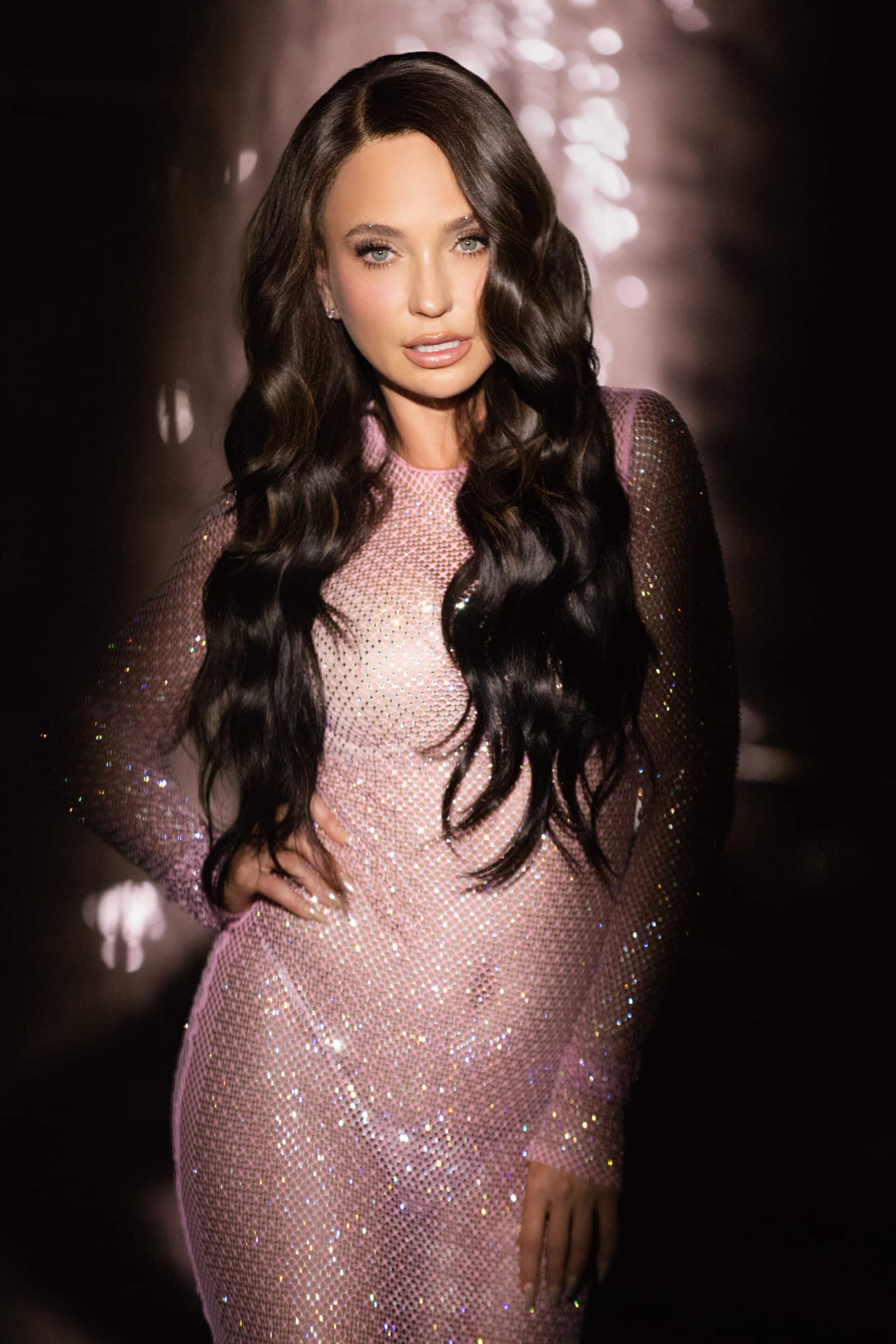
Performing it live at LA Fashion Week adds another layer — glamour meeting grief. What does it mean to bring something so vulnerable into such a public, high-fashion space?
CARA: It was emotional, but also empowering. Fashion Week is all about perfection — lights, beauty, image — but I wanted to show the cracks in that. To stand there and perform something so personal in front of all that glamour felt like reclaiming my story. It was about showing that vulnerability is power, not weakness.
You’ve lost people who shaped your world — your brother, your mother, your mentor Gangsta Boo. How does The Kronicles honor their energy without being consumed by their absence?
CARA: Their energy lives in everything I create. The Kronicles isn’t about loss — it’s about legacy. My brother Alex taught me strength, my mother Mary taught me grace, and Gangsta Boo reminded me to never tone myself down. They’re all part of my DNA. I channel them through my music, but I also make sure it’s about moving forward — carrying their fire without being buried in the ashes.
You’re not just singing these stories — you’re writing, producing, and directing them yourself. What kind of creative freedom or emotional risk comes with that level of control?
CARA: It’s freeing and terrifying at the same time. When you’re in full control, there’s no one to hide behind — every lyric, every sound, every visual reflects your truth. But that’s the beauty of it. I’ve reached a point where I’d rather take emotional risks than play it safe. I want people to feel something real, even if it’s uncomfortable.
There’s a beautiful paradox in your career — viral hits and chart placements, yet songs that bleed honesty. How do you balance vulnerability with visibility?
CARA: By staying grounded in who I am. The internet can make everything feel like a numbers game, but music has always been about connection for me. I’ll celebrate the streams and the charts, but at the end of the day, if my music helps someone feel less alone — that’s the real win. Vulnerability behind strength is my brand.
You’ve been co-signed by legends and stood on stages with giants — Lil Jon, Soulja Boy, Mike Jones. How has that early validation shaped your approach to artistry now?
CARA: It gave me confidence, but it also taught me discipline. Those experiences showed me how to command a stage, how to deliver with energy and intention. But they also pushed me to find my own voice — to build something lasting. I’m grateful for those moments, but now I’m focused on legacy over hype.
“TEARS” has quietly climbed the charts and taken over social media. Do you think listeners are drawn more to its sonic atmosphere or its emotional truth?
CARA: Both — the production pulls you in, but the emotion keeps you there. The song has this cinematic energy, but underneath it, there’s a pulse that feels human. People connect with honesty. You can’t fake emotion; they can feel when it’s real.
You’ve described The Kronicles as deeply personal — almost like a diary. What moment or song from the album still scares you to share?
CARA: There’s a song called “LOCO” that still breaks me every time I hear it. It’s about avenging my brother’s death. If it scares me, it’s probably something someone else needs to hear.
Grief can easily become either fuel or weight. When you’re in the studio, how do you decide whether to let the sadness lead or to alchemize it into something else?
CARA: I let it do both. Some days, I walk in and the sadness takes over — and I let it. Other days, I flip it into something powerful. That’s the alchemy. Music is how I turn pain into purpose. You can’t control grief, but you can transform it.
As you step back into the spotlight this fall, what does “coming back” really mean to you — a continuation, a reclamation, or a completely new beginning?
CARA: It’s all three. It’s a continuation of my story, a reclamation of my power, and the start of a new chapter. The Kronicles isn’t just an album — it’s me stepping into everything I was meant to be. I’m not coming back — I’m arriving.