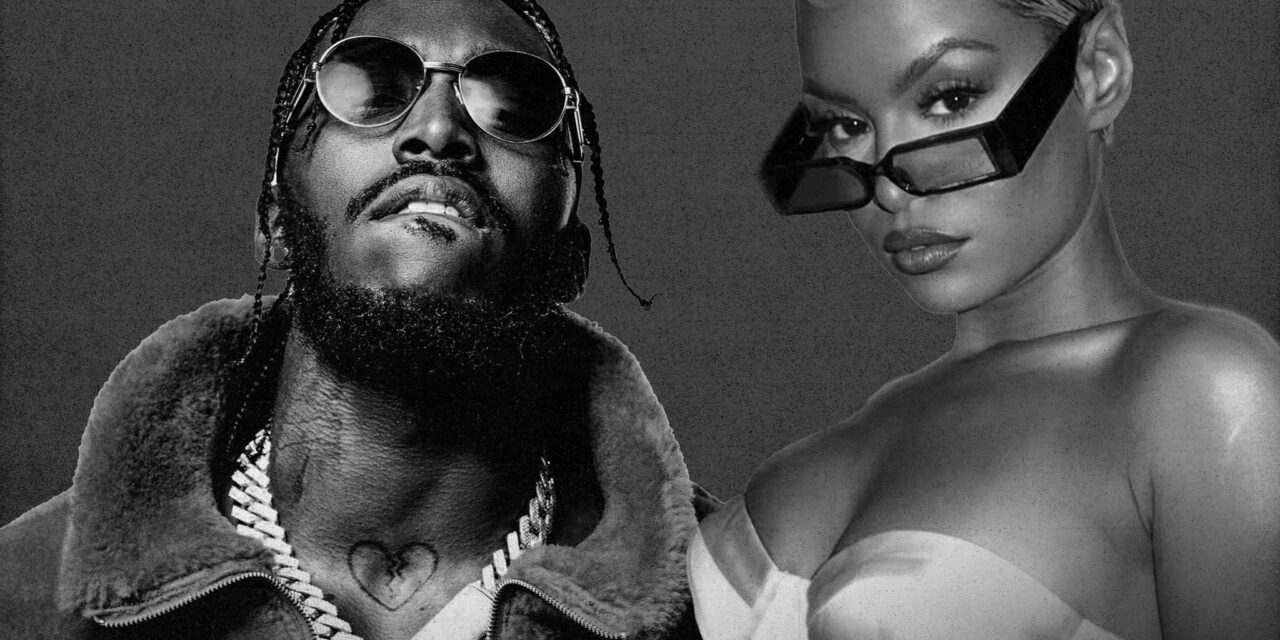
East London’s LAVAUD is stepping into her sharpest era yet. The fast-rising British-Mauritian singer, songwriter, and musician has returned with “Change Clothes,” a high-voltage drill-meets-R&B statement that pairs her elegant, stacked harmonies with the cool precision of GRAMMY-winning rapper/songwriter Pardison Fontaine (whose pen has helped shape records for the likes of Cardi B, Kanye West, and Megan Thee Stallion).
Built on hypnotic drum programming, a dark cinematic low-end, and a hook that lands like a boundary drawn in permanent ink, “Change Clothes” takes a deceptively simple phrase and flips it into a self-worth manifesto: protect your energy, move on your terms, and don’t let anyone treat your value like it’s negotiable. It’s the kind of record that feels made for that moment in the mirror when you decide you’re done explaining yourself—dangerous and divine in equal measure.
LAVAUD has always had a gift for duality: softness without surrender, poise without apology. On “Change Clothes,” she glides between flirty control and calm defiance—vocals crisp, harmonies stacked, intent unwavering—while the production (helmed by Trakmatik and Hvstle) keeps the tension tight enough to spark. And when Pardison Fontaine steps in, he doesn’t just match her energy—he amplifies it, snapping into the pocket with superstar ease and razor-edged charisma that pushes the song’s take-no-prisoners attitude into overdrive.
“Change Clothes” doesn’t ask for respect — it moves like it already has it.
The accompanying video leans into that same untouchable confidence, bringing their chemistry to life with the kind of presence that reads as a level-up, not a flex. It’s not hard to picture this one soundtracking late-night rides, post-function debriefs, and every “watch me” walk into the room.
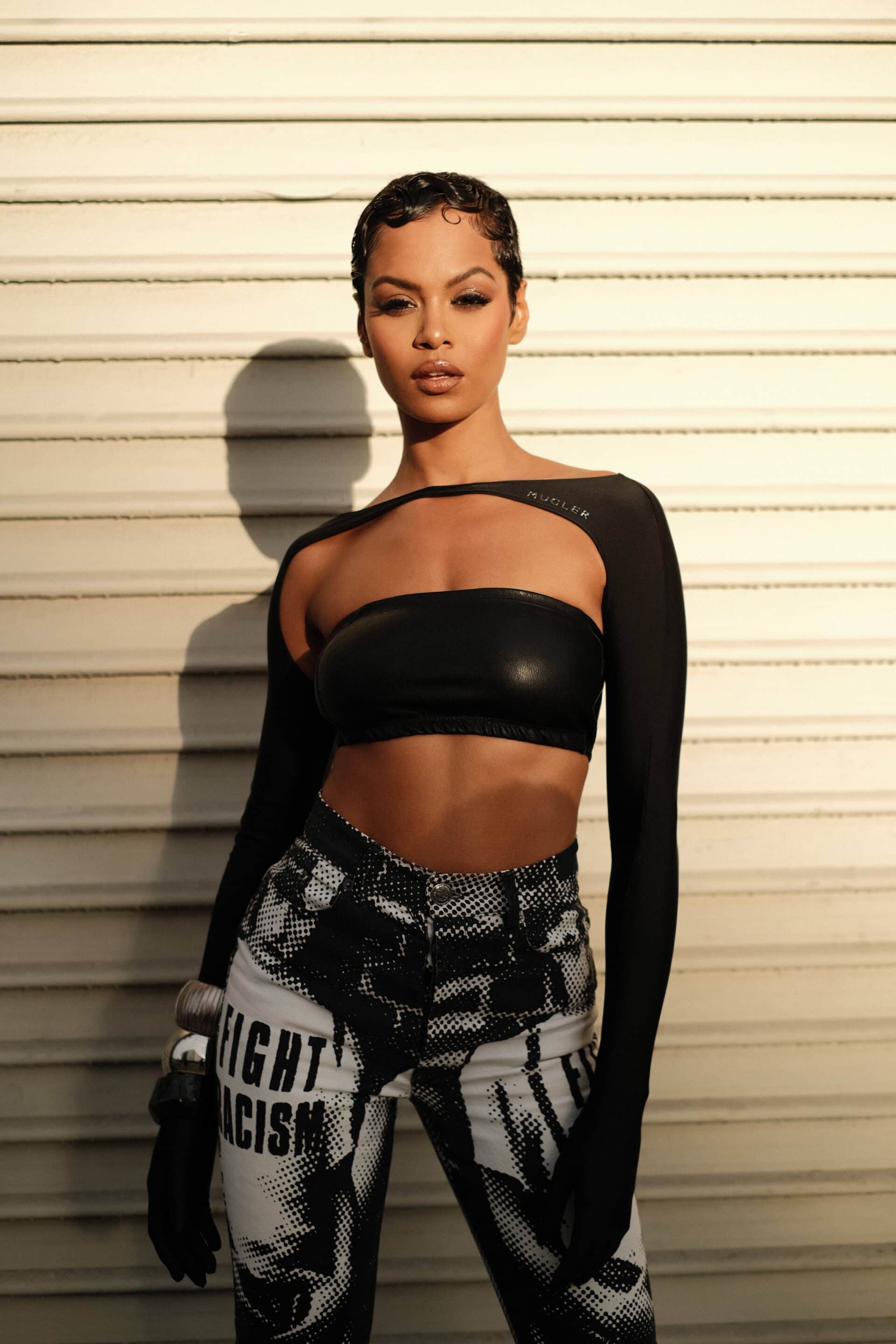
If you’ve been tracking LAVAUD’s rise, this moment feels like a clean pivot from “breakthrough promise” to something bigger and more inevitable. She’s already stacked up tens of millions of plays across platforms, with fan-favorite cuts like “Roll On Me” and “3AM In London” helping define her lane—global R&B sensibilities with London steel in the spine. “Roll On Me,” in particular, signaled serious momentum, breaking into Billboard chart territory in its release window and widening her international reach.

That crossover DNA makes perfect sense when you zoom out. Born in Hackney to Mauritian roots, LAVAUD’s sound naturally bridges continents—threading island rhythms like zouk, sega, and seggae through a contemporary R&B and afrofusion lens, while still letting the pop instinct shine through. It’s music that understands heritage as fuel, not a box—an approach that’s helped earn her press and radio support across tastemaker corners, and positioned her as one of London’s most compelling new voices in the pop/R&B conversation.
With “Change Clothes,” she doesn’t just experiment—she commits. The drill-R&B hybrid isn’t a costume change; it’s a declaration. And with a sophomore project teased for 2026, this release reads like the opening scene of a much bigger story.
“Change Clothes” became a sovereignty statement for you. When did it stop being a catchy line and start becoming a code?
It shifted during a time when I was quietly outgrowing a lot of things friendships, work environments, even parts of myself. “Change Clothes” became a reminder that I’m allowed to step into a new version of myself without apologising for it. Yes, it can speak to relationships, but at its core it’s about choosing peace, choosing growth, and choosing myself. The fashion element just made it feel true to me.
How did you find that pocket with Trakmatik and Hvstle — the hypnotic drums, the dark low-end, your harmonies?
We work together very naturally. They understand the textures my voice gravitates toward. We built the record starting with the drums because I wanted that London edge, but with an R&B warmth that felt familiar. Sean 1Da and Aryee shaped the harmonies, so they wrapped around the track gently. It still hits, but it breathes that balance was intentional.
Why was Pardison Fontaine the right person to join you on this record?
Pardi brings a presence that’s confident but effortless. His tone and wordplay add a dynamic energy, and I felt he would bring a new dimension to the record. When his verse came through, it felt like a dialogue two people speaking from a place of self-worth. It made the song feel fuller and more grounded.
How do you carry Hackney into your music while keeping that global polish?
Hackney is naturally in me, in my tone, my delivery, and the directness in how I express myself. At the same time, I grew up surrounded by so many cultures and sounds, so the global polish comes just as naturally. I don’t force either side; they coexist. I’m proud of where I come from, and I’m equally proud of where I’m heading, and both show up in the music.
Where do the Zouk, Sega, and Seggae influences appear in “Change Clothes”?
They’re more subtle in this record. My Mauritian influences live in me, so little moments come through without me even trying. But the next project brings those elements forward more intentionally the drums, the instrumentation, the feeling.
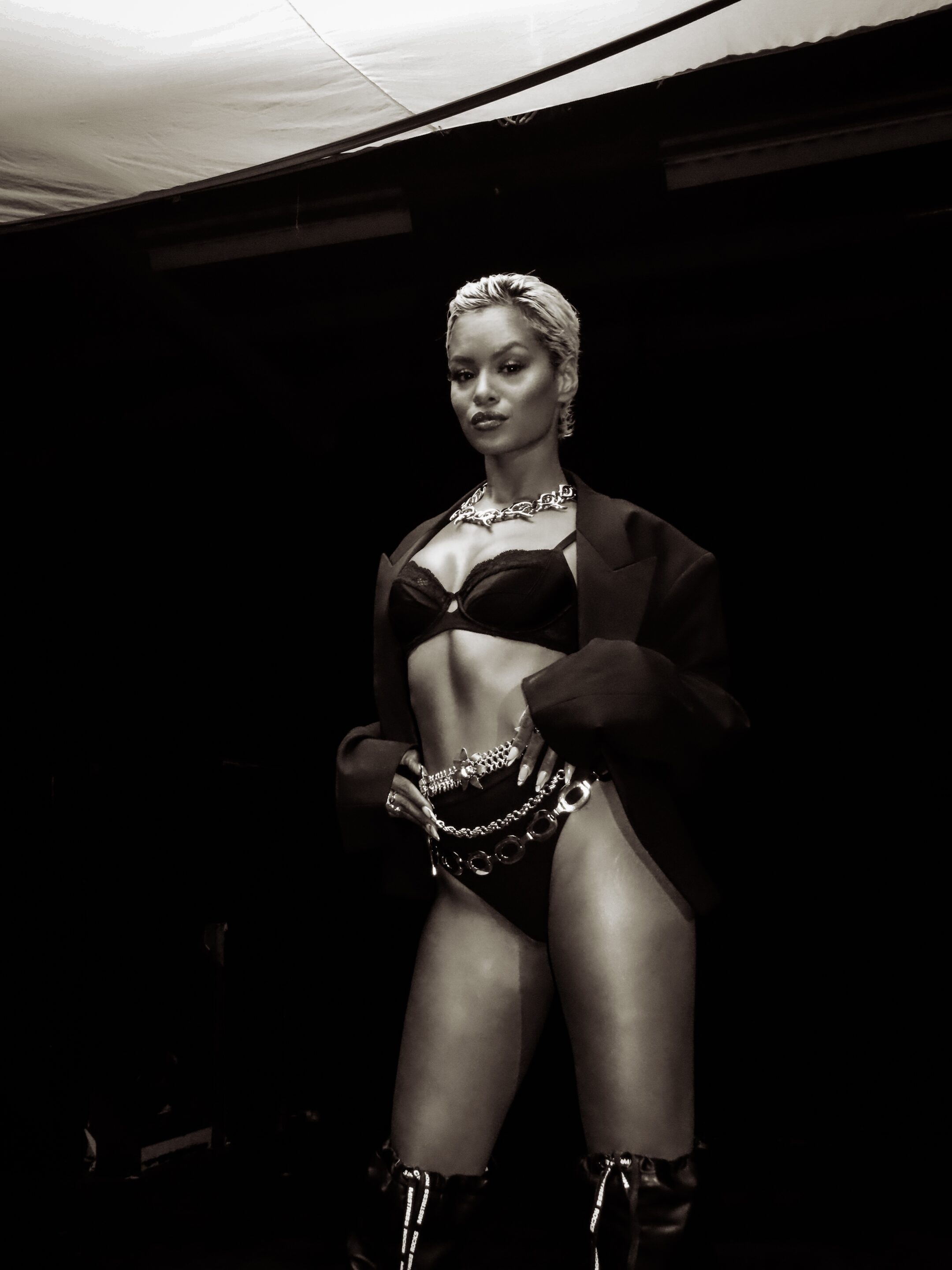
The visuals feel sleek and almost sci-fi. How did styling help you step into that powerful version of yourself?
Styling is a big part of how I express emotion. For the visualiser, I wanted to embody a woman who knows her value and moves with intention. Each look reflected a different side of me from the elevated, fashion-driven pieces to the island-inspired and Hackney-rooted ones.
For the remix with Pardi, the team and I leaned into that early-2000s cinematic approach, where a little scene sets the tone before the song begins. It added a nostalgic, storytelling element that I loved.
You move between flirty control and calm defiance in the song. What part took the most work to get right?
The line “change up on his ass just like I change clothes” took some time. I wanted it to feel light but intentional, almost like a gentle boundary. And the “yeah” ad-libs after “should have been counting your blessings” needed to feel like subtle reassurance, almost like your friends agreeing with you quietly in the background. Layering those moments made it feel authentic.
You’ve had chart moments, MOBO support, and millions of streams. What have those wins taught you about longevity?
They’ve shown me the importance of building, not rushing. Early on, I thought momentum was about visibility, but now I understand it’s about intention. People connect most with honesty. So I’m focusing on consistency, on creating my world, and on protecting the parts of my creativity that feel sacred. Peace and purpose that’s the real longevity.
How does “Change Clothes” evolve on stage? What’s the ideal place to feel it?
I haven’t performed it yet, but I imagine the energy translating beautifully. The bass will hit even harder live. I love intimate venues with great sound systems, where you can feel the low-end but still catch every harmony and nuance. It’ll feel like a conversation shared energy between me and the audience.
Who’s on your dream collaborator list for this era, and what’s one boundary you’re protecting?
There are so many people I admire. I’d love to work with Raye. We speak to similar themes in different ways, and I think we’d create something meaningful together.
I’m drawn to artists and creatives who care about world-building producers who mix cultures, writers who lean into vulnerability, and visual teams who create full universes.
My boundary is staying true to my identity. I won’t compromise the cultural or creative elements that make me who I am. That’s non-negotiable.