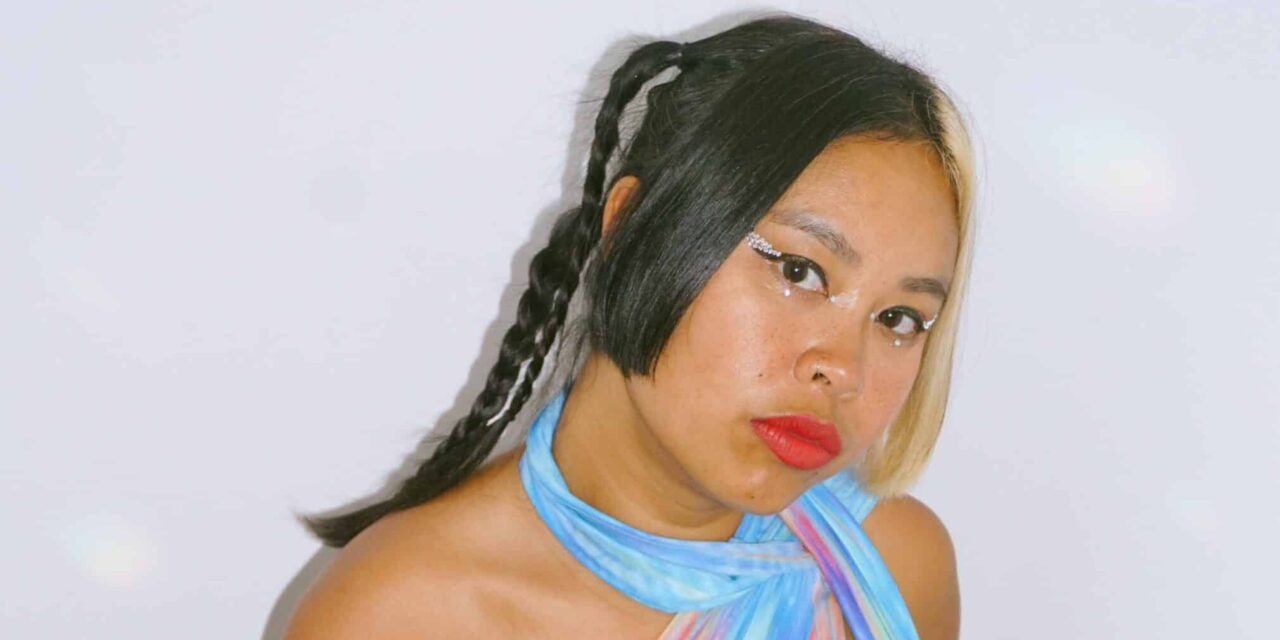
Kicking off the new year with clarity and conviction, Maggie Tra returns with Control, a non-toxic acid dance single that reframes club music as a space for release rather than domination. It’s a track that pulses with confidence while quietly unpacking trauma, mental health, and the deeply human addiction to control.
“Control” exists as an afterimage — a reflection of how things could have been and how they’ve been before. It explores the patterns humans develop around control: the desire to hold everything together, the intoxication of power, and the eventual realization that trying to control outcomes often leads to collapse. On the dancefloor, that contradiction becomes physical — surrendering to the groove while confronting what it means to let go.
Sonically, the track is unmistakably Maggie Tra. A signature thumping kick drives the momentum, while a roaring Roland TB-03 bassline coils through the mix with acid intent. Her sultry, assured vocals float above the chaos, grounding the track with calm confidence. The result is a “non-toxic acid dance” banger — raw but intentional, intense without aggression, designed to move bodies without overwhelming minds.
“It’s a resounding and confident tone that matches my optimistic and often unfiltered emotions,” Tra explains. “Sometimes I get drunk on the power of having control, but then realising ultimately it’s one of my biggest faults. Growing up in a traumatic household made me want to control everything so that I never felt pain. However, in the end, we don’t have the power to control anything. This track is about learning to let go of it.”
More playful than some of her previous releases, “Control” sees Tra stepping into new sonic territories while maintaining emotional depth. The track mirrors her broader artistic identity — one rooted in movement, multiplicity, and cultural fluency. An electronic producer, DJ, label head, and community builder, the Australian-born Vietnamese/Cambodian artist weaves techno, house, and electronic music with Asian influences to create immersive soundscapes where time seems to pause.
She’s also the founder of Hanoi Community Radio and the female collective Pho The Girls, extending her vision beyond the booth into community-driven spaces that center inclusivity, collaboration, and care. With “Control,” Maggie Tra transforms personal reckoning into collective release — an invitation to loosen your grip and move freely within the moment.
Interview: Maggie Tra on Control, Trauma & Letting Go
“Control” is described as a “non-toxic acid dance” single. What does non-toxic mean to you in the context of club music, and how did you want the track to feel emotionally on the dancefloor?
Non-toxic, for me, means intensity without harm. I love acid and heavy dance music, but I don’t want it to feel aggressive or draining. I wanted “Control” to feel empowering — like you can lose yourself in the music without feeling overwhelmed or consumed by it.
The song explores trauma, mental health, and the patterns we develop around control. When did you first realize control was something you were writing about — and also actively working through?
It came subconsciously at first. I noticed a pattern in my life where I needed to manage everything to feel safe. Once I became aware of that, the writing became more intentional. The track reflects that moment of awareness — realizing that control was both my coping mechanism and my limitation.
You described “Control” as an afterimage of the way things could have been and how they’ve been before. What moment or memory created that afterimage for you?
It’s not one specific memory, but more a feeling that lingers after certain experiences — especially moments where you think, if only I had done this differently. That emotional residue stayed with me, and the track became a way of processing it.
Sonically, the track features your signature thumping kick and a roaring Roland TB-03 bassline. What was the first element you built, and how did the groove shape the story?
The bass came first. Once that acid line was looping, everything else followed naturally. The groove dictated the emotional arc — steady, hypnotic, and slightly unstable — which mirrored the theme of trying to hold things together while they’re constantly shifting.

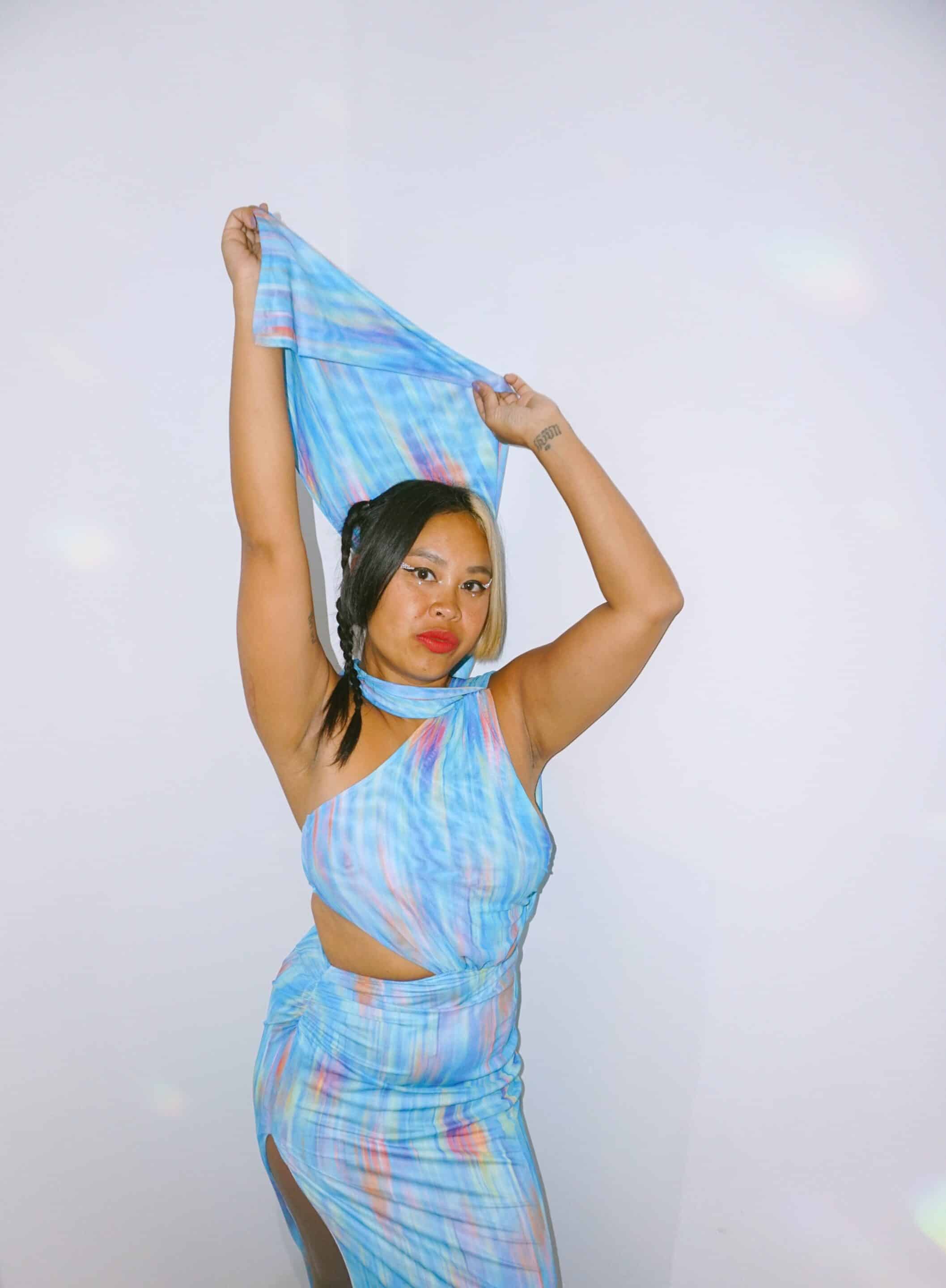
Your vocals feel sultry but confident, like you’re narrating chaos while staying calm inside it. How do you approach vocal performance in electronic music?
I treat vocals like a character and a confession at the same time. They’re personal, but they also serve the track’s narrative. I wanted the vocals to feel grounded — almost like an inner voice observing everything rather than reacting to it.
You’ve spoken about getting “drunk on the power of having control.” What does that power feel like in real life, and how did you translate it into sound?
In real life, it feels like certainty — like nothing can touch you. In the track, that translated into repetition and tension. The arrangement builds confidence, then subtly pulls it apart, showing how fragile that sense of power actually is.
Growing up in a traumatic household shaped your relationship with control. Was making this track cathartic, triggering, freeing — or all of the above?
Definitely all of it. It was uncomfortable at times, but also incredibly freeing. Making the track helped me acknowledge those patterns instead of fighting them.
“Control” feels more playful than some of your other releases. What gave you permission to lean into that playfulness?
Letting go of expectations. I realized I didn’t have to make everything heavy just because the theme is heavy. Playfulness can coexist with depth — and sometimes it’s the best way to access it.
As a DJ, producer, label head, and community builder, how do you balance vulnerability in your music with leadership in the scene?
Being vulnerable is leadership to me. It creates space for others to be honest and open. I think strength comes from transparency, not perfection.
Your work blends techno, house, electronic, and Asian influences into a distinctive tapestry. How do you decide which cultural elements to bring into a track?
It’s intuitive. Sometimes it’s a rhythm, sometimes a melodic texture, sometimes just a feeling. I want listeners to feel warmth, familiarity, and curiosity — like they’re being invited into a space that’s personal but shared.
With “Control,” Maggie Tra offers more than a dance track — she offers a release. A moment to move, reflect, and loosen the grip on everything we think we need to hold.