There’s something disarming about music that doesn’t try to impress you.
No chorus engineered for virality. No overstated production. No urgency to belong anywhere specific. Just words—carefully placed, deeply felt—moving through sound like they’ve always been there.
That’s where Malammore exists.
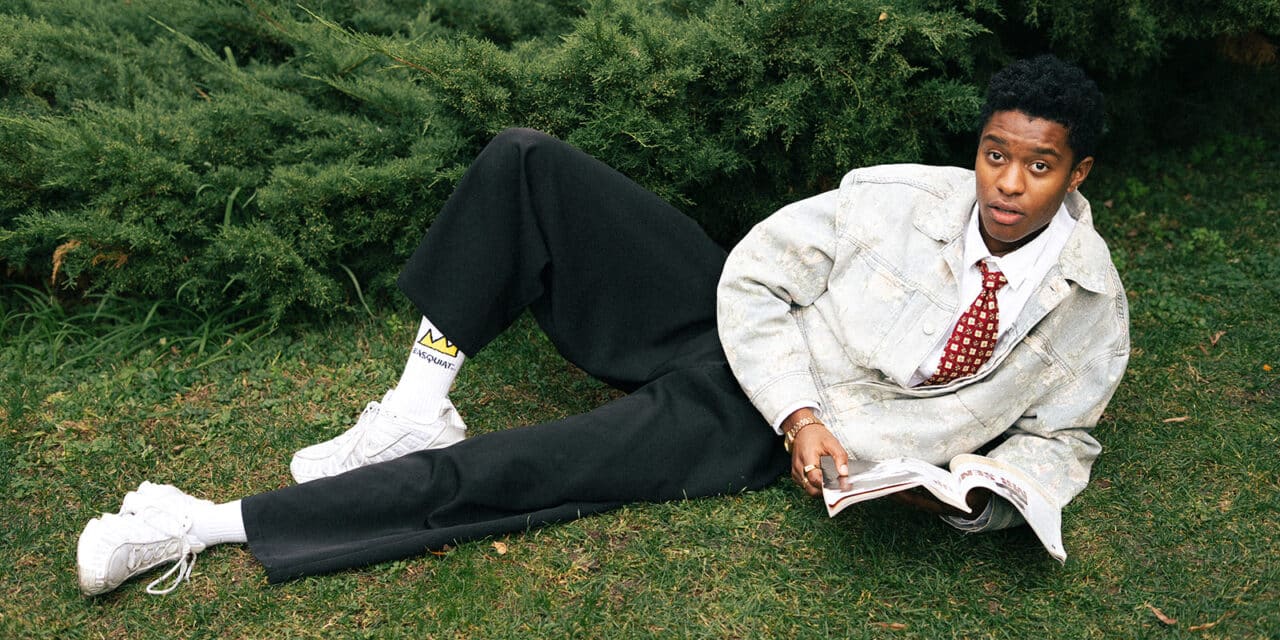
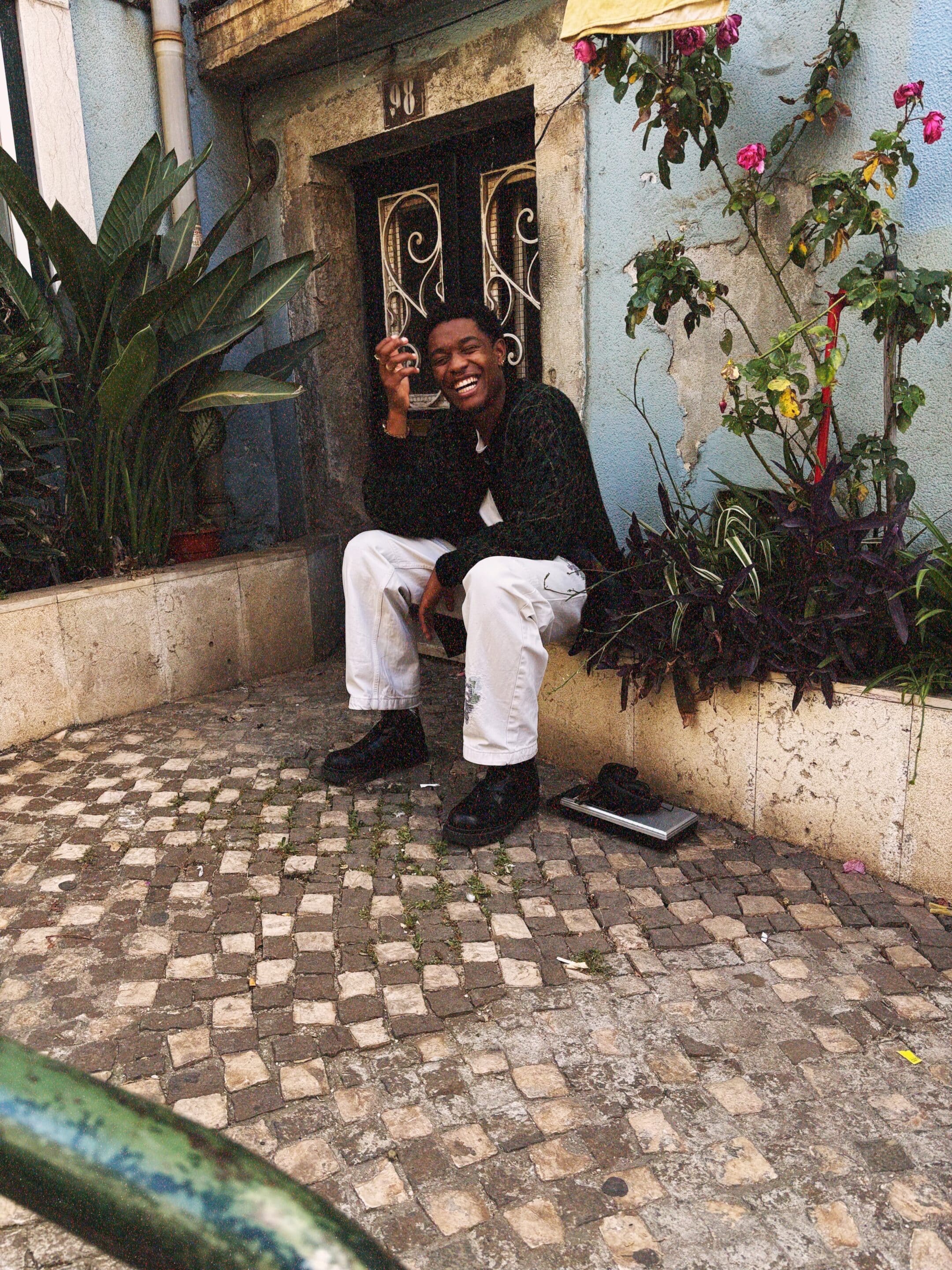
The Lisbon-born artist, born Sandro Feliciano, doesn’t approach music as a standalone form. It’s an extension of something larger—writing, theater, identity, memory. A space where language becomes structure, and structure becomes survival.
With his latest single “Tudo Passa”, Malammore offers something closer to a reflection than a song. Inspired by a photograph by William Klein, the track unfolds as a meditation on anger, society, emotional repression, and the quiet resistance of thinking freely in a world that rarely encourages it.
It’s not loud.
But it stays with you.
INTERVIEW
Q: “Tudo Passa” was inspired by a photograph. What was it about that single image that unlocked the emotional core of the song?
Malammore:
A child, consumed by anger and pointing a gun in my direction, is a sight that can never leave me indifferent. This song is an emotional response, a punch, that emerged from that image.
I immediately identified with that rage. At this stage of becoming aware of the world I inhabit, that anger often courses through my body, and because I frequently don’t know how to express it, I end up internalizing and accumulating it.
Q: You describe the track as a reflection on how the world shapes individual action. What pushed you to examine your own place within that?
Malammore:
I belong to a vast group of people navigating a society dominated by appearances. While this may sound hypocritical—as I exist within that world and follow its rules—I cannot stop criticizing it.
A state-imposed law that I disagree with still obliges me to comply, but it also permits me to criticize.
Young people often live in this state: complying and conforming merely to feel accepted in a world where no one seems to truly accept or love us.
Q: You mention giving advice to listeners while including yourself in it. What’s the piece of guidance you struggle with the most?
Malammore:
The emotional management of men remains a continuous and necessary battle. It will persist as long as certain societal standards refuse to change.
“I always concealed my feelings, and it culminated in suffering, which is the burden I am learning to manage every day…”
This is my call for change. I haven’t fully achieved it myself, and I still have a long path ahead, requiring much therapy to truly learn how to navigate my emotions.

Q: The song pushes back against media noise, populism, and routine. Do you see it as quiet resistance or something louder?
Malammore:
With censorship resurfacing in various forms, I believe that almost all contemporary art is an act of resistance, regardless of the artist’s initial intention.
I am simply voicing my perspective on how quickly everything unfolds. Since life is so fast and ephemeral, let’s seize the moment and enjoy it, all while actively learning from the mistakes of the past.
Q: Your work blends poetry, acting, and music into one language. How do those disciplines shape a song like this?
Malammore:
I am that combination, and I embrace it. It will always shape the fundamental way I live and interact with society.
While it may not help me build anything specific, it grants me a clear perspective on the world, and it is from that perspective that my art ultimately emerges.
Q: You’ve described your work as a kind of Renaissance-like search for freer thought. Where do you personally find that freedom today?
Malammore:
Sérgio Godinho, Fausto, and José Mário Branco—iconic Portuguese musicians—released a song in 1972 called “Maré Alta.” Even during the dictatorship, they declared that “freedom is making its way.”
What I write, sing, and perform today is proof of that enduring freedom, and my intention is simply to enjoy and utilize it to the fullest.
Q: The video draws inspiration from Mick Jenkins’ “Brown Recluse.” What resonated with you in that visual language?
Malammore:
The song tells stories in a simple yet metaphorical way, often criticizing the system while oscillating between rapid rhymes and a calm beat.
The simplicity of the video is what captivates me. Sometimes, we’re suddenly hit with a spotlight, almost as if the rhymes themselves were hitting us.
That idea became the core inspiration for my own video.
Q: The production is very stripped back and centered on words. How did that shape the way the song came together?
Malammore:
Yes, I already had parts of the poem written. When Rodrigo (No Icon) showed me the beat, it was like opening a Pandora’s box.
So much poured out, allowing the sound to guide us far beyond the original poem.
What truly sets this song apart is that it has no chorus. It’s a pure burst—a bullet fired by the child in the photograph.
Q: Your debut album Aurora is coming. How does “Tudo Passa” introduce that world?
Malammore:
As soon as this song took shape, we felt we had created something sincere and high-quality.
We didn’t even have an album in mind yet. But this track ended up shaping everything that came after.
The album moves through different emotional zones and reflects what I’ve been experiencing over the last four years.
Q: As an artist working across mediums, where do you feel most at home—and most challenged?
Malammore:
Theater is my absolute passion.
It will always be the space where I feel most comfortable—and also the most challenged. It constantly forces me to discover new things in myself and in others.
A Voice That Doesn’t Rush
“Tudo Passa” doesn’t try to overwhelm you.
It doesn’t resolve itself neatly either.
Instead, it lingers—somewhere between poetry and confession, between anger and clarity, between the world as it is and the world as it could be.
Malammore isn’t offering answers.
He’s offering awareness.
And maybe that’s the point.
Because if everything passes—noise, systems, expectations—what remains is the act of creating anyway.
Quietly. Honestly. Without permission.
And in that space, something real begins.