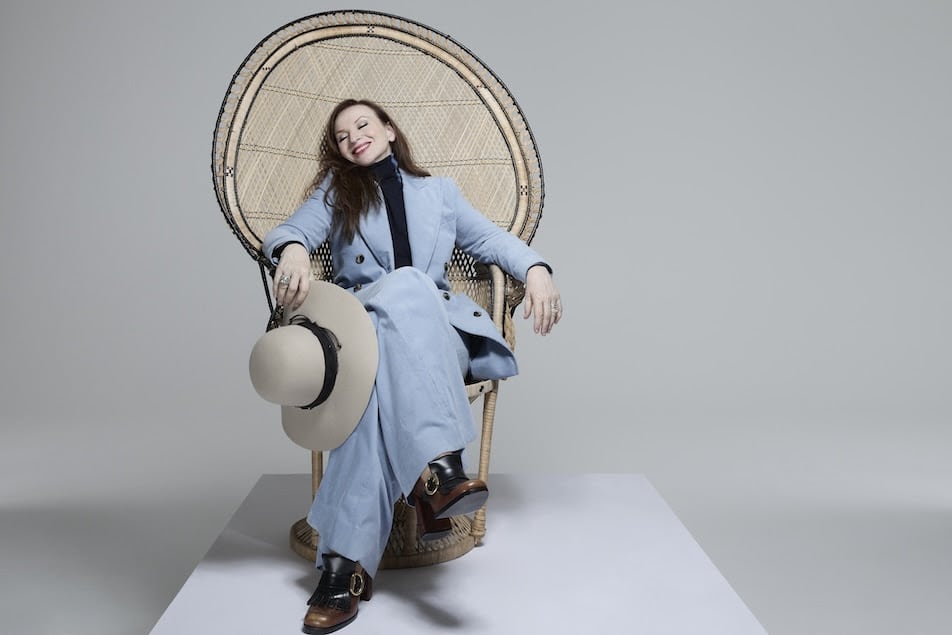
With Suit Yourself, Judith Owen delivers one of the most complete statements of her career—an album rooted in jazz and blues tradition but driven by personality, wit, and emotional clarity. Recorded in New Orleans and brought to life with her Gentlemen Callers, the JO Big Band, and collaborators like Joe Bonamassa and Davell Crawford, the record feels both timeless and deeply personal.
We spoke with Judith about humour, love, New Orleans, and what it really means to “suit yourself.”
Q: Your new single “That’s Why I Love My Baby” balances humour with a deeper truth about relationships. At what point did you realize that irony could be the most honest way to talk about love?
Judith Owen: I think humour is the only way to get through love, life, all of it really! It’s better to laugh about things than cry at them. I’ve done my fair share of crying over the years, especially when my husband refused to acknowledge Valentine’s Day!
I can confirm that the minute I found the humour in it all—my acting like a drama queen, him stubbornly refusing to succumb to my yearly meltdowns—I started to see the big picture, what I had all year round, not just on one day.
This song really deals with the “you’re perfect now change” syndrome that I certainly had early in our relationship (as did he). It’s a song about love and radical acceptance, and it still makes me smile every time I sing it.
Q: The song gently dismantles romantic clichés like Valentine’s Day expectations. Do you think modern relationships benefit from letting go of those cultural scripts?
Judith Owen: Yes, if they don’t come naturally. For a lot of people, it’s an opportunity to be romantic (me included), for others, it’s a Hallmark holiday (my husband). Maybe if we were making handmade gifts for each other, it wouldn’t feel so over-commercialized!
Q: You mention learning that it’s the other 364 days of the year that matter more than one symbolic holiday. Was that realization gradual or a specific moment of clarity?
Judith Owen: I don’t know when it happened but after years of Valentine’s Day meltdowns, I started to see the big picture of what I had year-round, not just on one day.
I saw the humour and truth in it all. This song really deals with that “you’re perfect now change” dynamic. It’s about love and radical acceptance—and it still makes me smile every time I sing it.
Q: Your music moves between jazz, pop, rock, and classical influences. How do you blend those traditions without losing emotional focus?
Judith Owen: I grew up in a classical home where jazz, blues, pop, and rock were also appreciated, so it’s all one language to me—with different styles for different moods.
At the core is the sound, the style, and the point of view that’s always clearly mine. I’m so happy we’re seeing more musical blurring of the lines, like with Jon Batiste doing Americana. Nothing stifles artistry more than being pigeon-holed.
Q: Suit Yourself was recorded in New Orleans. How did the spirit of the city shape the album?
Judith Owen: NOLA, as my US home, is hugely responsible for the tone of this record—its jazz/blues bones, my freedom as a singer and pianist, and its acceptance of me as an animated performer and unapologetically big personality.
The title really sums up how this city encourages you to be your bigger, better, braver self. The record reflects a place and people who know a lot about finding joy in the face of adversity.
Q: Your work carries both elegance and playfulness. Is humour an underrated tool in songwriting?
Judith Owen: Yes, I do think so. I hate it when people judge wit and irony as belittling in a song. They just don’t get that you need the valleys to see the mountains—and that smiling and crying can live in the same space and throw extra light on each other.
Q: After the success of Come On And Get It, did you feel pressure making this record?
Judith Owen: I always worry that the “next one” will be a disappointment and I’ve finally lost “it.” That’s normal, but terrifying.
It’s best not to fence yourself in with expectations. This record came from wanting to move forward—to go to the next level. My job is to take my audience on a musical ride, not repeat myself. It’s a conversation—you wouldn’t want to say the same thing over and over again.
Q: You perform in both intimate and big band settings. How does scale influence your music?
Judith Owen: This album takes you from duet to big band and everything in between. Smaller settings bring exposed emotion and clarity, while big band brings excitement and electric energy.
I write at the piano and can hear songs stripped down or fully arranged. If a song works in both, that’s the sign of a great song.
Q: Your live shows are known for storytelling. What do performances reveal that recordings don’t?
Judith Owen: I love giving audiences the backstory—why I wrote a song and who it’s for. Live performance is a shared experience, a conversation between artist and audience.
It’s a moment that can’t be replicated. That’s what makes it so special.
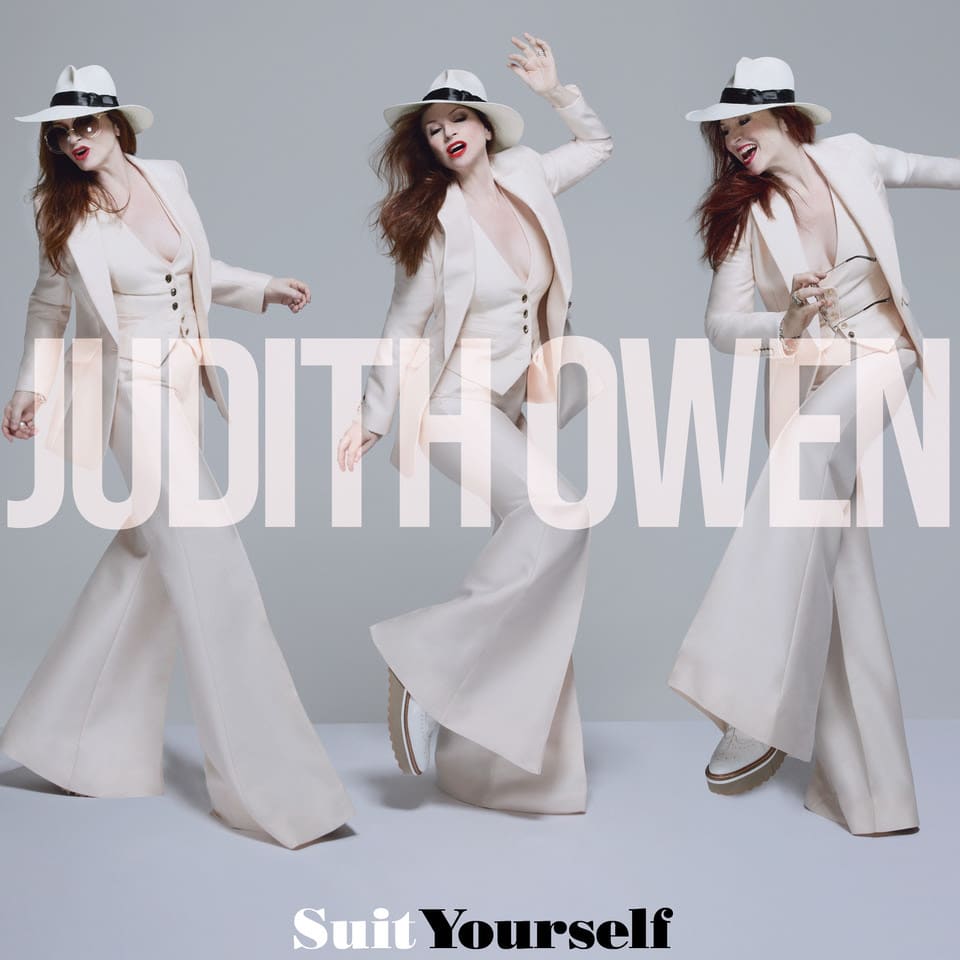
Q: The title Suit Yourself suggests personal freedom. What does that mean to you now?
Judith Owen: It means I’ve reached a point where I don’t need to jump through hoops to please everyone or put myself second.
I’m finally being my authentic badass self—that includes the men’s suits and fedoras—and my audience loves it. You either hate me and my music, or you don’t. And if you don’t… that’s your problem.
Suit Yourself isn’t just a jazz record—it’s a statement of identity. Bold, playful, and emotionally sharp, it finds Judith Owen exactly where she belongs: fully in control, fully herself.