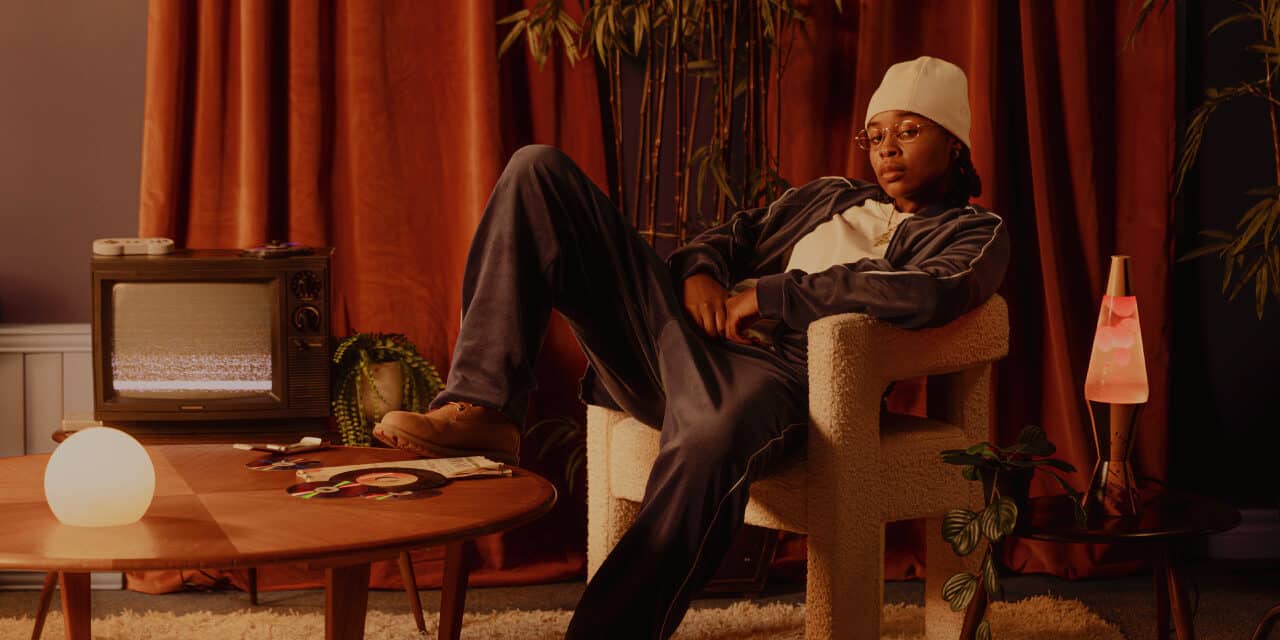
Confidence in Kalisway’s music is not simply a lyrical posture. It is built into the architecture of the sound.
On her new single “I Like It,” drums strike with intention, hi-hats sharpen the track’s movement, and each production detail contributes to a sense of complete self-possession. The song does not ask listeners to believe in Kalisway’s confidence from a distance. It invites them to temporarily inhabit it.
“You should feel fly to the max listening to this track,” she explains.
That feeling has become central to the Canadian artist’s rapidly expanding world—one where alternative R&B, funk, pop, soul, and experimental production are less like separate genres than interchangeable materials. Kalisway does not approach music by deciding which scene she belongs to. She creates from instinct, personality, and the conviction that originality is not a strategy but an essential part of who she is.
“I create my own sounds, so I create my own lane,” she says.
The arrival of “I Like It” follows a defining period of growth. In 2025, Kalisway released the Take Me Back (World of Eras) EP and the album Who Is Kalisway, a project that introduced her evolving artistic identity to an increasingly global audience. Songs including “CAN’T TELL ME NOTHING” and “BA BUMPIN” have accumulated millions of streams, while her catalog has surpassed 10 million Spotify streams overall.
That momentum has extended far beyond digital platforms.
Kalisway has performed for audiences exceeding 40,000 people at major award shows and appeared as the headline performer during the City of Toronto’s New Year’s Eve countdown. Her music has earned support from Spotify and Apple Music, while publications including Billboard, The FADER, CLASH, The Line of Best Fit, Wonderland, NOTION, GRM Daily, and Hunger have positioned her among the most compelling artists within a new generation of genre-defiant R&B.
The scale of that recognition stands in sharp contrast to where she began.
Kalisway remembers being too shy to perform and doubting whether she possessed the ability to command a room. Today, she speaks openly about owning any stage, regardless of its size. Her development is not only a story of growing visibility but of learning to believe that she deserves the opportunities arriving around her.
That transformation powers “I Like It.” The track feels celebratory, but its confidence has been earned through repetition, risk, and the gradual unlearning of fear.
As Kalisway prepares for a new album, she is also becoming more emotionally open. Her music has long been associated with positivity, movement, and warmth, but the forthcoming chapter promises to bring listeners closer to the person creating those feelings.
We spoke with Kalisway about finding confidence, rejecting genre restrictions, bringing storytelling back into contemporary music, and why every evolution of her sound will remain rooted in making people feel good.
“I Like It” feels effortlessly confident while still carrying emotional depth. What part of yourself were you hoping listeners would discover through the single?
Tons and tons of confidence.
I wanted listeners to feel the same energy I felt while creating the record.
The drums, the hits, the hi-hats, and the open hats coming in during LAYA’s verse—everything was intentional.
You should feel fly to the max while listening to this track.
That’s the part of myself I embodied on the record.
Your music moves fluidly between alternative R&B, pop, funk, and experimental production. How important is it to create without feeling confined by genre labels?
It’s extremely important.
I create my own sounds, so I create my own lane.
I want other people to be inspired by my music and originality in the same way I was inspired by my favorite artists while growing up.
Uniqueness isn’t an option for me.
It is wholeheartedly who I am.
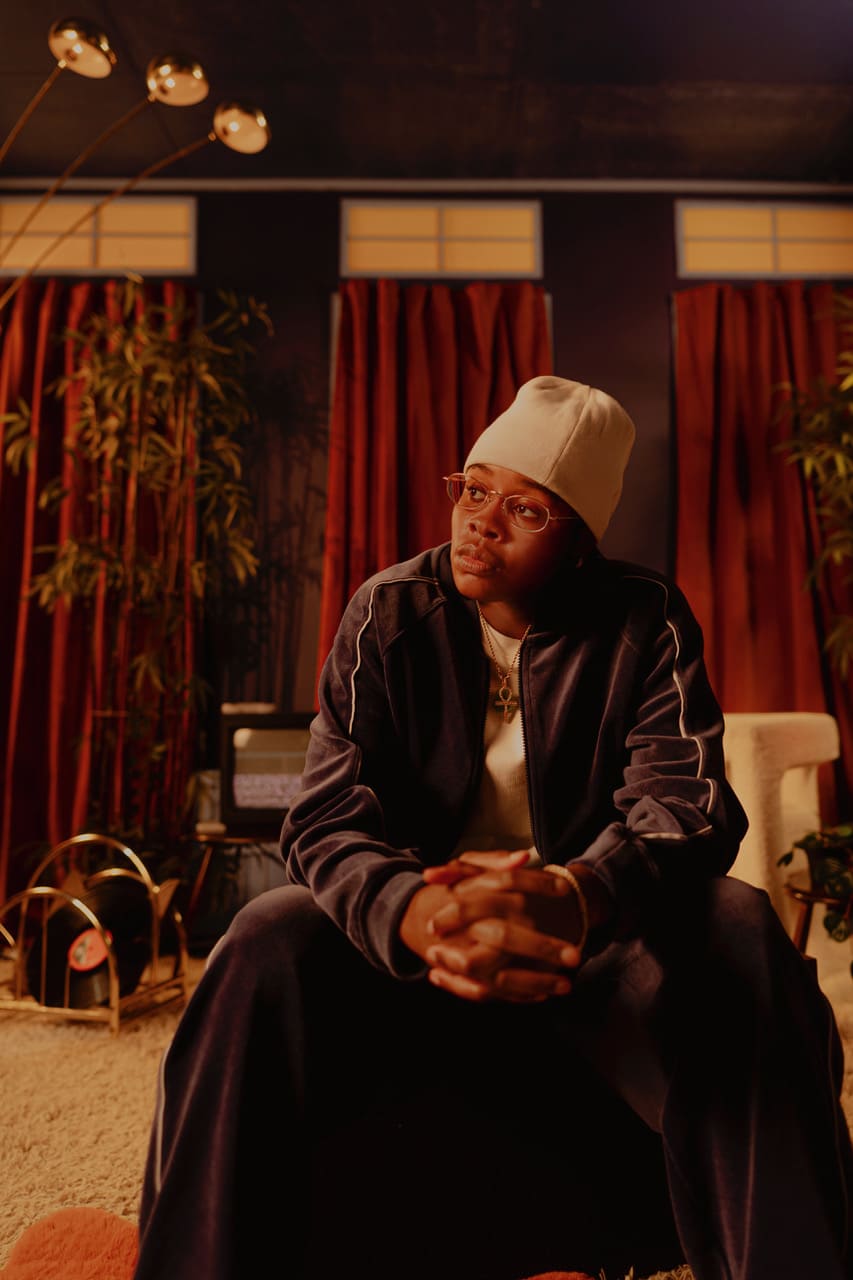
In only a few years, you’ve gone from emerging artist to accumulating millions of streams and performing for audiences of more than 40,000 people. How has your definition of success evolved?
Honestly, it’s insane to look back at where I started.
I remember being so shy and not having enough confidence to perform.
Now I can perform anywhere without fear in my mind.
I used to doubt all of my capabilities. Now I enter every room with confidence.
I’m truly grateful to be here. There is still a lot of work to be done, but I’m proud of the work I’ve already put in.
Songs such as “CAN’T TELL ME NOTHING” and “BA BUMPIN” have clearly connected with listeners. What do you think people respond to most in your music?
All of it.
I genuinely think the special thing about me is that my voice carries a positive frequency—light, positivity, and all-around good energy.
No matter which era I’m entering, people can feel that.
Your work feels deeply personal while still leaving room for listeners to see their own lives reflected in it. When writing, do you begin with experience or imagination?
Both.
I’m a great storyteller.
You’ll never completely know whether the songs come from real-life experiences or something I created from the depths of my mind.
Either way, they all draw from something, and that something is life.
The more I live, experience, laugh, and love, the more I can bring back to the music in new forms.
You’ve received recognition from major publications while building a loyal audience organically. How do you remain grounded amid increasing industry attention?
By knowing exactly where I want to be.
All of these accolades are amazing, and I definitely stay present and appreciate them.
But they are also stepping stones toward where I actually want to go.
I always remind myself of the end goal, and that usually keeps me on track.
Performing at major awards events and Toronto’s New Year’s Eve celebration creates a very different connection from streaming. What have those moments taught you about yourself?
They’ve taught me that I can own a stage, no matter how big or small it is.
They’ve shown me that I deserve these opportunities and that I’ve worked for them.
They’ve also shown me what believing in yourself can do—not only for your career, but for your entire life.
Alternative R&B continues to absorb elements of electronic music, hip-hop, soul, and pop. Where do you see your own sound within that evolution?
I can’t put my sound in a box, but I can say that it feels good wherever I take it.
My fans know what they come to me for: to feel good, dance, feel confident, and shine.
They’ll continue to feel that way no matter how the sonics evolve.
There is a fearless quality throughout your music, both lyrically and sonically. Has vulnerability become easier as your audience has grown?
It has definitely become easier.
I feel closer to myself and closer to my fans.
I feel like this is the perfect time for them to understand me more.
With the new album I have coming, I know they’re going to feel that connection even more deeply.
With “I Like It” opening another chapter and a new album ahead, what do you hope people understand about Kalisway after hearing the full project?
That I’m fire.
And that I’m bringing storytelling back.
Just wait until you hear this album. It’s going to become one of everyone’s favorites.
Kalisway’s music is frequently described through genre: alternative R&B, pop, funk, experimental soul. Yet the qualities making her work immediately recognizable are not confined to production categories.
They are emotional.
Her songs are built around movement, brightness, confidence, and the possibility that music can alter the atmosphere of a room. Even when the style changes, the intention remains consistent. Kalisway wants listeners to leave feeling more alive than they did when they arrived.
That emotional clarity allows her to experiment without losing herself.
Many artists develop a recognizable sound by repeating the same sonic vocabulary. Kalisway’s identity operates differently. Her consistency comes from energy rather than formula. A track can lean toward funk, electronic pop, or alternative R&B and still unmistakably belong to her because the emotional frequency remains intact.
It is a frequency shaped by experience.
The confidence heard on “I Like It” was not always available to her. It emerged from the distance between the artist who once feared performing and the artist who can now look across an audience of tens of thousands and understand that she belongs there.
That history makes the song’s self-assurance feel less like bravado and more like testimony.
Kalisway has learned that confidence can be practiced until it becomes physical: something heard in a drum pattern, carried through a vocal performance, or communicated through the way an artist enters a room.
As her profile continues to rise, she remains attentive to the larger destination. Streaming milestones, international press, playlists, and major stages matter, but none of them represent the final objective. They are evidence that the lane she created for herself is widening.
The next album promises to reveal more of the person behind that momentum—more vulnerability, more storytelling, and a deeper understanding of the artist she is becoming.
But one thing is already clear.
Wherever Kalisway takes her sound next, she intends to make sure the listener feels powerful enough to follow.