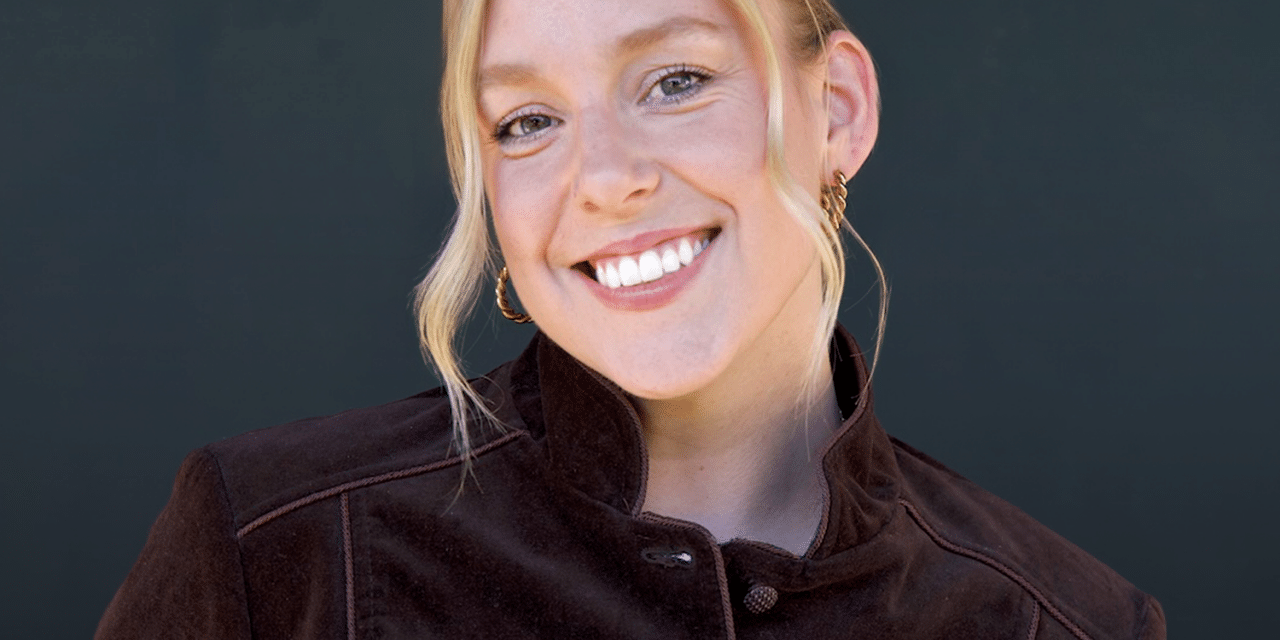
As podcasts evolve into video-first entertainment brands and creators increasingly become media companies in their own right, Podium and Night Media’s Ellie Andrews is helping redefine the business behind the content. From advertising technology and cross-platform monetization to audience ownership and creative independence, she explains why the future of media belongs to creators—and why the infrastructure supporting them matters more than ever.
For years, the creator economy has been celebrated as a rebellion against traditional media.
Independent personalities built audiences without television networks, established publishers, or Hollywood studios deciding who deserved attention. Podcasts became cultural institutions, YouTubers developed global fan bases, and social media transformed individuals into businesses capable of competing with entertainment companies.
But as those businesses become increasingly sophisticated, an interesting contradiction is emerging.
The creators who disrupted traditional media now need many of the same systems that made traditional media powerful in the first place.
Sales departments. Advertising technology. Distribution strategies. Audience analytics. Revenue operations. Brand partnerships.
The difference is who those systems are supposed to serve.
For Ellie Andrews, Director of Media Strategy and Operations at Podium and Night Media, that distinction is fundamental.
“With the power in the hands of the creator, they own the relationship with the audience, and their business should always exist to serve the creator, not the other way around.”
It’s a philosophy that reflects a larger transformation happening across the entertainment industry.
The future of podcasting is no longer just about producing compelling conversations.
It’s about building entire media ecosystems around the personalities audiences trust.
And Andrews is helping develop the infrastructure that makes those ecosystems possible.
When a Podcast Stops Being Just a Podcast
Consider what the word podcast means today.
Once associated primarily with audio programs distributed through RSS feeds, the category now encompasses video conversations, reaction shows, live experiences, short-form clips, and entertainment properties that exist simultaneously across multiple platforms.
A podcast might begin on YouTube before expanding into audio.
Its most popular moments might circulate on TikTok or Instagram.
Its audience might discover the show through a thirty-second clip before developing a relationship with the host through hours of long-form content.
For Andrews, this evolution has fundamentally changed the definition of the medium.
“Podcasting has become less of a format and more of an ecosystem.”
At Podium, a video-first podcast network whose roster includes This Past Weekend with Theo Von, Sam & Colby Reacts, Weekly Teacap with Kristi Cook, The Yard, and Just Trish, that philosophy informs how shows are distributed, monetized, and developed.
According to the company’s reported figures, its roster collectively generates more than 50 million monthly video and audio impressions and reaches a combined following of 66 million across platforms.
Those numbers illustrate the scale of the opportunity.
But Andrews argues that the most valuable asset isn’t necessarily the audience size.
It’s the relationship between creators and the people who follow them.
“The connective tissue is no longer an RSS feed, but the relationship between a creator and their audience across platforms.”
That relationship has become the foundation for a new kind of entertainment business.
The Business of Trust
Traditional digital advertising has long emphasized scale.
Reach, impressions, click-through rates, and conversions provide advertisers with measurable ways to evaluate campaign performance.
But creator-led advertising introduces another dimension.
Connection.
When audiences spend hours listening to a particular personality, the relationship can feel considerably more personal than the connection they develop with a conventional media publisher.
That familiarity creates opportunities for brands, but it also introduces responsibilities.
A poorly matched partnership can undermine the very credibility that makes creator advertising valuable.
Andrews, who previously directed digital and programmatic operations at PodcastOne and managed millions of dollars in campaigns for Fortune 500 companies, understands the distinction between traditional media buying and creator partnerships.
“I consider the difference between creator campaigns and programmatic as connection versus scale.”
In her view, these approaches shouldn’t necessarily compete.
A successful campaign can combine the reach of programmatic advertising with the deeper engagement that comes from a creator’s relationship with their audience.
For example, a television launch might involve a conventional midroll advertisement, a custom creator integration, social media content, and additional dynamically delivered advertising.
Each component serves a different purpose.
Some communicate information.
Others generate conversation.
And the most successful integrations become entertainment in their own right.
The challenge is ensuring that the advertising never feels disconnected from the creator’s identity.
Why Authenticity Can’t Be Automated
As creator businesses grow, efficiency becomes increasingly important.
More content means more inventory.
More platforms create more reporting requirements.
More advertisers introduce additional expectations, deadlines, and creative considerations.
The temptation is to standardize everything.
But Andrews believes the most important distinction is between optimizing a business and optimizing a personality.
“We scale the infrastructure around a creator, not the creator themselves.”
It’s a deceptively simple principle.
The systems supporting a creator should become more sophisticated as the business expands.
But the creative voice that attracted the audience shouldn’t be flattened into something easier to monetize.
That means understanding how different personalities communicate.
An advertising integration that feels completely natural on one show might seem forced on another.
A creator known for irreverent humor may approach a sponsorship differently from someone whose audience expects thoughtful, intimate conversations.
For Andrews, effective advertising begins by understanding those differences rather than trying to eliminate them.
It’s also why operational clarity matters.
When a creator understands what an advertiser needs, and a brand understands how that creator communicates, there is more room for a partnership to become genuinely entertaining.
Andrews points to The Yard, whose fans have discussed their appreciation for the show’s advertising reads on Reddit, as an example of how commercial content can become part of the audience experience rather than an interruption.
One Campaign, Multiple Languages
The rise of video-first podcasting has also changed the way advertisers think about distribution.
A single campaign might appear in a long-form YouTube episode, an audio podcast, an Instagram Reel, a TikTok clip, and a newsletter.
But simply repeating the same advertisement across every platform misses the point.
Each environment has its own expectations.
Long-form content creates opportunities for depth.
Short-form video helps introduce creators to new audiences.
Social platforms encourage conversation, discovery, and participation.
Andrews believes the most effective campaigns are built around those distinctions from the beginning.
“A truly cross-platform campaign starts by understanding who the audience is on each platform and how they consume content there.”
That approach requires brands to think beyond simply purchasing exposure.
A host-read advertisement might establish the central message of a partnership.
A custom integration could turn that message into an entertaining moment.
Short-form clips might then introduce the collaboration to people who have never encountered the original show.
The result is a connected campaign designed to feel natural in each environment.
For Andrews, this is where creative strategy and operational infrastructure become inseparable.
Without the systems necessary to coordinate distribution, reporting, and execution, even an ambitious creative concept can become difficult to deliver consistently.
The Invisible Machinery Behind 50 Million Impressions
From the outside, the creator economy often appears remarkably simple.
Someone makes content.
An audience watches.
Brands pay to participate.
But behind a network operating at Podium’s scale is a considerably more complicated reality.
Different platforms provide different analytics.
Advertising inventory must be tracked and managed.
Campaign performance needs to be measured.
Revenue opportunities must be identified.
And all of those systems have to accommodate constantly changing distribution formats and platform features.
For Andrews, the challenge isn’t choosing between technology, monetization, measurement, and workflow.
It’s managing all of them simultaneously.
Podium develops proprietary systems to manage inventory and unify data, while maintaining relationships with platforms including Spotify, YouTube, and Amazon.
The goal is to make a fragmented media environment more manageable for creators and advertisers alike.
This work rarely attracts the attention given to viral content or celebrity partnerships.
But it plays an essential role in determining whether a successful show can evolve into a sustainable business.
The more effectively the operational complexity is handled behind the scenes, the more freedom creators have to concentrate on the work their audiences actually care about.
Are Creators Becoming the Media Companies They Disrupted?
Perhaps the most interesting question surrounding the creator economy is whether its continued growth will eventually reproduce the institutions it originally challenged.
As independent creators hire sales teams, develop production companies, build distribution infrastructure, and establish brand partnerships, their businesses increasingly resemble conventional media organizations.
Andrews doesn’t necessarily see that similarity as a problem.
The essential distinction, she argues, is ownership and control.
Traditional media companies often determined which content could reach audiences and how that content would be distributed.
Creator-led businesses operate from a different starting point.
The creator has already established the audience relationship.
The business infrastructure exists to support and expand that relationship.
At Podium, Andrews says the network does not control its creators’ intellectual property or content.
Instead, it provides support for sales, operations, and distribution while preserving creative ownership.
That approach reflects a broader shift in the balance of power between talent and the companies supporting them.
The objective is no longer necessarily to bring creators into an established media institution.
It’s to help them build institutions of their own.
From Influence to Ownership
Looking ahead, Andrews expects the next generation of ambitious creators to move increasingly beyond advertising revenue.
Their audiences provide a foundation for launching consumer products, investing in companies, developing original entertainment, and building diversified businesses.
In this model, influence becomes more than a marketing asset.
It becomes a form of business leverage.
Andrews points to creator investments in consumer brands and ventures such as Steven Bartlett’s Flight Fund as examples of how the relationship between creators and commerce is evolving.
Rather than functioning exclusively as promotional partners, creators can become owners, investors, and strategic advisors.
But as those ambitions expand, so does the need for sophisticated operational support.
A creator launching a product line faces different challenges from someone producing a weekly podcast.
A creator investing in businesses needs different information from someone negotiating a single sponsorship.
And a media company operating across multiple platforms requires systems capable of managing all of those activities without compromising the identity that made the business successful.
For Andrews, the opportunity lies in helping creators diversify while retaining their direct relationship with audiences.
The Future of Media Is Personal, but Its Infrastructure Is Complex
The creator economy has often been defined by the personalities audiences see.
The hosts.
The performers.
The commentators.
The people whose voices become part of listeners’ daily routines.
But as those personalities evolve into entertainment brands and business owners, the industry increasingly depends on the people building the systems behind them.
Ellie Andrews represents that less visible side of the transformation.
Her work sits at the intersection of creativity, technology, advertising, and business strategy, helping translate the cultural influence of individual creators into sustainable commercial operations.
And her perspective challenges a common assumption about the relationship between creativity and structure.
Operational sophistication doesn’t necessarily have to restrict creative freedom.
Done well, it can make that freedom possible.
Because the future of creator-led media may not depend on eliminating the machinery of traditional entertainment.
It may depend on rebuilding that machinery around a different center of power.
The creator.
In Conversation With Ellie Andrews
Podium describes itself as a video-first podcast network, which reflects how dramatically the definition of a “podcast” has expanded. At this point, do you think podcasting is still a format—or has it become a broader category of creator-led entertainment?
Considering podcast’s expansion of platforms, mediums, and monetization strategies, podcasting has become less of a format and more of an ecosystem. The connective tissue is no longer an RSS feed, but the relationship between a creator and their audience across platforms. Podium’s video-first foundation was early to predict and adopt that evolution, and expanded what we can offer brands: integrations across long-form episodes, short-form clips, live events, newsletters, etc., all anchored in the loyalty a creator has built with their audience. The only constant in the podcast industry is constant change, but as it continues to evolve, trust should remain the foundation. That trust is, and always has been, what makes podcasting so valuable to creators and buyers alike.
There’s often a tension between what makes sense creatively and what makes sense commercially. When you’re building monetization strategies around creators, how do you recognize the point where optimization starts interfering with authenticity?
Podium is built on the authenticity of our creators and the integrity of their audiences. Operations seeks to optimize the business, from distribution and inventory management to new revenue streams, but we scale the infrastructure around a creator, not the creator themselves. Scaling well means building systems that manage complexity so creators have the simplest path from their content to their audience. With our strong operational foundation, Podium can take on more partners, increase sales, and grow the network while protecting the individuality that makes each show successful.
Creativity is where we avoid a one-size-fits-all approach. Each creator on our roster has a distinct voice, perspective, and relationship with their audience, and a partnership that integrates naturally on one show may feel forced on another. We take the time to understand and enable each creator’s style, preferences, and community, so we can match brands to shows where the fit is natural and the creators can deliver the message in their own way.
Video has transformed podcasts from something people primarily consumed in headphones into content that can circulate across YouTube, TikTok, Instagram and other platforms. Has that shift fundamentally changed the kinds of shows that succeed—or simply changed how audiences discover them?
More than the kind of shows that succeed, the video transformation has changed “the kinds of shows” that exist as podcasts at all. The “Friends Keep Secrets” podcast with Lil Dicky, Benny Blanco, and Kristin Batalucco barely has a microphone in sight. You can watch a podcast on Netflix or Hulu, a development different from even a year ago. You can start with a successful YouTube channel and distribute the audio as a brand new podcast. What stays true across this variety is that audiences will come back for distinct personalities, great content, and the feeling of being part of an ongoing conversation. Those qualities have always been at the heart of great podcasts, and they are exactly what translates across platforms as there are more and more touchpoints for discoverability.
Podium’s roster generates tens of millions of monthly video and audio impressions across an enormous collective following. At that scale, what becomes the biggest challenge that audiences rarely see: technology, workflow, measurement, monetization, or simply coordinating the sheer volume of content?
Short answer: …yes! While there are so many benefits to the cross-platform creator ecosystem, there are challenges in distribution, collecting and standardizing data, and the various nuances and ever-changing features across platforms. At the forefront of the industry, Podium is highly nimble – we build proprietary systems to manage inventory and unify our data, maintain close relationships with partners like Spotify, YouTube, and Amazon so we can adapt quickly and share feedback, and stay in close coordination with our creators and their full teams. All of this allows us to continue scaling while giving reliable insight to our team, reporting data to advertisers, and operational freedom to our creators to focus on making great content. We seek not only to keep up with the industry challenges, but push the envelope as leaders in the podcast space alongside our creators.
You previously managed millions of dollars in programmatic campaigns for Fortune 500 companies. How different is advertising around a creator whose audience has developed a parasocial relationship and genuine trust compared with buying impressions around conventional digital media?
I consider the difference between creator campaigns and programmatic as connection versus scale. In podcasting, there is a foundationally stronger connection between a brand and a viewer, by nature of the viewer’s enthusiasm to connect with the host and their content. In programmatic, campaigns are measured in reach, click-through rates, site traffic, etc., and performance is also assessed differently. A click through rate on an ad-served HTML5 tag has a hard time translating 1:1 to fans’ delighted comments on a custom Arby’s mukbang social integration.
However, depth and breadth can both be essential elements of a media plan without being mutually exclusive. Podium’s roster and operations allows us to offer brands multiple touch points across shows, platforms, and formats, so partners can reach audiences broadly while building the meaningful connection that creators can provide. For example, we may package a campaign for a new TV show release with a midroll spot for information, a custom integration for creativity, social posts for engagement, and a dynamic campaign to maximize scale.
Advertisers increasingly want campaigns that extend across podcasts, YouTube, social video and other platforms. How do you build something genuinely cross-platform without simply taking the same advertisement and resizing or rewriting it five different ways?
Distributing a campaign across the podcast ecosystem is one of the most exciting ways podcasting has evolved from an audio-only distribution. It is not novel that audiences engage differently on each platform: long-form episodes build depth and trust, short-form video drives discovery, and social content sparks attention and conversation. A truly cross-platform campaign starts by understanding who the audience is on each platform and how they consume content there.
We build cross-platform campaigns around the idea that the creator can bring a brand to life in their own voice. At the same time, each platform has its own “voice” too, so we tailor the execution to feel native and effective wherever it appears. A host read might anchor the partnership in the full episode, while a custom integration creates a notable moment built for social, and clips extend that moment to new audiences and more reach. The result is a cohesive campaign where every touchpoint feels like a natural part of the creator’s world, not the same ad repeated five different ways.
The creator economy has historically celebrated independence and the idea that individuals can bypass traditional media gatekeepers. As creator businesses become larger, more sophisticated and supported by increasingly complex infrastructure, are we essentially watching them build a new version of the media companies they originally disrupted?
As creator businesses grow, they need many of the same “departments” that traditional media companies developed: sales teams, production support, marketing strategy, centralized data, operations. These are foundational elements that scale a business, creator or otherwise. However, traditional media’s modus operandi was primarily to gatekeep content and decide how audiences got to access that content. With the power in the hands of the creator, they own the relationship with the audience, and their business should always exist to serve the creator, not the other way around.
That’s how we consider Podium’s role. We do not control a show’s IP or content, but rather partner to support our creators’ voice, sales, and ownership to produce what they do best. We are proponents of open distribution and meeting fans where they choose to listen and engage.
Your role sits unusually close to both creativity and infrastructure—strategy, advertising technology, operations and revenue all intersect. What is one operational decision that might sound completely uncreative from the outside but can actually give creators more freedom to take creative risks?
Sitting at the center of the venn diagram between operations, buyers, creative and creators, my role is to balance, communicate, and execute the interests of each. Clarity is the best thing I can offer for creators’ creative freedom: a precise understanding of the brand’s priorities and requirements, while ensuring flexibility for the creator to execute uniquely and effectively. Setting clear expectations across the board is how we meet expectations, but personalized creativity is how we exceed them.
The Yard is a great example: there is a dedicated Reddit thread from fans admiring their ad reads, which demonstrates that the alignment with the creator and their audience is ultimately what delivers the greatest value to the brand.
If creator-led shows continue evolving into full entertainment brands rather than simply podcasts, what do you think the most ambitious creators will be building five years from now—and what parts of today’s media industry might they no longer need?
I think we will continue seeing creators turn their influence into equity, building and investing in brands across DTC products, original content, and full media ventures. I expect more deals like Alix Earle, who took equity in the prebiotic soda brand Poppi (which later sold to PepsiCo for almost $2 billion), or Steven Barlett’s Flight Fund, a venture capital fund for innovative entrepreneurs. In tandem, established brands can leverage creators as strategic advisors, as the creator economy becomes an unavoidable business strategy.
Shareholders or not, what creators will still need is infrastructure: sales, distribution, data, and operational support that can scale with their ambitions. That’s where Podium fits, helping creators diversify, profit, and grow while keeping the direct relationship with their audience that made them successful in the first place.
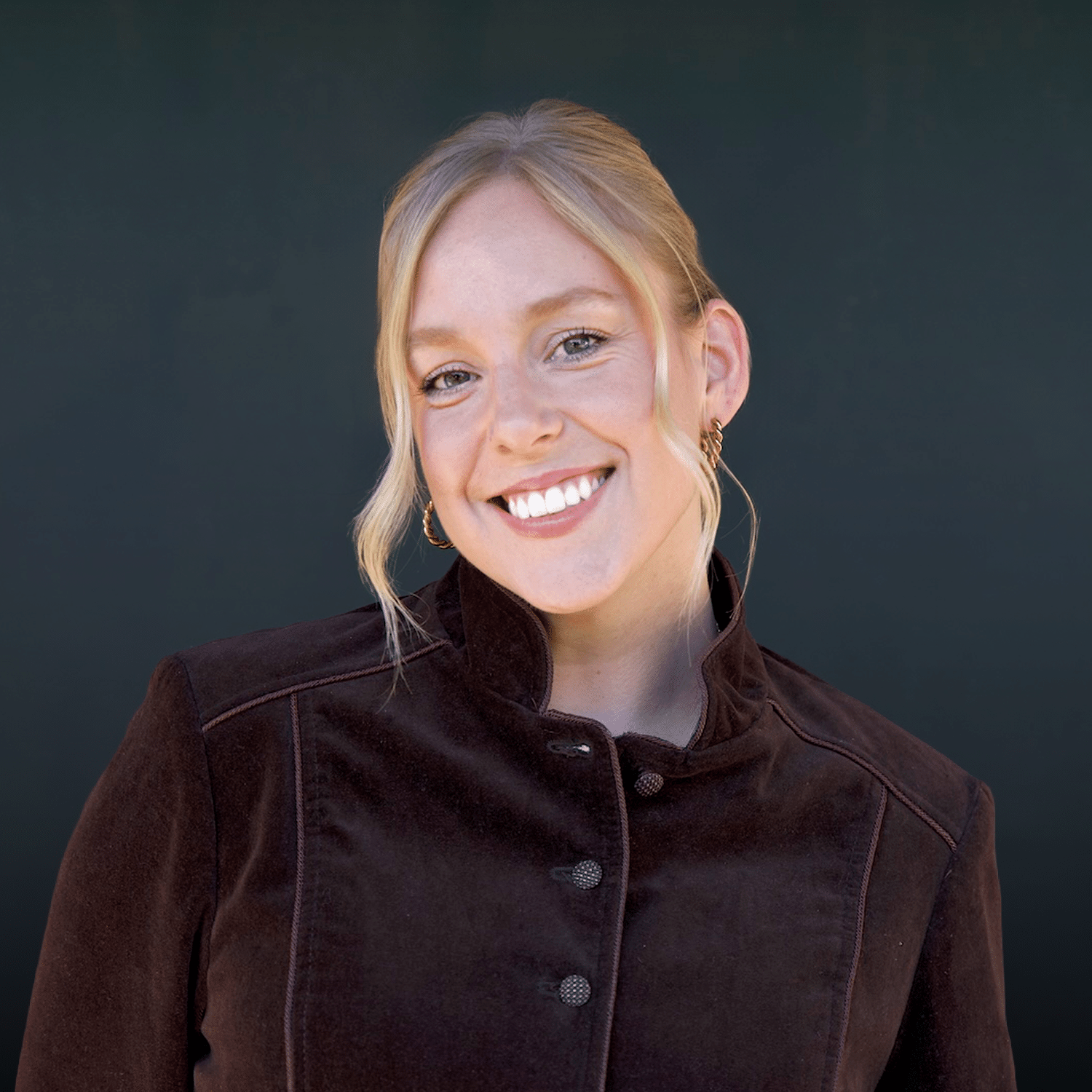
Ellie Andrews is Director of Media Strategy and Operations at Podium and Night Media, working across creator-led entertainment, advertising technology, cross-platform monetization, and media operations. Based in Los Angeles, she previously held leadership responsibilities in digital and programmatic operations at PodcastOne.