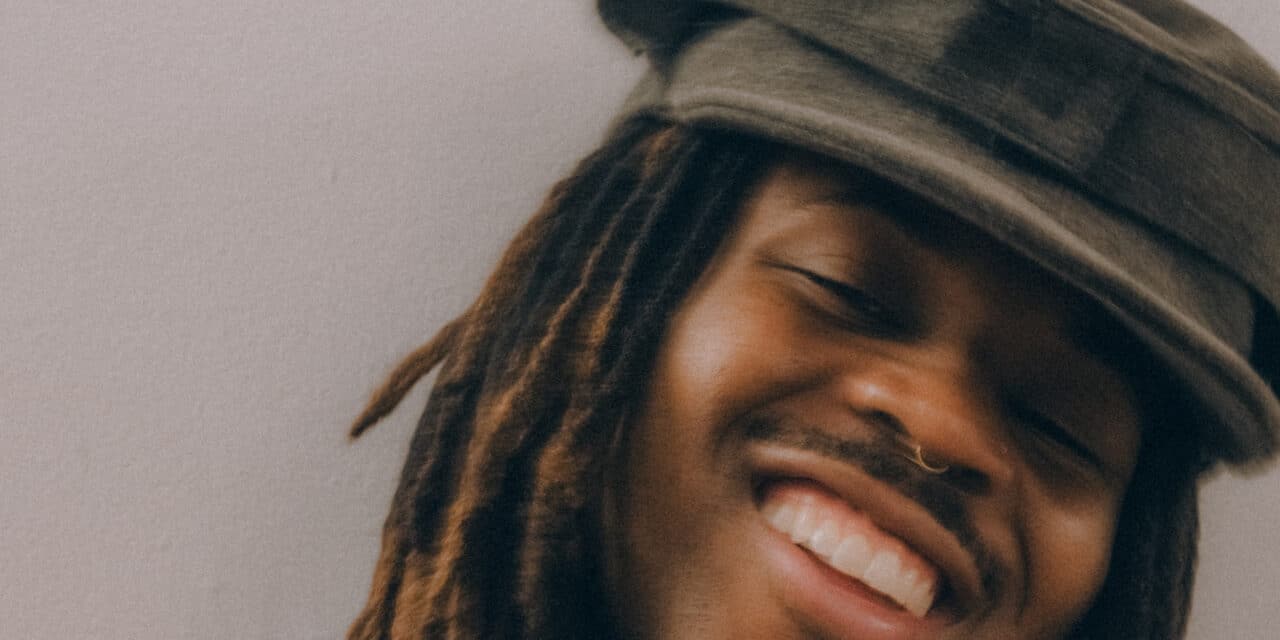
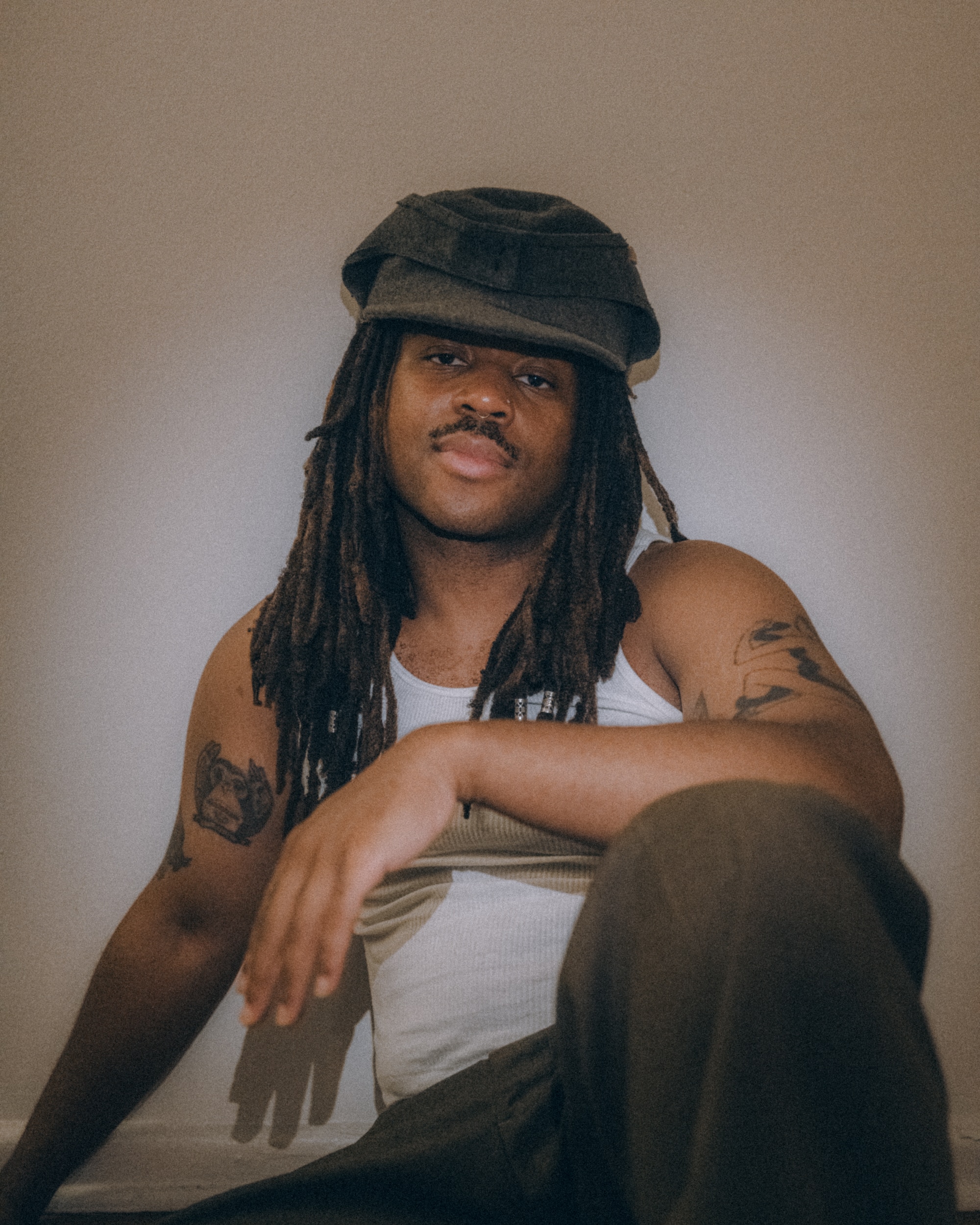
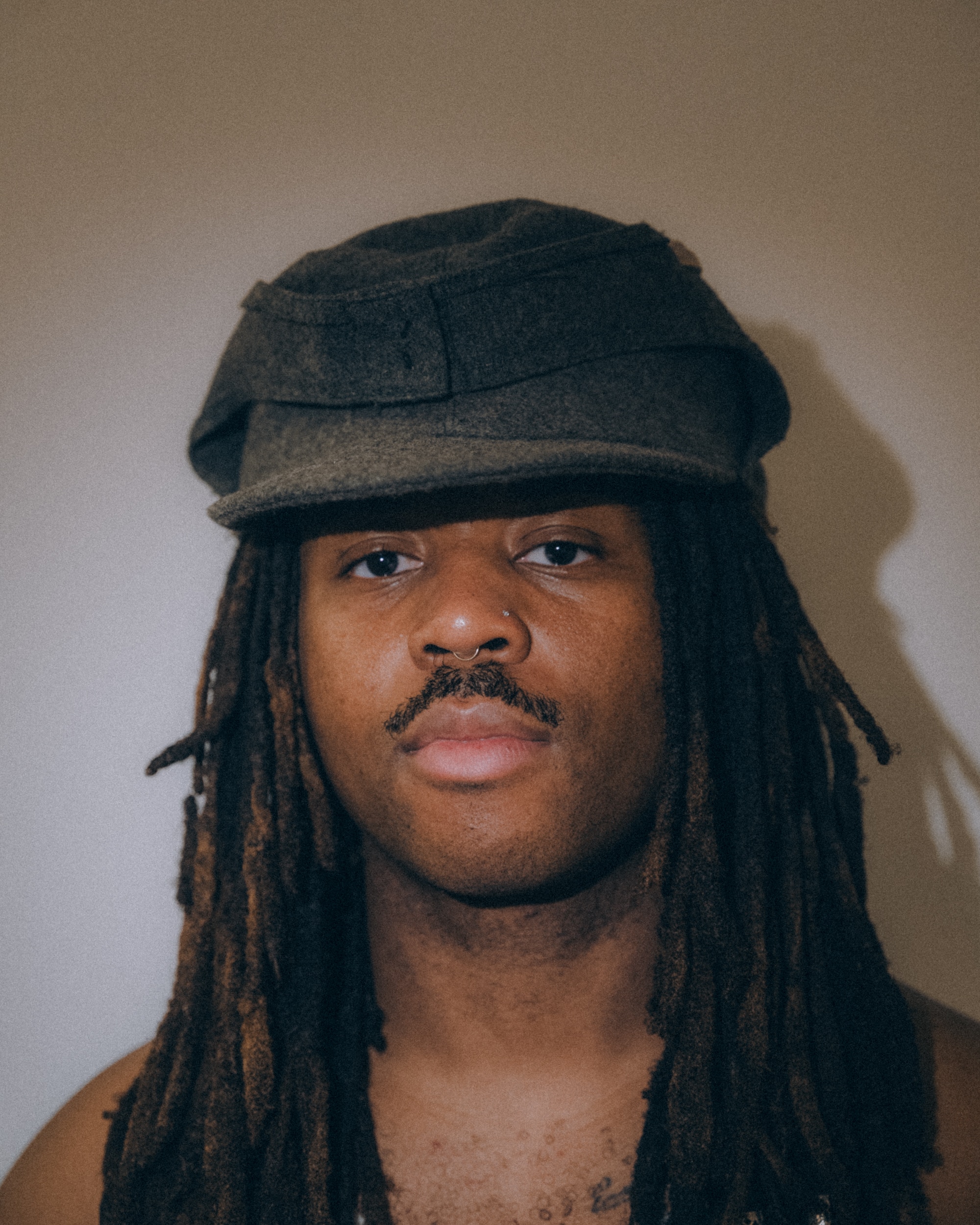
Rooted in childhood memories, family relationships, and the transformative power of self-discovery, Kevin Holladay’s new album Garden is an exploration of the things that shape us. Drawing from the warmth of 1960s and 1970s soul, funk, and rock, the largely self-produced project transforms the metaphor of gardening into a reflection on grief, identity, and emotional growth. In conversation with MUNDANE, Holladay discusses finding confidence in his creative instincts, the importance of imperfection, and building a musical world that feels as alive and unpredictable as nature itself.
Some of the most meaningful memories are the ones we don’t recognize as important until years later.
For Kevin Holladay, childhood afternoons spent gardening with his mother became the emotional foundation of his new album, Garden, arriving November 20, 2026.
What began as a reflection on family gradually evolved into a broader exploration of memory, change, and the relationships that shape our identities.
At the center of the project is a simple but powerful metaphor: soil.
A seemingly ordinary substance capable of nurturing countless possibilities, soil became Holladay’s way of thinking about the people, experiences, and environments that influence who we become.
He wanted the album to embody those same qualities: warm, textured, grounded, and alive.
“I think it’s always the moments that are seemingly insignificant at the time that end up sticking with you,” he tells MUNDANE.
“I was just a kid not really thinking about it but reflecting on my childhood. Those are some of my fondest memories with my mother, and with my family in general.”
But Garden isn’t simply an exercise in nostalgia.
It’s also the product of a period of significant personal change, during which making music became a way for Holladay to understand himself and navigate uncertainty.
Growing Through Change
Before beginning work on Garden, Holladay found himself confronting a series of changes that left him feeling disoriented.
Rather than attempting to escape those emotions, he turned toward them.
The creative process became an opportunity to reflect on the people who had entered his life and the ways they had influenced him, positively or negatively.
“Realizing everyone who’s ever been in your life has contributed something good or bad,” he explains. “I think I became a lot more self assured when I was making this album.”
That growing sense of confidence shaped both the album’s lyrical themes and its production.
Instead of pursuing a particular commercial sound or trying to anticipate what listeners might expect, Holladay focused on creating something that felt emotionally truthful.
The result is a project concerned with growth in its many forms: the gradual acceptance of change, the difficulty of communicating emotions, and the ways personal history continues to influence the present.
The Sound of Soil: Soul, Funk, and Rock
Holladay self-produced nearly the entire album, working alongside co-producers Adam Manson, Conner Duke, and Sydney-based producer Cleanz.
That creative control allowed him to develop a sonic identity closely connected to the album’s central themes.
His musical influences drew heavily from the 1960s and 1970s, particularly the work of Stevie Wonder, Sly and the Family Stone, The Doors, and Aretha Franklin.
Rather than simply recreating the sounds of those eras, Holladay wanted to combine their musical sensibilities into something distinctly his own.
“I wanted it to live in that sweet spot between soul, funk, and rock,” he explains.
The album’s production emphasizes texture, warmth, and the interaction between individual musical elements.
Holladay deliberately avoided making the recordings sound excessively polished.
“I didn’t want the record to feel too clean or perfect,” he says. “I wanted it to have some character to it, where you could really feel the different elements interacting with each other.”
That approach reflects the album’s underlying philosophy.
Just as a garden develops through an unpredictable combination of conditions, the music needed room to evolve naturally.
Letting the Songs Grow
The process of making Garden often mirrored the experience of cultivating something from the ground up.
Many songs passed through several different versions before reaching their final form.
Instead of forcing each composition toward a predetermined outcome, Holladay learned to give the material time and space.
“You can plant something with a certain expectation of what it’ll become,” he explains, “but ultimately you have to give it the time and space to grow into itself.”
That patience became essential to the album’s development.
Among its more emotionally challenging moments is “Anxiety,” a song that confronts the difficulty of understanding and communicating feelings that don’t always have an obvious cause.
For Holladay, the track reflects the complicated relationship between emotional awareness and self-understanding.
Sometimes recognizing what you’re feeling is only the beginning.
Understanding why can be much harder.
Elsewhere, the project features a collaboration with Pink Siifu, who also appears in the music video for “Drop Top.”
The collaboration adds another dimension to a record that moves between personal introspection and a broader musical exploration of identity and connection.
Creating a World Beyond the Music
For Holladay, Garden extends beyond the recordings themselves.
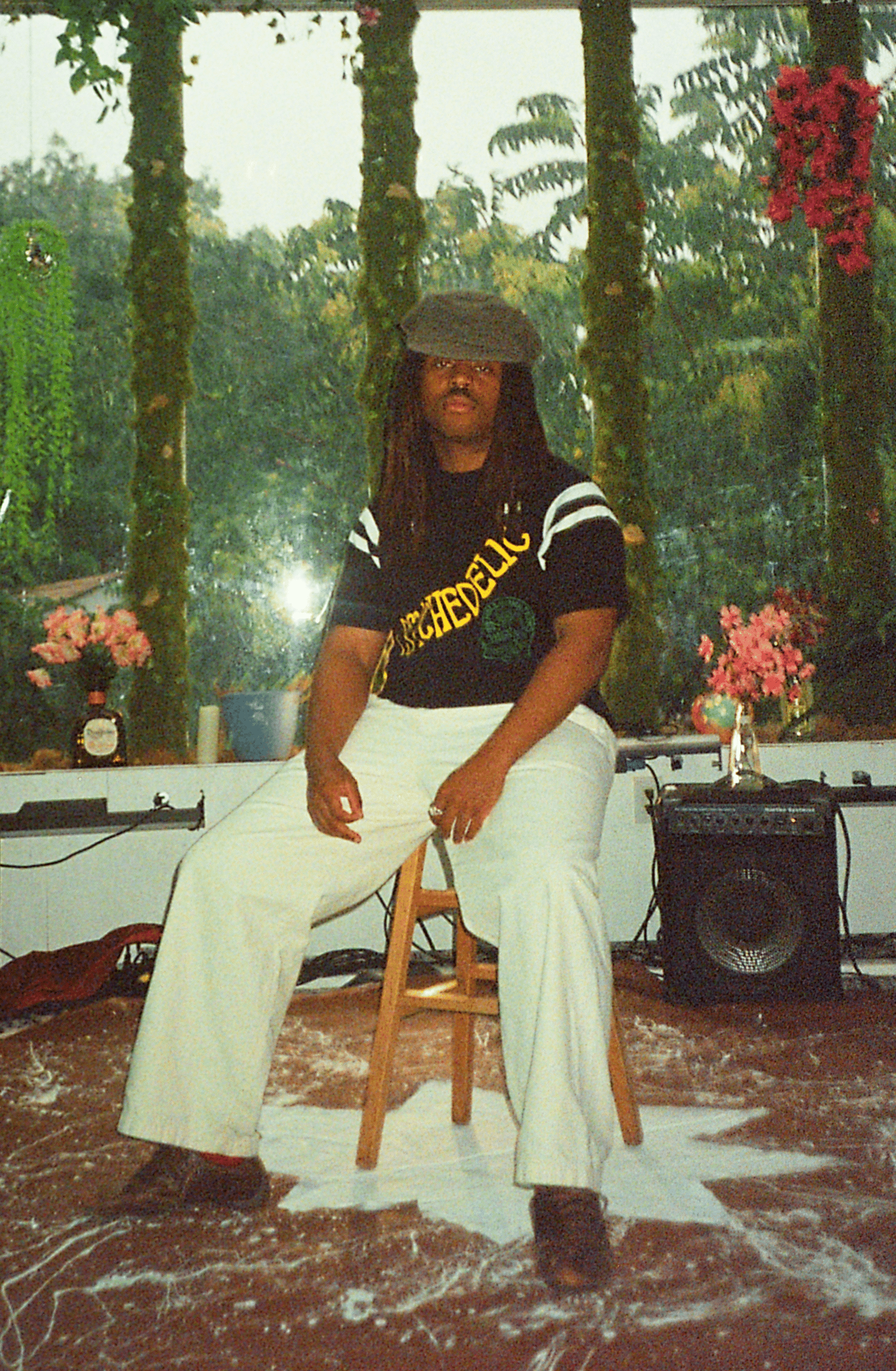
He’s approaching the album’s visual identity and live performances with the same intentionality that shaped its production.
Rather than treating artwork, imagery, and concerts as separate promotional elements, he wants them to feel like natural extensions of the music.
“With the live shows especially, I want people to feel like they’re stepping into the world of Garden rather than just me performing songs,” he explains.
It’s a vision that reinforces the album’s central idea.
Garden isn’t simply a collection of songs about personal experiences.
It’s an environment built from those experiences, inviting listeners to discover their own meanings within it.
In Conversation With Kevin Holladay
Garden feels like your most personal work to date. What made now the right time to delve into your family, memories, and personal history so deeply?
I think a lot of reflecting. Realizing everyone who’s ever been in your life has contributed something good or bad. I think I became a lot more self assured when I was making this album. Right before I started making it I think there was a lot changing in my life which was pretty disorienting. The making of this project in a lot of ways helped me get through that.
You’ve mentioned that memories of gardening with your mother inspired the theme of the album. How did the concept of soil as a foundation shape the sound and direction of this project?
I think it’s always the moments that are seemingly insignificant at the time that end up sticking with you. I was just a kid not really thinking about it but reflecting on my childhood. Those are some of my fondest memories with my mother, and with my family in general.
Self-producing almost the entire album is a massive undertaking. How did taking full control of the production help you capture the specific emotional world you wanted to build?
I think crafting the sound for this project myself was really important to me for a lot of reasons. Also I worked with a couple of other co-producers on this as well. Adam Manson, Conner Duke, and another producer named Cleanz out of Sydney. But, I had a very clear vision of the sounds and textures I wanted to hear prior to getting started. I wanted a lot of 60’s and 70’s influence but in a way that doesn’t really sound like anything else. I was listening to a lot of Stevie Wonder, Sly and the Family Stone, The Doors, and Arethea Franklin when I was making the record. I wanted it to live in that sweet spot between soul, funk, and rock, and I think I achieved that.
In what ways did the physical process of building these tracks mirror the theme of growth and cultivation explored in the lyrics?
I think everything in the making of this album felt like I was exploring uncharted territory. I was in a place where I felt like I could take my time and craft the sound. A lot of the songs went through different versions before they became what they are now, and I think that process is pretty similar to gardening. You can plant something with a certain expectation of what it’ll become, but ultimately you have to give it the time and space to grow into itself.
The album covers complex themes like grief, memory, and staying connected. Was there a specific track that proved particularly challenging or cathartic to write?
Anxiety was probably one of the more challenging songs for me to write. I think anxiety is such a weird thing because sometimes you can recognize exactly what you’re feeling without really understanding why you’re feeling it. It’s also something that can be really difficult to communicate to other people.
Sonically, the album aims to feel warm, textured, and grounded. What specific instruments, textures, or recording techniques were key to achieving that organic feel?
A lot of it came down to being intentional about the textures and how everything sat together. I didn’t want the record to feel too clean or perfect. I wanted it to have some character to it, where you could really feel the different elements interacting with each other.
With the album releasing on November 20th, how has the experience of creating Garden shifted your perspective as an artist and producer moving forward?
I think it’s made me a lot more comfortable trusting myself. When you’re making music, it’s easy to get caught up in what you think people want to hear or what you feel like you’re supposed to be doing. With this album, I tried to get away from that as much as possible and focus on making something that felt honest to me.
How do you hope listeners connect with the themes of family and communication when they hear the project for the first time?
I don’t necessarily want to tell people how to interpret any of it. I hope people can find pieces of their own lives in it. A lot of the album comes from very specific experiences and relationships I’ve had, but I think the feelings behind those experiences are pretty universal.
What can fans expect from the visual world and live performance elements surrounding Garden as we head into the release?
I’ve been thinking a lot about how to make the world around the album feel like an extension of the music rather than something separate from it. There’s a lot of imagery and symbolism tied to the project, and I want those elements to carry through into the visuals and performances. The album is really personal, so I think it’s important that the way it’s presented feels just as intentional. With the live shows especially, I want people to feel like they’re stepping into the world of Garden rather than just me performing songs.
The Beauty of Becoming
With Garden, Kevin Holladay has created a project that treats personal growth not as a destination, but as an ongoing process.
Its themes of family, memory, grief, and emotional connection are rooted in deeply individual experiences, yet they speak to feelings that extend far beyond his own life.
The album’s warm, textured production reflects that same philosophy, allowing imperfections, unexpected musical directions, and moments of vulnerability to become essential parts of its identity.
And perhaps the most meaningful transformation has happened within Holladay himself.
Through the process of making Garden, he’s learned to trust his instincts, embrace uncertainty, and give his creative ideas the freedom to develop on their own terms.
Like the childhood memories that inspired its title, the album is a reminder that some of life’s most important experiences reveal their meaning only with time.
Because growth rarely happens exactly as we imagine it. Sometimes, the most beautiful things emerge when we simply give them the space to become.
Garden arrives November 20, 2026.
Artist: Kevin Holladay
Album: Garden
Release date: November 20, 2026
Production: Primarily self-produced by Kevin Holladay, with contributions from Adam Manson, Conner Duke, and Cleanz
Featured artist: Pink Siifu
Music video: “Drop Top” featuring Pink Siifu
Follow Kevin Holladay: Instagram