
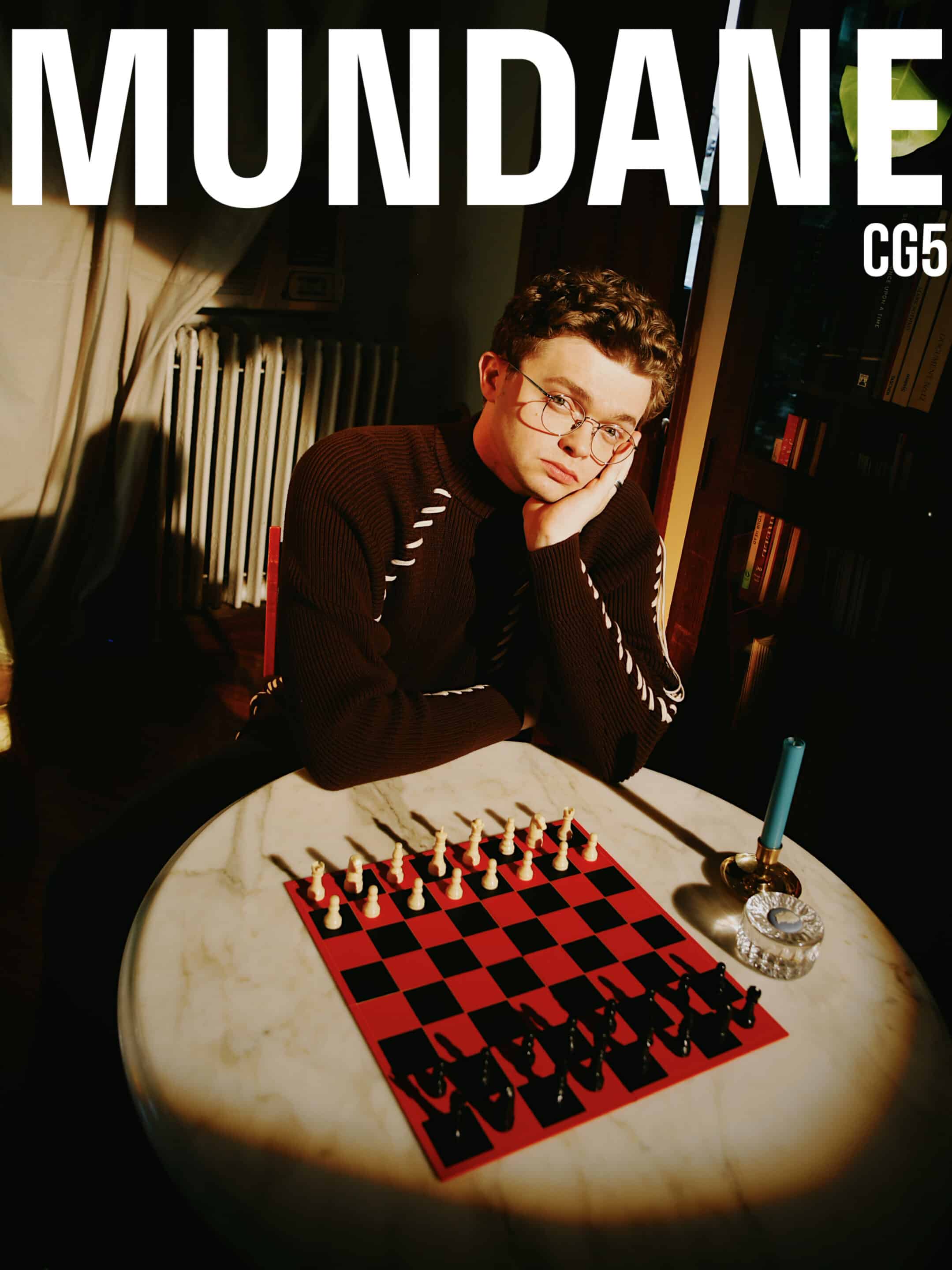
Having built a career at the intersection of gaming culture, electronic music, digital storytelling, and internet fandom, CG5 is turning the narrative inward. With GAMER Deluxe, out Friday, November 27, the Arizona-based singer, songwriter, and producer continues exploring a musical universe where video game-inspired soundscapes become the backdrop for deeply personal experiences. In conversation with MUNDANE, the artist opens up about his childhood, his fascination with digital worlds, the vulnerability of falling in love, and how making music has helped him prepare for what he calls “the war of life.”
For an artist who has built much of his career telling other people’s stories, perhaps the greatest creative challenge is learning how to tell his own.
CG5 has developed a distinctive musical identity within the increasingly interconnected worlds of gaming, animation, electronic music, and internet culture. Drawing inspiration from fictional universes, recognizable characters, and the communities that surround them, the self-taught producer has established a creative language that transcends conventional genre boundaries.
But with GAMER, and now its expanded edition, GAMER Deluxe, out Friday, November 27, he is approaching storytelling from a different perspective.
The fictional worlds that have informed much of his career remain present in the production, the visual aesthetics, and the electronic textures of the music. This time, however, the protagonist is the artist himself.
Rather than researching an existing narrative and translating it into a song, CG5 began investigating his own emotional experiences.
His relationships. His insecurities. His understanding of love. His ability to recover from disappointment and rediscover confidence.
The result is a project that explores what happens when the imaginative possibilities of gaming culture intersect with the unpredictable emotional landscape of real life.
“I have to do research on myself,” he tells MUNDANE, reflecting on the difference between his established songwriting process and the more introspective approach behind GAMER.
For someone accustomed to building musical narratives around fictional characters, that shift required an entirely different kind of vulnerability.
Twenty Houses, One Computer, and a Lifelong Obsession With Music
Currently based in Arizona, CG5 spent much of his childhood moving across the United States.
Throughout his life, he has lived in twenty different houses, with his father’s teaching career taking the family through Virginia, Missouri, and Arizona.
While those experiences might suggest a childhood defined by instability, CG5 remembers having something that consistently made unfamiliar surroundings feel manageable: music.
His introduction to production came remarkably early.
At just five years old, his father showed him a music program on his computer, opening a creative universe that would eventually become the foundation of his professional life.
That initial encounter developed into a fascination with the possibilities of digital music production. Rather than approaching music exclusively through traditional instrumental training, he learned through experimentation, listening, and an almost instinctive curiosity about how sounds could be assembled.
By fourteen, he was making songs on GarageBand for iPad virtually every day.
Music production wasn’t yet a professional obligation. It was entertainment, discovery, and a way of occupying his imagination.
“I always just loved making music all the time,” he recalls. “And it was, it was just a game for me.”
There’s an interesting irony in that description.
For an artist whose career would eventually become so closely associated with video games, making music was itself the game that occupied much of his childhood.
His parents limited the amount of time he spent playing video games, encouraging him to find other creative outlets.
Looking back, he believes those boundaries helped him develop the discipline and curiosity that continue to inform his work.
Rather than simply consuming digital entertainment, he became fascinated by the possibility of creating it himself.
When Gaming Becomes a Form of Musical Storytelling
The relationship between video games and contemporary music has evolved dramatically.
Gaming soundtracks are no longer merely functional accompaniments to interactive entertainment. They can establish emotional atmospheres, communicate complex narratives, and become inseparable from the identities of the fictional worlds they inhabit.
CG5’s career exists within that cultural intersection.
Through his work inspired by franchises such as Five Nights at Freddy’s, Bendy and the Ink Machine, and Poppy Playtime, he has developed a songwriting process that begins with research.
He immerses himself in stories, characters, and the communities that have formed around them, searching for musical possibilities within those narratives.
The process resembles creating an alternative soundtrack to an existing universe.
It requires understanding not only the source material but also the emotional relationship audiences have developed with it.
“I love getting into other stories,” he explains, describing the process of transforming fictional narratives into music.
For CG5, gaming culture represents considerably more than entertainment.
It is a creative ecosystem where music, animation, storytelling, and audience participation can coexist without the boundaries traditionally separating different artistic disciplines.
His career demonstrates how an artist can emerge from those intersections rather than belonging exclusively to one medium.
With GAMER, however, he wanted to explore whether that same creative language could communicate something more autobiographical.
GAMER: When the Soundtrack Becomes Personal
The central creative distinction behind GAMER lies in the separation between musical inspiration and lyrical subject matter.
While the instrumentals draw heavily from gaming culture, the lyrics are rooted in CG5’s own experiences and original storytelling.
He cites the music of The Legend of Zelda, Rocket League, Geometry Dash, and racing games as influences on the album’s production.
Rather than writing songs directly about those games, he used their musical worlds as starting points for compositions that could accommodate his own emotional narratives.
The approach allowed him to preserve the sonic identity that initially connected him with his audience while expanding the possibilities of his songwriting.
For an artist accustomed to researching fictional characters, writing autobiographically presented a different challenge.
There was no established storyline to follow, no existing mythology to reinterpret, and no predetermined character arc.
Instead, he had to investigate his own experiences.
“But when I wrote the lyrics and the words, I didn’t write it about the game,” he explains. “I wrote it about myself.”
The distinction makes GAMER an interesting development in his artistic evolution.
Its electronic production remains connected to the imaginative environments that have informed his career, but its emotional concerns belong to the world outside the screen.
The games become the soundtrack rather than the subject.
And the artist becomes the central character.
Love, Heartbreak, and the Emotional Architecture of GAMER
Although its songs weren’t written chronologically, GAMER developed into a record with a recognizable narrative progression.
The album begins with the desire to find someone with whom to share happiness and companionship.
That desire gradually develops into romantic connection, intimacy, and the excitement of discovering love.
As the relationship progresses, however, complications begin to emerge.
The initial euphoria gives way to uncertainty, disappointment, and eventually separation.
What follows is a process of emotional reconstruction.
The protagonist begins recognizing the things he previously overlooked, learning to exist independently again and developing a renewed sense of confidence.
The record’s narrative is not necessarily a literal account of one relationship. Rather, CG5 draws from personal experiences and original storytelling to construct a broader emotional journey.
Interestingly, the overarching narrative wasn’t something he meticulously planned before entering the studio.
Some compositions began with older instrumentals that he revisited. Others emerged independently before he recognized the connections between them.
As the songs accumulated, a larger story began revealing itself.
“When I was making song after song, everything just seemed pretty connected,” he recalls.
Sequencing became an essential part of the creative process.
By placing the songs in an order that reflected their emotional relationships, he transformed a collection of independently written compositions into a more cohesive experience.
“Am I Allowed to Feel Love Now?”: The Vulnerability of Finding Something Real
Among the album’s most personally significant compositions is its second track, “Am I Allowed to Feel Love Now?”
The song draws directly from the beginning of CG5’s relationship with the woman who would eventually become his wife.
Rather than presenting falling in love as an uncomplicated experience, the track explores the anxiety and disbelief that can accompany discovering an unfamiliar emotional connection.
For CG5, recognizing those feelings was initially frightening.
Previous experiences had left him questioning what romantic relationships might bring into his life. Encountering a connection that felt different challenged his expectations.
The song captures that moment of uncertainty: the realization that something meaningful is happening, accompanied by the fear of what accepting it might require.
“Am I allowed to feel this feeling?” he recalls asking himself.
It’s a question that reveals an unexpectedly vulnerable dimension of an artist whose music frequently inhabits highly imaginative and energetic digital environments.
The emotional stakes here aren’t determined by fictional conflicts or fantastical narratives.
They’re rooted in the ordinary but transformative experience of allowing another person into your life.
And while the album’s broader storyline eventually explores heartbreak and recovery, this particular song preserves the uncertainty and excitement surrounding a relationship that became an enduring part of his life.
“War”: Preparing for the Battles Outside the Screen
The original album concludes with “War,” a track that CG5 describes as the culmination of its emotional journey.
By this point in the narrative, the protagonist has experienced connection, disappointment, separation, and the difficult process of learning to stand independently again.
But rather than ending with bitterness or defeat, the album arrives at a renewed sense of readiness.
The war referenced in the song isn’t necessarily against another person.
It represents the unpredictable challenges of existence itself.
For CG5, that includes the criticism that accompanies maintaining a public presence online, the judgments of other people, and the internal struggle to recognize one’s own worth.
“I see the positive in myself and I’m ready for the war of life,” he explains.
The statement introduces an interesting parallel between gaming culture and personal development.
Video games frequently organize their narratives around challenges, setbacks, and the acquisition of new abilities.
Failure becomes part of progression. Defeat creates opportunities to develop different strategies. Each new obstacle requires the player to draw upon what they have learned.
Real life, of course, offers considerably less predictable outcomes.
But GAMER borrows something from that narrative structure.
Its protagonist emerges from difficult experiences with a greater understanding of himself and a willingness to confront whatever comes next.
Animation, Digital Worlds, and the Visual Language of GAMER
For CG5, the visual dimension of his music is particularly important.
Having developed a substantial connection with audiences on YouTube, he understands that a song can become part of a larger multimedia experience.
The music videos accompanying GAMER continue exploring the relationship between electronic music and gaming aesthetics through animation.
Rather than translating every lyric into a corresponding visual narrative, the videos construct their own adventures within different game-inspired environments.
The visual for “I Don’t Like You,” for example, draws inspiration from Street Fighter, placing its animated protagonist within a fighting-game universe.
Across the videos, the character encounters different environments and attempts to overcome the challenges presented by each game.
The approach creates a parallel narrative to the music without requiring the visuals to reproduce the lyrical content.
For CG5, that distinction allows both mediums to retain their creative independence.
The songs can explore personal relationships and emotional experiences while the accompanying visuals celebrate the digital worlds that initially connected him with his audience.
It’s a reminder that visual storytelling doesn’t always need to explain music.
Sometimes it can expand the universe surrounding it.
Daft Punk and the Cinematic Possibilities of Electronic Music
When asked about the soundtracks that have most profoundly influenced his creative identity, CG5 points to one particularly significant example: Daft Punk’s soundtrack for TRON: Legacy.
The score’s combination of electronic production and cinematic orchestration has remained a source of inspiration throughout his career.
For CG5, its appeal lies in the way those musical languages coexist.
Electronic textures can create futuristic environments while orchestral elements communicate scale, emotional intensity, and narrative movement.
That combination offers a useful perspective on his own work.
His interest in gaming soundtracks isn’t exclusively about recognizable digital sounds or nostalgia for particular games.
It’s also about the ability of music to construct environments, establish atmosphere, and make an audience feel immersed in a story.
Whether he’s writing about an existing fictional universe or exploring his own relationships, that cinematic ambition remains central to his creative process.
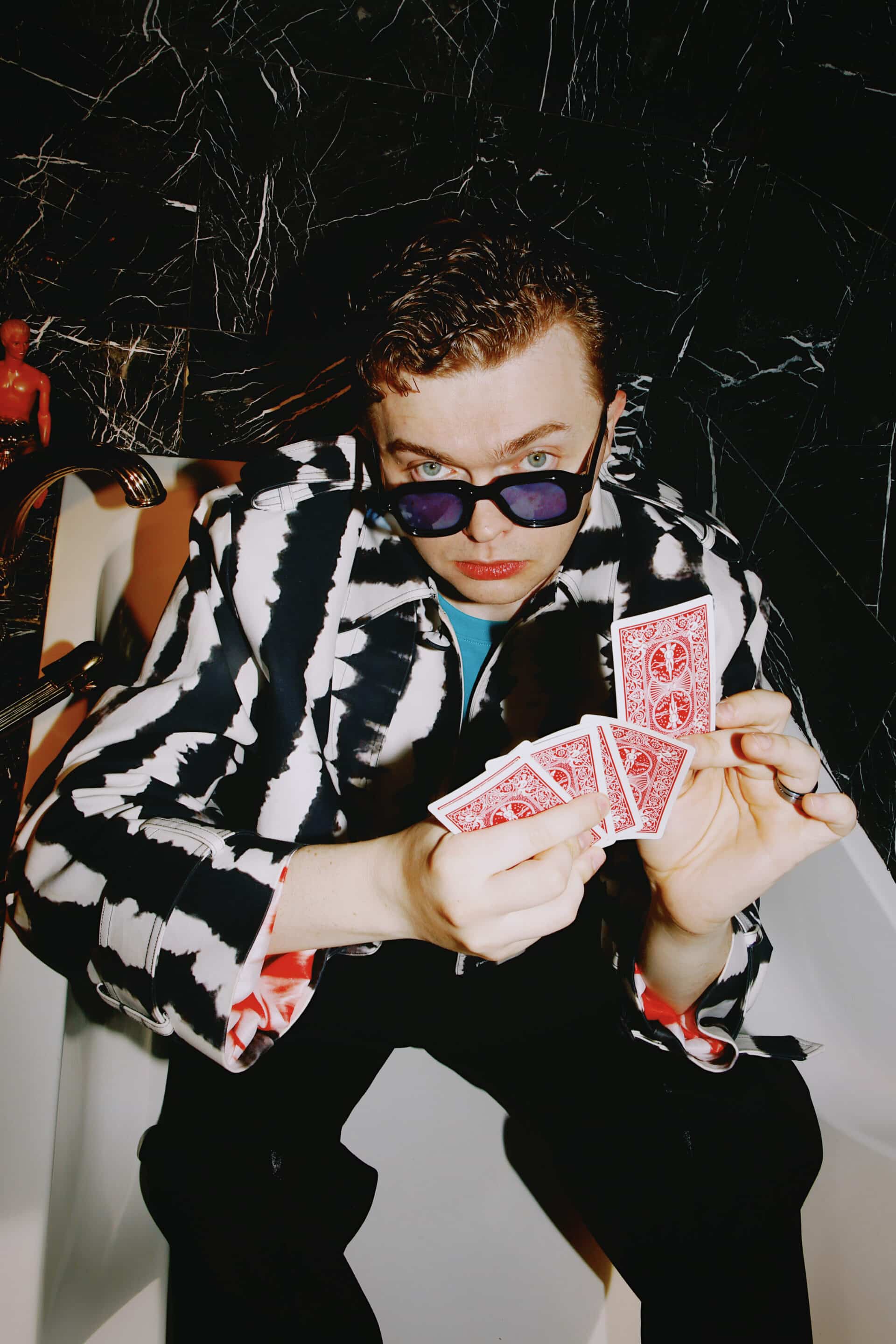
GAMER Deluxe: Expanding the Universe
With GAMER Deluxe arriving Friday, November 27, CG5 is extending a project that has already allowed him to explore new dimensions of his artistic identity.
The release continues an era defined by the relationship between digital imagination and personal storytelling.
For listeners who discovered him through his video game-inspired compositions, GAMER offers an opportunity to encounter the person behind those fictional narratives.
For CG5 himself, the project represents an exercise in creative expansion: finding a way to preserve the musical language he has developed throughout his career while allowing it to communicate something more intimate.
That doesn’t mean abandoning the communities that helped establish his career.
Looking ahead, he remains enthusiastic about returning to songs inspired by video games and fictional stories, continuing to diversify his production style with each new universe he explores.
The difference is that he has now demonstrated another possibility for that creative language.
It can tell his story, too.
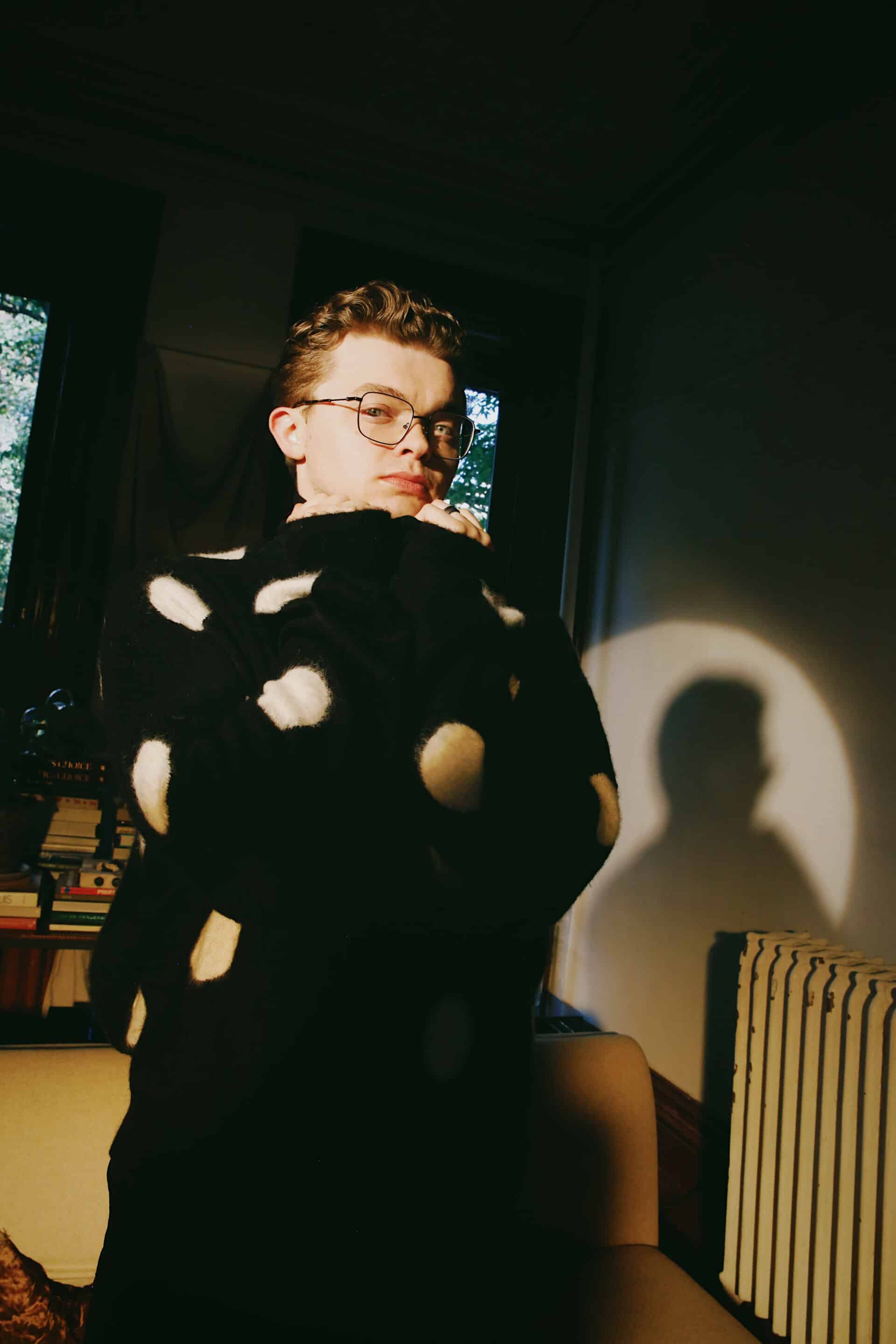
In Conversation With CG5
You’re currently based in Arizona, but you’ve lived in twenty different houses throughout your life. How did that upbringing influence your development as an artist?
I think the thing that really brought me where I am today is my dad showing me a special music program on his computer when I was just five years old. And that really just paved the way for me to see this music thing as second nature at this point. I know my software, like the back of my hand, I’m a music producer. I just love what I do.
It’s easy, but hard. And I love that. I always love a challenge, especially when I’m songwriting and then something finally comes together and I’m happy with it.
My dad always got new teaching jobs and we just followed him. And that’s just how it ended up being. But as long as I had my computer and brain, I could be anywhere.
After your father introduced you to music production at five years old, how did you begin developing those skills independently?
I’ve always been self-taught. I’ve always just listened to music and then taken what I’ve learned into my life and into my career or what became my career.
I always just loved making music all the time. And it was just a game for me throughout my childhood. I remember when I was about 14 years old, I had GarageBand for iPad and I just made songs literally every day because I was just on this high of just wanting to do that all the time.
And I still want to make music all the time, but there was just that time, that point. My parents didn’t always let me play video games very often. So I had to figure out what to do with my time. And I’m grateful that they didn’t let me play video games that much because otherwise I’d be wired differently, I think, at this point in my life.
That’s particularly interesting considering how closely your career is associated with gaming culture. What do you mean when you say that you might have been wired differently?
I think if I were to have played video games all the time throughout my childhood, I wouldn’t be making music the way I do now or spending the time that I do on what I love.
Because I started so early in my life, being in my childhood, which is the most important part of your growth, and your upbringing is so important as well. My parents really encouraged me to be creative. And because of that, it’s just how I am now. I just do what I do because I got good at it over the course of 22 years.
Every now and then I like to play video games and I always get into it when I’m doing research for my songs that I make, especially with the Five Nights at Freddy’s and Bendy and the Ink Machine, Poppy Playtime, etc. Just the whole video game scene.
I always love the culture and the community around it and the research I get to do around these topics as well. I love getting into other stories and creating songs about other stories. That’s my whole career at this point.
How did that research-based approach to songwriting translate into GAMER? What went into the album in terms of musical influences, storytelling, and production?
When I made Gamer, I took into account that I wanted to write stories of my own here, rather than take stories that exist already.
I had to create a story or think about my life and how it’s been and write that into music, which has always been a little bit more difficult for me than just doing research on a topic and creating a song around that.
I have to do research on myself and I have to write about myself or my experiences or these stories that I create out of myself, I guess.
But when I was making the music, I also took into account my audience and how they have always loved the video game scene. And that’s the reason that I am here now.
And so when I made the instrumentals for the songs, I was very inspired by sounds from older games or games in general, but I didn’t write about those games. It was basically just the soundtrack to my voice.
So, for example, I wrote a song where the instrumental is very heavily inspired by Zelda music or one that was very inspired by Rocket League or Geometry Dash, or just racing games.
I took all that into account when creating these instrumentals. But when I wrote the lyrics and the words, I didn’t write it about the game. I wrote it about myself.
And so that’s what made the experience drastically different, to break into my own emotions and experiences and create music around that.
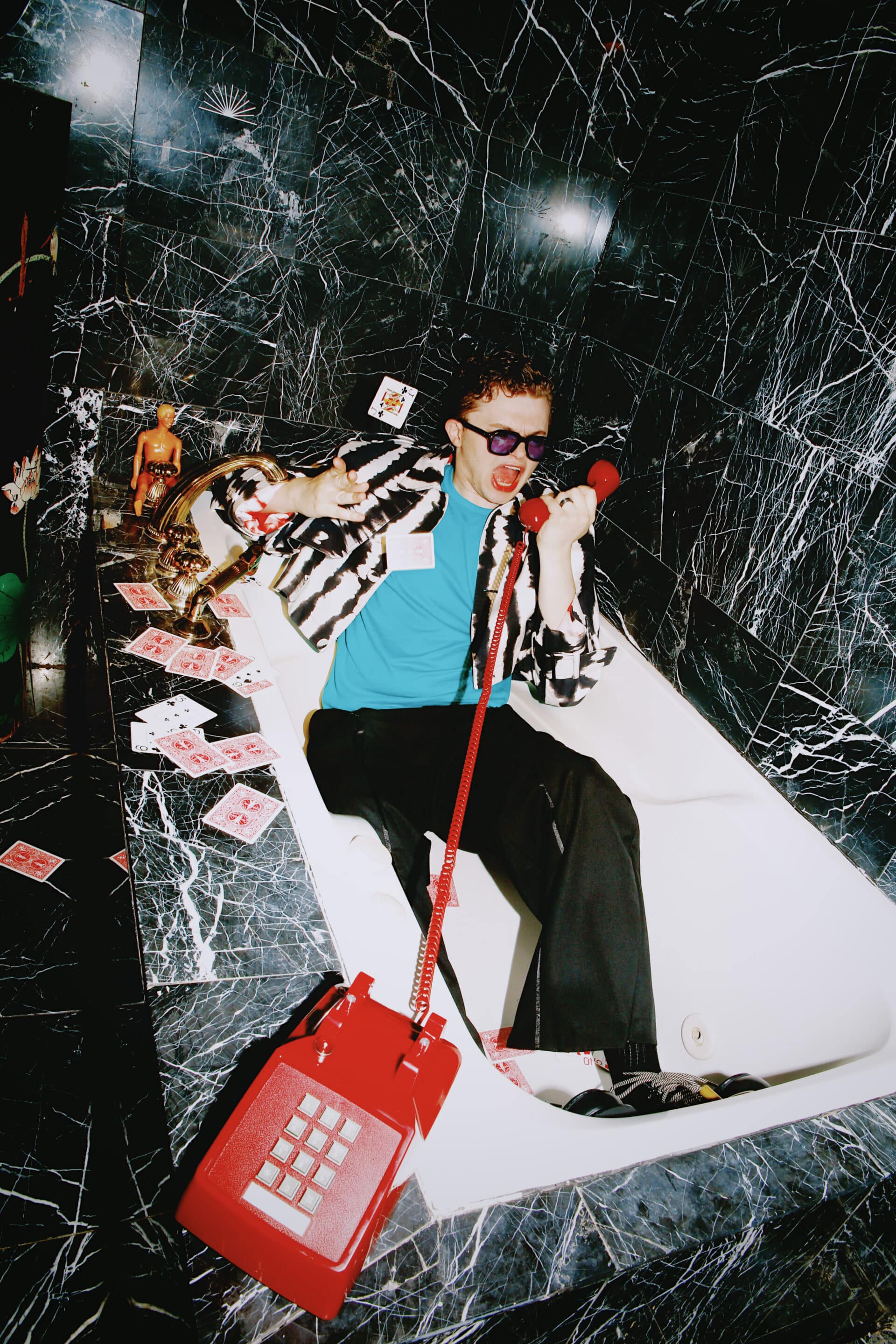
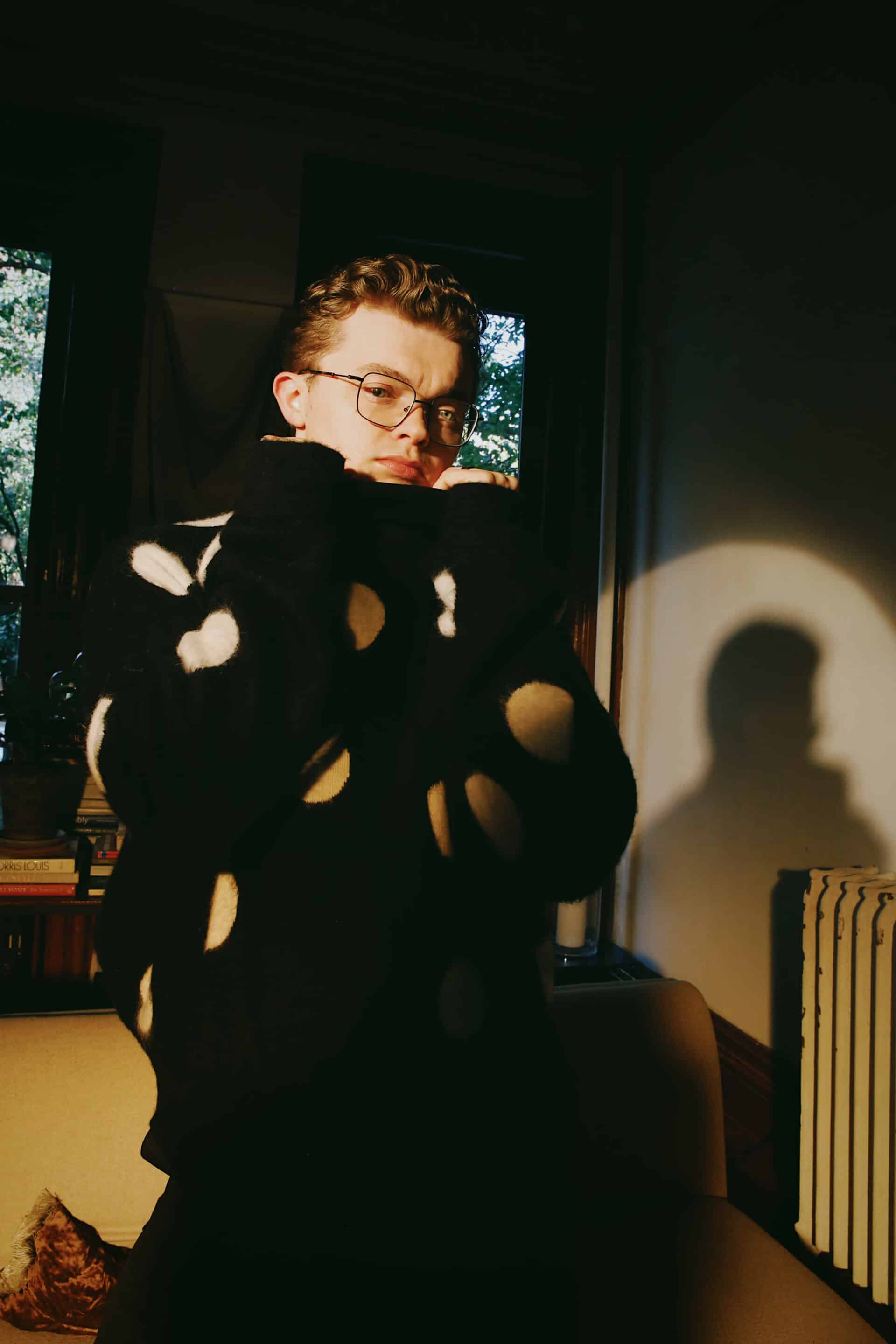
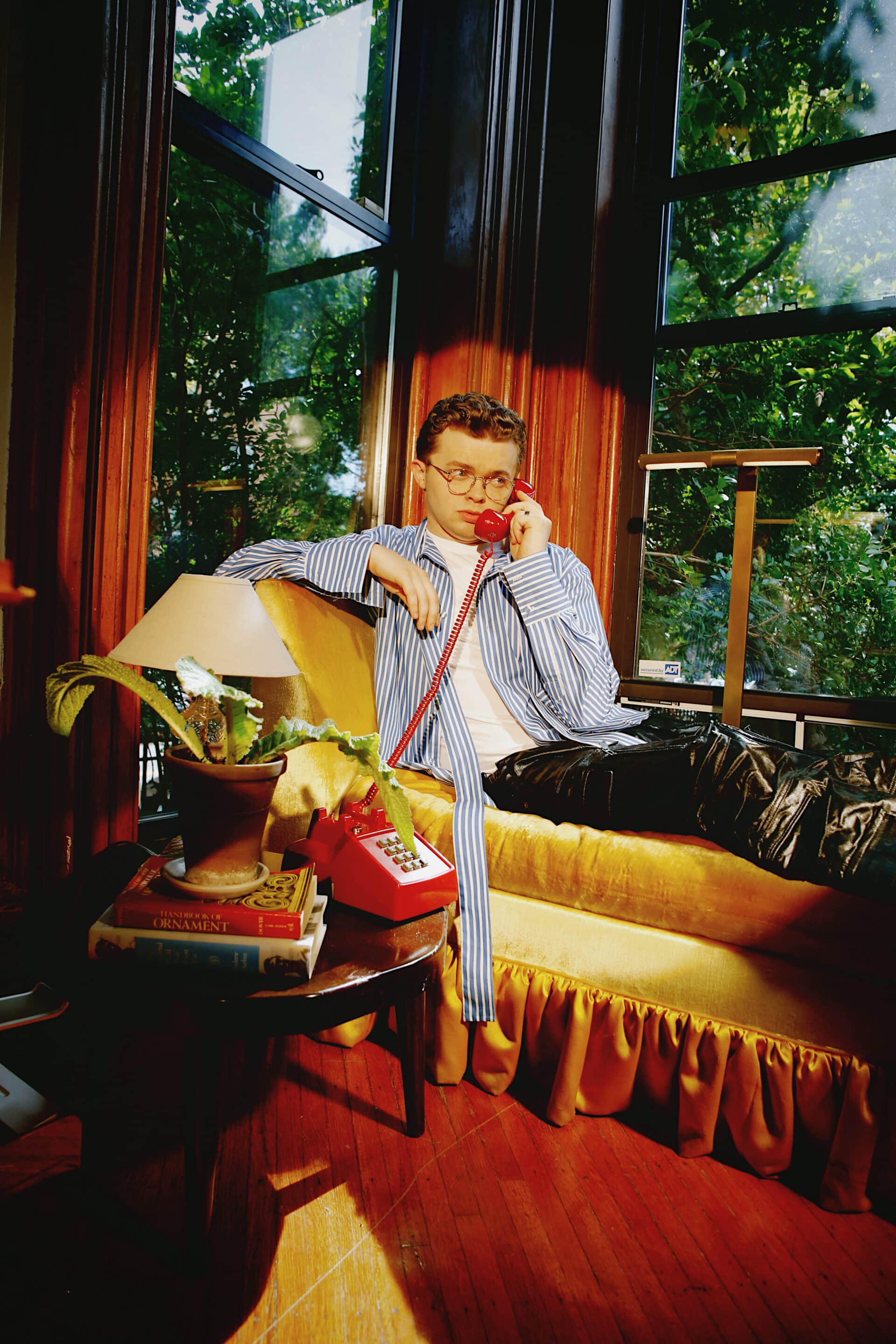
Edited in Tezza with: Brightness, Contrast, Shadows, Temperature, Saturation, Fade, Disposable, Sharpen, & Highlights
What makes “War” the focus track of this record?
Well, it’s the last song on the album, and it basically wraps up the entire album because there really is a beginning and an end to it, with all the songs being connected to each other in some way.
So the way the album starts is that I want to find somebody that wants to have a good time, that I can be around and be happy with.
And then I find that person and I feel that love. And then I have the greatest experiences with them. And then they’re a partner of mine and I love them very much.
And then it starts getting a little bit deeper in a sense that our relationship grows, but in that relationship, there’s things that are making us fall back a bit to the point where eventually we break up.
And after we break up, it makes me realize all the things that I didn’t like about this person that I didn’t pay attention to. And that they were a liar. And all they did was lie.
And so I come back from that. I learned to think for myself again and be alone while getting stronger in the process, emotionally, mentally, and physically, and all of that.
And so War wraps up that journey in the sense that I’m ready for anything now.
I can be ready for anything and I can be ready for, you know, hate comments on the internet or the people around me that may see the negative in me. I see the positive in myself and I’m ready for the war of life.
Did you deliberately write the album as a pathway leading toward “War,” or did that overarching narrative reveal itself during the creative process?
I didn’t do anything in order and a lot of the songs were, some of them were older instrumentals that I brought back and I was like, this really fits for the album.
So I bring it back and I put it into this and I write to these instrumentals that I create.
Somehow it really put itself together. When I was making song after song, everything just seemed pretty connected. And so I put it in the right order to be able to express that connection and create that story.
So it just really all fell into place the way all the songs came out. I mean, it was as simple as that, but obviously it wasn’t simple to make all of these songs, but when you put them all together in order, it creates that story.
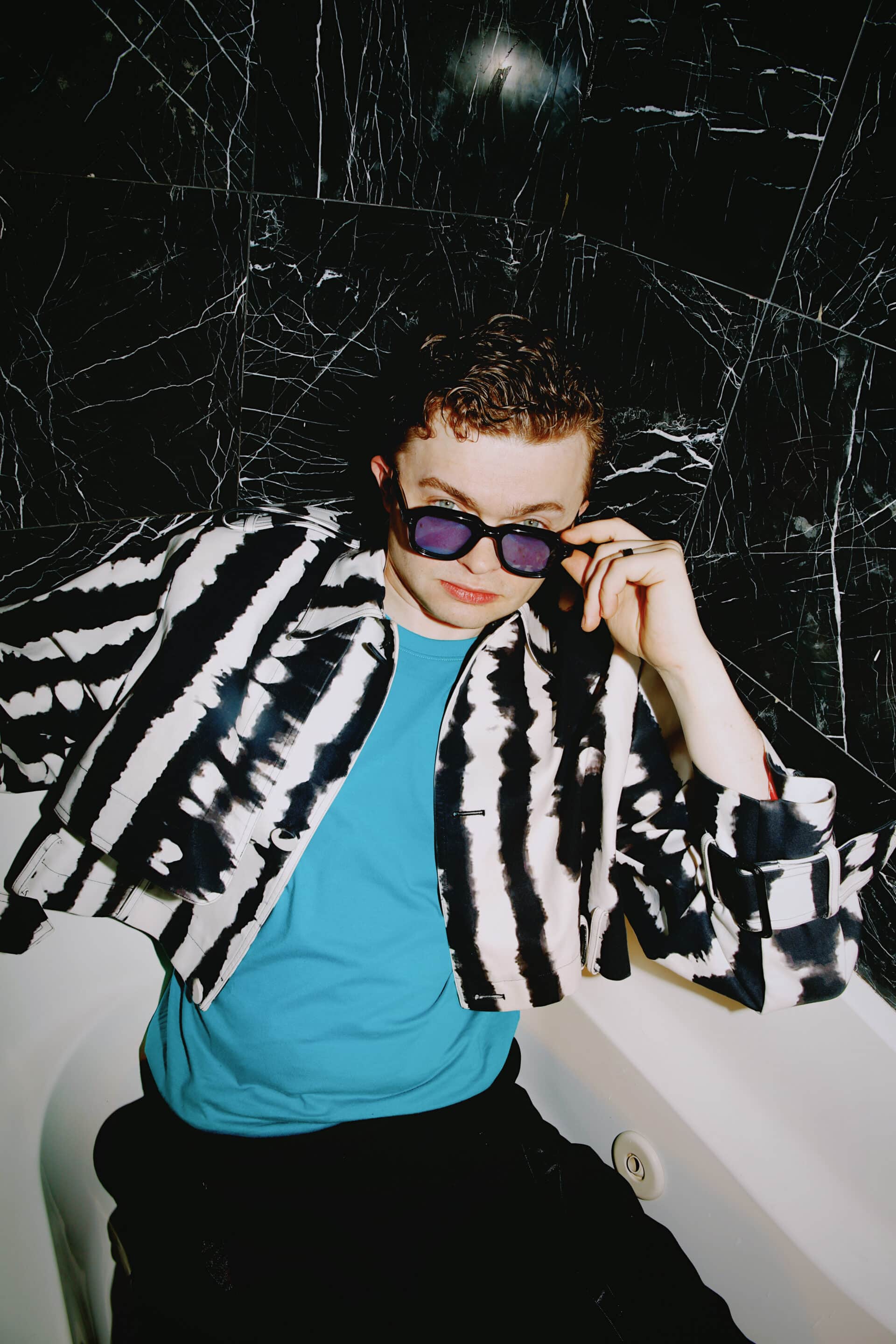
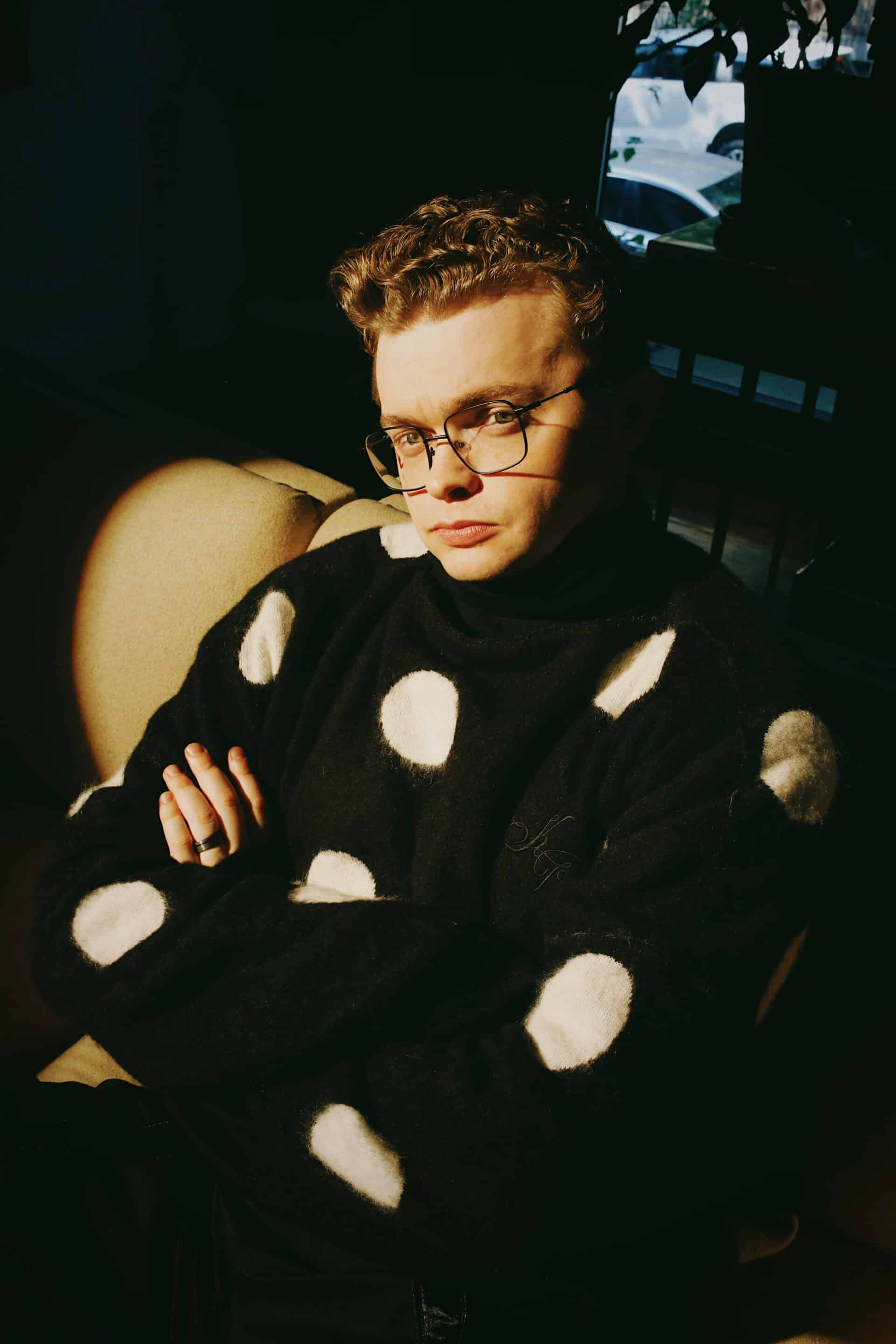
Edited in Tezza with: Brightness, Contrast, Shadows, Temperature, Saturation, Fade, Disposable, Sharpen, & Highlights
Which song on the album feels the most intimate or personally significant to you?
So the song, Am I Allowed to Feel Love Now, which is track number two, it kind of expressed my feelings through creating this relationship and realizing I can feel love.
That’s something I can feel because you never know what that feels like. You never know what love feels like until it hits you in the face or hits you in the heart.
And when I started to experience that, I was second guessing as much as possible. I was like, this can’t be right. What is this feeling? This doesn’t make any sense. Am I allowed to feel this feeling?
And that song specifically very much described the relationship that began with my now wife.
When I first experienced that relationship with her, that connection of love, I was scared. I was nervous. I was like, this is crazy. What is this going to take? Am I going to be emotionally conflicted for the rest of my life or mentally? Am I going to have a bad time?
Because I always had a hard time with other situations that I put myself in with other women and experiencing relationships in that regard, but not feeling that love.
Not experiencing that love until it hit me right in the heart.
And I expressed that very strongly, particularly in this song, Am I Allowed to Feel Love Now?
How does your wife connect with the song, considering how much of its emotional significance comes from your relationship with her?
I mean, I’ll be honest, the music of Gamer isn’t completely her style, because the genre is very electronic, and she listens to more like Olivia Rodrigo and Chappell Roan and stuff like that.
I don’t think she’s ever taken that deep of a listen to that specific song. But now that you mention it, maybe I should show it to her with that new perspective in mind and tell her about, like, hey, this is what this is about.
And then she’ll listen to it in that way.
Coming from a creative world so closely associated with gaming, streaming, and digital entertainment, how do you conceive the visual identity of your music?
I wanted to cater the videos, particularly for Gamer, to my audience still being a lot on YouTube.
And I wanted to give them an entertaining piece of media to watch. And I think we did just that with the animation style of everything.
The videos themselves aren’t specifically about what the songs express. It’s more so the videos that are created fit the style of the music.
In each video, you get this cool beginning to end where there’s an adventure happening in a different game setting.
Like, for example, in my song, I Don’t Like You, the entire video is based upon the game Street Fighter. And so this character is trying to beat the games that he’s in, in these different videos.
Those music videos weren’t really direct to the lyrics themselves, but they really fit the style. They fit the genre, I think, for everything. It was all electronic and I think that style of video really fits with that stuff.
The original album ends with a sense of readiness to confront whatever life brings next. Where do you see yourself heading creatively from here?
I mean, for now, I’m going to put my focus back on the video game songs because the community that comes with that is awesome.
And, like I said, I’ve always loved doing research on different stories that exist and creating songs around that stuff.
I like to keep on diversifying my styles of music with every game or show that I write about.
I basically create a soundtrack for that thing that I’m watching or researching. And I’ve always loved doing stuff like that.
I would love to continue creating my own little soundtracks for these cool stories. And I’m going to continue doing that for a while until God puts me on another path.
Is there a particular soundtrack or composer whose work fundamentally changed your understanding of electronic music and musical storytelling?
I’ve always drawn big inspiration from the Tron Legacy soundtrack by Daft Punk.
That’s one of my favorite soundtracks that has ever existed because I love how they blend electronic music with cinematic movie music. They do it perfectly.
And that soundtrack in particular has always been super inspiring for everything that I do.
I just love Daft Punk.
Beyond the Game: The Next Level of CG5
The most compelling aspect of CG5’s artistic evolution is the apparent contradiction at its center.
An artist who spent years translating fictional worlds into music has discovered that those same worlds can provide a language for understanding reality.
The electronic production, animated adventures, and gaming references remain essential components of his creative identity. But they no longer need to determine the stories he tells.
With GAMER, he has created space for experiences that cannot be reduced to fictional narratives: falling in love, questioning yourself, confronting disappointment, and learning to recognize your own worth.
His journey also reflects a broader transformation within contemporary entertainment.
Artists emerging from gaming communities, YouTube, and internet fandom are increasingly challenging traditional distinctions between musicians, producers, digital creators, and storytellers.
CG5 belongs to a generation for whom those identities can coexist.
His creative universe is not restricted to an album, a music video, a fictional franchise, or a digital platform.
It exists somewhere between all of them.
And with GAMER Deluxe, that universe continues to expand.
After years of composing soundtracks for other people’s stories, CG5 is discovering the possibilities of composing one for his own.
CG5’s GAMER Deluxe is out Friday, November 27, 2026.