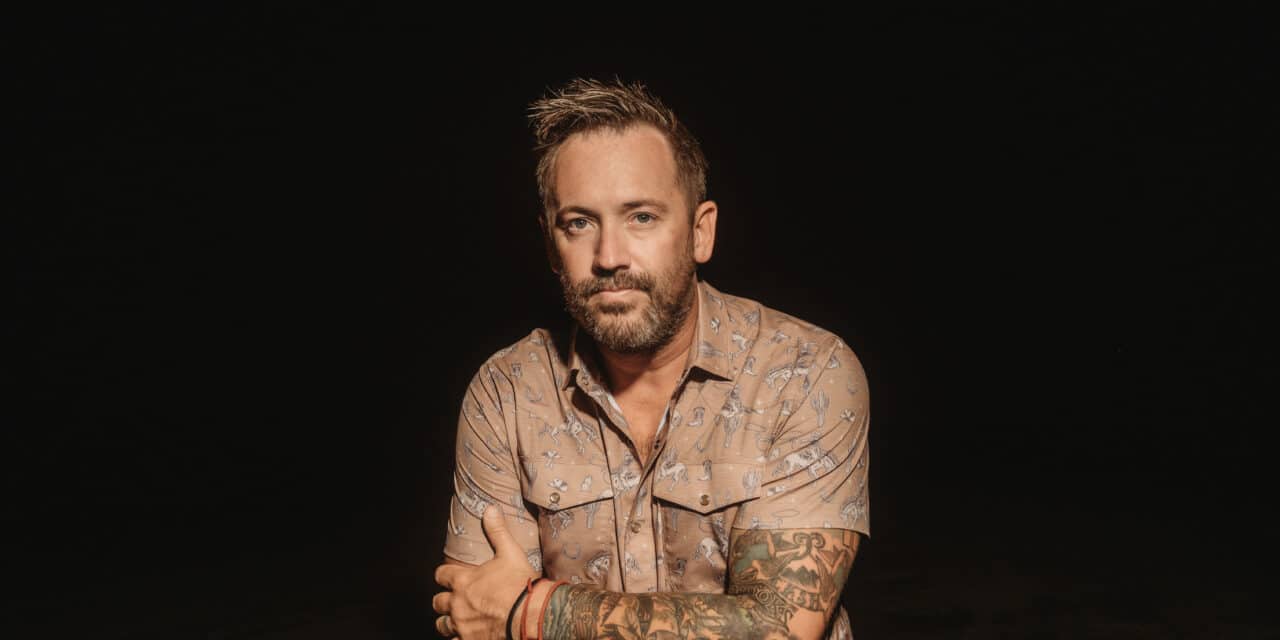
For years, Noah Smith believed he was traveling away from home.
Every new city represented another departure. Another highway. Another unfamiliar stage. Another room filled with strangers whose names he might never remember after the lights came down.
Then something unexpected happened.
The strangers stopped feeling like strangers.
The bars in Denmark, breweries across the American Midwest, clubs throughout Europe, and small venues scattered across the United States slowly transformed into places of recognition rather than distance. Fans became friends. Conversations became traditions. Songs written in solitude returned to him through other people’s lives—through marriages, losses, tattoos, late-night drives, and stories that no longer belonged solely to their author.
That realization became “No Strangers After All,” the title track of Smith’s forthcoming album and, in his words, the closest he has ever come to explaining why he has devoted his life to music. The record is rooted in country, rock, and heartland storytelling, exploring touring, family, faith, resilience, failure, and the quiet labor of building community one conversation at a time.
Rather than constructing a concept album from the outset, Smith arrived at its central idea almost accidentally.
Like many songwriters, he simply followed experience.
Only after most of the songs had been written did he recognize that nearly every story pointed toward the same destination. The album was never really about the road. It was about the people encountered along it.
That distinction changes everything.
Touring is often romanticized as perpetual movement, but No Strangers After All suggests something different: that movement can become belonging. Home may not be a fixed address after all. It may simply be the collection of people who continue appearing, year after year, in the places where songs are shared.
Smith’s perspective has been earned over more than a decade of relentless touring across North America and Europe. Along the way, he has shared stages with artists including Ashley McBryde, Chris Janson, The Steve Miller Band, and Lonestar, while also creating Crooner Circus, a platform dedicated to supporting fellow songwriters and strengthening Cincinnati’s musical community.
His understanding of success has shifted accordingly.
Where larger stages once defined ambition, consistency now matters more. Raising a family while continuing to write songs. Seeing familiar faces return year after year. Watching music become woven into people’s lives rather than simply accumulating streams or headlines.
It is an unusually patient philosophy in an era increasingly shaped by algorithms, attention spans, and viral visibility.
We spoke with Noah Smith about community, songwriting, belonging, and why the greatest destination he ever reached was never a place at all.
“No Strangers After All” feels less like a traditional country album and more like a reflection on the life you’ve built through years of touring. At what point did you realize the record was really about community rather than simply life on the road?
Honestly, probably after I had already written most of it.
I don’t usually sit down with some grand concept for a record. I love records like that, but as a songwriter I’ve always been more interested in observation and experience.
Poetry in motion.
Real life, even if it sounds like a pop song.
I simply write whatever I’m living through.
Somewhere along the way, I realized almost every song pointed back to people—family, friends, fans, and the strangers I’ve met in little towns around the world who no longer feel like strangers.
They’re literally why I’m able to release this music now.
I’ve spent over a decade chasing songs, but what I actually found was community.
That’s what this record became.
The album explores family, faith, resilience, and human connection. Was there one song that became the emotional anchor for the project?
Without a doubt, “No Strangers After All.”
That song came out of nowhere and immediately became the thesis statement for the record.
Once I wrote it, everything else suddenly made sense.
It reminded me that every mile, every late night, every goodbye, and every new hello had been leading somewhere.
That song feels like belonging.
It felt like the answer I’d been looking for.
I also think my fans and I find that same sense of belonging together at the shows.
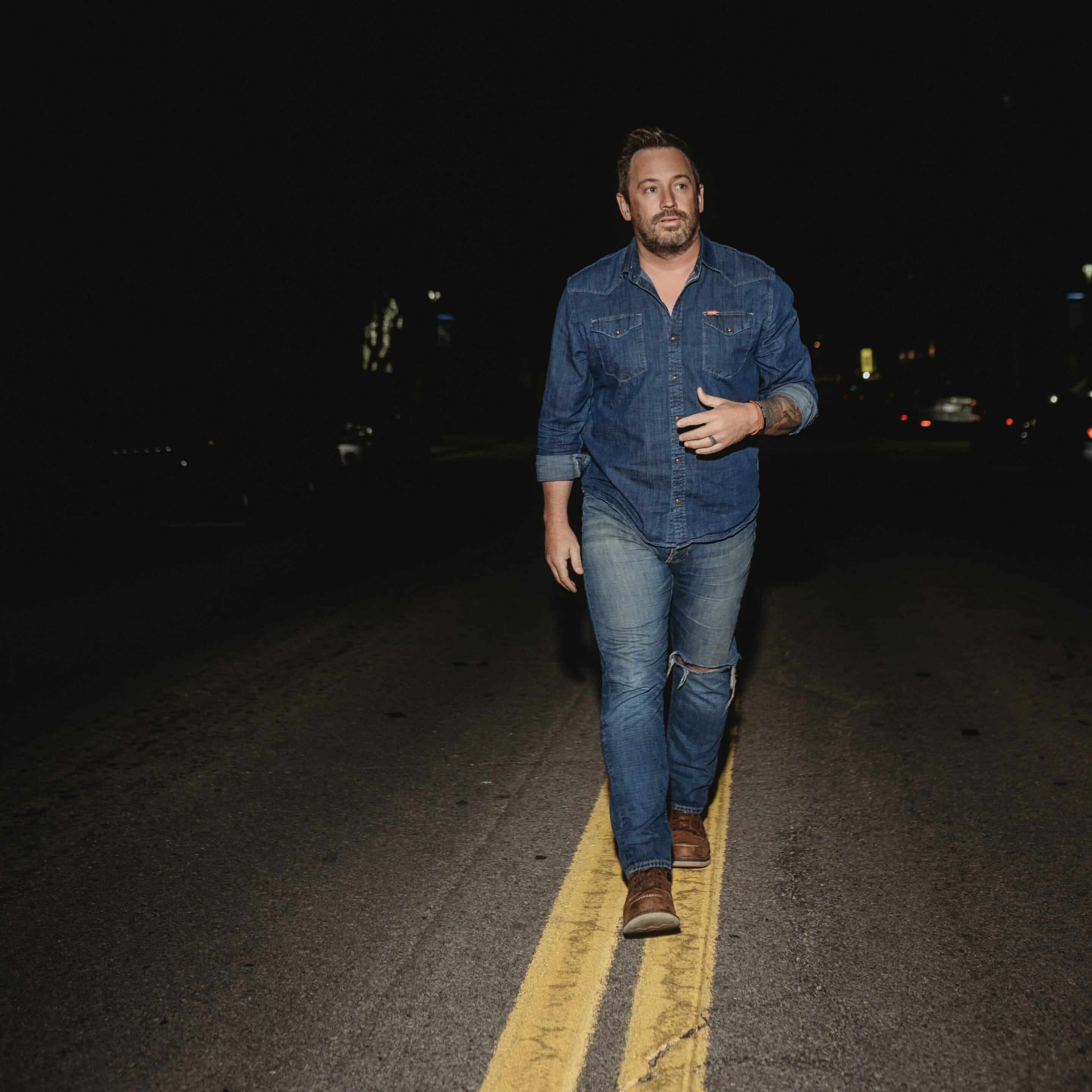
You’ve said that strangers eventually became friends and unfamiliar places started feeling like home. How has touring reshaped your understanding of what home really means?
I used to think home was an address.
Now I think home is the people.
I’ve walked into bars in Denmark, breweries in the Midwest, and venues across America where I knew almost nobody when I arrived.
By the end of the night, it felt like I’d known those people for years.
Music has this incredible ability to shrink the distance between us.
It reminds me that we’re all carrying many of the same hopes, fears, and stories.
That’s probably the greatest gift touring has given me.
Your songwriting blends Americana, country, rock, and heartland storytelling. How do you write songs that are deeply personal while still allowing listeners to recognize themselves inside them?
I’ve found that the more specific I’m willing to be, the more universal the songs become.
If I try to write something everyone can relate to, it usually ends up feeling vague.
But when I tell the truth about my own family, faith, failures, hometown, sin, or hope, it gives someone else permission to see themselves inside the song.
That’s always the goal.
I don’t need people to hear my story.
I hope they hear their own.
You’ve shared stages with artists including Ashley McBryde, Chris Janson, The Steve Miller Band, and Lonestar. What have those experiences taught you?
One thing they all have in common is clarity.
None of those artists is trying to become somebody else.
They know exactly who they are, and they lean into it without apology.
Watching artists at that level reminded me that longevity isn’t about chasing trends.
It’s about building trust with an audience over a long period of time.
That’s something I’ve tried to carry into my own career.
My live show is where everything comes alive.
Beyond your own music, you created Crooner Circus to support other songwriters. Why has building opportunities for other artists always mattered to you?
Because somebody did it for me.
Actually…
That’s not true.
Nobody did it for me.
But I’m grateful for the journey.
My career exists because people believed in me.
I love sharing that belief with other people.
Crooner Circus became my way of paying that forward.
Songwriters spend so much of their lives quietly encouraging one another behind the scenes.
I wanted to build something that celebrated that rather than turning it into competition.
When one songwriter wins, I genuinely believe all of us win.
Your live performances often transform rooms full of strangers into communities. What creates that connection?
I think people can tell when you’re actually present.
I’ve never wanted my shows to feel like a perfectly rehearsed production.
I want them to feel like we’re simply spending time together—from the sidewalk to the stage.
We laugh.
We tell stories.
We sing songs.
We make mistakes.
Somewhere in the middle of all that, people stop feeling like they’re watching a concert and start feeling like they’re part of it.
That’s my favorite part of what I get to do.
Today’s music industry often rewards short attention spans and viral moments. How do you stay committed to writing songs with lasting emotional weight?
I think there’s room for both.
I enjoy making creative videos and finding fun ways to introduce people to songs.
But I never want the marketing to become more important than the music.
Trends come and go.
The songs that changed my life were the ones that told me the truth.
If someone still finds comfort in one of these songs twenty years from now, that’s worth more to me than a viral moment.
After more than a decade of touring, how has your definition of success changed?
When I started, success looked like bigger stages.
Now it looks much more like consistency.
It’s raising my family while continuing to make music.
It’s seeing familiar faces return year after year.
It’s watching songs become part of people’s lives.
I’d still love bigger crowds and bigger opportunities.
But success isn’t simply about how many people know your songs.
It’s about how deeply they matter to the people who do.
When listeners leave one of your shows or finish the album, what do you hope they carry with them?
I hope they leave feeling a little less alone.
The older I get, the more I realize we’re all carrying things nobody else can see.
We’re all looking for belonging.
We’re all trying to figure life out.
If this record reminds someone they’re seen, they’re loved, and that maybe we’re all a little more connected than we realize, then I feel we’ve accomplished exactly what we set out to do.
What makes No Strangers After All compelling is not simply its celebration of community, but its refusal to sentimentalize it.
Belonging is not presented as something people stumble into effortlessly. It is built through repetition: another show, another conversation, another mile, another handshake after the encore. Community is less an accident than a practice.
That philosophy quietly challenges many contemporary ideas about success.
The music industry frequently measures achievement through visibility, scale, and speed. Smith speaks instead about consistency, trust, and depth. Bigger audiences remain welcome, but they are no longer the primary destination. What matters is whether the songs continue accompanying people through the ordinary architecture of their lives.
There is something distinctly American about the landscapes running through these songs—small towns, highways, breweries, family, faith, front porches, late-night drives—but the emotional geography is much broader. Denmark and Cincinnati become equally capable of producing belonging because belonging no longer depends on geography. It depends on recognition.
Music becomes the bridge.
Smith also understands that storytelling works in reverse.
His songs leave him, enter someone else’s life, absorb new meanings, and eventually return carrying experiences he could never have imagined while writing them. The exchange transforms performer and audience into collaborators rather than separate participants.
Perhaps that is why the album’s title feels less like a statement than an invitation.
We often imagine life as a search for the place where we finally belong.
Smith proposes another possibility.
Perhaps belonging was never waiting at the end of the road.
Perhaps it was quietly accumulating in every conversation, every chorus sung together, every unfamiliar room that slowly began to feel like home.
After enough miles, enough songs, and enough shared stories, maybe we really are no strangers after all.