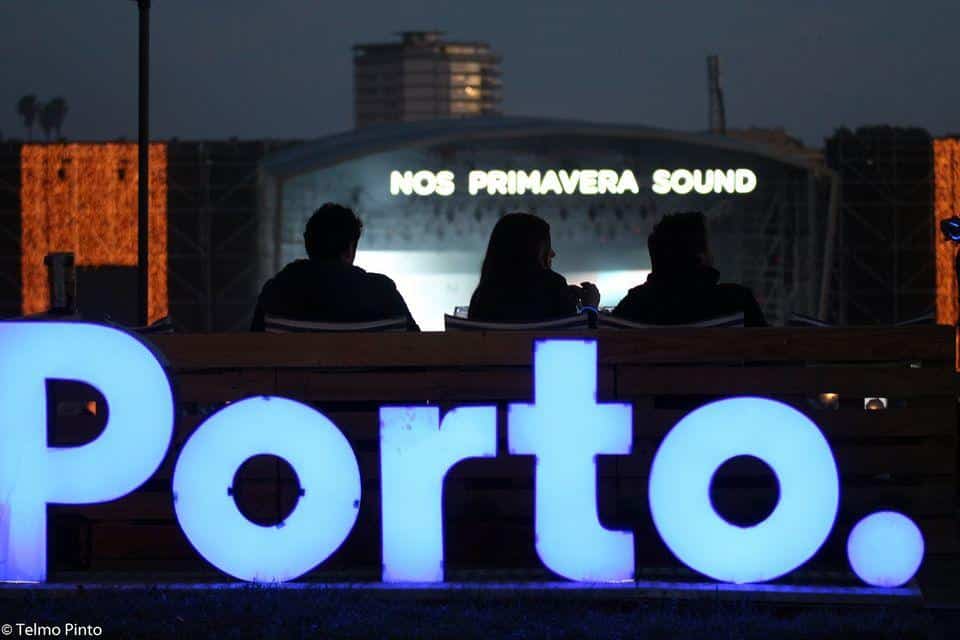


Over the last decade, Primavera Sound Porto has quietly evolved into one of Europe’s most beloved boutique festivals — a place where massive headliners, cult underground acts, and genre-defying newcomers coexist inside the lush green landscape of Porto’s Parque da Cidade.
While its Barcelona counterpart often dominates headlines, Porto has carved out its own identity: more intimate, slower-paced, ocean-breezed, and emotionally immersive. It’s the kind of festival where you can watch Massive Attack under a fading sunset, stumble into an experimental electronic set minutes later, and end the night dancing beneath trees while Atlantic air rolls through the park.
The 2026 edition runs June 11–14 and continues the festival’s reputation for balancing iconic names with cutting-edge curation. (primaverasound.com)
A Lineup Built on Contrast


This year’s lineup reflects exactly why Primavera has remained culturally relevant while many festivals drift toward predictability.
Among the most anticipated names are The xx, Gorillaz, Massive Attack, IDLES, Big Thief, Slowdive, and Peggy Gou — artists spanning trip-hop, indie rock, electronic music, post-punk, dream pop, and experimental pop without ever feeling stylistically forced together. (Porto Secreto)
The festival has always thrived on these collisions. One stage might host emotionally devastating minimalism while another erupts into dance music euphoria. Primavera’s programming understands that modern listeners rarely stay inside one genre anymore.
What makes Porto particularly compelling is scale. Unlike many mega-festivals, there’s still a feeling of discovery rather than exhaustion.
The Atmosphere: Atlantic Air, Trees, and Emotional Chaos


Part of Primavera Porto’s mythology comes from its setting.
Located inside Parque da Cidade do Porto — Portugal’s largest urban park — the festival feels radically different from concrete-heavy festival grounds elsewhere in Europe. Trees separate stages. Ocean air cuts through the humidity. Crowds move slower. People actually sit on grass between sets instead of sprinting from barricade to barricade.
That environment changes the emotional rhythm of the festival itself.
There’s still intensity, but it feels human-scaled. Less performance, more immersion.
And unlike many destination festivals increasingly dominated by influencer aesthetics and hyper-commercial branding, Primavera Porto still feels grounded in music culture first.
Primavera’s Cultural Identity
Primavera has long positioned itself as a festival for listeners rather than algorithms.
Its lineups consistently blur the boundaries between legacy artists, cult favorites, avant-garde experimentation, and emerging acts. That ethos continues in Porto through artists like KNEECAP, Ethel Cain, Amaarae, Water From Your Eyes, and Bad Gyal appearing alongside globally established names. (Porto Secreto)
That balancing act is increasingly rare in festival culture.
Rather than chasing viral moments alone, Primavera still prioritizes curation, atmosphere, and artistic context.
Why Porto Matters Right Now
At a moment when many festivals feel either corporatized or creatively stagnant, Primavera Porto continues to occupy a unique middle ground: internationally massive, but emotionally intimate.
Its appeal isn’t just the lineup — it’s the experience of hearing emotionally expansive music in a city that already feels cinematic on its own.
Porto itself becomes part of the festival’s identity: tiled buildings, Atlantic weather shifts, late-night wine bars, hills collapsing toward the river, and crowds wandering between venues until sunrise.
Primavera Porto doesn’t try to overwhelm you.
It seduces you slowly.