Released on Halloween — a haunting alchemy of pain, power, and transformation
OCTOBER 31, 2025 — Scarlet Nicole doesn’t just write songs; she invokes them. With “Poison,” the Florida-born, Los Angeles-based singer-songwriter unveils her most powerful spell yet — a fierce, cinematic reclamation of strength born from profound betrayal. If her debut single “Cry Baby Cry” was the sound of a wound reopening, “Poison” is the moment it turns to fire.
“I seek out revenge in the form of songwriting,” Scarlet admits. “This song came from a real place — a moment of deep betrayal that forced me to transmute pain into power.” That primal impulse is the heartbeat of “Poison,” a track that emerges like a serpent from the shadows: hypnotic, defiant, and unafraid of its own darkness.
Produced by Derek Coburn (Yeah Yeah Yeahs, Chelsea Wolfe, The Armed), “Poison” is a lush collision of strings, distortion, and ritualistic tension. Coburn’s brooding production wraps around Scarlet’s spellbinding vocals like smoke, building a world where myth and memory collapse into one another. The result feels less like a single and more like a ceremony — an invocation of the divine feminine in its rawest, most chaotic form.
Where “Cry Baby Cry” traced the delicate ache of rebirth, “Poison” arrives as its shadow twin: ruthless, entrancing, and wholly self-possessed. Scarlet steps into the archetype of the hunter, the serpent, the wolf — a woman reclaiming her narrative not with rage alone, but with transformation.
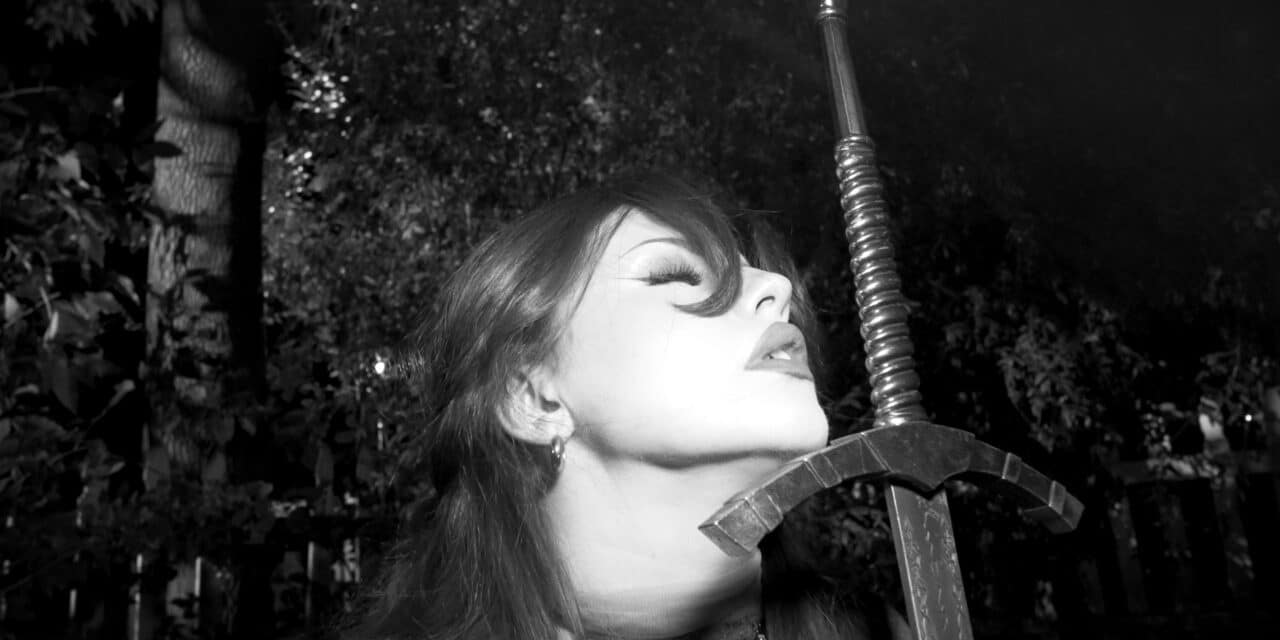
Directed by Evers, the visionary behind her acclaimed debut video, the “Poison” visuals plunge headfirst into the surreal terrain of Scarlet’s inner world. It’s a fever dream of predators and prey, sacred violence and rebirth, where serpents coil, wounds shimmer like gold, and the heroine evolves from caged weakness to empowered force. The imagery echoes tarot, myth, and mysticism — the symbolic language that threads through Scarlet’s body of work.
“Creating the visuals for ‘Poison’ was about exploring Nicole’s call to power through her darker side,” Evers explains. “It’s about how the parts of ourselves once seen as weakness can become our greatest strength.”
At the center of the song lies the mantra Scarlet delivers like an incantation: “I’ll turn your poison into medicine.” It’s both promise and prophecy — a declaration that pain will not define her, but fortify her.
Scarlet’s world is steeped in archetype: the Seven of Swords as betrayal, Lilith as rebellion and rebirth, the serpent as transformation. These symbols don’t just decorate the song — they animate it, invoking a lineage of feminine mythology and shadow work that grounds Scarlet’s art in something timeless.
Influences like Chelsea Wolfe, Mazzy Star, Cocteau Twins, Kate Bush, Massive Attack, and Lana Del Rey flicker around her edges, but Scarlet stands firmly in her own realm — a dark-pop mystic forging her identity between confession and spellcraft.
At just 23, she’s already lived through storms that could have closed her off. Instead, she turns chaos into cinema. Her viral cover of Pink Floyd’s “Great Gig in the Sky,” with 18.7 million views and a repost from the band, launched her into the public eye — but it’s songs like “Poison” that establish her as one of the most formidable emerging artists in the dark-pop and art-rock scene.
With “Poison,” Scarlet Nicole doesn’t simply confront the shadows — she becomes them, wielding them as power, warning, and rebirth. Her voice is both flame and altar, whisper and roar. And as her myth continues to unfold, one thing becomes clear:
Scarlet Nicole is not just making music — she’s making ritual.
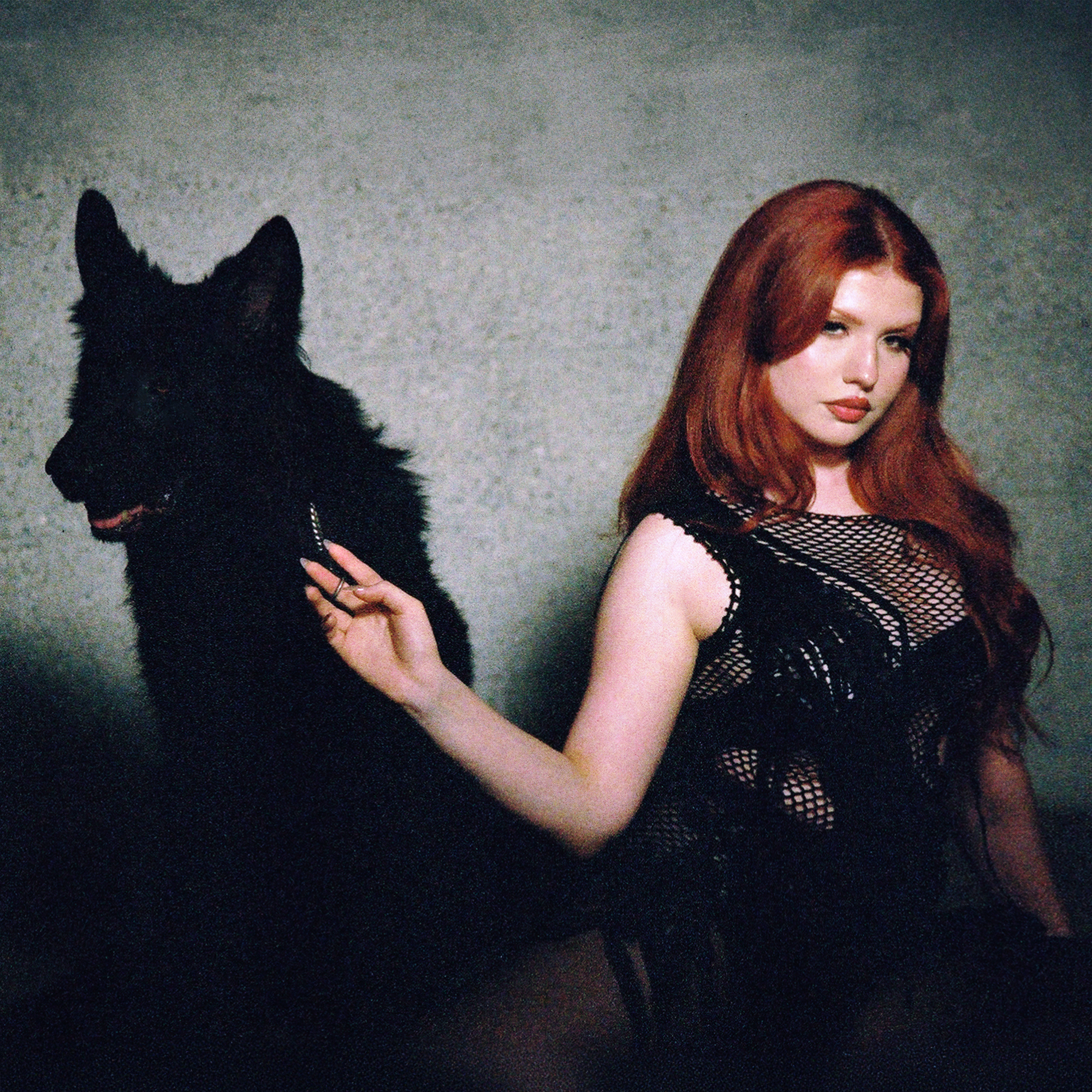
“Poison” feels like both a spell and a confession. When you first began writing it, were you more interested in healing or revenge?
It was one of the first things I had written after coming out of a really frustrating and painful situation where I felt super betrayed. I am unsure exactly what I was looking for, but I felt like I tuned into a bit of both.
You’ve said, “I seek out revenge in the form of songwriting.” What does that alchemy look like for you — turning pain into power without letting bitterness win?
Often, I feel as though there’s a negative connotation about women seeking revenge. It’s really easy to look at a woman speaking truthfully about her experience as being “bitter” or “bitchy”. I think anything involving transmuting your pain and experience into some sort of release, whatever that may look like, is the highest form of power we have as women.
The video explores the duality of hunter and prey — serpent and sheep. How did you and director Evers translate that symbolism into movement and imagery?
I always say, there’s something that comes over me when a camera is on- I sort of black out. Evers has a really amazing way of capturing me and my emotions in the moment. A lot of what we do, is completely off-the-cuff. We get super inspired by our environment when we set out to shoot something. The movement in the cage scene was entirely unplanned, but then ended up being the through line for the video.
Your music draws heavily from tarot, mythology, and mysticism. Which archetypes or cards were guiding you through the creation of “Poison”?
Seven of Swords! I received this card in a reading, and was very inspired by that suit. Seven of Swords is about deceit, betrayal. I had a dream that I was in a garden of swords, and that is one of my favorite moments we built out.
The snake, is a clear one, very commonly used, typically to depict sin and betrayal in culture, but snakes to me, symbolize strength and power as well. I love tapping into things with so many meanings, similar to tarot, where you take what resonates with you and your experience.
There’s an unmistakable cinematic darkness to your sound — echoes of Chelsea Wolfe, Cocteau Twins, even Massive Attack. How do you balance that brooding atmosphere with emotional clarity?
Thank you- a lot of works from those artists have shaped me entirely. For me, “Hiss Spun” is seriously the best album of all time. Same with “Mezzanine”- absolutely perfect.
I am definitely a person who listens for lyrics, and I feel like it’s important to not be afraid to be a little specific. The ‘who, what, and why’ of music has to be there. My favorite is when lyrics are a bit concealed in the production of music and you have to go looking.
“Cry Baby Cry” and “Poison” feel like twin energies — light and shadow, birth and decay. What connects them for you on a deeper, spiritual level?
They are definitely twin energies- and I didn’t even realize until I was done writing them. ‘Cry Baby Cry’ came first, and I feel like it was a little more vulnerable for me, a total emotional release, and maybe more so how my internal self feels. ‘Poison’ feels like the external release, and how I deal in the physical world.
You’ve lived many lives by 23 — carrying trauma, transformation, and rebirth into your art. What does survival look like for you now, in this new chapter?
Survival now feels like existing in my truest self, tapping into who I am when no one is watching me, and doing everything purely for myself.
The lyric “I’ll turn your poison into medicine” feels like a mantra. Has creating this song changed the way you see your own strength or vulnerability?
Yes. I always hear the phrase, “I don’t know how you survived that” a lot from my friends, and I think that describes what this song means to me. I just am the person that extremely chaotic things happen to, but I persevere and I sort of thrive on it.
From a viral Pink Floyd cover to defining your own mythos — what has been the most surprising moment in your artistic evolution so far?
I think there is a sort of expectation, or more what is really popular, is for people to go down the super acoustic, super indie, singer-songwriter vibe, but honestly that has never been my thing. People told me I should really do that, or pure pop or even country (?) music, because of my appearance, I guess. Which has always been a little surprising to me. I always wanted to make something else, that maybe not everyone has to be obsessed with, but I think it’s cool. So, anyone giving it a listen and being open to something new is cool.
If “Poison” is an invocation — a ritual to reclaim your power — what spell are you casting next? What does the next era of Scarlet Nicole sound like?
I’m working on releasing a complete project with producer Derek Coburn, who has created both of these songs with me so far- and I am very excited for the world we’re building.