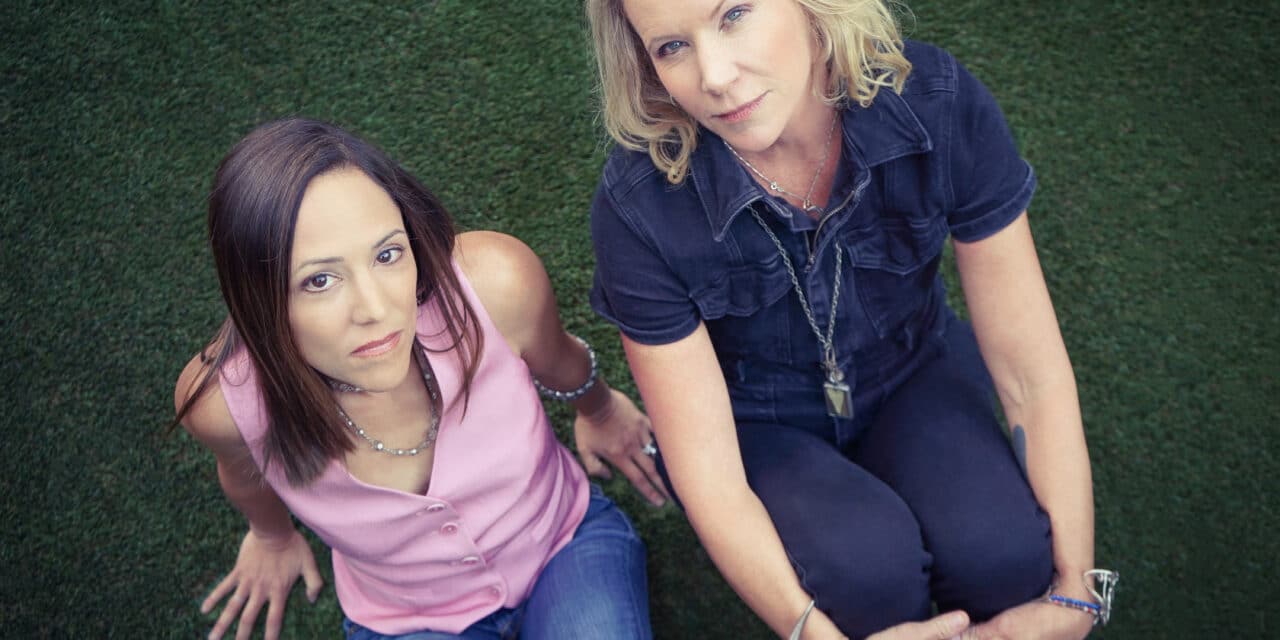
There’s something unmistakably alive about Double Yellow Lines. Not polished, not overworked—alive. On their latest EP, Whiskey Flower trade perfection for presence, capturing a body of work that feels immediate, urgent, and fully inhabited.
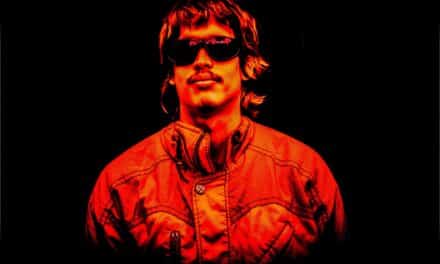
Out March 27 and produced by John Would (best known for his work with Fiona Apple on Fetch the Bolt Cutters), the record was tracked live in Would’s Los Angeles studio. The result is an EP that breathes—where every note carries the weight of performance rather than post-production.
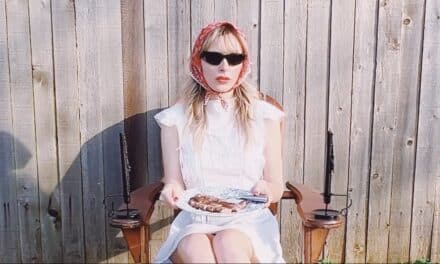
Described as “Americana rock where grit meets grace,” Double Yellow Lines marks a defining chapter for the duo: melodic bassist and harmony architect Holly Lucille and powerhouse vocalist/songwriter Julie Neumark.
Where Grit Meets Grace
At its core, Double Yellow Lines is about stepping into alignment—personally, creatively, and sonically.
Following their earlier releases Righteous Indignation (2023) and Why Not? (2024), Whiskey Flower return sharper, louder, and more self-assured. But this evolution doesn’t come from reinvention—it comes from excavation. These songs live at a deeper fault line, where identity, resilience, and reflection intersect.
Backed by drummer Kristen Gleeson-Prata and layered with John Would’s textured instrumentation—electric guitar, banjo, lap steel—the EP expands their sound without losing its raw core.
Songs That Refuse to Sit Still
Lead single “Stop Stereo” sets the tone immediately.
It’s a queer-freedom anthem that doesn’t ask for space—it takes it. Fueled by Neumark’s percussive guitar and Lucille’s melodic, almost McCartney-esque basslines, the track barrels forward with a punk edge wrapped in Americana fire. Its message is clear: reject the boxes, dismantle the stereotypes, move freely.
The title track, “Double Yellow Lines,” operates differently—less explosive, but just as commanding. Built around hook-driven momentum and gritty textures, it reflects on the patterns we unconsciously follow—and the moment we choose to interrupt them.
Then comes “Truth & Consequence,” one of the EP’s most striking moments. Rather than positioning itself as overt protest, it acts as a pulse check—surveying cultural division with urgency but without dogma. It’s less about choosing sides, more about confronting the fracture itself.
And finally, “Abilene.”
Written as a letter to Neumark’s earlier solo chapter, the track is intimate, reflective, and quietly devastating. What begins as a story about a Texas tour that never happened unfolds into something larger: a meditation on grief, time, self-doubt, and the stubborn belief that the dream is still worth chasing.
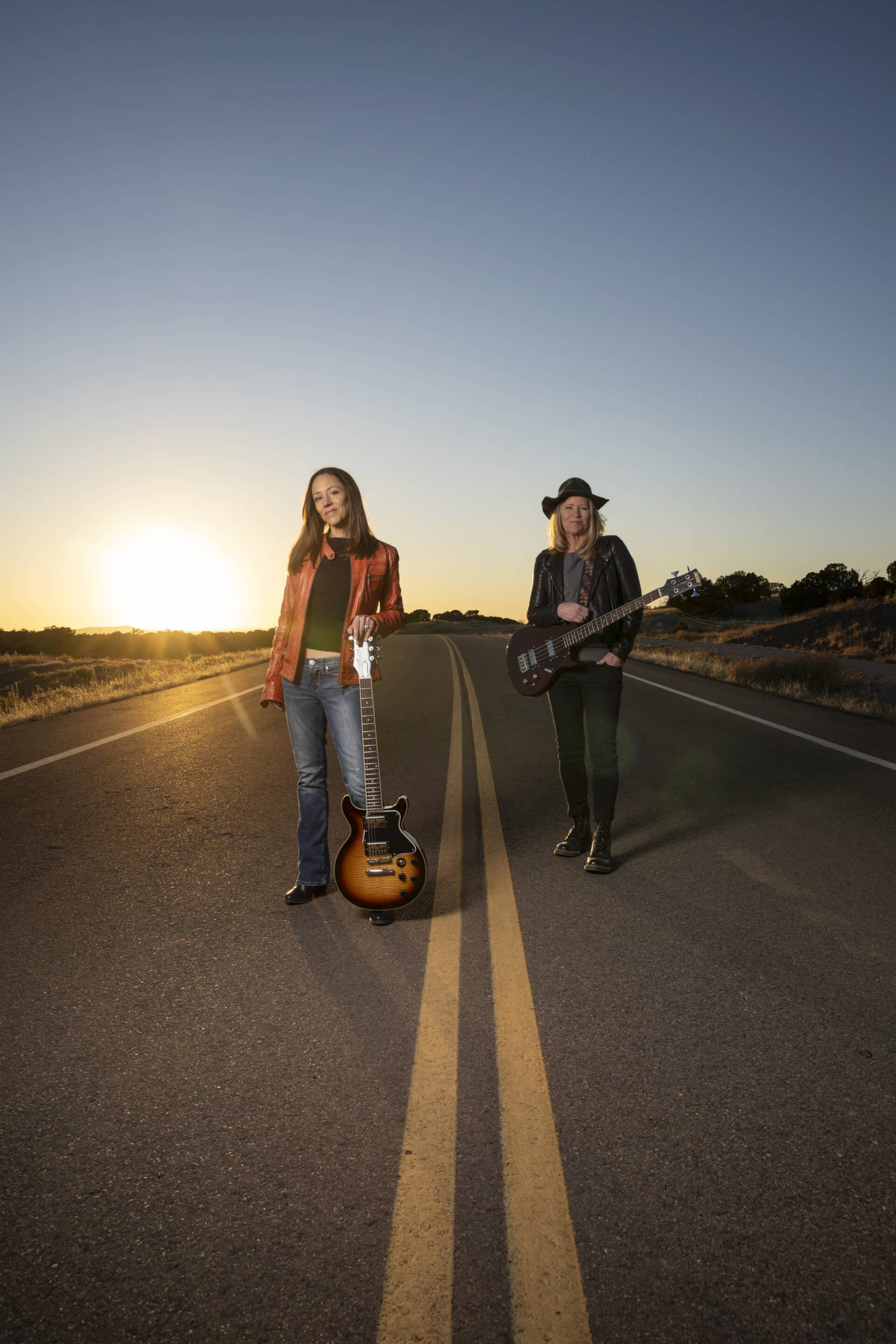
A Band, Not Just a Project
What elevates Double Yellow Lines is its sense of unity.
This isn’t just a collaboration—it’s a fully realized partnership. The chemistry between Lucille and Neumark feels lived-in, shaped by both creative and personal connection. That dynamic translates into songs that feel less constructed and more discovered.
There’s also a wider context shaping the release. In 2025, eight of the duo’s original songs were featured in Season 1 of Middlehood, with “Something Better Than This” submitted for Emmy consideration. That exposure hinted at their range—but Double Yellow Lines solidifies their identity.
The Sound of Arrival
Ultimately, Double Yellow Lines isn’t about chasing a moment—it’s about claiming one.
There’s vulnerability here, but it’s not fragile. There’s power, but it’s not performative. It’s the sound of two artists fully stepping into themselves—loud, tender, and uncontainable.
With this EP, Whiskey Flower don’t just refine their voice.
They amplify it.