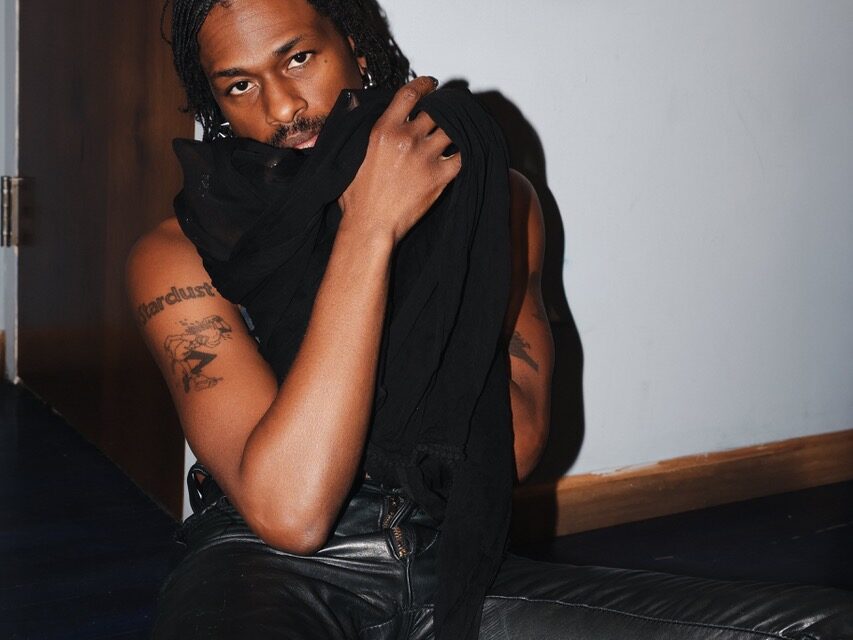
GRAMMY-nominated South Central LA shapeshifter DUCKWRTH is back with “I Wanna Be Your Dog Again,” a sharp, raucous new single that opens his 2026 runway with teeth bared — and a wink in the eye.
Released as the first offering since the milestone run of All American F⭐️ckBoy (which earned a 2026 GRAMMY nomination for Best Immersive Audio Album), “I Wanna Be Your Dog Again” doesn’t continue the same conversation so much as flip it inside out.
Where All American F⭐️ckBoy dissected ego and masculinity with cinematic precision, this new track leans into something that feels almost more unsettling: devotion — the kind that can read like surrender if you don’t look closely enough.
Built around a hypnotic hook — “Living just to please you, that’s the simple life” — the song reframes loyalty not as weakness, but as an intentional, self-aware choice. It’s playful, uncomfortable, and weirdly tender: romantic commitment as performance art, landing somewhere between satire and self-exposure. The joke hits — until it doesn’t.
The accompanying visualiser amplifies that tension, staging a stylish clash of absurdism and performance across gritty-yet-glamorous spaces. Duckwrth moves through understated, real-world moments with an almost uncomfortably attentive focus — emotionally submissive, devoted, and fully conscious of how ridiculous love can look when you’re in it.
“This one is about devotion,” Duckwrth says. “I’ve talked about ego a lot — this felt like flipping it inside out. Being in love can make you feel feral and sometimes that looks ridiculous. But there’s something powerful about choosing to love like that. I don’t want to make it pretty. I just wanted to emote honestly.”
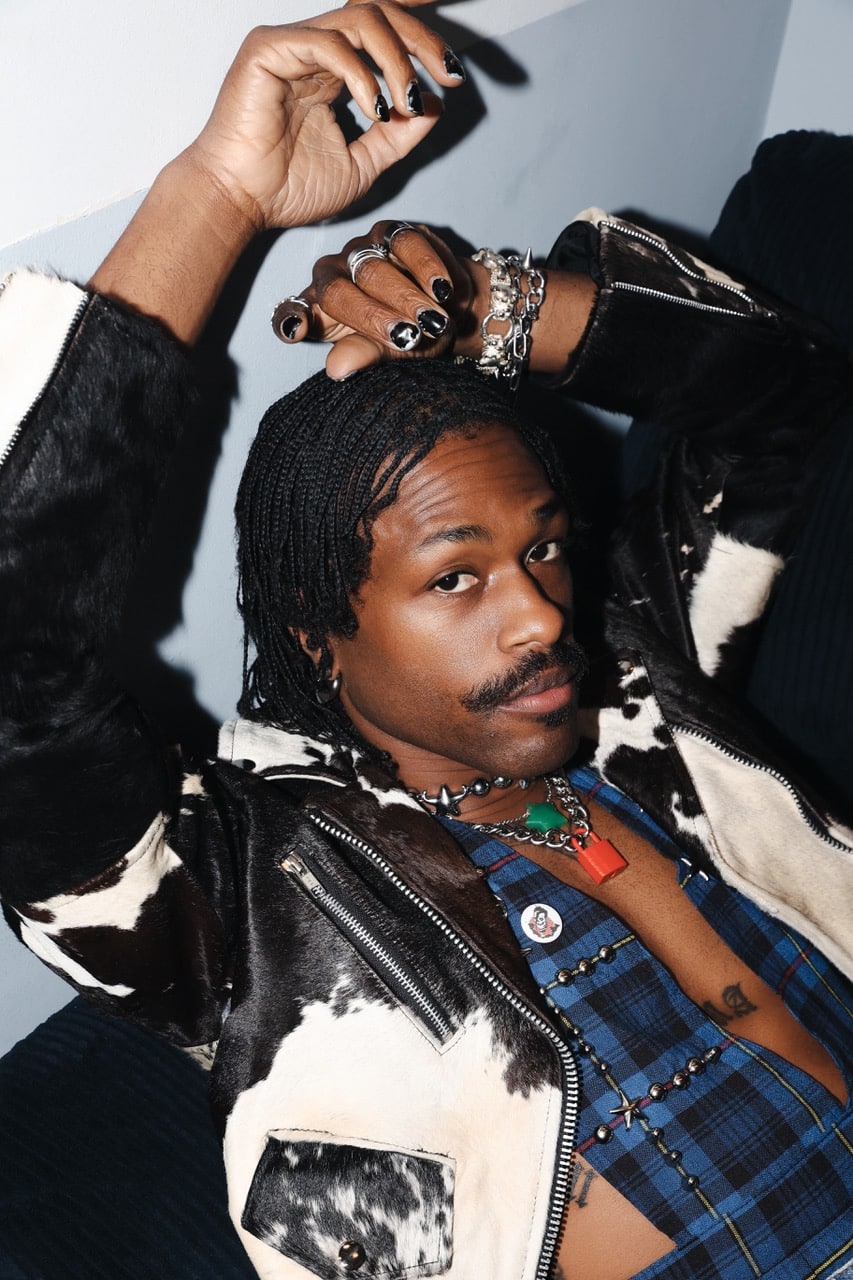
Importantly, “I Wanna Be Your Dog Again” is also positioned as the entry point into F⭐️ckboy B-Sides, a forthcoming collection described as expanding the sonic and emotional universe of All American F⭐️ckBoy — not retreating from its ambition, but mutating it.
With the new single out now, Duckwrth’s 2026 doesn’t read like a victory lap — it reads like a provocation: what happens when the same artist who anatomised the ego decides to romanticise surrender, then interrogate it in public?