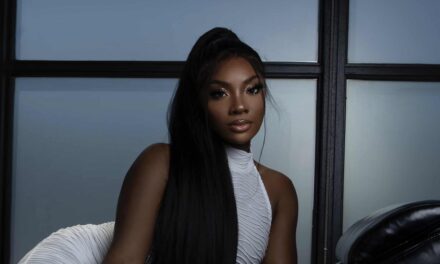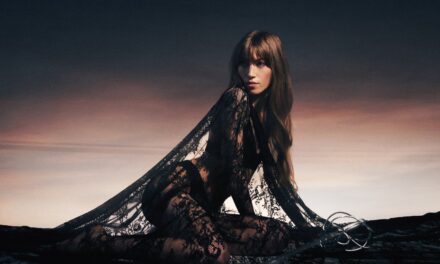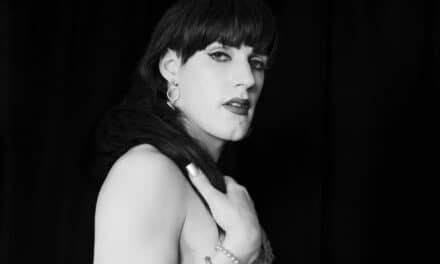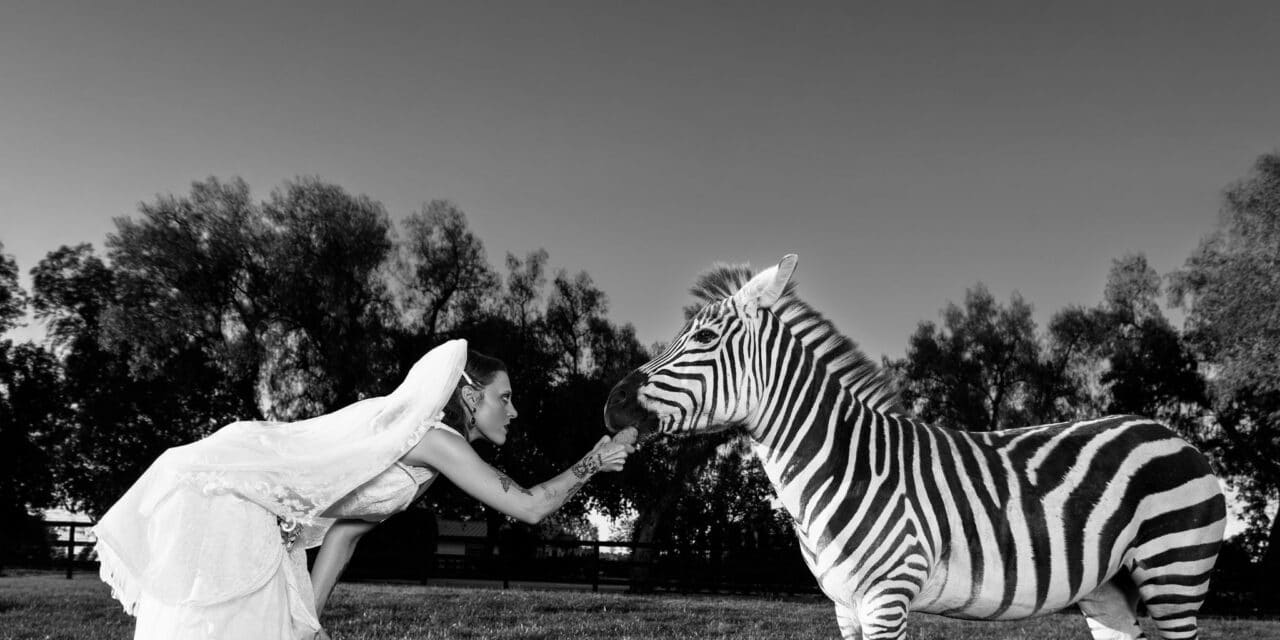
Photo Credit: Lindsey Byrnes
With “P*rn In The USA,” Los Angeles artist Magdalene delivers a viciously sharp critique of celebrity culture, female visibility, and America’s appetite for destruction. Equal parts satirical pop spectacle and psychological horror, the single transforms tabloid cruelty into something theatrical, grotesque, and strangely intimate — exposing the impossible standards imposed on women while questioning why audiences continue to participate in the cycle.
Co-produced by Slushpuppy and Dylan Harrison, the track pushes Magdalene further into the role she seems born to occupy: a provocative, culturally disruptive pop figure in the lineage of Madonna and Lady Gaga, but filtered through punk grime, desert surrealism, and underground theatrics.
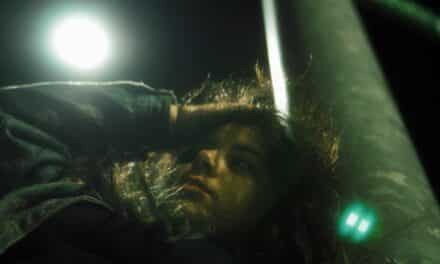
The accompanying Hitchcock-inspired visual turns those ideas into a fever dream of purity, obsession, and collapse, with Magdalene embodying both the “perfect woman” and the monstrous force consuming her.
We spoke with Magdalene about fame as sacrifice, influencer culture, New Mexico’s haunting influence on her identity, why Hollywood rewards cruelty, and how she plans to weaponize pop music against itself.
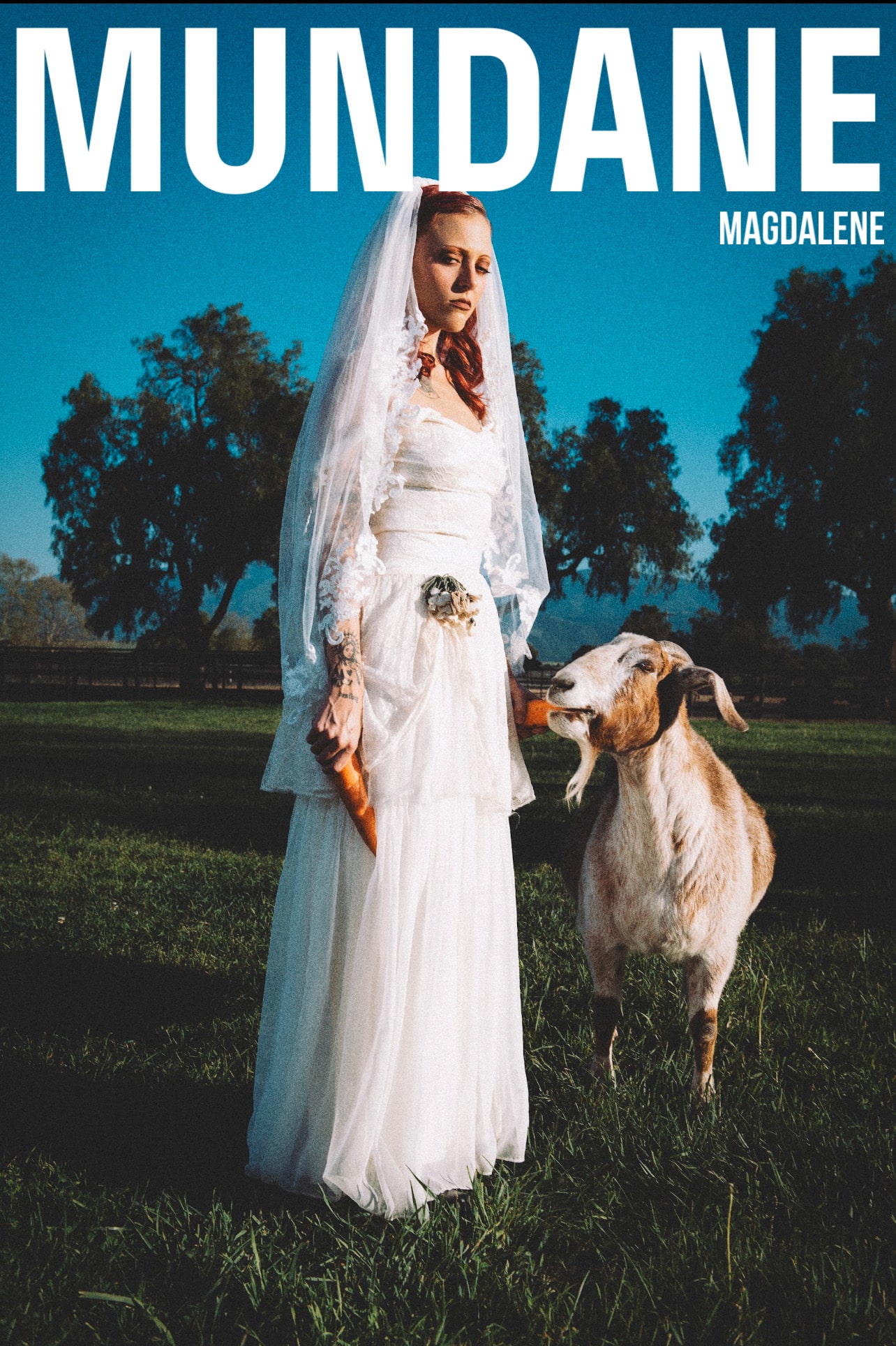
Photo credit Lindsey Byrnes
Q: “P*rn In The USA” is provocative on the surface, but underneath it’s really about cruelty, celebrity culture, and impossible standards for women. What made you want to tackle those ideas so directly?
Magdalene:
I think with this project, I really have the desire to play a similar role in pop culture that people I loved growing up did — like Madonna and Gaga. They were polarizing, they started conversations, and they pushed culture forward.
That’s my main goal as an artist. I think the world is lacking artists like that a little bit right now, honestly. So a lot of this project has become very American social-commentary-driven.
At first glance, the song is obviously about being a woman in Hollywood, but honestly I think it applies to all women. We’re held to these psychotic standards and expected to meet them, and then when women start altering themselves to fit those expectations, they get crucified for it.
Q: There’s a line between fascination and cruelty in how America consumes celebrity culture. Where do you think that obsession comes from?
Magdalene:
America is addicted to cruelty. That was one of the core ideas behind the song — celebrity culture is basically porn to America.
People love lifting women up just so they can tear them apart later. You see it happen over and over again. We’re literally watching it happen in real time with female pop stars right now.
Meanwhile, men can do genuinely horrific things and continue selling out arenas. The imbalance is insane.
I think a lot of people project their own self-hatred onto female celebrities. There’s something deeply parasocial and unhealthy about it.
Q: Do you think social media has intensified that obsession with fame?
Magdalene:
Absolutely. Growing up in New Mexico, becoming famous didn’t even feel like a real possibility. Now every kid on the internet thinks they could go viral overnight.
There’s this obsession now with recognition itself — not contributing something meaningful, not making art, just being famous. Influencer culture is so bizarre to me.
And because social media gives people this illusion of closeness to celebrities, people think they know these artists personally when really they’re still seeing something extremely curated.
Q: You’re clearly critical of fame culture, yet you’re also actively stepping into the spotlight. How do you stay authentic while navigating that contradiction?
Magdalene:
I think of fame as the sacrifice you make in order to have a successful music career. Fame itself is honestly ugly. Sure, there are glamorous perks, but at its core it’s isolating and nasty.
So I try to focus on what success actually means to me, and it has nothing to do with numbers. I feel successful when I’m starting meaningful conversations.
If I’m going to pursue a platform like this, I better be using it for something. I’d rather be someone who pisses people off and contributes something meaningful than someone who just exists for consumption.
Q: Your work feels rooted in contradiction — glamorous but dirty, theatrical but abrasive. Where does that visual language come from?
Magdalene:
I was a musical theater kid, so I’ve always loved that Bob Fosse world — Cabaret, Chicago, all that slinky, dirty glamour.
At the same time, I came up in punk and DIY underground scenes. So my project lives somewhere between musical theater and punk culture.
I love juxtaposition. For the “P*rn In The USA” video, we pulled inspiration from things like The Sound of Music, Little House on the Prairie, Mary Poppins — these symbols of purity — and then twisted them into Hitchcock-style horror.
I love beautiful clothes covered in mud. Makeup smeared across someone’s face. High fashion colliding with chaos. I want my performances to feel huge and theatrical but also slightly unhinged.
Q: Your New Mexican roots seem deeply embedded in your identity as an artist. How did growing up there shape you creatively?
Magdalene:
New Mexico is a really heavy place spiritually. It’s beautiful, but there’s a lot of tragedy there too. There’s poverty, there’s history, there’s this palpable weight in the land itself.
Growing up in the desert changes your relationship with the world. Weird things happen in the desert. Humans almost feel temporary there.
That landscape is completely intertwined with my project. The desert feels like part of who I am.
Q: You’ve spoken about how difficult the music industry can be. How are you approaching your place within it now?
Magdalene:
Honestly, I used to desperately want industry validation. In my early twenties I just wanted to be noticed.
Now I’m at a point where I’m like: prove yourselves to me.
Labels are just groups of people at the end of the day. Either I connect with them or I don’t. I’m very upfront about the kind of artist I am, the kind of control I want, and the kind of work I’m trying to make. Whoever’s down is down.
The industry is also in a really strange place right now. TikTok changed everything. A&Rs don’t even function the way they used to anymore. Producers and algorithms have basically become the new gatekeepers.
Q: Musically, where does the upcoming album sit compared to “P*rn In The USA” and “DJesus”?
Magdalene:
“P*rn In The USA” definitely represents the themes of the album — the social commentary, the storytelling, all of that.
But musically, the album actually leans much more rock than people might expect. It’s still pop, but there’s a very rock-star energy to it.
It honestly feels like a play about my life. Like a theatrical production that ends with me becoming Magdalene instead of beginning there.
Q: You often reference Madonna and Gaga as inspirations. What did they represent to you growing up?
Magdalene:
They represented women who actually changed culture.
Madonna was getting threatened with arrest over performances. Gaga completely disrupted what pop music could look like. They weren’t afraid of backlash.
That’s the kind of artist I aspire to be — someone willing to take hits publicly in order to say something meaningful.
Q: You already sound like you’re thinking beyond this album. What’s pulling you creatively toward the next chapter?
Magdalene:
I’ve already started thinking about it a little. I always get excited about the next thing before the current thing is even fully out.
But every project ends up becoming bigger and stranger than I originally imagined. I can never fully predict where it’s going to go.
I just know I want to keep making things that feel fearless, theatrical, emotional, and culturally disruptive.