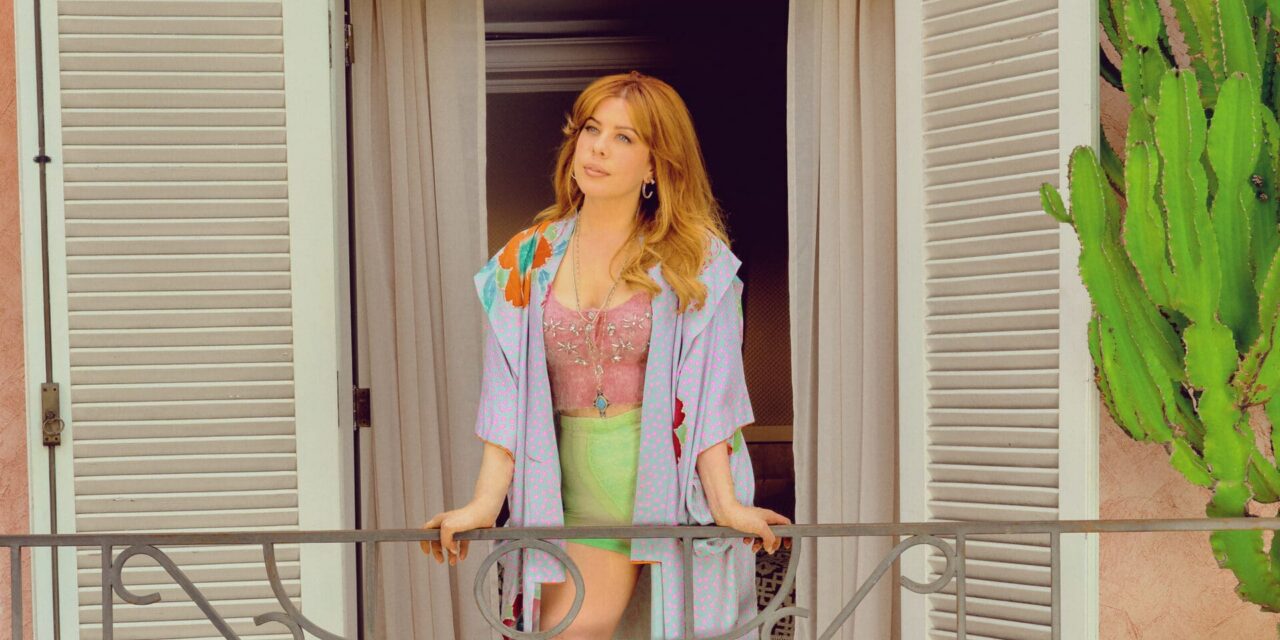
There is a particular kind of honesty that defines great Americana music. It doesn’t run from heartbreak or try to disguise grief behind polished narratives. Instead, it sits with discomfort long enough to uncover something deeper. That spirit runs through Kady Zadora’s debut record “Stranger” a collection of songs born from loss, self-discovery, and the slow process of rebuilding after a life-changing relationship ended. Based in Los Angeles but deeply connected to the storytelling traditions of Nashville and Americana music, Kady Zadora has crafted a record that transforms personal devastation into something unexpectedly beautiful.
Recorded live with a full band, “Stranger” captures an authenticity that feels increasingly rare. Rather than relying on heavily layered production, Kady Zadora and her collaborators chose to preserve the energy of musicians performing together in real time, allowing every song to breathe naturally. The result is a record filled with warmth, vulnerability, and the kind of emotional depth that only comes from lived experience.

What makes the album particularly compelling is its emotional evolution. Songs like “Stranger” emerged from the darkest stages of heartbreak, while later compositions such as “Malibu” reveal a songwriter beginning to find clarity after the storm. Listening from beginning to end feels like tracing the arc of healing itself.
As Kady Zadora explains throughout our conversation, sadness isn’t something to avoid—it’s often the pathway to joy. That philosophy sits at the heart of her songwriting and helps explain why her music resonates so deeply. Rather than offering easy answers, these songs embrace complexity, balancing sorrow with hope, nostalgia with forward momentum.
With a second album already completed and a third beginning to take shape, Kady Zadora is proving that her debut is only the beginning of a much larger artistic journey.
Q: You’re based in Los Angeles, but your music draws heavily from Americana and country traditions. How does living in LA influence the way you approach that style of songwriting?
Kady Zadora:
I joke that I live near Malibu, which is basically the country. California is a desert, and I think that perspective naturally finds its way into my music. I’ve always approached the genre a little differently and tried to think outside the box. I’ve also spent a lot of time in Nashville, which I love. There’s a coziness to Americana and country music that feels like home to me. At the end of the day, these songs are stories that come from a broken place, and that’s always connected me to the genre.
Q: There seems to be a recurring theme of sadness throughout your work, but it’s never hopeless. How do you view that relationship?
For me, sadness is actually part of becoming happy again. If I’m feeling something deeply, I need to let it out. I need to cry it out and move through it. A lot of the songs I love aren’t necessarily happy songs. Even when they’re sad, they offer some kind of release or understanding. That’s where the joy comes from.
Q: What was the first song that sparked the creation of this album?
The first song we wrote was “Somebody Else.” I was in Texas working with Remsy and going through what would eventually become a breakup, although I didn’t fully realize it yet. There was this feeling that something was ending. That song became the catalyst. Later came “Keep the Fire,” and eventually songs like “Stranger” and “I Don’t Want to Dream” once the real heartbreak settled in.
Q: “Malibu” feels emotionally different from some of the darker songs on the record. Why?
Because it was one of the last songs we wrote. By then, almost two years had passed. I’d gone through a lot of grief and questioning, but I was also in a healthier place. The further away you get from an experience, the more perspective you gain. Naturally, the songs start to feel different because you’re writing from a different emotional place.
Q: Looking back now, how do you feel when you listen to the completed album?
I’m incredibly proud of it. We recently had vinyl made, and listening back was emotional. What amazes me is that something so painful could become something so beautiful. Even the saddest songs now bring me joy because of what they represent and because of all the people who helped create them.
Q: The record feels very raw and authentic. Was recording live with the band an intentional choice?
It was actually something new for me. I’d previously worked in more traditional studio environments where tracks were built piece by piece. But when we went into the studio, the idea was to have everyone playing together while I sang live. It was intimidating, but it captured an energy that you just can’t recreate any other way. Now that I’ve done it, I don’t think I could ever go back.
Q: How did you approach the visual side of the project?
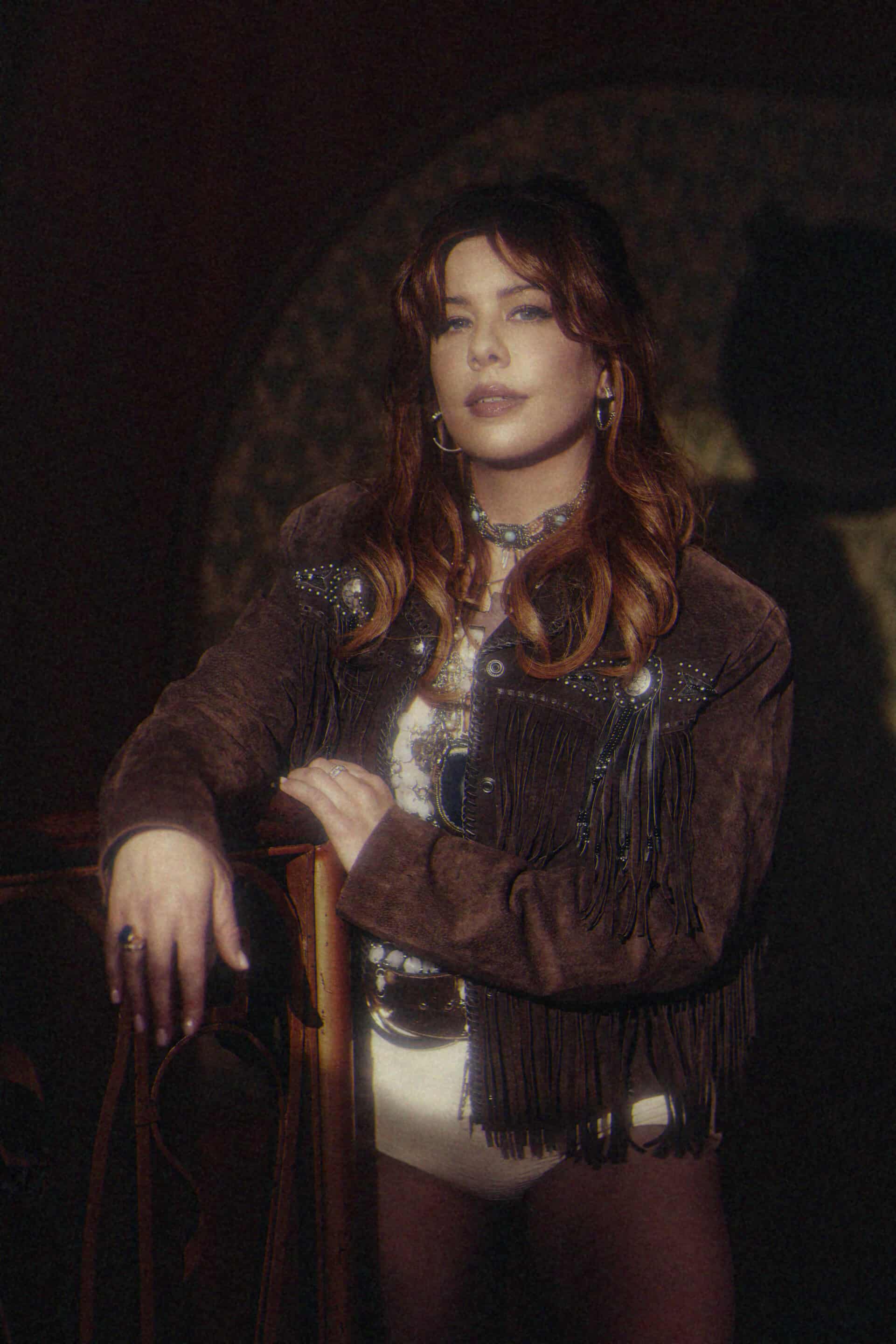
Honestly, that’s always the hardest part for me. I wanted the music to remain the focus. I wasn’t interested in oversharing or building a persona around social media. I wanted everything to feel more atmospheric and ethereal, something that complemented the songs rather than distracting from them. It took a lot of work, but I think we found something that truly matches the music.
Q: Which artists have inspired you most?
It’s always changing. Kacey Musgraves was a big influence for me. Jason Isbell was another huge one when I started spending more time in Nashville. I also love older artists like Patsy Cline, Sarah Vaughan, and Johnny Hartman. Lately I’ve been listening to a lot of John Prine. I tend to jump around a lot, so my influences are always evolving.
Q: You’ve already finished another album. How does the next chapter differ from this one?
The first record is very much about one heartbreak and one story. The second album is about what happens afterward. Once you’ve healed and moved forward, you’re left asking yourself: “Now what?” It’s about figuring out who you are when the pain is gone and finding new sources of inspiration. In some ways, that was even harder to write about.
Q: What comes next?
We’re looking at touring, playing shows, and letting this album have its moment. At the same time, we’re already working on the next chapter. That’s the life of an artist—you always have to be thinking one step ahead while still appreciating where you are right now.
Kady’s debut isn’t simply a breakup record—it’s a testament to resilience, transformation, and the strange beauty that can emerge from life’s most painful chapters. By embracing vulnerability rather than hiding from it, she’s created a body of work that feels timeless, deeply human, and unmistakably her own.