Some heartbreak arrives as a clean ending. Other forms remain suspended, changing shape long after the relationship itself has disappeared.
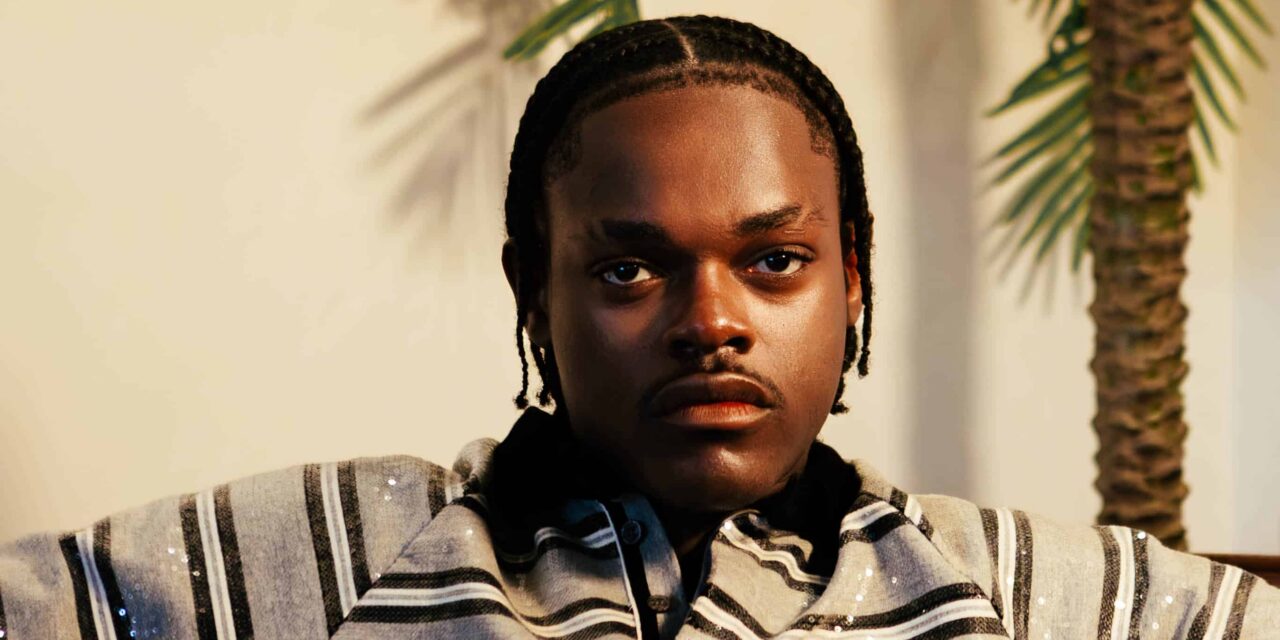
On Tampered Hearts (Deluxe), rising artist SAÍ explores the latter: the emotional residue of intimacy, the instinct to withdraw from the people we want closest, and the ways love can alter our understanding of ourselves before we have the language to explain what happened.
Arriving sixteen months after the original project, the expanded edition introduces six new tracks and deepens the world SAÍ first created through songs rooted in attachment, self-sabotage, longing, ego, and emotional distance. Standouts including “Give Me Up,” “Fairytale,” and “Ghost In A Shell” feel cinematic without becoming overstated, balancing atmospheric production with writing that trusts silence as much as confession.
The project exists at the intersection of Afro R&B, alternative pop, ambient textures, and emotionally direct songwriting. Yet SAÍ resists framing that mixture as a deliberate attempt to occupy multiple genres. His influences were never separated so neatly. Growing up in Abuja, living in London, and studying in Durham exposed him to shifting cultures, emotional environments, and musical languages that naturally began to coexist in his work.
That movement is central to Tampered Hearts. The songs feel globally informed but internally focused, tracing the private consequences of relationships through a perspective shaped by displacement, reinvention, and the experience of repeatedly seeing oneself from a new angle.
When SAÍ first created the project, he was still living inside the emotions he was documenting. The original album captured pain before it had become perspective. With the deluxe, he is no longer merely recording what happened. He is beginning to understand how those experiences shaped the person and artist he is still becoming.
Rather than presenting love through the familiar extremes of romanticized toxicity or performative detachment, SAÍ writes from the uncomfortable space between them. He does not cast himself exclusively as the wounded party, nor does he pretend that emotional distance is a form of strength. His music recognizes that people can crave intimacy and resist it simultaneously—that they can hurt others while trying to protect themselves.
The result is less a collection of traditional breakup songs than a coming-of-age document about learning oneself through emotional damage.
We spoke with SAÍ about vulnerability, restraint, self-sabotage, cultural movement, and why Tampered Hearts now feels less like an ending than an origin story.
Tampered Hearts feels intensely personal, almost like reading pages from a private journal. Was it difficult to be that emotionally transparent in your music?
I think it was difficult at first because when you’re writing from a real place, you can’t really hide behind aesthetics or performance.
A lot of the songs came from moments when I didn’t feel like I fully understood myself yet, so putting those emotions into music almost felt more exposing than telling somebody directly.
Over time, I realized that honesty was the point.
I didn’t want Tampered Hearts to sound emotionally polished. I wanted it to feel like somebody trying to process things in real time.
That’s why some moments feel messy or conflicted, because that’s what heartbreak actually looks like.
Across the project, there is a recurring tension between craving intimacy and pushing people away. Why has self-sabotage become such a defining emotional theme for this generation?
I think a lot of people want love but become afraid when it asks them to be vulnerable.
For me, much of Tampered Hearts came from wanting somebody deeply but not always knowing how to handle how much they meant to me.
When something feels that intense, you begin protecting yourself before anything has even gone wrong. You overthink, pull away, pretend you’re fine, or make choices that create distance, even though closeness was what you wanted in the first place.
I think that’s why self-sabotage feels so generational.
We’re emotionally aware enough to know we’re hurt, but we aren’t always healed enough to stop repeating the same patterns.
Tampered Hearts lives inside that contradiction: wanting to be loved properly while sometimes being the reason that love becomes difficult.
You initially described the deluxe edition as a “closing chapter.” Did revisiting these emotions help you understand yourself differently than when you wrote the original project?
Definitely.
When I first made Tampered Hearts, I was still living inside everything I was writing about. The emotions felt immediate, unresolved, and heavier than I even understood at the time.
Revisiting it now feels less like closing a chapter and more like looking back at the beginning of who I became, both emotionally and creatively.
That’s why I struggle to fully see it as an ending. It feels more like my origin story—almost a coming-of-age tragedy.
The deluxe made me realize that the project was never only about one relationship or one person. It was documenting how I experienced love at that age: attachment, obsession, validation, ego, fear of abandonment—all of it.
A lot of the pain came from somebody learning about himself through heartbreak in real time.
When I revisit it now, I don’t feel disconnected from that version of myself. I actually understand him more. I can see how those experiences shaped the way I love, create, and even view myself today.
Instead of burying that era, it feels like I’m finally understanding what that period of my life was and why it became the foundation for so much of the music—and the person—I’m still becoming.
Your sound blends Afro R&B, alternative pop, and emotionally raw songwriting while remaining intimate and globally minded. How important is it for you to exist outside traditional genre expectations?
It’s very important because I never experienced music through strict genres while growing up.
Everything blended together naturally. One day it might be Afro-inspired rhythms, then alternative pop, R&B, ambient music, or rap. Emotionally, it all connected with me in the same way.
When I create, I don’t think, “This needs to sound like one particular scene.”
I care more about whether the emotion feels real.
Staying outside rigid genre expectations allows me to create music that feels more human and less calculated.
Songs including “Give Me Up,” “Fairytale,” and “Ghost In A Shell” feel cinematic and emotionally heavy without becoming melodramatic. How do you balance vulnerability with restraint?
I think restraint comes from not over-explaining emotions.
Some of the saddest feelings are actually very quiet.
I like leaving space in songs where listeners can project their own experiences rather than having every detail spelled out for them.
A lot of the time, I’ll remove lines that feel too emotionally performative because real pain usually isn’t dramatic twenty-four hours a day.
It’s often more numb, repetitive, obsessive, or reflective.
I think the cinematic feeling comes from the atmosphere, while the restraint comes from trusting subtlety.

Your perspective has been shaped by Abuja, London, and Durham. How has moving between different cultures and environments influenced your creative identity?
I wouldn’t really describe myself as being based in Newcastle.
I’m originally from Abuja, I live in London, and I study in Durham, so my perspective comes from moving between very different environments, both culturally and emotionally.
That naturally shaped the way I create.
Abuja gave me my cultural foundation. London exposed me to many different sounds and identities at once. Durham gave me the space to reflect and actually process things creatively.
Because of that, I’ve never felt tied to one genre, scene, or musical perspective.
My influences come from many different places, so the music ends up feeling globally influenced while remaining emotionally personal.
Moving between those environments changes the way you see relationships, loneliness, ambition, and even yourself. All of that finds its way into the music, whether intentionally or not.
Many modern love songs either romanticize toxicity or detach from emotion entirely. Your music occupies a more reflective, conflicted, and self-aware space. Was that intentional?
Yes, because I never wanted to present myself as purely the victim or as completely detached.
Real relationships are more uncomfortable than that.
Sometimes you hurt people while hurting yourself at the same time. Sometimes you know something is unhealthy and still miss it anyway.
I wanted the music to acknowledge those contradictions honestly rather than simplifying them into something that is either “toxic but aesthetic” or emotionally numb.
The self-awareness matters to me because I think accountability makes vulnerability more believable.
There is a softness to your music that feels refreshing at a time when emotional detachment is often treated as cool. Do you think audiences are craving more honesty from artists?
I do.
I think people are exhausted by performances of perfection.
Even online, everybody is constantly curating themselves, so when someone is emotionally honest without trying too hard to package that honesty, people connect with it immediately.
I don’t think audiences necessarily want sadness. I think they want sincerity.
They want music that feels lived in.
Softness feels powerful now because so much of culture rewards emotional distance instead.
The title Tampered Hearts suggests damage, interference, and emotional contamination. What does that phrase mean to you now?
To me, it represents the way people change each other emotionally, whether intentionally or unintentionally.
Sometimes love leaves fingerprints on you that remain long after the relationship itself has ended.
“Tampered” isn’t only about being hurt. It’s about being altered.
The project documents what it feels like when your understanding of love, trust, intimacy, and even yourself becomes distorted through experience.
At first, I saw the deluxe as a closing chapter, but now it feels more like the beginning of something new.
It isn’t about erasing what happened. It’s about understanding it, accepting how it changed me, and moving forward with that version of myself.
The title feels less tragic to me now and more honest.
Everybody leaves relationships changed in some way. The difference is whether you allow that change to trap you or let it become the beginning of who you are next.
As you move beyond this era, what is SAÍ stepping into creatively and emotionally that listeners have not fully seen yet?
I think people are going to see a version of me that is less focused on documenting heartbreak directly and more interested in identity, ego, desire, escapism, self-destruction, confidence, and contradiction.
Tampered Hearts was very emotionally exposed.
What comes next still contains honesty, but it will be expressed differently.
There is more sonic experimentation, more tension between vulnerability and performance, and more ambition.
Listeners have seen me process pain, but they haven’t fully seen what happens after someone begins embracing every complicated part of themselves instead of trying to fix it.
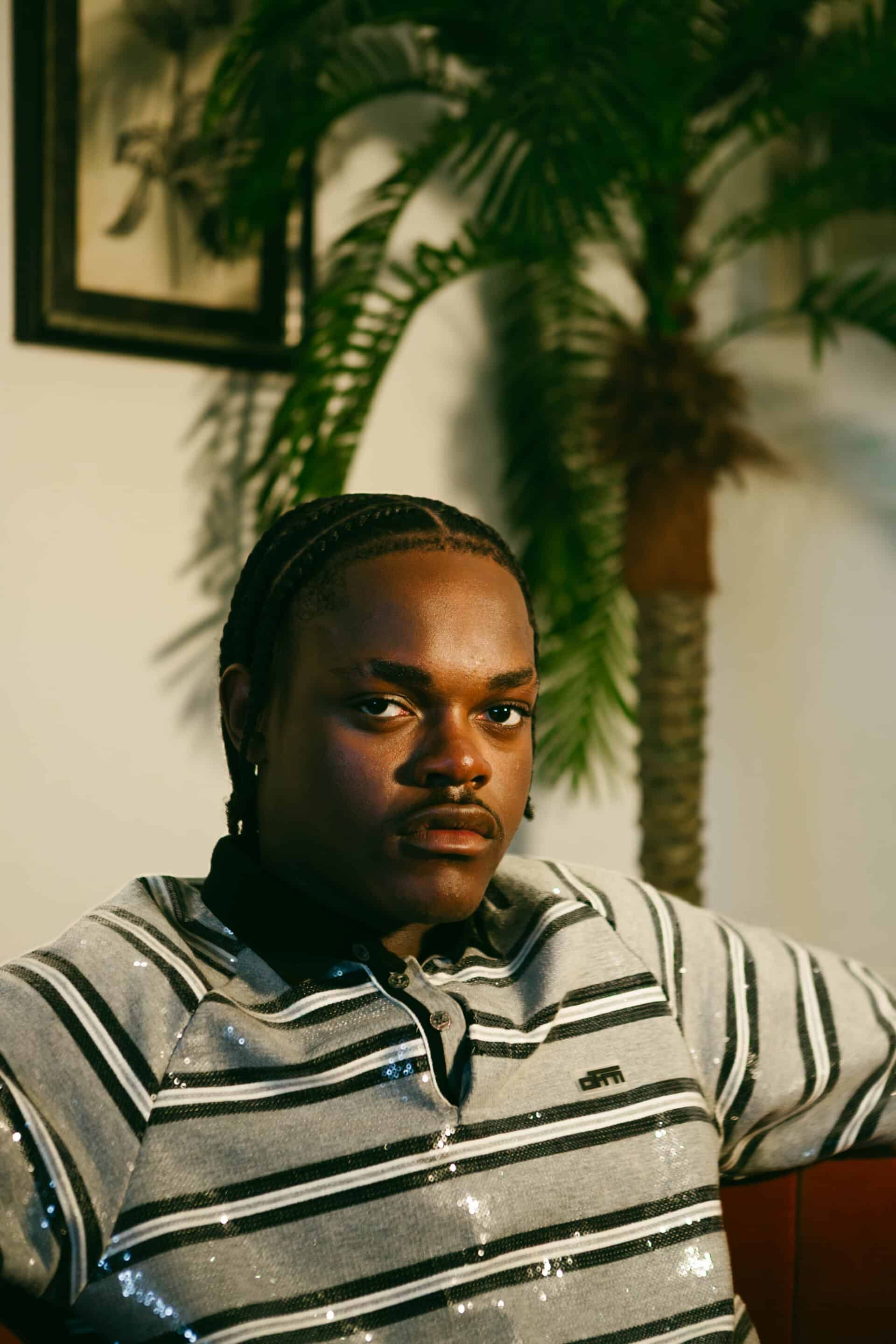
There is an important distinction between music that describes heartbreak and music that understands it.
On the original Tampered Hearts, SAÍ was still close enough to the experience that understanding was almost impossible. The songs captured the confusion itself: the wanting, retreating, obsessing, and searching for reassurance while simultaneously making intimacy harder to sustain.
The deluxe does not resolve those contradictions. It reframes them.
By returning to the project with greater emotional distance, SAÍ can recognize that the album was not merely about losing another person. It documented the construction of a self—one being shaped by attachment, validation, fear, and the desire to feel chosen.
That recognition gives the project its deeper weight.
“Tampered” no longer means irreparably damaged. It means touched, changed, and made different through contact. The heart that emerges is not restored to its original condition because such a return was never possible. It continues forward carrying evidence of what happened.
SAÍ’s refusal to romanticize that process makes the music feel unusually honest. His softness is not passivity, and his vulnerability does not excuse the harm people cause while protecting themselves. Instead, he allows accountability and longing to occupy the same space.
As Tampered Hearts reaches its expanded final form, SAÍ is not closing the door on the person who created it.
He is finally meeting him clearly—and preparing to show us who came next.