Pop music has a complicated relationship with sadness.
It loves heartbreak, romanticizes emotional chaos, and has built an entire industry around transforming personal suffering into three-minute songs. But somewhere along the way, even the most devastating experiences are often expected to arrive at a satisfying conclusion.
A lesson learned. A relationship overcome. A triumphant final chorus that reassures us everything will eventually be fine.
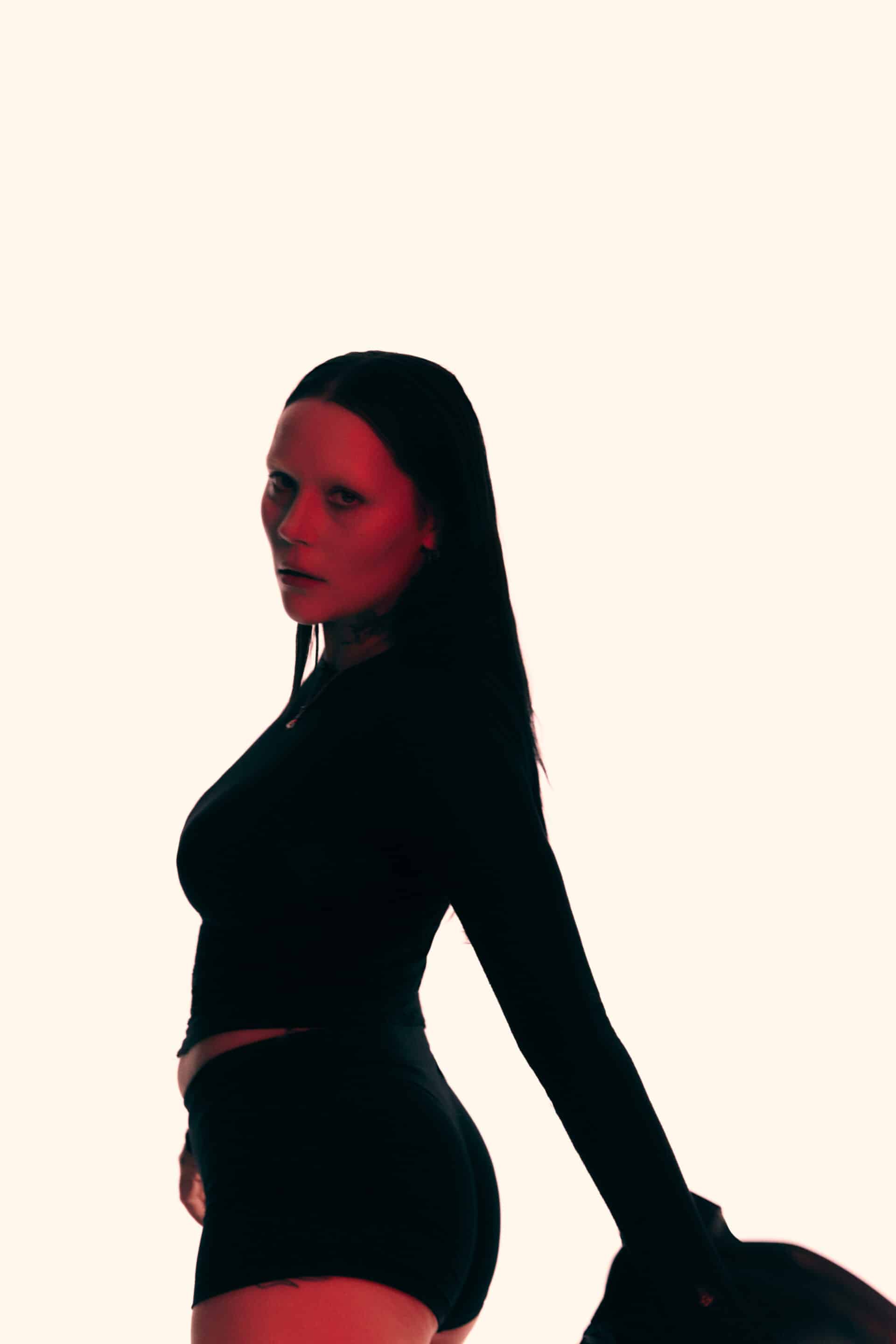
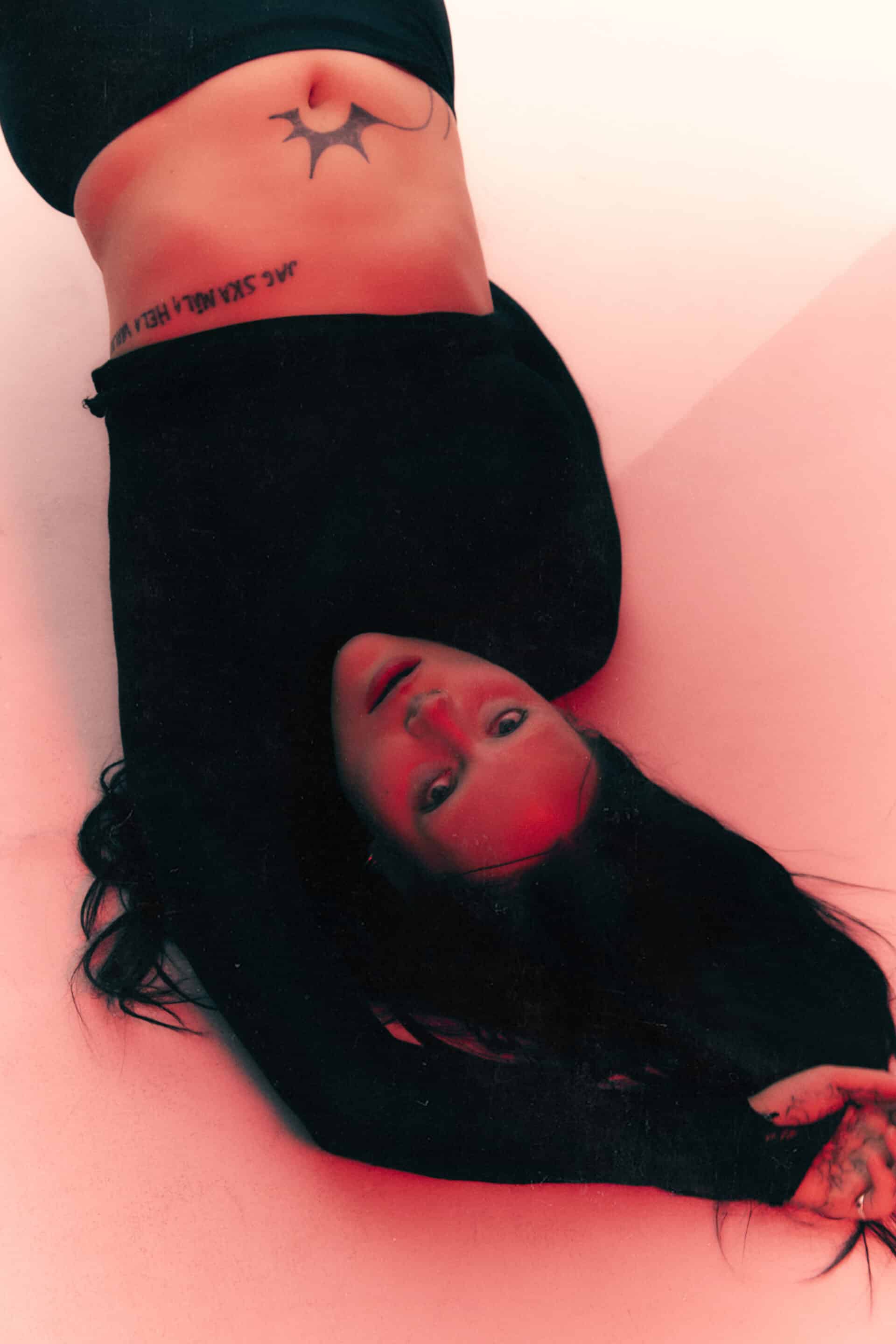
Stockholm-based artist Dandelion isn’t particularly interested in any of that.
“Resolution is boring,” she declares.
It’s a fitting introduction to an artist whose forthcoming debut album carries the wonderfully confrontational title My Sadness Needs Your Full Attention.
After years working behind the scenes as a songwriter for artists including Katy Perry, Bebe Rexha, SOFI TUKKER, Griff, and UPSAHL, Dandelion is finally putting her own identity at the center of the music.
Her recent singles “ONONON” and “Scissors” offer an introduction to that world: a project built around emotional honesty, unapologetic intensity, and a fascination with the melancholy that exists beneath even the brightest pop melodies.
But despite the album’s title, Dandelion isn’t interested in presenting herself as permanently miserable.
Quite the opposite.
She’s interested in the possibility that sadness can coexist with humor, ambition, excitement, and an almost aggressive enthusiasm for life.
“I am a forever sad girl,” she explains. “With that being said it’s not like I’m pessimistic or negative AT ALL.”
That contradiction might be the key to understanding everything she’s creating.
The Freedom of Being Seen
For much of her career, Dandelion has occupied a fascinating position within the music industry.
Her songwriting has contributed to projects by internationally recognized artists, while her collaborations have brought her into rooms with some of pop’s most influential creative figures, including Max Martin, Johan Carlsson, Vincent Pontare, Salem Al Fakir, and Jocke Åhlund.
Yet despite that professional visibility, she has remained relatively anonymous as a person.
And she liked it that way.
“I’ve been in the studio working with great artists, but me as a person, have been outside the public eye and pretty anonymous, and I really enjoyed that to be honest.”
With Dandelion, that separation between private identity and public work is disappearing.
The experience, she admits, feels like an overwhelming act of exposure.
“It’s like a freaking shock wave of information about me that I haven’t told or shown anywhere. It feels a little bit like I’m standing in front of a big crowd completely naked.”
Interestingly, she doesn’t consider this a fundamentally new kind of vulnerability.
The feelings were always there.
The only difference is that people can now see them.
“Not at all. It’s just public now compared to before.”
It’s a refreshingly unsentimental perspective on an industry that frequently treats artistic self-disclosure as an extraordinary act of courage.
For Dandelion, the real change isn’t necessarily what she’s creating.
It’s who gets to experience it.
Giving Sadness the Attention It Deserves
The title My Sadness Needs Your Full Attention sounds almost like a demand.
But beneath its theatrical confidence lies a surprisingly tender philosophy.
Dandelion describes herself as someone who worries intensely, gravitates toward melancholy, and feels most comfortable acknowledging the emotional complexity of everyday life.
She even admits that her favorite weather is rain.
But rather than viewing those tendencies as problems requiring correction, she’s learning to embrace them as essential parts of her identity.
“Stop trying to pretend you’re someone you’re not,” she says, explaining the message behind the album’s title.
For her, the question isn’t how to eliminate anxiety, sadness, or emotional intensity.
It’s what to do with those feelings once you’ve accepted that they’re part of you.
“What are you really gonna do about it? Lay down and die, or just dive into it and make art and fall inlove with those parts of yourself.”
Her answer is unequivocal.
“I choose the second option. I give my sadness my full attention.”
It’s a perspective that rejects both forced positivity and the romanticization of self-destruction.
Dandelion doesn’t believe every difficult emotion needs to be resolved.
But she also has little patience for people who turn emotional dysfunction into a personality.
In her view, acknowledging your darkness doesn’t mean refusing to take responsibility for it.
And perhaps that’s what makes the project’s emotional identity particularly interesting.
It allows melancholy to exist without making misery the entire point.
Learning From Pop’s Architects
Having spent years writing for other artists, Dandelion understands the machinery of contemporary pop music from the inside.
She knows what it means to create something you love, only to watch it change as collaborators, performers, and other creative voices contribute their perspectives.
That experience has taught her the value of flexibility.
But it’s also made the freedom of her solo project particularly meaningful.
When writing as Dandelion, she doesn’t pretend she can completely abandon the instincts developed through years of professional songwriting.
Instead, she appreciates the fact that she now has the final say.
“In this case I’m the boss and can do whatever I want to. It’s very freeing.”
Yet among all her collaborators, one creative relationship stands out.
Salem Al Fakir.
Dandelion describes him as her musical soulmate, praising his ability to access melancholy without having to manufacture it.
For her, that emotional instinct is one of the most valuable qualities a songwriter or producer can possess.
She suggests that success can sometimes make artists more structured in their lives and creative processes, potentially creating distance from the emotional unpredictability that makes music compelling.
But with Al Fakir, she sees something different.
“He doesn’t have to chase it, it comes so incredibly naturally for him. When he puts his hands on the piano, it’s like god entered the room.”
His influence has become something of an internal creative compass.
“When I write, I try to think, what would Salem do.”
It’s an illuminating insight into Dandelion’s artistic priorities.
Technical skill matters.
A strong melody matters.
But what she’s ultimately searching for is the emotional nerve beneath the song.
That small trace of sadness that can make even a happy piece of music feel unexpectedly profound.
An Album That Refuses to Be Rushed
My Sadness Needs Your Full Attention will unfold across two chapters, with the first planned for autumn 2026 and the second arriving in early 2027.
For Dandelion, that decision isn’t simply a release strategy.
It’s an extension of how she wants the music to be experienced.
“I want every song to get the attention it deserves.”
Rather than presenting the entire project as one overwhelming collection of emotions, she wants listeners to spend time with each individual track.
To absorb its atmosphere.
To discover its particular emotional language.
And to allow it to exist independently before becoming part of the larger narrative.
“I want them to be experienced on their own, not just as a big batch of feelings because honestly, who has the energy for that.”
It’s a humorous observation, but also a meaningful one.
In an era when new music arrives constantly and attention is fragmented across platforms, Dandelion is deliberately asking listeners to slow down.
Her album’s title becomes both a personal statement and an invitation.
Pay attention.
Not because every feeling needs to be dramatic.
But because even the uncomfortable ones deserve to be acknowledged.
Swedish Pop, Without the Emotional Filter
Sweden’s influence on contemporary pop music is difficult to overstate.
From its celebrated songwriting tradition to the producers and artists who have helped define international pop, the country has developed an extraordinary musical identity.
And Dandelion feels deeply connected to that legacy.
“I’m a proud Swede!” she declares.
Rather than positioning herself in opposition to Swedish pop’s history, she views it as something to celebrate.
But her own project also suggests an interest in expanding what emotionally ambitious pop can look like.
Her music exists in a space where polished songwriting instincts meet unfiltered personality, where melancholy becomes a creative resource rather than an obstacle to commercial accessibility.
It’s a combination that makes sense for someone who has spent years helping other artists communicate their identities while quietly developing her own.
Now, those instincts are being redirected toward something more personal.
And Dandelion doesn’t seem particularly concerned with making herself easier to categorize.
You Can Be Sad and Still Be Someone’s Biggest Cheerleader
Perhaps the most revealing thing about Dandelion is that she doesn’t see melancholy and optimism as opposites.
She can be anxious, introspective, and emotionally intense while remaining enthusiastic about other people’s happiness.
She can enjoy sadness as an artistic language without wanting to live in perpetual despair.
And she can reject the conventional happy ending without rejecting happiness itself.
By the time both chapters of My Sadness Needs Your Full Attention have been released, she hopes listeners will understand precisely that distinction.
“That you can be a melancholic person without being someone that feels like they have a constant rain cloud hanging over them.”
It’s an important idea in a culture that often encourages people to define themselves through a single emotional identity.
Dandelion refuses that simplicity.
“I’m gonna be your biggest cheerleader if you need me to.”
She just happens to be someone who experiences everything intensely.
And rather than exhausting herself trying to contain those feelings, she’s decided to make them part of her creative identity.
Maybe that’s the real message behind My Sadness Needs Your Full Attention.
Not that sadness should become the center of our lives.
But that we don’t need to pretend it isn’t there.
And that learning to live with our emotional contradictions might be far more interesting than trying to resolve them.
In Conversation With Dandelion
“ONONON” and “Scissors” introduce listeners further into the world of My Sadness Needs Your Full Attention. What do these particular songs reveal about you that you haven’t shown in your music before?
I mean I’ve been kinda hidden for the last years. Yes, I’ve been in the studio working with great artists, but me as a person, have been outside the public eye and pretty anonymous, and I really enjoyed that to be honest. So with Dandelion, it’s like a freaking shock wave of information about me that I haven’t told or shown anywhere. It feels a little bit like I’m standing in front of a big crowd completely naked.
My Sadness Needs Your Full Attention is such a striking album title. Where did that phrase come from, and what does it say about your relationship with sadness rather than trying to escape it?
I am a forever sad girl. With that being said it’s not like I’m pessimistic or negative AT ALL. It’s just that I worry about stuff a lot and I tend to seek melancholy. Without sounding like the biggest pick me in the world (please don’t judge me this is seriously 100% true) my favorite weather is rain. So it’s both towards myself, stop trying to pretend you’re someone you’re not, it’s fine to be a nervous person that has a lot of anxiety and it’s ok to be uncomfortably deep, when that’s who you are. What are you really gonna do about it? Lay down and die, or just dive into it and make art and fall inlove with those parts of yourself. I choose the second option. I give my sadness my full attention.
You’ve chosen to unfold your debut album across two chapters, with the second arriving in 2027. What made this body of work require that amount of space and time rather than a traditional album rollout?
I want every song to get the attention it deserves. It needs to be heard and it needs to be fully born out into the world without the distraction of a bunch of other songs. I want them to be experienced on their own, not just as a big batch of feelings because honestly, who has the energy for that.
You’ve spent years writing for artists including Bebe Rexha, Katy Perry, SOFI TUKKER, Griff and UPSAHL. When you’re writing as Dandelion, how do you switch off the instinct to think about what might work for somebody else?
I don’t! When you’ve been working for as many years as I have, writing for other people, it’s impossible not to let your head investigate those thoughts. But then I just feel really lucky that I get to keep the songs to myself and that I can be completely free with them and change or not change them however I want to. That’s really damn hard when you love a specific version of something and then someone wants to change it. Not really necessarily to the better or worse, just… different.. and in this case I’m the boss and can do whatever I want to. It’s very freeing.
Having worked alongside songwriters and producers like Max Martin, Johan Carlsson, Vincent Pontare and Salem Al Fakir, what have you learned about pop songwriting that you’ve deliberately chosen to either embrace or reject in your own project?
I mean, Salem is my forever big musical soulmate. I love all the names you mentioned, but Salem has this melancholy that is rare to find in producers. I sometimes feel like the more successful you are, the more you kind of, I don’t know, get …”structured”?! You drink your really expensive coffee, you get the really good car that you WELL deserve, and you buy the clothes with really good quality and so on. Melancholy becomes a little secondary (which in my opinion, is what makes music so good—a happy song that still has the nerve is what we’re constantly looking for), and chasing the melancholy in the studio when making music becomes a little bit harder? Not in a negative way, just in a more ”structured way of living way”. With Salem it’s not like that. He doesn’t have to chase it, it comes so incredibly naturally for him. When he puts his hands on the piano, it’s like god entered the room. If I would get to choose only one person to work with for the rest of my life. I would choose Salem. And when I write, I try to think, what would Salem do.
There’s an interesting difference between being a successful songwriter behind the scenes and putting your own emotions, image and identity at the center. Has becoming Dandelion required a different kind of vulnerability?
Not at all. It’s just public now compared to before.
Sweden has an extraordinary history of exporting pop music to the rest of the world. Do you feel connected to that tradition, or are you consciously trying to create something that exists outside the expectations associated with Swedish pop?
I’m a proud Swede! For once there’s something I’m actually really really happy and grateful for when it comes to what I come from. It’s a little bit like being born really really good-looking; I wonder how grateful those people must be. I feel that way about coming from Sweden.
Your debut project seems to give difficult emotions room to exist rather than immediately turning them into something positive or easily digestible. Do you think pop music sometimes rushes too quickly toward healing and resolution?
Yeah, resolution is boring. Not everything has to be solved. Life goes on, life is in constant motion, you can’t control it, and the happily ever afters don’t tickle my brain. At the same time, I’m also really over all the people being overly destructive and putting on the face of ”I’m so fucked up I can do whatever,” like, dude, have you ever gone to therapy? No? Okay, slay, you have the emotional intelligence of a freaking two-year-old. Go deal with your trauma then come find me.
As listeners gradually enter the world of My Sadness Needs Your Full Attention, what do you hope they understand about Dandelion by the time both chapters are complete?
That you can be a melancholic person without being someone that feels like they have a constant rain cloud hanging over them. I’m gonna be your biggest cheerleader if you need me to. I’m just a pretty intense person and feel less burned out when I just let my big emotions be a part of me instead of feeling like a psychopath trying to keep them inside.
Dandelion’s new single “ONONON” is out now. Her forthcoming debut album, My Sadness Needs Your Full Attention, will unfold in two chapters, with Part 1 planned for autumn 2026 and Part 2 in early 2027.
Follow Dandelion on Instagram.