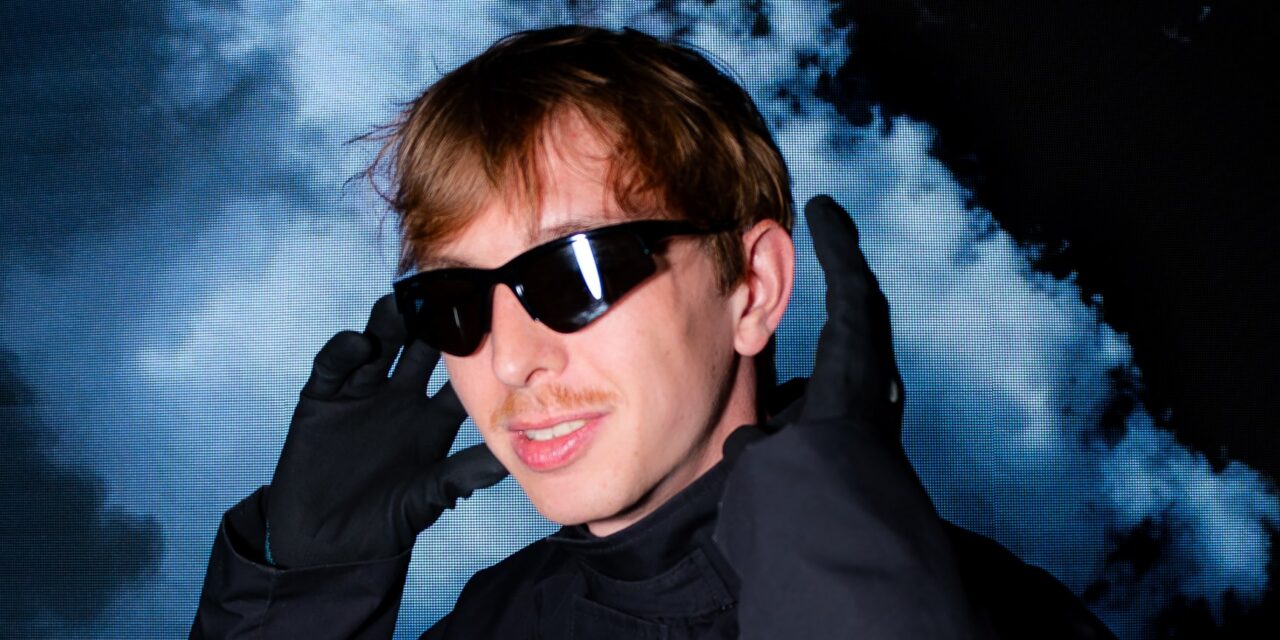
After years of producing for some of the biggest names in pop and hip-hop, Chicago-born electronic artist Whethan is reconnecting with the heavier bass and dubstep sounds that first defined his musical identity. With WAREHOUSE.WAVS, a new series of releases and live performances, the multi-platinum producer is reclaiming creative control while bringing everything he’s learned from a decade of genre experimentation back to the dance floor. In an exclusive conversation with MUNDANE, he reflects on artistic independence, nostalgia, collaboration, and why evolution doesn’t always mean leaving your past behind.
There is an interesting contradiction in the idea of artistic evolution.
We often assume that moving forward means abandoning whatever came before, as though growth requires a complete departure from the instincts that originally made an artist distinctive.
But sometimes the most meaningful transformation happens when an artist returns to those instincts with an entirely different understanding of themselves.
For Whethan, that realization has become the foundation of his latest creative chapter.
The Chicago-born producer, who broke through as a teenager and has since accumulated billions of streams, has spent much of his career moving between electronic music, pop, hip-hop, and experimental production.
His credits include collaborations and productions connected to artists such as Dua Lipa, Megan Thee Stallion, Rico Nasty, Oliver Tree, Yeat, Joji, Charli XCX, and The Chainsmokers.
His independently released single “Money On The Dash” earned RIAA Gold certification, while performances at Coachella, Lollapalooza, Ultra Music Festival, and Red Rocks helped establish him as a major presence in electronic music.
Yet after years of exploring other artists’ musical worlds, Whethan found himself increasingly drawn toward something more personal.
The freedom of creating without having to fit anyone else’s expectations.
That desire led to WAREHOUSE.WAVS, a project that reconnects him with the heavier bass and dubstep sounds of his beginnings while reflecting the perspective he’s developed over the past decade.
“I wanted to connect to that feeling of having complete and 100% creative control over my sound again, from beginning to end.”
Rather than a nostalgic retreat, WAREHOUSE.WAVS represents an opportunity to rediscover what happens when the artist behind the production becomes the center of the creative process.
Rediscovering the Freedom of Making Music for Yourself
For much of his career, Whethan’s versatility has been one of his defining characteristics.
Working with artists across dramatically different genres has required him to understand not only their musical preferences but also the creative identities behind them.
He describes collaboration as an immersive process.
When entering another artist’s world, he studies their sound and attempts to contribute something that feels authentic to their vision while still carrying his own personality.
That approach has allowed him to move between mainstream pop, hip-hop, and electronic music without becoming confined to a single style.
But it also made him increasingly aware of the distinction between producing for someone else and creating something entirely his own.
“You discover what’s uniquely yours and what’s uniquely theirs.”
For Whethan, collaboration remains an essential source of inspiration.
Working with different artists exposes him to unfamiliar creative methods, unexpected sounds, and alternative approaches to songwriting.
Yet WAREHOUSE.WAVS offers a different kind of satisfaction.
There is no external creative universe to accommodate.
No established artist identity to interpret.
And no need to shape a track around someone else’s expectations.
Instead, he can follow his instincts from the first idea to the finished recording.
The project represents a return to creative autonomy rather than a rejection of collaboration.
When the Past Becomes a New Beginning
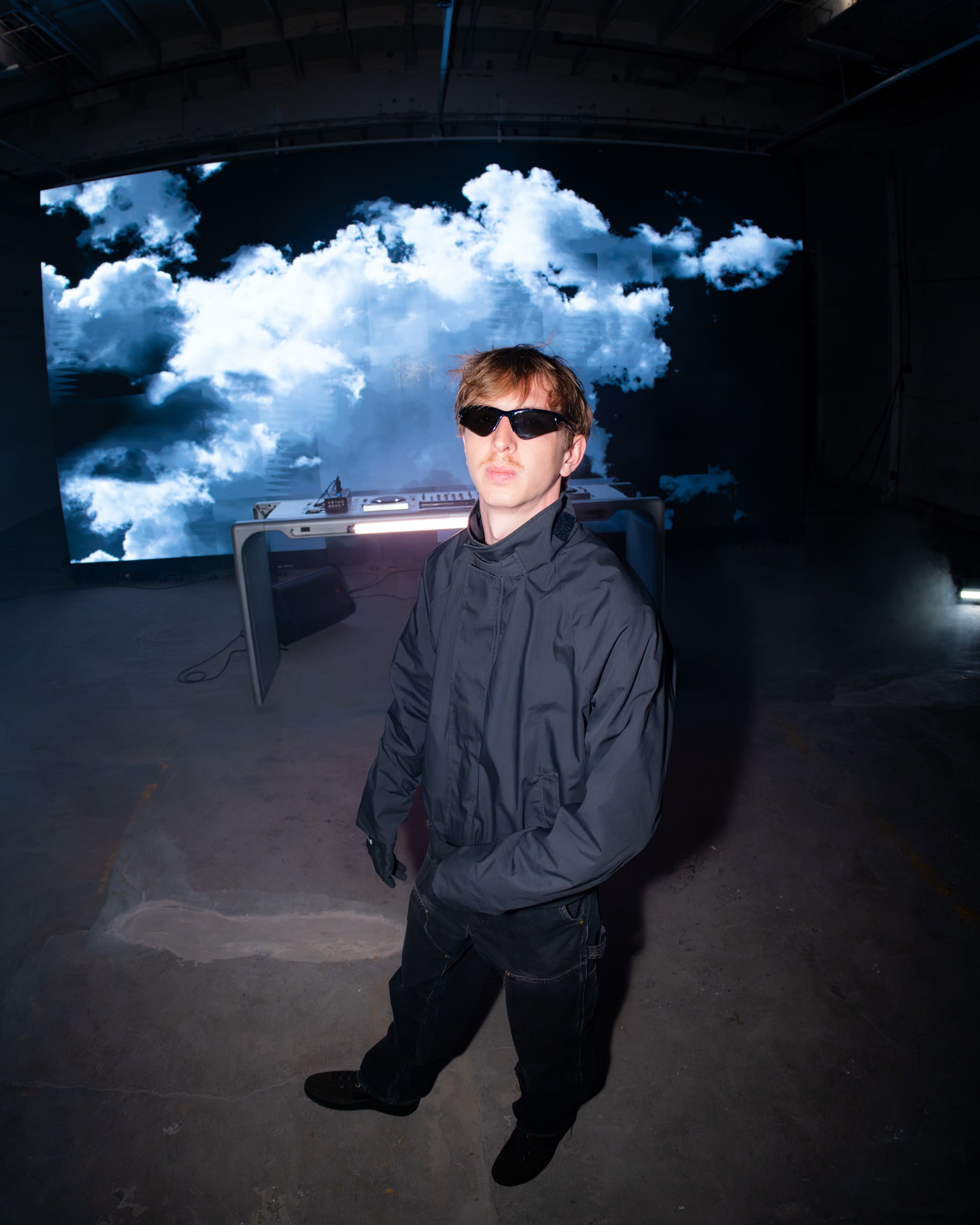
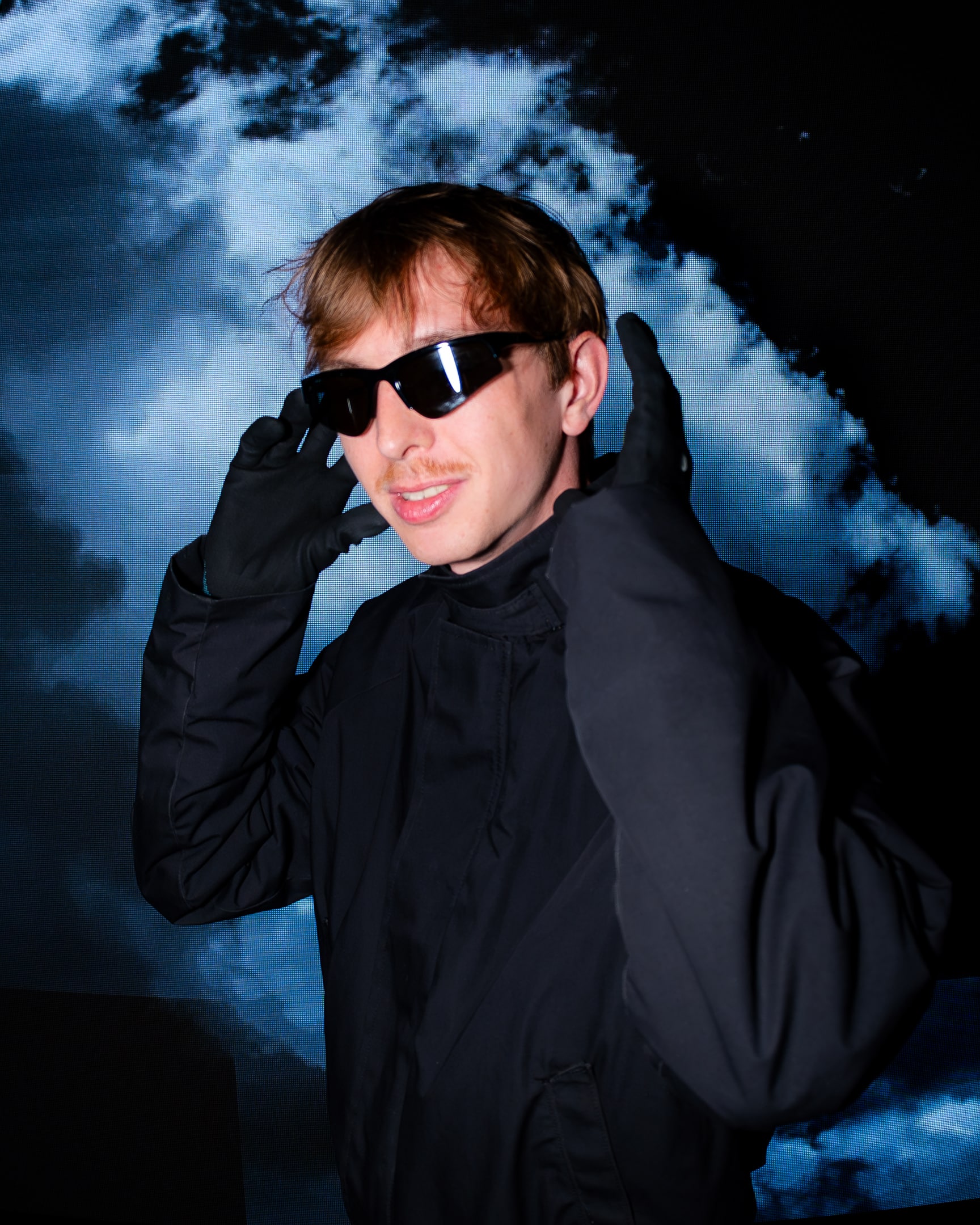
One of the most symbolic moments of Whethan’s current era is the official release of “MssingNo XE3 (Whethan Turn),” the track that helped launch his career more than a decade ago.
Revisiting such an important early recording could easily have become an exercise in nostalgia.
But Whethan doesn’t view his younger self as a completely different artist.
The curiosity and excitement that originally drove him toward production remain fundamental to his identity.
“It’s a part of me. I’ll always have love for that era.”
What has changed is his experience.
He has traveled, collaborated with different musicians, performed on major stages, and developed a more sophisticated understanding of production.
Rather than believing he lost something along the way, he sees his growth as a process of refinement.
That perspective also shapes the direction of WAREHOUSE.WAVS.
The project draws on the energy of the bass scene that first embraced him, but it isn’t intended to recreate the past exactly.
“I want to honor the scene that I came up in and I think we can also bring the past into the present.”
The distinction matters.
Whethan isn’t attempting to become the teenage producer he once was.
He’s exploring what that original creative freedom might sound like after everything he’s experienced since.
Refusing to Fit Inside One Genre
Whethan’s career has unfolded during a period when artists are increasingly encouraged to maintain easily recognizable identities.
Streaming algorithms, playlists, and social media often reward consistency.
But his musical instincts have rarely followed those boundaries.
Electronic production, hip-hop rhythms, aggressive bass, and pop songwriting have frequently coexisted within his work.
That versatility has sometimes made his music difficult to categorize.
“For sure, but I don’t see it as a bad thing or like a curse.”
He remembers audiences attempting to define his music strictly as EDM, even when his productions incorporated substantial hip-hop and rap influences.
The result didn’t fit neatly into either category.
And that ambiguity became part of his identity.
For Whethan, the objective has never been to satisfy the expectations of a particular genre.
It’s to create music that reflects the different sounds and experiences that excite him.
That philosophy has become especially important as he reconnects with bass music.
Rather than treating dubstep as a fixed formula, he sees an opportunity to bring new perspectives into a scene that shaped his earliest work.
The result is both familiar and forward-looking.
Learning to Trust His Own Instincts
The success of “Money On The Dash” marked an important turning point in Whethan’s understanding of artistic independence.
Released independently, the track eventually achieved Gold certification and appeared on major dance charts.
But its significance extended beyond commercial performance.
It reinforced the importance of trusting his own creative judgment.
“I learned that trusting my gut would probably take me way farther than listening to someone else’s.”
Earlier in his career, Whethan had experienced the pressure of working within rigid industry expectations.
He describes a period when music-making was shaped by rules and formulas associated with label structures.
That experience helped clarify what he wanted from his own artistic career.
Freedom to experiment.
Freedom to take risks.
And freedom to decide what his music should sound like.
With WAREHOUSE.WAVS, that philosophy extends beyond the studio.
The project has developed into a series of releases, including WAREHOUSE.WAVS 2 on SoundCloud, alongside a dedicated American tour and renewed momentum within the bass community.
The physical experience of the music remains central.
For Whethan, a track isn’t complete simply because it sounds interesting in the studio.
He also imagines how people will respond when they hear it through a powerful sound system, surrounded by a crowd.
“Would I vibe to this?”
It’s a simple question, but one that captures the relationship between his creative instincts and the audience.
The goal is to make music that feels exciting to him and translates that excitement into a shared experience.
Success Beyond the Biggest Stage
After performing at some of electronic music’s most recognizable festivals, Whethan has already achieved milestones that many young producers spend their careers pursuing.
But he has become increasingly interested in what those achievements mean rather than how impressive they appear.
“I think I focus on the feeling rather than the accomplishment itself.”
It’s a perspective that challenges the conventional understanding of artistic ambition.
A bigger stage doesn’t automatically represent greater creative fulfillment.
A successful release doesn’t necessarily mean an artist has reached their most interesting work.
For Whethan, the question is whether each new experience reflects genuine growth.
That understanding also explains why WAREHOUSE.WAVS feels like an important moment.
It allows him to revisit the musical identity that first brought him recognition without treating that identity as something frozen in time.
He’s older.
His perspective has changed.
And his creative ambitions have evolved alongside him.
The music is following that transformation.
In Conversation With Whethan
MUNDANE: WAREHOUSE.WAVS represents a return to the heavier bass and dubstep sounds that were part of your earliest musical identity. What made you want to reconnect with that version of yourself now?
Whethan: A lot of times, especially when I collaborate, I really dive into the world of my collaborators. I’m studying what they do, their sound, and doing my best to create something that’s still in their style but with my own twist. And I love doing that, it’s so fun!
I wanted to connect to that feeling of having complete and 100% creative control over my sound again, from beginning to end and seeing where I take it, based on how I’ve evolved as a person and as an artist.
MUNDANE: “MssingNo XE3 (Whethan Turn)” helped spark your career more than a decade before receiving an official release. What was it like revisiting something created by a much younger version of yourself?
Whethan: It was nostalgic for sure but I’m still really connected to that version of myself, it’s a part of me. I’ll always have love for that era. Obviously I’ve changed but I wouldn’t say I lost anything, moreso just fine-tuned my stuff and evolved.
MUNDANE: You broke through as a teenager and have spent much of your adult life making music publicly. Does your earliest work still feel like it belongs to the same artist?
Whethan: It feels different in a sense but a part of me is always here. That passion for creating is still here. The excitement. Now I have better equipment, I’ve traveled, and I have life experience so my old stuff really takes me back which is nice.
MUNDANE: You’ve worked with artists as different as Oliver Tree, Yeat, Joji, Charli XCX, and The Chainsmokers. What have collaborations taught you about the difference between producing for someone else and creating your own musical world?
Whethan: Good question. I think you discover what’s uniquely yours and what’s uniquely theirs. Seeing how other people work, how their brains work, really opens me up to new possibilities.
I could be in the studio like, “oh I never would have thought to do that, but that’s really sick,” or “I want to get this particular sound or vibe but can’t figure out how to make it hit how I want,” and they’re having the same experience with whatever it is they’re trying to achieve.
It’s a give-and-take but you have to have something of your own in order to give it.
MUNDANE: Does returning to the bass community feel nostalgic, or are you more interested in discovering what the genre can become with everything you’ve learned?
Whethan: To be honest, It’s a little bit of both. I want to honor the scene that I came up in and I think we can also bring the past into the present.
MUNDANE: Have you ever felt that your versatility made your career more complicated because people couldn’t easily place you in one genre?
Whethan: For sure, but I don’t see it as a bad thing or like a curse. People wanted to label it as strictly EDM but I also included hip-hop and rap, and then bass on top of it all, so it wasn’t straight oontz oontz music but it wasn’t traditional hip-hop either. Definitely forced people to open up their thinking, at like bare minimum.
MUNDANE: “Money On The Dash” became a major independent success and earned Gold certification. What did that teach you about maintaining creative control?
Whethan: I guess I learned that trusting my gut would probably take me way farther than listening to someone else’s. For a while, I was doing what was expected of me and operating under such like rigid, strict, “rules” for music because that was the label “formula.”
MUNDANE: How much do you think about the physical experience of a warehouse or festival crowd when creating new music?
Whethan: I’m always thinking about how people are going to vibe to it. I think, “Would I vibe to this?” The whole kind of point of live shows is so that people enjoy the music the way it was intended.
I like to say I’m a “man of the people” and I’ve got to give the people what they want. What they want is usually what I want too.
MUNDANE: After performing at Coachella, EDC Vegas, Ultra, Lollapalooza, and Red Rocks, what keeps ambition interesting beyond increasingly bigger stages?
Whethan: Another good one. I think I focus on the feeling rather than the accomplishment itself. Like, “what does this milestone mean to me?” rather than the fact that I did it or that it’s a big stage. Like what does it say about where I’m at creatively?
MUNDANE: Does WAREHOUSE.WAVS feel like a return to your roots, or has revisiting those roots shown you where Whethan needs to go next?
Whethan: It’s definitely a return but also a reimagining. I’m older now, I have more to say, I have a different perspective on things. I’m dressing differently!
I’m taking my music in a new direction for sure, nothing so next level that I’m unrecognizable, but the work is growing with me and I’m super ready to share what I’ve been working on for these past few months.
Returning to the Beginning Without Starting Over
What makes WAREHOUSE.WAVS significant is that it challenges the idea that artists must constantly distance themselves from their beginnings to demonstrate growth.
For Whethan, returning to bass music isn’t about recreating the circumstances that first made him successful.
It’s about reclaiming the freedom that made those early recordings possible.
After years of navigating collaborations, commercial expectations, and increasingly diverse musical environments, he has developed a clearer understanding of what belongs uniquely to him.
The instincts are familiar.
But the perspective is different.
And that difference is what makes this new chapter more than an exercise in nostalgia.
Whethan isn’t attempting to erase the years spent exploring other genres.
He’s bringing those experiences back into the music that first excited him.
Because sometimes artistic evolution isn’t about becoming someone completely different. It’s about finally having the freedom, experience, and confidence to become a more complete version of the artist you always were.
Artist: Whethan
Project: WAREHOUSE.WAVS / WAREHOUSE.WAVS 2
Genre: Electronic / Bass / Dubstep / Hip-Hop
Notable release: “MssingNo XE3 (Whethan Turn)”
Tour: WAREHOUSE.WAVS Tour — United States
With WAREHOUSE.WAVS, Whethan reconnects with his earliest musical influences while exploring a new creative direction shaped by independence, experimentation, and a decade of artistic evolution.