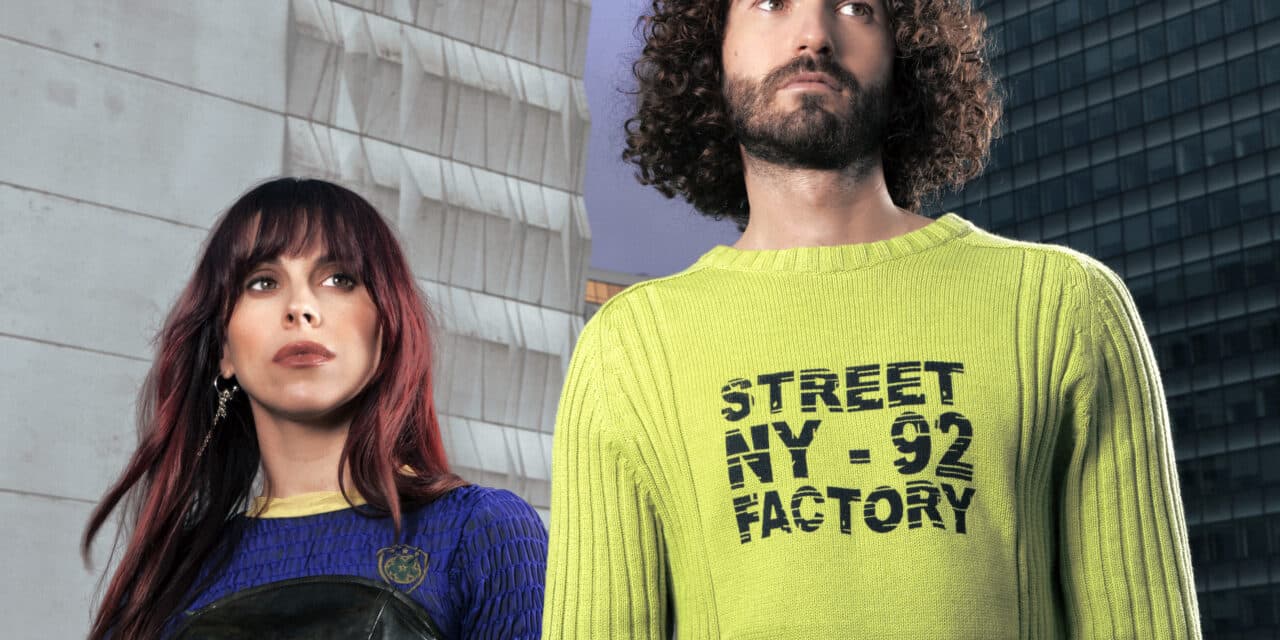
Some bands are born through careful planning. Others emerge almost by accident.
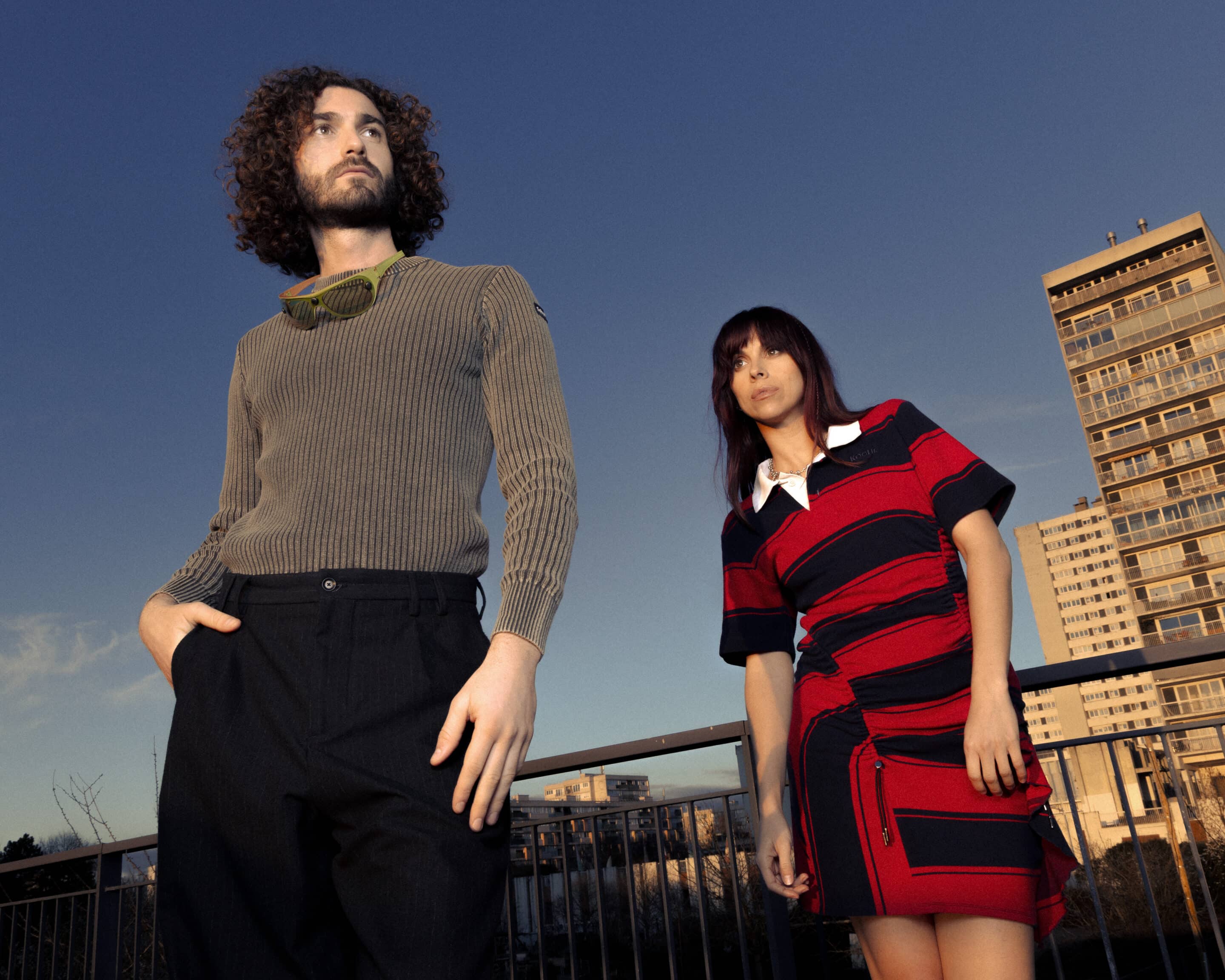
For French duo Billet Doux, music began as two separate artistic paths before naturally evolving into a shared language. What started as occasional collaborations between married musicians Kaycie and Pierre soon became something impossible to ignore—a creative partnership fueled by spontaneous songwriting, organic chemistry, and an unwavering belief in beauty, even during uncertain times.
Their debut album, Superbloom Is Here Again, reflects that philosophy. Inspired by the rare California superbloom phenomenon—when dormant desert flowers suddenly burst into breathtaking color after heavy rains—the record embraces hope, transformation, vulnerability, and wonder. Blending California alternative rock influences with French pop sensibilities, lush electronic production, and intimate storytelling, Billet Doux creates a world where mythical creatures, surreal imagery, and deeply human emotions coexist effortlessly.
As they prepare to relocate from Paris to Los Angeles, the duo spoke with Mundane about optimism as a creative act, songwriting as a shared love language, and why choosing hope has never felt more radical.
YOUTUBE // INSTAGRAM // TIKTOK // SPOTIFY
Your musical DNA is rooted in California alternative rock—artists like Blink-182 and Red Hot Chili Peppers—yet you’re creating this music from Paris. What has it been like translating those influences into your own sound?
It actually happened very naturally through the songwriting itself.
Every song begins in a very stripped-back way—usually just voice and guitar or voice and bass. Once we have the structure, melodies, and lyrics, we gradually build everything else around it by adding drums and production.
Because of that process, there’s always this underlying “garage band” or “teenage rock band” energy at the heart of every song.
There’s also a lot of subconscious inspiration that comes from the atmosphere of our writing sessions. They’re usually joyful, uplifting, and very instinctive.
Once we enter the studio, things become much more intentional. We spend time listening to records and mixes we admire, using them as references to help shape the atmosphere we’re trying to create.
Superbloom Is Here Again explores escape, transformation, vulnerability, and hope. Which of those themes felt most central to where you are today?
Without question, hope.
Hope is really the backbone of both our music and our lives.
That doesn’t mean we’re constantly optimistic or that we never struggle with anxiety or uncertainty—far from it. But we consciously try to hold onto kindness, beauty, creativity, and the positive things happening around us.
The world feels incredibly overwhelming right now, and between traditional media and social media it’s easy to become consumed by negativity.
For us, choosing optimism has almost become a political act.
Not in a naïve way—but as something genuinely transformative.
Even our most nostalgic songs always contain a little light somewhere inside them.
It happened naturally at first, but we’ve come to realize it’s become one of the central messages behind everything we create.
You’re married as well as creative partners. How does that relationship shape Billet Doux’s songwriting chemistry?
It’s honestly one of the greatest joys in our lives.
Being able to share creativity every day allows songs to appear in an incredibly spontaneous way.
We schedule studio sessions when we’re polishing songs or recording demos, but the first spark is almost never planned.
Usually Pierre is casually playing guitar or bass somewhere in our apartment, and Kaycie starts singing from another room without even thinking about it.
Then suddenly we’ll look at each other and say, “Wait… that’s actually really good.”
Those accidental moments are often where our favorite songs begin.
We really hope we never lose that way of writing because there’s something incredibly euphoric about surprising yourselves.
You’ve already performed arena shows supporting major French artists. How did those experiences influence the way you approached this debut album?
It was such an important experience for us.
Pierre had already spent years playing arenas as a touring bassist, but performing your own songs in front of thousands of people—especially audiences who don’t know you—is a completely different feeling.
What’s funny is that we’ve always imagined those moments long before they actually happened.
When we’re writing songs in our living room, we’re constantly joking around pretending we’re already playing stadiums.
We’ll ask imaginary audiences, “How are you feeling tonight, New York?”
So even before those opportunities arrived, we were already writing with the idea of sharing these songs on the biggest stages possible.
Not because of ambition or ego—but because we’ve always wanted people to sing, dance, cry, and celebrate together.
The album title references California’s rare superbloom phenomenon. What does that image symbolize for you?
We absolutely love books and documentaries about nature, science, and space.
Interestingly, we’d never heard about superblooms until Kaycie’s father—who grew up in California—told us about them.
We were completely fascinated.
Nature has always been one of our greatest remedies against anxiety.
Seeing deserts suddenly explode into fields of flowers felt like the perfect metaphor for resilience.
It represents rebirth.
Hope.
Beauty appearing where you least expect it.
We wanted to create music that made people feel exactly like that.
Your collaboration with Olivia Merilahti of The Dø helped shape your sound. What did working together teach you?
Meeting Olivia completely transformed our project.
When we first contacted her, our songs were already written, but they sounded much closer to acoustic pop, rock, and folk.
We knew what we wanted emotionally—we just didn’t yet know how to achieve that sonic identity.
Olivia immediately understood.
She introduced dreamy synthesizers, electronic textures, and production choices that completely completed our musical world.
Since then, the way we write demos has changed forever.
Now we automatically begin experimenting with synths and effects.
Sometimes while working we’ll even ask ourselves:
“What would Olivia do?”
You’re preparing to move to Los Angeles this September. What excites you most creatively about starting this new chapter?
We’re incredibly excited.
We’ve been planning this move for almost two years, so finally making it happen feels surreal.
What excites us most is simply meeting new people.
Los Angeles has such a vibrant music community, and we can’t wait to collaborate, perform, and absorb everything around us.
We’ve been fortunate to build wonderful opportunities in France, but singing primarily in English sometimes creates a natural language barrier.
We also feel our French perspective might bring something unique to Los Angeles.
Hopefully our blend of European and American influences will continue growing once we’re there.
Your music constantly blurs fantasy and reality. Is there a song where that balance felt especially meaningful?
A perfect example would be “Mermaid Hands.”
It’s about a little boy born with beautiful mermaid hands who hides them because he’s bullied by his family and classmates.
He’s completely fictional.
But every time we perform the song, he feels absolutely real to us.
The emotion is real.
The empathy is real.
We intentionally reflected that duality in the production by combining strange sounds, unusual textures, and playful sonic details that constantly shift between dreamlike fantasy and emotional reality.
We hope listeners enter his world and discover the beauty in what makes him different.
Looking beyond Superbloom Is Here Again, where do you want Billet Doux to go next?
Sonically, we’d love to create even greater contrasts.
We’re interested in moving between completely raw, almost acoustic verses and huge, hyper-produced choruses.
We want to continue pushing both our folk influences and our electronic production much further.
Lyrically, we’d also like to become a little more direct.
We’ve often approached difficult subjects through poetic imagery and metaphor.
We still love that style, but there are certain conversations that deserve complete clarity.
Some stories simply need to be spoken plainly.