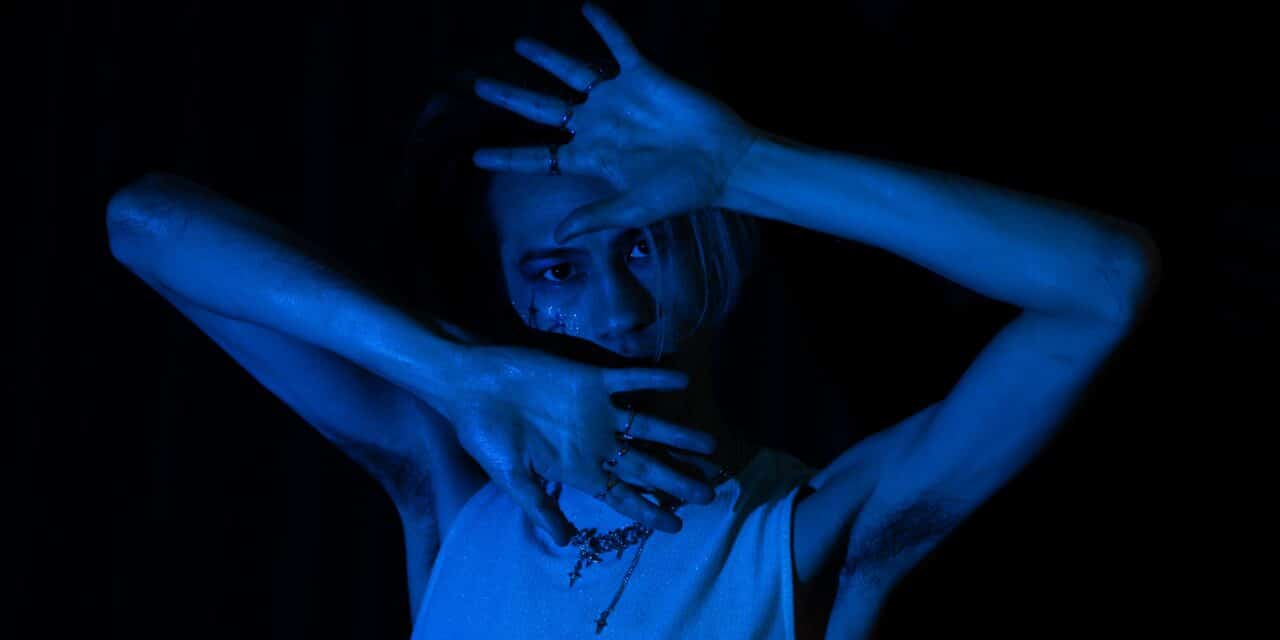
Los Angeles-based queer electropop artist BRAZN transforms anxiety, self-doubt, and the complicated journey toward self-acceptance into a cinematic electronic battle on their new single “My Final Boss.” Drawing inspiration from video games, anime, and the maximalist possibilities of contemporary pop, the self-taught producer is creating a musical universe where vulnerability becomes a superpower. In an exclusive conversation with MUNDANE, BRAZN opens up about queer identity, the healing power of dance music, creative independence, and why becoming confident doesn’t mean never feeling afraid again.
There is something strangely comforting about the way video games organize conflict.
Every obstacle has a purpose. Every challenge can be approached with a strategy. Every failure offers an opportunity to try again.
And somewhere at the end of the journey, there is usually a final boss.
A definitive confrontation with the most powerful enemy standing between the player and victory.
Real life, unfortunately, is rarely so accommodating.
Our most difficult battles don’t always arrive with dramatic music or clearly defined objectives. Sometimes they happen quietly, inside our own minds, through the insecurities, anxieties, and self-destructive thoughts that accompany us into seemingly ordinary situations.
For BRAZN, the Los Angeles-based queer electropop artist whose name represents the freedom to be bold without shame, those internal struggles became the inspiration for their latest single, “My Final Boss.”
A maximalist, cinematic pop anthem built around explosive synthesizers, triumphant melodies, and the emotional architecture of a video game battle, the track transforms the experience of confronting insecurity into something spectacular.
But beneath its electrifying production lies a more complicated understanding of what personal victory actually means.
Because BRAZN isn’t suggesting that anxiety can simply be eliminated.
Instead, they are exploring what happens when we learn to recognize our negative thoughts without allowing them to determine who we are.
“As someone with anxiety, learning to coexist by acknowledging and overpowering my negative thoughts has always been something I’ve had to work on,” they tell MUNDANE.
That distinction is central to their creative philosophy.
For BRAZN, confidence isn’t the absence of fear.
It’s the ability to move forward despite it.
And perhaps more importantly, it’s the willingness to be vulnerable enough to acknowledge that the fear exists in the first place.
The result is a song that exists somewhere between an emotional confession and a triumphant soundtrack to an imaginary battle.
An anthem for anyone who has ever wished they could confront their insecurities with the same determination they bring to defeating an impossible video game boss.
The Final Boss Is Your Own Mind
The central metaphor behind “My Final Boss” is deceptively simple.
What if the most difficult enemy we encounter isn’t another person, an external obstacle, or a particular circumstance, but the negative voice inside our own heads?
What if overcoming insecurity could be imagined as the climactic battle of a video game?
And what if the reward for winning wasn’t perfection, but a greater sense of self-worth?
BRAZN explains the concept through the language of gaming.
“If we viewed our minds as if they were a video game, I see our darkest thoughts as being the last encounter. By beating them, the payoff is becoming a more confident person.”
It’s an idea that resonates particularly strongly in a cultural environment where self-confidence is often presented as a permanent achievement.
We’re encouraged to believe that once we’ve done enough personal work, overcome enough obstacles, or learned to accept ourselves, insecurity should disappear.
But emotional growth rarely follows such a predictable narrative.
Anxiety can return.
Old doubts can resurface.
And even people who have developed a strong sense of identity may still find themselves struggling with the same internal questions.
BRAZN understands that contradiction.
For them, defeating the final boss doesn’t necessarily mean destroying every negative thought.
It means learning to recognize those thoughts without surrendering control to them.
“By coexisting with those thoughts and taking away their control by saying, ‘I am worthy of this or that; these thoughts are not my own,’ I view that as defeating them.”
The difference is significant.
Rather than treating difficult emotions as evidence of personal failure, BRAZN frames the act of confronting them as a form of strength.
The battle may continue.
But the relationship with the enemy can change.
And in that sense, “My Final Boss” is less about achieving a permanent victory than developing the confidence to keep fighting.
Turning a Video Game Battle Into Pop Music
Musically, “My Final Boss” translates its central concept into an ambitious electronic production.
The song opens with a digitally cinematic introduction, immediately establishing a sense of scale.
Synthesizers and piano create a dramatic entrance before the arrangement pulls back, allowing BRAZN’s vocals to introduce the emotional conflict.
As the track progresses, the instrumentation becomes increasingly intense.
The drums grow larger.
The synthesizers accumulate.
The vocal melodies climb.
And the chorus erupts into a triumphant combination of distorted vocal chants and bombastic electronic production.
It’s a musical structure designed to mirror the escalating tension of a video game battle.
BRAZN describes the process in terms of movement.
“I viewed it as like waves…or trekking up a steep mountain.”
That image became central to the composition.
The pre-chorus represents the climb.
The chorus represents reaching the summit.
And the quieter sections provide the moments of temporary relief that make the next confrontation feel more dramatic.
“I wanted the main lead to feel like you’re climbing up that mountain when the pre-chorus hits into the chorus, at which point you meet the top of it.”
The track draws inspiration from the immersive worlds of The Legend of Zelda and League of Legends, two games that helped BRAZN imagine the relationship between musical progression and emotional conflict.
Anime also influenced the song’s visual identity.
BRAZN imagined the track accompanying a climactic battle in a series such as My Hero Academia.
That combination of influences helps explain the song’s particular sense of theatricality.
Its production doesn’t simply accompany the lyrics.
It creates an imaginary environment in which those lyrics can unfold.
There is a sense of danger.
A moment of confrontation.
And finally, an exhilarating release.
The result belongs to a contemporary pop landscape where artists such as Rina Sawayama, Charli XCX, and Porter Robinson have demonstrated how electronic music can accommodate dramatic emotional narratives without sacrificing its experimental possibilities.
But BRAZN’s approach is distinctly personal.
Rather than borrowing video game aesthetics simply for their nostalgic appeal, they use the language of virtual worlds to articulate something difficult to describe in everyday terms.
The emotional experience of fighting against yourself.
Being Bold Means Being Vulnerable
The name BRAZN is a declaration of intent.
To be bold.
To exist without shame.
To express yourself without allowing other people’s expectations to determine the boundaries of your identity.
But for the artist behind the name, boldness isn’t synonymous with invulnerability.
Quite the opposite.
“To me, being bold is about being vulnerable with yourself and others by expressing your emotions rather than keeping them inside,” BRAZN explains.
That philosophy is deeply connected to their experience as a queer person.
For many LGBTQ+ individuals, ordinary acts of self-expression can involve a level of vulnerability that others may never have to consider.
Coming out to someone new.
Choosing how to dress.
Navigating unfamiliar social environments.
Wondering whether an interaction will be met with acceptance, judgment, or hostility.
BRAZN describes those experiences as part of the everyday reality of queer life.
“Living and going outside every day as a queer person takes courage when it shouldn’t have to!”
The observation reveals an important distinction between the celebration of queer visibility and the emotional labor that visibility can require.
Public expressions of confidence are often admired without acknowledging the uncertainty that may exist beneath them.
For BRAZN, developing an androgynous personal style involved learning to accept the possibility of being judged while refusing to let that possibility dictate their choices.
That process helped redefine their understanding of courage.
“That’s where I believe being bold and being vulnerable overlap. They’re two sides of the same coin, and it takes courage to be both.”
It’s also why BRAZN is skeptical of confidence that exists exclusively as a performance.
In an era where artists are encouraged to construct highly polished online identities, they believe audiences increasingly recognize the difference between authenticity and projection.
Real confidence, they argue, is developed through experience.
Through hardship.
Through self-reflection.
And through the willingness to acknowledge uncomfortable truths about yourself.
The goal isn’t to become someone who never struggles.
It’s to become someone who no longer feels compelled to hide those struggles.
Why Sad Songs Sometimes Need Euphoric Production
One of the defining characteristics of BRAZN’s music is its ability to transform emotionally difficult experiences into bright, expansive electronic soundscapes.
Their songs explore anxiety, heartbreak, rejection, identity, and the pressures of navigating the world as a queer person.
But the production often feels euphoric.
Energetic.
Even celebratory.
It’s a contrast that BRAZN considers essential to their creative process.
“I see dance music as part escapism, but also a form of healing for me!”
For them, dancing creates a physical release that complements the emotional experience of songwriting.
Movement provides an opportunity to temporarily escape the intensity of difficult thoughts.
But it also offers a way to process those thoughts without becoming overwhelmed by them.
“When I’m dancing and moving around, it gives me that dopamine rush that I need. When combined with music, it’s like I’m in another world.”
That relationship between movement and emotion has long been central to dance music.
Clubs and electronic music communities have frequently served as spaces where people can explore identity, find belonging, and experience forms of freedom that may be more difficult to access elsewhere.
For queer audiences in particular, dance floors have historically offered opportunities for collective expression and connection.
BRAZN’s music participates in that tradition while translating it into a contemporary, internet-informed pop vocabulary.
The production can be aggressive or playful.
The melodies can be euphoric or melancholic.
And the lyrics can confront subjects that feel considerably darker than the instrumentation initially suggests.
Rather than treating those contrasts as contradictions, BRAZN embraces them.
“I love it; having a beat that’s electrifying with darker lyrics is so interesting and alluring to me.”
The effect is a form of emotional juxtaposition.
A song can make you dance while asking you to confront something painful.
It can feel exhilarating without pretending that everything is fine.
And it can transform an experience of vulnerability into a moment of collective release.
For BRAZN, that combination is cathartic.
The music doesn’t erase difficult emotions.
It gives them somewhere to go.
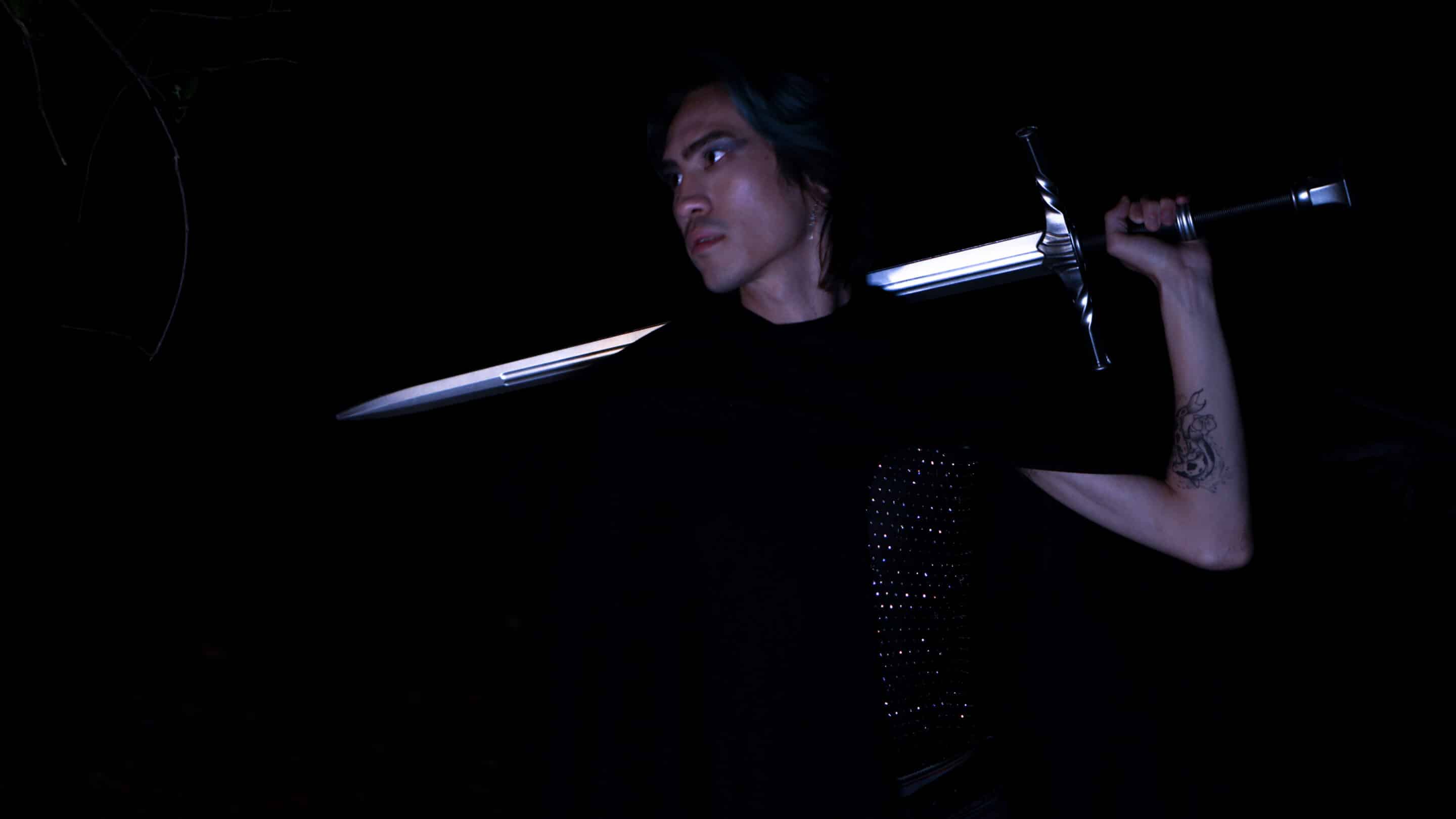
From Pennsylvania to Los Angeles: Building an Independent Pop Universe
BRAZN’s musical development has been shaped by a long process of experimentation and self-education.
Originally from Pennsylvania and now based in Los Angeles, they grew up with a passion for singing and performance.
But their artistic identity expanded significantly when they began exploring music production.
What started as a singer-songwriter practice gradually evolved into a more comprehensive understanding of sound design, arrangement, and electronic composition.
During the pandemic, BRAZN began dedicating more time to learning production techniques.
While attending college classes online, they studied tutorials on YouTube, drew on introductory production courses, and sought advice from friends with more experience.
The process was challenging.
But it gave them a level of creative independence they hadn’t previously possessed.
“Learning music production was so important to me and my artistry because it unlocked a new side of the music-making process that I love.”
For an artist whose work depends heavily on the relationship between emotional storytelling and sonic atmosphere, that independence is particularly valuable.
BRAZN no longer has to rely entirely on another producer to interpret their ideas.
They can construct the musical environment themselves.
Experiment with different arrangements.
Change the emotional trajectory of a song.
And develop the production until it more closely resembles the world they imagined.
“Learning it has kind of enabled the control freak that I am with my music,” they admit.
“But it has also let me sculpt my vision sonically in the way that I want to.”
Their influences include Troye Sivan, Charli XCX, Porter Robinson, Oklou, and Rina Sawayama.
Artists whose work demonstrates the flexibility of contemporary electronic pop.
But BRAZN doesn’t see developing a distinctive identity as a matter of finding one fixed sound and repeating it indefinitely.
Instead, they are interested in allowing different songs to explore different emotional and musical territories.
One track might be aggressive.
Another might be slower and more vulnerable.
Another might prioritize the physical energy of dance music.
And some might combine all three.
For BRAZN, that variation isn’t a lack of artistic direction.
It’s a reflection of the different musical experiences they enjoy.
The process also requires patience.
“I’m still learning and honing to this day!” they explain.
“Experimenting is all a part of the artist journey, and I’ve learned to accept that you’re not gonna get it right the first time.”
It’s a revealing parallel to the message of “My Final Boss.”
Creative development, like emotional growth, rarely follows a straight line.
You experiment.
You make mistakes.
You learn.
And you continue.
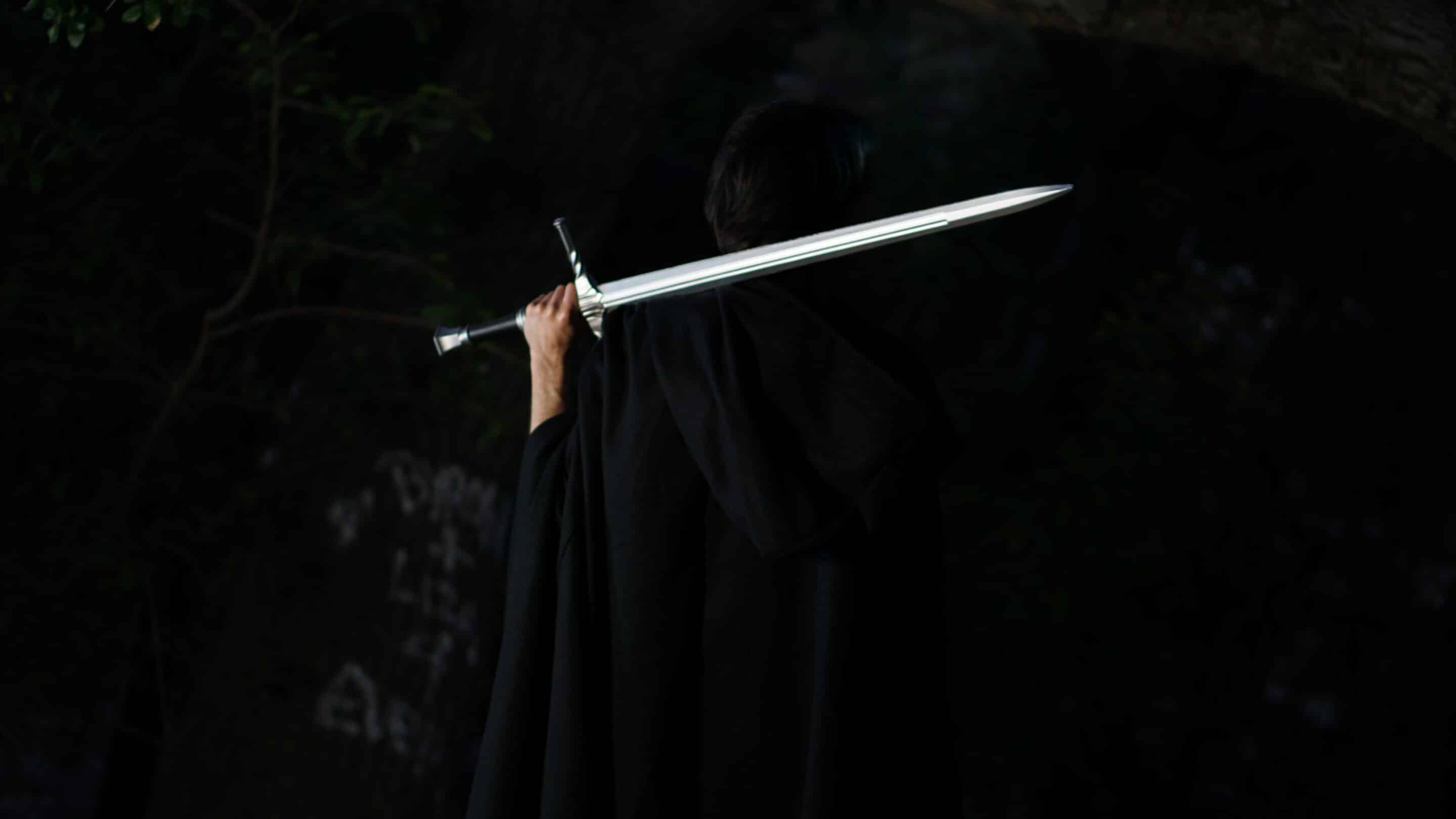
Gaming, Queer Identity, and the Freedom to Become Someone Else
Video games are more than an aesthetic influence on BRAZN’s music.
They also played an important role in their understanding of identity and community.
Growing up, gaming provided access to social environments where they could connect with people across different genders and sexualities.
Those online communities became important spaces for friendship during middle school and high school.
For someone navigating questions of identity, the ability to connect with accepting communities can be transformative.
And BRAZN sees a direct relationship between the freedom offered by virtual worlds and the possibilities of artistic expression.
“When you play a game, you’re playing as a different person, and that’s how I feel with BRAZN.”
The comparison is particularly revealing.
BRAZN isn’t simply a stage name.
It’s a character.
An amplified version of the person behind the music.
A space where qualities that may feel difficult to express in everyday life can become more visible.
“BRAZN is a different character, but also an elevated version of the real me.”
That idea connects the theatricality of pop performance with the imaginative freedom of gaming.
In a video game, players can inhabit identities, abilities, and environments that differ radically from their everyday circumstances.
In music, artists can construct personas that allow them to explore aspects of themselves that might otherwise remain hidden.
Neither experience necessarily represents an escape from authenticity.
Sometimes adopting a different identity creates the freedom to express something more truthful.
For BRAZN, the artistic persona becomes a vehicle for confidence.
A way of imagining what it might feel like to exist without shame.
And an opportunity to invite listeners into that same imaginative space.
Queer Pop Beyond the Label
BRAZN is proud to identify as a queer artist.
But they are equally aware of the limitations that can emerge when the music industry treats queer identity as a restrictive category.
Over the past decade, LGBTQ+ artists have gained greater visibility within mainstream pop.
The internet has also created opportunities for emerging musicians to find audiences and communities without relying exclusively on traditional industry gatekeepers.
BRAZN recognizes the significance of those developments.
But they believe representation remains incomplete.
“There needs to be more trans/non-binary artists in the mainstream!”
They point to performers such as Sam Smith, Demi Lovato, and Kim Petras as important figures in expanding visibility, while highlighting artists including Underscores, Ethel Cain, and Christine and the Queens as examples of the creative talent deserving greater recognition.
For BRAZN, the issue isn’t simply whether queer musicians are visible.
It’s whether they are allowed the same artistic range as everyone else.
They resist the assumption that identifying as an LGBTQ+ artist should determine how their music is categorized, marketed, or understood.
“I view myself as a queer artist, and I’m proud of that label, but just because I am doesn’t mean that label should limit my potential!”
It’s an important distinction.
Identity can inform art without exhausting its meaning.
A queer musician can write about sexuality, discrimination, and self-acceptance.
But they can also write about fantasy, technology, friendship, ambition, or any other aspect of human experience.
For BRAZN, being unapologetically queer is part of their artistic identity.
It is not the boundary of their imagination.
The Difference Between Winning and Healing
Although “My Final Boss” imagines personal growth as a triumphant battle, BRAZN is fully aware that real emotional development doesn’t end with a single victory.
There is no final level after which insecurity disappears forever.
No permanent immunity to anxiety.
And no moment when self-acceptance becomes entirely effortless.
“Wouldn’t it be great if it was as simple as beating a video game to be more self-accepting?” they joke.
Instead, BRAZN describes confidence as a process that requires ongoing attention.
Therapy.
Self-awareness.
Reflection.
And support from people who care about them.
They credit friends, family, and their therapist with helping them navigate difficult experiences.
But they also emphasize the importance of examining their own behavior.
Looking back at situations they regret.
Understanding why they reacted in particular ways.
And attempting not to repeat the same mistakes.
It’s an approach that rejects the idea of confidence as a purely external performance.
Real growth requires an honest relationship with yourself.
Including the parts that are uncomfortable to confront.
And while the song’s gaming metaphor offers the fantasy of a decisive victory, its emotional message is more grounded.
Sometimes success means recognizing a negative thought before it takes control.
Sometimes it means asking for help.
Sometimes it means acknowledging that you’re struggling.
And sometimes it simply means continuing to move forward.
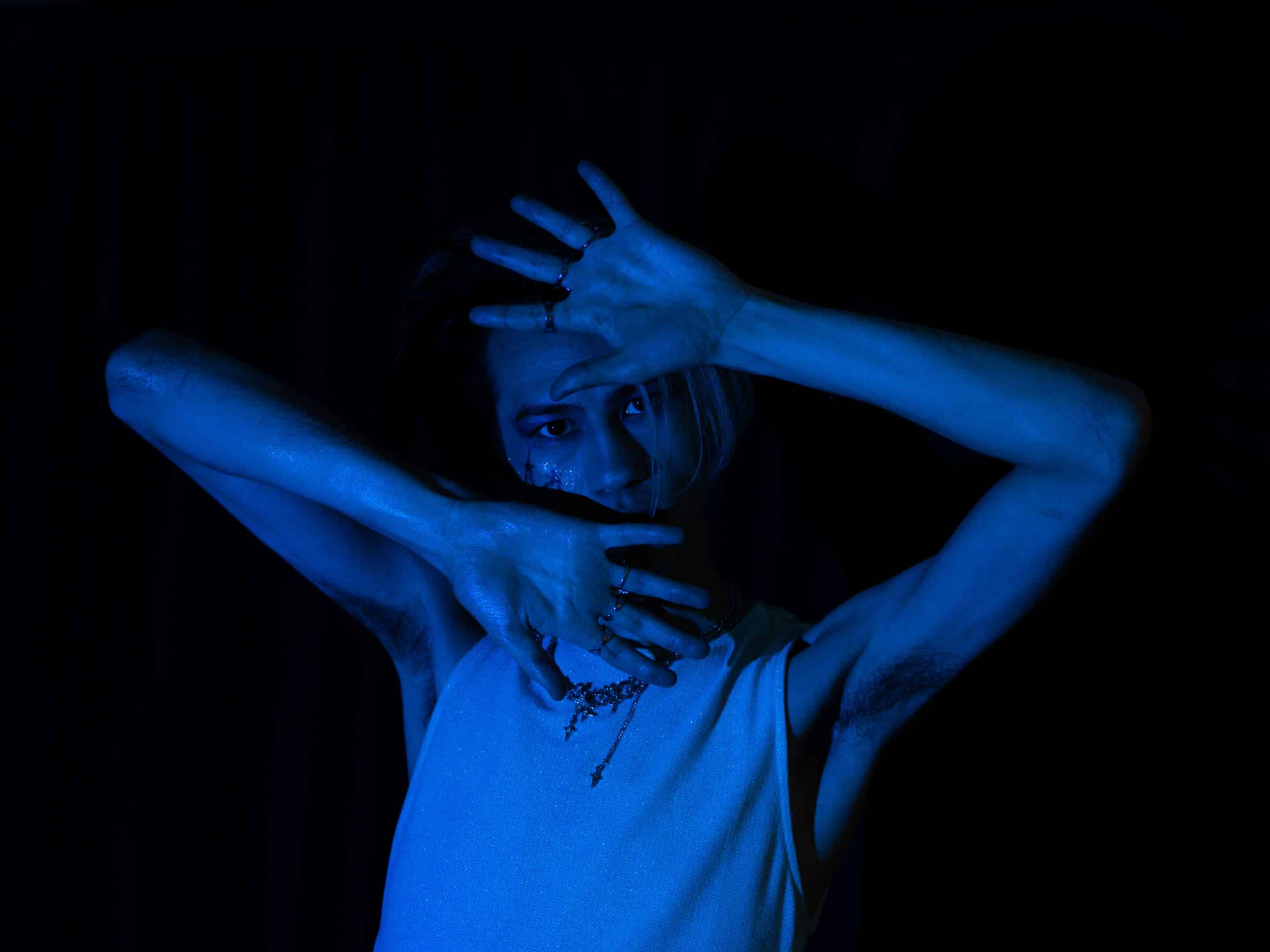
In Conversation With BRAZN
MUNDANE: Your new single “My Final Boss” uses the language of video games to explore the confrontation with our deepest insecurities. What inspired you to frame personal growth as a final boss battle, and do you believe overcoming our darkest thoughts is about defeating them entirely or learning how to coexist with parts of ourselves we once considered enemies?
BRAZN: As someone with anxiety, learning to coexist by acknowledging and overpowering my negative thoughts has always been something I’ve had to work on. But in a way, by coexisting with those thoughts and taking away their control by saying, “I am worthy of this or that; these thoughts are not my own”, I view that as defeating them. It’s a constant battle that became a focal point for this single and my previous one, but it’s a battle I continue to overcome every day.
MUNDANE: The track combines cinematic storytelling, maximalist electronic production, and triumphant vocal melodies. How did you translate the emotional tension and eventual release of a video game boss battle into musical elements, and were there particular games, soundtracks, or visual worlds that influenced the production?
BRAZN: It all boils down to the peaks and valleys of the instrumentation and vocal melodies. The intro starts very in your face with big synths and piano, then I stripped it back to just my vocals, drums, and bass for the first verse. More synths come in, the drums get bigger, and the pace speeds up as the song goes on, until it strips back again in the second verse. I viewed it as like waves…or trekking up a steep mountain. Same with the vocal melodies. I wanted the main lead to feel like you’re climbing up that mountain when the pre-chorus hits into the chorus, at which point you meet the top of it. Actually, that’s how I visualized the whole song. I took inspiration from games like The Legend of Zelda and League of Legends when making this song because I thought they’re both similar in how I visualized the song. Anime also played a big part in the visualization of this song, as I envisioned it being played during a big battle in a show like My Hero Academia.
MUNDANE: Your artistic identity revolves around the idea of being bold without shame, yet you’ve described vulnerability as the foundation of true confidence. How has your experience as a queer artist shaped that understanding, and do you think contemporary pop culture sometimes confuses genuine self-acceptance with the pressure to project an image of constant confidence?
BRAZN: Being queer, you’re always vulnerable to the outside world. It’s situations like coming out to someone new and worrying whether they’ll think of you differently, or worrying about getting harassed in public because of the way you dress, etc. Living and going outside every day as a queer person takes courage when it shouldn’t have to! That’s where I believe being bold and being vulnerable overlap. They’re two sides of the same coin, and it takes courage to be both. As someone who dresses more androgynously, I’ve taken the steps to be vulnerable with myself and others, and that has emboldened me to walk out into the world without worrying about what others might think of my appearance.
I think people now more than ever see through projections and crave artist authenticity more than ever. People, especially on the internet, are very aware of when someone is being fake. To me, true confidence is achieved by learning from hardship and overcoming it, and when someone has gone through that, it’s clear as day.
MUNDANE: Your music transforms difficult experiences, including rejection, heartbreak, and mental health struggles, into bright, energetic electronic soundscapes. What draws you to expressing painful emotions through euphoric production, and do you see dance music as a form of escapism or as a way of confronting experiences that might otherwise feel overwhelming?
BRAZN: I see dance music as part escapism, but also a form of healing for me! When I’m dancing and moving around, it gives me that dopamine rush that I need. When combined with music, it’s like I’m in another world. I think that by combining that with my lyrics that approach sadder topics, it helps me process those more painful emotions in a healthy way. It’s the perfect catharsis!
MUNDANE: You’ve spent the past decade teaching yourself music production, developing a sound influenced by artists such as Charli XCX, Troye Sivan, Porter Robinson, and Oklou. How has producing your own music shaped your creative independence, and what have you learned about building a distinctive artistic identity in a pop landscape where experimentation and genre boundaries are constantly evolving?
BRAZN: Learning music production was so important to me and my artistry because it unlocked a new side of the music-making process that I love. I started as just a singer/songwriter, but really buckled down on production during the pandemic because I wanted to learn how to. At the time, I was taking college classes online and teaching myself music production on the side using YouTube. It helped that I took some basic production classes beforehand and had friends who were experienced in production who gave me advice. Learning it has kind of enabled the control freak that I am with my music, but it has also let me sculpt my vision sonically in the way that I want to. By listening to the artists that I love and taking bits and pieces of the things that I love about their music, I’ve been learning to craft a sound that’s unique to myself. I’m still learning and honing to this day! Experimenting is all a part of the artist journey, and I’ve learned to accept that you’re not gonna get it right the first time (even though I want to lol) and that’s okay! These things take time.
MUNDANE: Video games often allow players to inhabit alternative identities, explore unfamiliar worlds, and experience a sense of agency that might be harder to access in everyday life. Has gaming played a role in your own understanding of identity and self-expression, and do you see parallels between the freedom of virtual worlds and the possibilities of queer artistic expression?
BRAZN: It has, and there are total parallels between gaming and artistry! When you play a game, you’re playing as a different person, and that’s how I feel with BRAZN. BRAZN is a different character, but also an elevated version of the real me. With both, you can really be anyone you want to be. Also, gaming in general was important to me in my formative years because it opened up a community of people for me who are accepting of all genders, sexualities, etc. That’s how I made my friend groups back in middle school and high school, and I feel a real sense of connection to it, even if I don’t play as much as I used to.
MUNDANE: The queer pop landscape has evolved significantly, with more artists openly exploring sexuality, identity, and personal vulnerability through experimental electronic music. What do you think this new generation of queer performers is bringing to pop culture that previous generations couldn’t express as freely, and where do you still see limitations or expectations being imposed on queer artists?
BRAZN: I think the general public overall is a lot more accepting of LGBTQ+ people, so with the new generation of queer artists, they’re able to speak up about LGBTQ+ issues more openly and with more visibility, which is important. Because of the internet and social media too, queer artists can find safety in their community more easily, since we’re all online hahaha. However, widespread acceptance of the LGBTQ+ community is certainly not perfect, and there’s still a lot more to improve on in that department.
Let me tell you, there needs to be more trans/non-binary artists in the mainstream! (And I’m not just talking about myself lol). Artists like Sam Smith, Demi Lovato, and Kim Petras have really paved the way for more trans/non-binary visibility in the music industry, but there are so many talented trans/nonbinary artists that deserve the spotlight (or more of one) i.e., Underscores, Ethel Cain, Christine and the Queens, etc. I think there’s this expectation that when you or others label you as an LGBTQ+ artist, you’re solely in that box of being a queer artist rather than just an artist. I view myself as a queer artist, and I’m proud of that label, but just because I am doesn’t mean that label should limit my potential!
MUNDANE: “My Final Boss” presents personal transformation as a triumphant experience, but real emotional growth is rarely as straightforward as winning a video game. How do you reconcile the fantasy of a definitive victory over insecurity with the reality that confidence and self-acceptance often require continuous work, and what does success in that process actually look like to you?
BRAZN: You’re right! And yeah, wouldn’t it be great if it was as simple as beating a video game to be more self-accepting? We just have to accept that the road to self-acceptance and confidence takes time. It’s winding, but that’s the human experience.
From my experience, success is a couple of things: Therapy, self-awareness, reflection, and a support group. I’m so lucky to have these things to help me in my day-to-day. Whenever something goes wrong, I need to talk it out, so I’m happy that I have my friends, family, and therapist to help me process my feelings. I also think self-awareness and reflection are really important and often overlooked. I look back at situations where I regret what I did or said and ultimately learn from that so I don’t make those mistakes again, and that’s helped me a lot.
MUNDANE: Your music combines an increasingly ambitious electronic sound with deeply personal storytelling. When you’re developing a song, do you begin with the emotional message or the sonic world you want to create, and how do you balance the desire to make something accessible and exhilarating with the need to communicate more complicated feelings?
BRAZN: It varies! A lot of the time, I come up with concepts in my head to write about (I’m a very metaphorical writer). Other times, I start by randomly messing around in Ableton and seeing what beat I make that day. Plenty of times I write about situations that affected me deeply right after they happen hahaha. For “My Final Boss,” it started with a random day of making a beat, which turned into the production of the chorus, and the concept/lyrics came in afterwards.
I guess I’ve never really thought about balance. I’ve always just made music that I would listen to on repeat, and thought that eventually I’d find my audience for. Not everyone will like it, but what matters is that I do. I take the Rina Sawayama route where there’s something different about every one of my songs on a project. You might get something really aggressive from me, something slower and emotional, or something really dancy, or a combination! And that’s because I love making all of it. Something I think I do best is juxtaposition. I love it; having a beat that’s electrifying with darker lyrics is so interesting and alluring to me.
MUNDANE: You’ve described your ultimate goal as helping listeners feel bold enough to express themselves without shame. As your career develops, what kind of emotional or cultural space do you hope to create for your audience, and what would you like someone struggling with their own identity or insecurities to take away from hearing “My Final Boss”?
BRAZN: I remember back in 2021, a friend of mine listened to my track “ANDRO” and told me that when listening to that song, it helped with their journey of coming out as non-binary. I thought that was such a cool and amazing experience to have a part in, and I want others to feel the same. I want to spark internal conversations with my listeners, not only to discover who they truly are, but also to feel powerful in their identity.
With “My Final Boss,” it’s no different. We all must cope with our negative self-talk, and if someone needs a lifeline to do so, I hope that they can listen to this song in their time of need. I know it helps me get the energy and motivation I need to get through the day.
The Victory Is Becoming Yourself
Perhaps the most meaningful aspect of BRAZN’s artistic vision is that it doesn’t require listeners to become someone entirely different.
Instead, it invites them to recognize the possibility of becoming more fully themselves.
That idea is embedded in the relationship between the artist’s public persona and their personal identity.
BRAZN is an elevated character.
A more fearless expression of the person behind the music.
But that character doesn’t exist to conceal vulnerability.
It exists to make vulnerability easier to express.
The distinction becomes particularly important when considering the emotional message of “My Final Boss.”
On the surface, the track imagines self-acceptance as a climactic victory.
An impossible enemy defeated.
A dramatic musical crescendo.
A moment of triumph.
But the artist behind it knows that the real work continues long after the music stops.
Confidence requires repetition.
Self-awareness requires honesty.
And healing often involves revisiting emotional challenges we thought we had already overcome.
In that sense, the song’s video game metaphor becomes something more interesting than a simple story of victory.
It becomes a way of understanding persistence.
The willingness to return to a difficult challenge.
To learn from previous attempts.
To recognize progress even when the outcome remains uncertain.
And to continue believing that growth is possible.
For BRAZN, that belief is also connected to the impact music can have on other people.
They remember a friend telling them that their 2021 track “ANDRO” had helped with their journey of coming out as non-binary.
The experience revealed how deeply personal artistic expression can become meaningful to someone else’s life.
A song written from one person’s perspective can help another person find language for their own identity.
And a musical world created through imagination can become a space where someone feels less alone.
BRAZN hopes “My Final Boss” can offer something similar.
Not a magical solution to insecurity.
Not a promise that anxiety will disappear.
But a source of energy, recognition, and encouragement for listeners confronting their own internal struggles.
“I want to spark internal conversations with my listeners, not only to discover who they truly are, but also to feel powerful in their identity.”
It’s an ambition that extends beyond the conventions of an empowering pop anthem.
Because the ultimate message isn’t simply that everyone should be confident.
It’s that everyone deserves the freedom to explore who they are without shame.
And that sometimes, becoming stronger begins with admitting that you’re afraid.
For BRAZN, defeating the final boss doesn’t mean silencing every insecurity forever. It means discovering that those insecurities no longer have to control the story.
And if that realization arrives accompanied by enormous synthesizers, distorted vocal chants, and a chorus that feels like the soundtrack to saving the world, all the better.
BRAZN — “My Final Boss”
Artist: BRAZN
Single: “My Final Boss”
Release: Out now on all streaming platforms
Genre: Electropop / Electronic Pop / Queer Pop
Based in: Los Angeles, California
Influences: Charli XCX, Troye Sivan, Porter Robinson, Oklou, Rina Sawayama
“My Final Boss” is a cinematic electronic pop anthem that transforms the struggle against anxiety and insecurity into a triumphant, video game-inspired confrontation. Through maximalist production and deeply personal storytelling, BRAZN invites listeners to embrace vulnerability, challenge negative self-talk, and discover the courage to express themselves without shame.