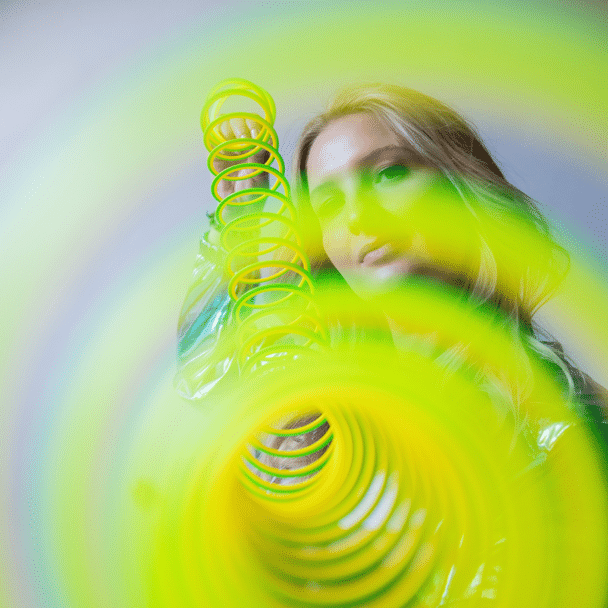
For Claire Guerreso, songwriting has always been less about fitting into a genre than finding the emotional core of a moment. Across indie-pop, electronic production, soul, rock, and cinematic balladry, the singer-songwriter has built a career around versatility without sacrificing intimacy. Her music has appeared across major television series including Grey’s Anatomy, Station 19, Lucifer, Pretty Little Liars, Reign, and The Walking Dead: World Beyond, where her songs have often found second lives inside emotionally charged scenes.
Her latest single, “Here For It,” turns toward something lighter. Framed as a summer anthem, the track is built around presence, spontaneity, and the simple joy of being exactly where you are. Rather than chasing drama, the song celebrates road trips, beach days, friendships, long nights, and the fleeting ordinary moments that often become the memories we keep the longest.
That brightness doesn’t feel disconnected from Guerreso’s more introspective work. If anything, it expands the emotional vocabulary she has been building for years. Her darker, more ethereal songs and her buoyant pop releases exist as different expressions of the same instinct: finding something truthful enough that listeners can recognize themselves inside it.
We spoke with Claire Guerreso about embracing joy without irony, writing across genres, creating music for film and television, and why learning to live in the moment may be one of the most important lessons of all.
What inspired you to create a song that embraces carefree moments at a time when life often feels so fast-paced?
I think we all need reminders to slow down. Life moves so quickly that it’s easy to miss the little moments that end up meaning the most. “Here For It” came from wanting to celebrate those simple experiences like being with people you love, letting go of expectations, and choosing presence over perfection. I wanted the song to feel like permission to just enjoy where you are.
Your music moves through indie-pop, electronic, rock, soul, and cinematic songwriting. How do you navigate such different musical worlds while still maintaining a recognizable artistic identity?
For me, genre has never been the starting point, emotion is. Whether I’m writing something cinematic, electronic, indie-pop, or stripped back on piano, I’m always chasing the same thing: honesty. The production may change, but the heart of the song stays the same, and I think that’s what connects everything I create.
Your work has become closely associated with film and television. How does writing for visual media differ from creating music that tells your own story?
Writing for film and television is a unique and fun challenge because you’re serving a larger story. You’re trying to amplify a character’s emotions or a specific moment without taking attention away from it. Both approaches are incredibly rewarding because, at the end of the day, they’re about creating an emotional connection.
Much of your catalog explores darker or more reflective emotions. Did creating “Here For It” offer a different kind of emotional release for you as a songwriter?
Absolutely. A lot of my music explores deeper or more reflective emotions, and I love that space, but it felt refreshing to write something that simply celebrated joy. This song expresses a different side of life. Sometimes choosing happiness is just as vulnerable as writing about heartbreak.
Your songs can range from intimate piano-driven moments to expansive electronic productions. How do you decide what kind of sonic landscape best serves the story you’re trying to tell?
I always let the emotion lead. Every song seems to tell me what it wants to become. Some ideas ask for something intimate and organic, while others need bigger textures or electronic elements to fully come alive. I never want production to overpower the message, it should always deepen the feeling.
Your music has appeared in series like Grey’s Anatomy, Lucifer, Pretty Little Liars, and The Walking Dead: World Beyond. What does it feel like knowing your songs often become part of some of television’s most memorable emotional moments?
It’s incredibly humbling. I may write a song in a room, often from a very personal place, and then suddenly it’s connected to a scene that resonates with millions of people. I love hearing stories from listeners who discovered my music through a show because it reminds me that songs can take on lives of their own and mean something completely different to every person.
You’ve spent years writing music designed to connect emotionally across very different contexts. What, in your experience, makes a song feel emotionally timeless rather than simply timely?
I think timeless songs speak to emotions that don’t really change, like love, hope, loss, longing, joy, resilience. Trends come and go, but genuine human experiences stay the same. If a song tells the truth about how it feels to be alive, I think people will continue to find themselves in it years later.
There’s an interesting contrast between the haunting, introspective side of your music and the more carefree energy of “Here For It.” Do you see those moods as different creative outlets, or as equally important parts of your personality?
Both. None of us live in just one emotional space. There are seasons of reflection and seasons of celebration, and I want my music to make room for all of it. The quieter, darker songs and the brighter, more uplifting ones all come from the same place, they’re just different snapshots of the human experience.
“Here For It” is ultimately about presence—choosing to experience life rather than constantly anticipating what’s next. Has your own perspective on living in the moment changed over the years?
Definitely. I think as I’ve grown, I’ve become much more aware of how precious ordinary moments really are. It’s easy to spend so much time thinking about what’s next that you miss what’s happening right now. “Here For It” is really a reminder to myself as much as anyone else to appreciate the people, places, and memories we’re creating every day.