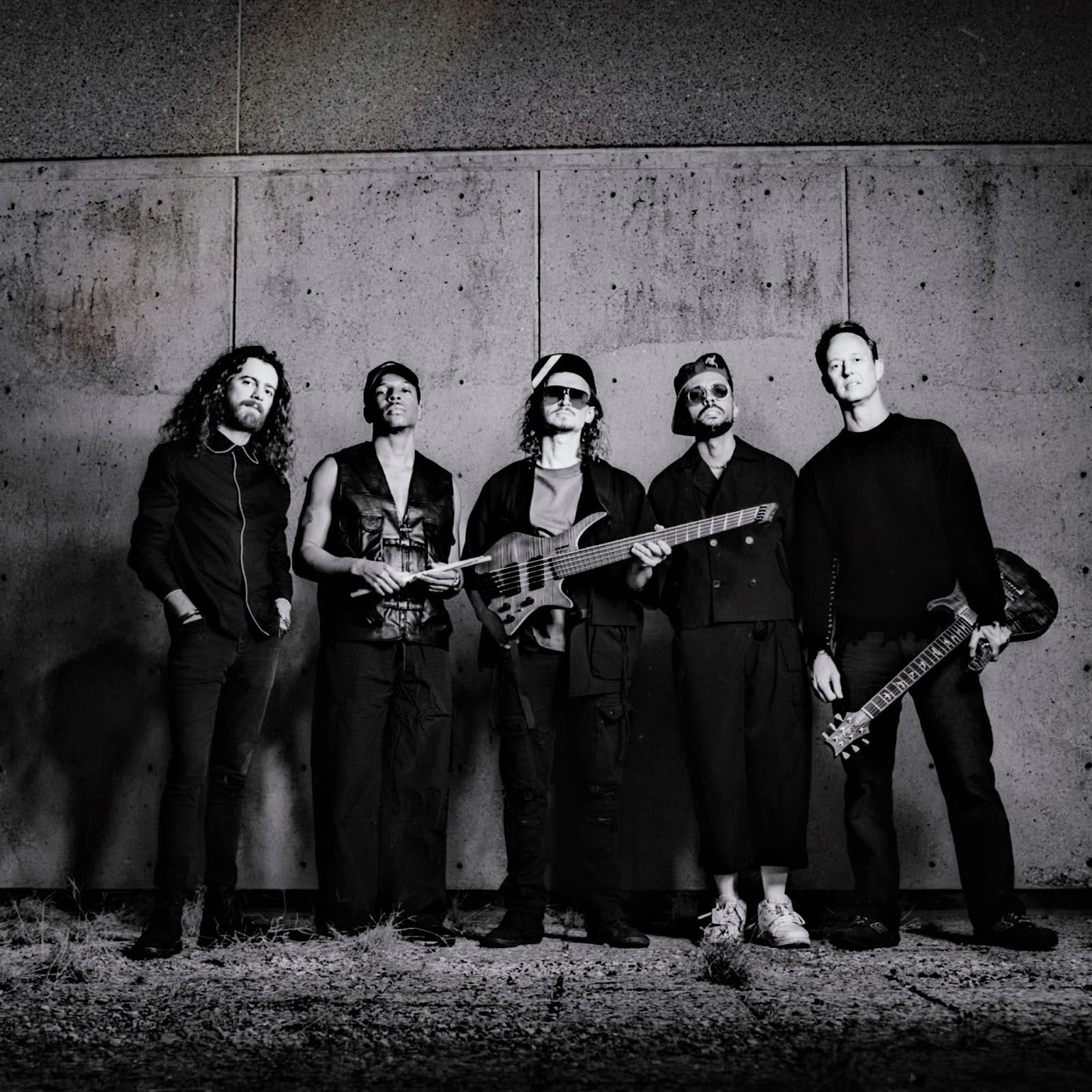
In a musical landscape increasingly driven by singles and algorithmic momentum, the genre-blurring collective 2ŁØT are taking a different path. After a breakout year that saw them collaborate with dance music heavyweights and cross-genre innovators, the band is returning with a project that feels more deliberate, reflective, and narrative-driven.
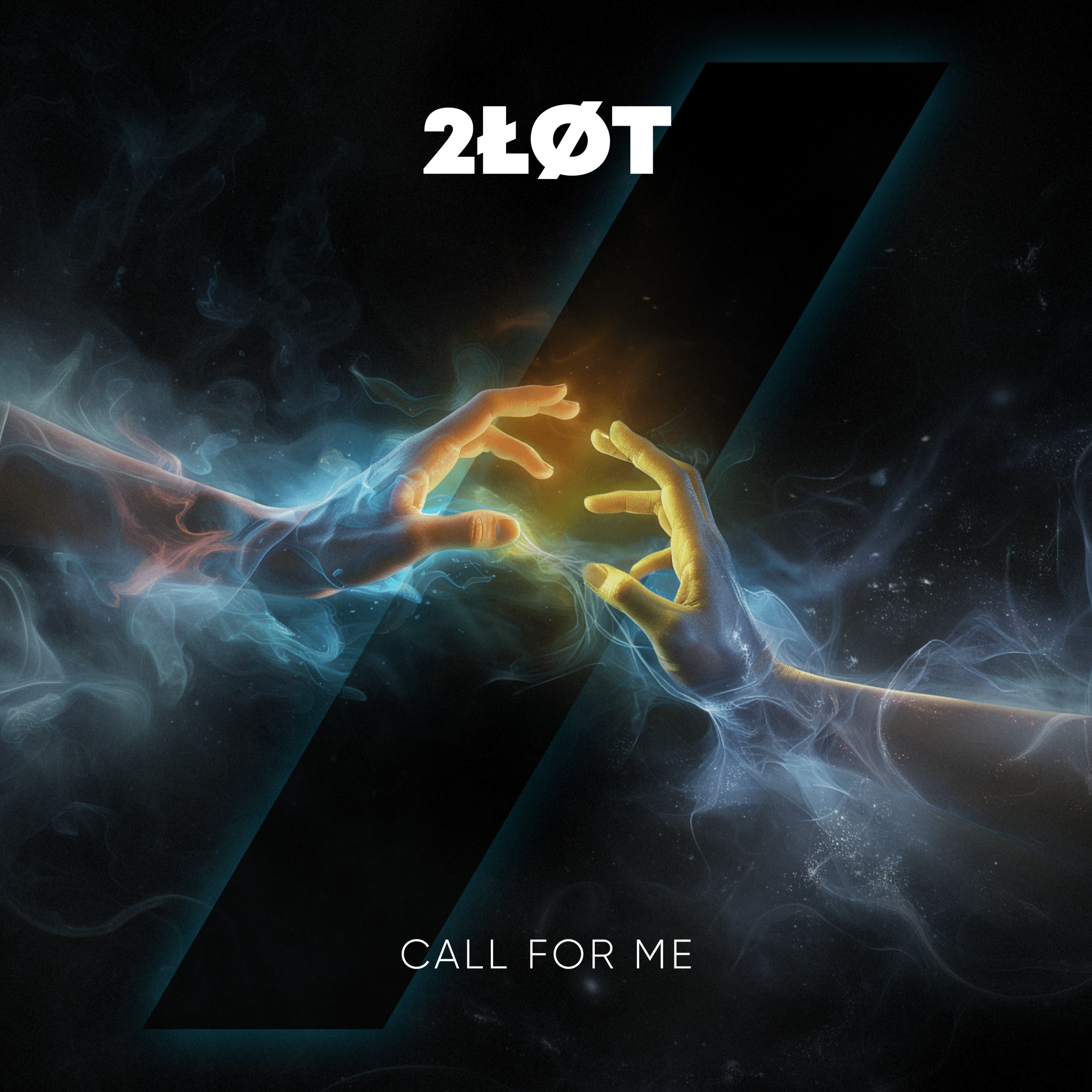
Tomorrow, the electronic-soul ensemble will announce their sophomore album RE/SOLVE alongside its first single, “Favorite Star.” The record follows their debut Entropy, expanding the conceptual universe that has quickly become central to the band’s identity: a sonic and philosophical exploration of chaos, resilience, and what it means to rebuild after life fractures.
With appearances from multi-GRAMMY winners Jon Batiste and Robert Randolph, and production contributions from Ry X, the album signals a new chapter for the group—one that moves beyond survival toward something deeper.
From Entropy to Intention
The name 2ŁØT itself hints at the band’s guiding philosophy. It references the Second Law of Thermodynamics, the scientific principle that systems naturally move toward disorder.
For the band, the concept isn’t just metaphor—it’s lived experience.
“The slashes in our name represent fighting against that decay,” the band explains. “Even if the fight is ultimately a losing battle, it brings that seize-the-day energy to life. If there’s something you want to do and you’re not doing it—go do it.”
Rather than pointing to a single moment where that idea became real, the group describes it as a gradual awareness. Life, like physics, tends toward chaos—but meaning comes from resisting it.
That philosophy formed the backbone of their debut album Entropy, a project that confronted disorder head-on. But RE/SOLVE moves the narrative forward.
“If Entropy was a superhero movie, it would feel like Avengers: Endgame,” frontman Rudy Love Jr. says.
“If RE/SOLVE were a superhero movie, it would feel like Logan. The danger is still real. The stakes may be lower, but the fight somehow feels harder.”
Where the first album captured the triumph of discovering purpose, the new record explores a more complicated emotional terrain: what happens when that purpose begins to drift just out of reach.
“Entropy was about finding our reason why,” Rudy explains. “RE/SOLVE asks what happens when that reason keeps moving farther away—and you have to keep walking anyway.”
Music, Family, and the Weight of Legacy
For Rudy Love Jr., the emotional honesty in 2ŁØT’s music is deeply tied to his lineage.
He is the son of Rudy Love Sr., a revered Wichita soul musician whose work has been sampled and interpreted by artists ranging from Jay-Z to Eric Clapton. His grandfather penned the blues standard Good Morning Little School Girl, later recorded by Clapton and others.
But Rudy frames that inheritance less as prestige and more as responsibility.
“Behind that musical lineage is a legacy of love,” he says. “My family is full of unsung musical heroes who also struggled—with addiction, with loss, with self-doubt. But they never lost their passion.”
One story from his family has become a guiding principle for his songwriting.
“My father once told my grandfather, ‘I’m crying—I can’t sing.’ And my grandfather said, ‘Then sing that.’”
That philosophy—transforming pain into something that can uplift others—sits at the heart of RE/SOLVE.
Rebuilding After Survival
While Entropy documented the confrontation with chaos, RE/SOLVE explores something quieter but equally difficult: rebuilding.
For band member Omar Jahwar, that shift reflects a deeply personal reality.
“Being in survival mode is something I’m familiar with,” he says. “Barely getting by, being thankful for that, but still daring to dream bigger.”
He recalls a phrase his father often used:
“Hope keeps you going when you don’t have product.”
Survival, he explains, is about efficiency—doing what you must to keep going. Rebuilding, however, requires intention.
“Rebuilding takes action. It takes vulnerability,” he says. “You have to be willing to show your scars instead of only the glamorous parts.”
That vulnerability ultimately strengthened the group itself.
“As a band we realized our strength lies in collaboration,” Omar adds. “We learned to lean on each other more.”
Sound as Story
Musically, 2ŁØT occupy a space between electronic experimentation and deeply rooted soul traditions. Synth textures, improvisational passages, and groove-driven arrangements intertwine with Rudy Love Jr.’s emotionally direct songwriting.
For Rudy, storytelling often begins with sound itself.
“There were times where I’d sit in front of a synthesizer and create a sound that felt like bleeding out in the snow,” he says. “Then I’d write with that image in mind.”
Other times the emotion is already present in a melody or instrumental sketch brought by another member of the band.
“In those moments the feeling is already there,” he explains. “My job is to be as truthful as possible when I translate it into words.”
Collaborating With Masters
The band’s rise over the past year has brought collaborations with artists such as Steve Aoki, Paul Oakenfold, Albert Harvey, and Michael Kang.
While those partnerships expanded their sonic reach—particularly within the dance music world—the band approached RE/SOLVE with a more introspective mindset.
“Working with those artists pushes us to grow,” Rudy says. “But whether it’s Steve Aoki or Jon Batiste, the feeling is the same: you’re watching a master at work—or really, at play.”
On RE/SOLVE, the presence of Jon Batiste and Robert Randolph adds new dimensions to the album’s narrative arc.
“They become characters in the hero’s journey,” Rudy says. “Their contributions elevate the music from a small story to something more epic.”
Music as a Catalyst for Change
Beyond the studio and stage, 2ŁØT’s mission extends into real-world activism.
The group supports addiction recovery initiatives, mentors emerging artists in Wichita, and aligns itself with criminal justice reform movements. That work intensified after the passing of Omar’s father, Bishop Omar Jahwar, a community leader dedicated to reducing violence.
“Art should challenge people and inspire change,” Omar says. “It has the power to do that.”
The band has also partnered with The Phoenix, founded by Scott Strode, whose organization has helped more than a million people overcome addiction through community-driven recovery programs.
“Our music is meant to be a bridge,” Omar explains. “Connecting personal struggles to broader social issues—and proving that music can transform lives.”
A New Era Begins With “Favorite Star”
The album’s first single, “Favorite Star,” serves as the opening window into this new era.
Rather than celebrating fame or recognition, the track explores the illusions surrounding the spotlight.
“It’s a moment of self-introspection,” Rudy says. “And also disillusionment with the idea of being seen.”
He describes the metaphor that inspired the song:
“When you look at a star millions of light years away, what you’re seeing isn’t what’s happening in that moment. It’s something from the past.”
In other words, perception rarely reflects reality—a theme that resonates throughout RE/SOLVE.
What Comes After Resolution?
If Entropy explored chaos and RE/SOLVE examines recalibration, the band views the next chapter as something even more fundamental: intention.
“After resolution comes practice,” the group explains. “You have to create intention and focus. There are always distractions.”
Growth, they say, is not a single moment of clarity but an ongoing process.
“It’s about shifting perspectives and experiences,” they add. “Sometimes you find yourself lost again during the journey. That’s when you reflect—and move forward.”
With RE/SOLVE, 2ŁØT aren’t simply releasing another album. They are expanding a philosophical and emotional framework that treats music as both mirror and medicine—an exploration of chaos, recovery, and the slow work of becoming whole again.
If Entropy was the sound of confronting disorder, RE/SOLVE may prove to be something even more powerful: the sound of choosing to rebuild.