by David Polonoff
Photo credit Nick Dove
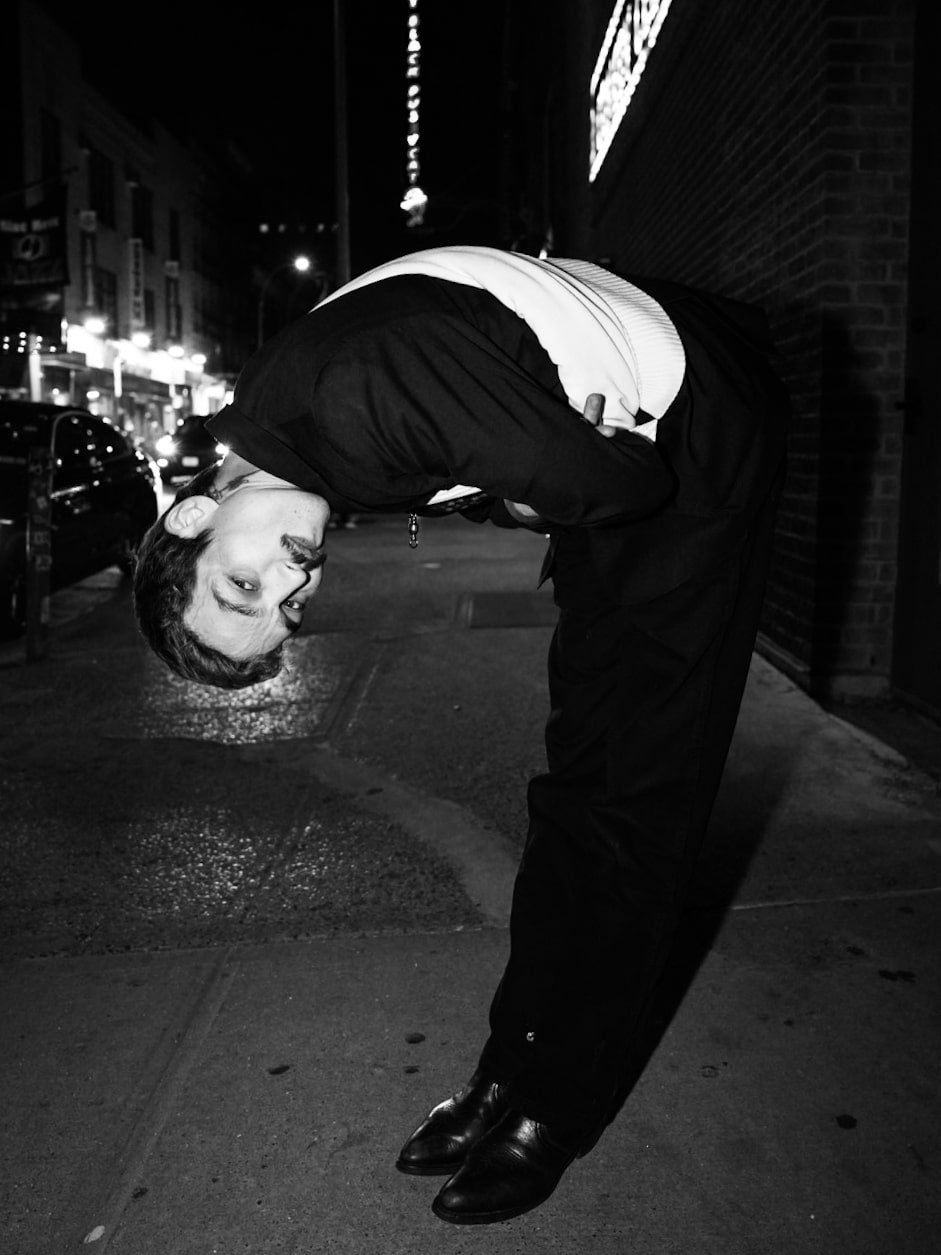
There’s a gasp of shock and awe followed by manic laughter from the audience at Parkside Lounge as Ryanaustin Dennis crashes the fourth wall—or whatever its alt-lit analogue might be called. Stepping down from the stage and crawling over seated listeners, lingering on some of their laps like a semiotically-crazed Vegas lounge singer, all the while nonchalantly holding up a cell phone like Diogenes’ lamp, Dennis declaims booming verses about neon thongs, pop rocks, and “quaking in the air of God.” It’s the perfect opening for “Good Fucking Evening,” an event hosted by Vera PR’s Lydia Sviatoslavsky and the IPC’s Daniel O’Brien celebrating the publication of Joseph Matick’s latest Far West Press volume of poetry, Good Looking Pomes, that successfully breaches the lines between poetry reading, beat happening, and good old-fashioned punk style raucousness.
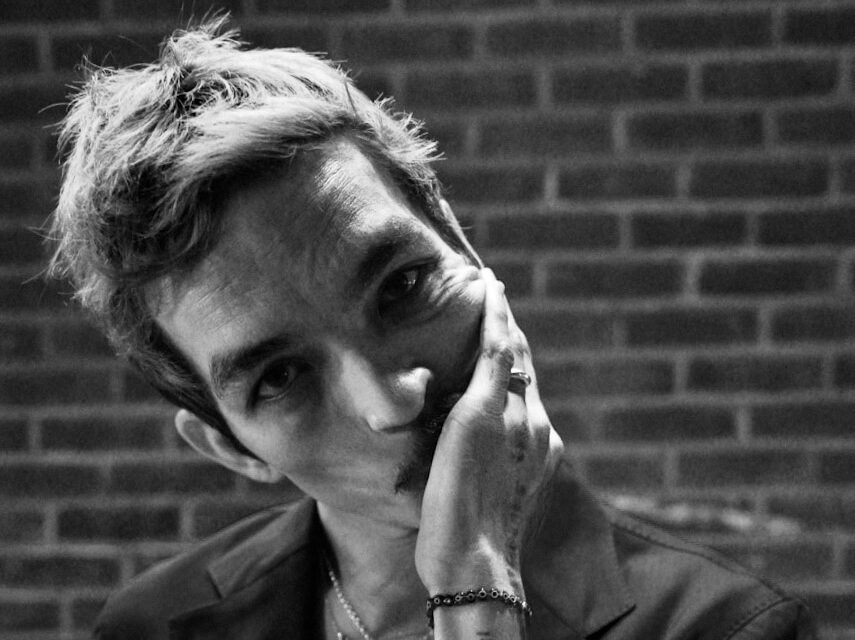
Next up, Cynthia Ross, with her venerable CBGB’s pedigree, carries on the genre-bending energy, reading her poems about “Mad Love and the battle against the shadows,” as her fellow OG Lydia Lunch has described them. Then she and Matick join in a duet of rhyming couplets that they apparently have been emailing one another in a kind of versified version of the exquisite corpse. Starting off a bit jerkily, their exchange spirals into fast, tight rhymes that almost seem like freestyling. The two could probably go on forever, but Matick is not just the evening’s guest of honor but also its host and has MC duties to attend to. Like an introverted combo of John Waters and the Emcee in Cabaret, alternately effusive and withdrawn yet mysteriously engaging nonetheless, he introduces the other artists.
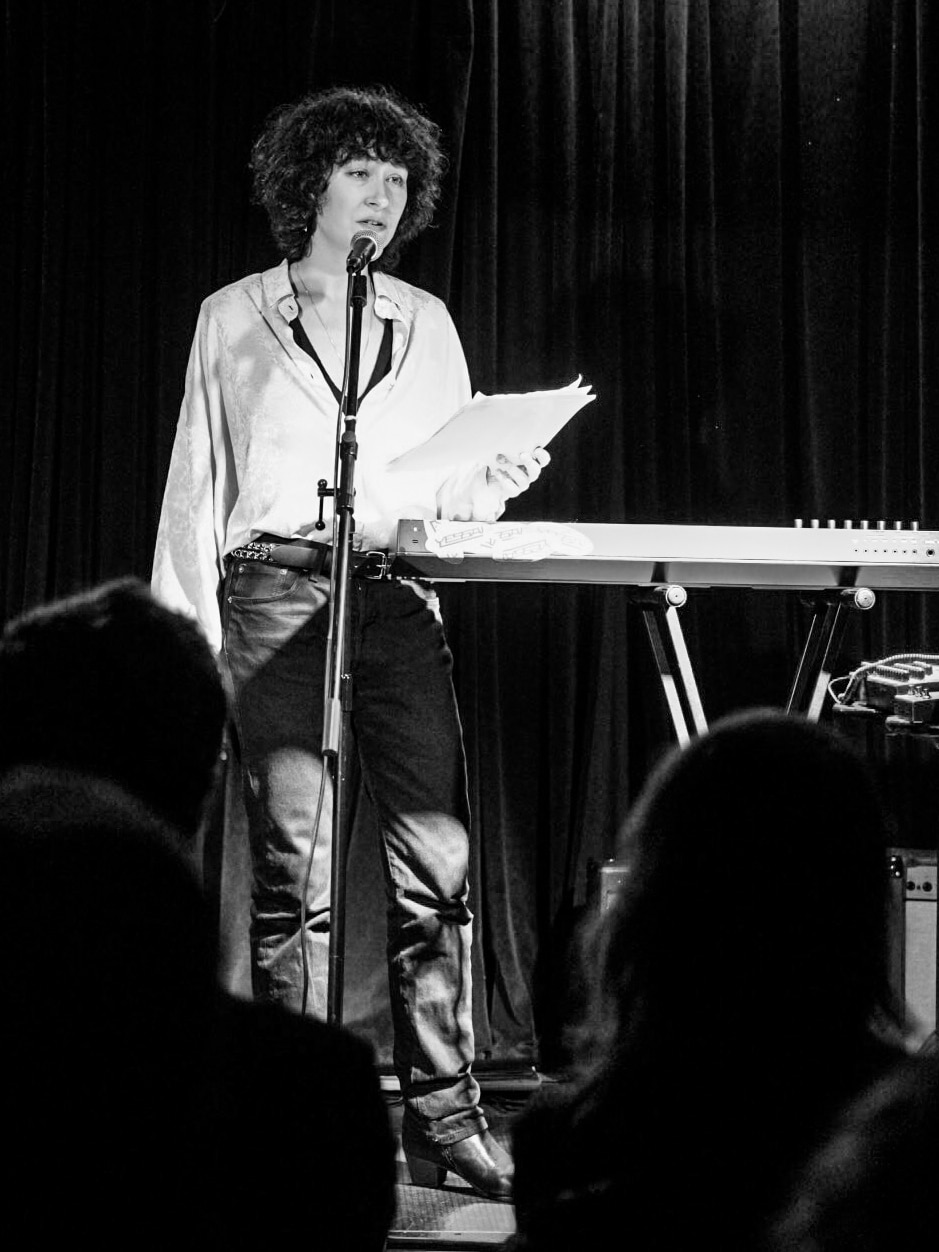
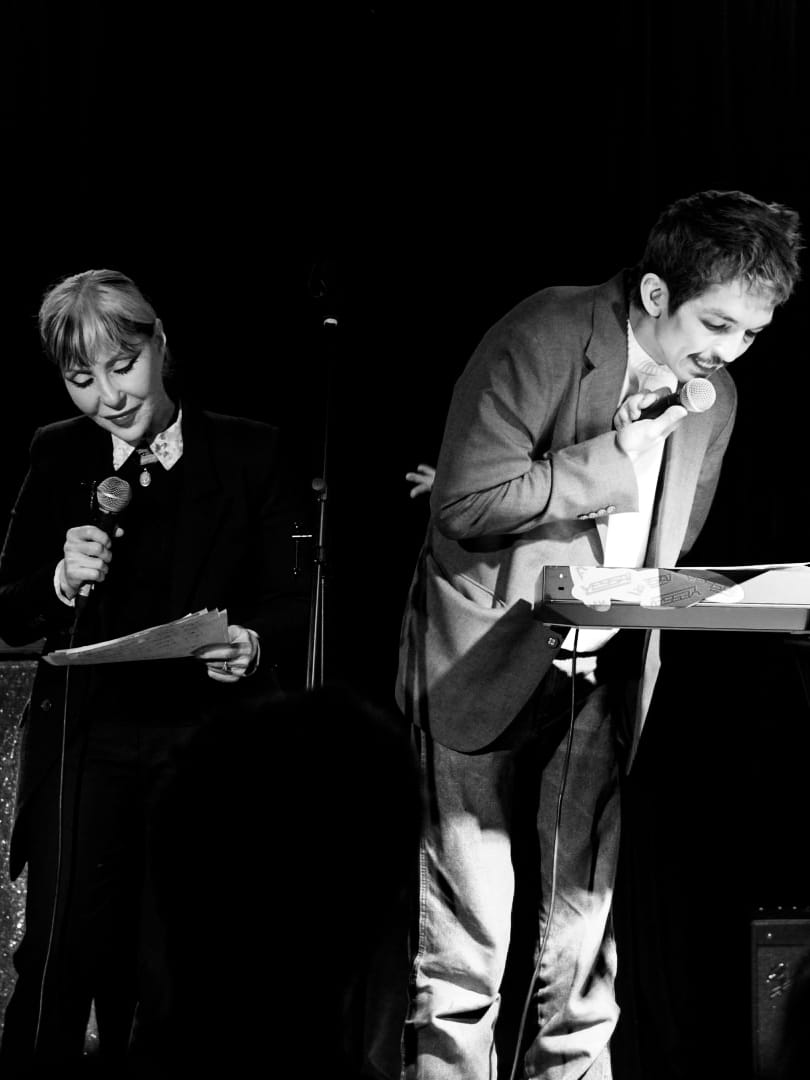
Garett Stanford Phelps reads a Gabriel Garcia Marquez inflected saga of his gun-toting, land-grabbing, sex-addicted Arizona forebears. Clara Joy presents a quietly insinuating poem about the flattening of things, separating us from nature and ourselves: “flowers, surveilled by security cameras” and “junkyards compressed into…phone chargers.” Then the reader I’m most looking forward to, Meg Superstar Princess, takes the stage, or rather settles herself comfortably on it, between a bank of amplifiers and the mic. I last saw her three years ago, as I was just starting my exploration of the new downtown lit scene, at a short-lived venue in a former mob hangout on Mulberry Street, where her conceit of placing ‘le’ before every noun and substituting ‘moi’ for ‘me’ seemed gimmicky, but the undeniable charisma of her aphasic phrasing and unswerving devotion to her own originality left an indelible impression. In the interim she has, dare I say it, matured, racking up the Orphic frequent flyer miles from her many trips over the edge and back to bring us the gimmickless Buddha wisdom to endure life on this side of the edge. “Do you know what I mean when I say that everything hurts? Where is everything getting lost to?,” she intones and repeats in her haunting mantra.
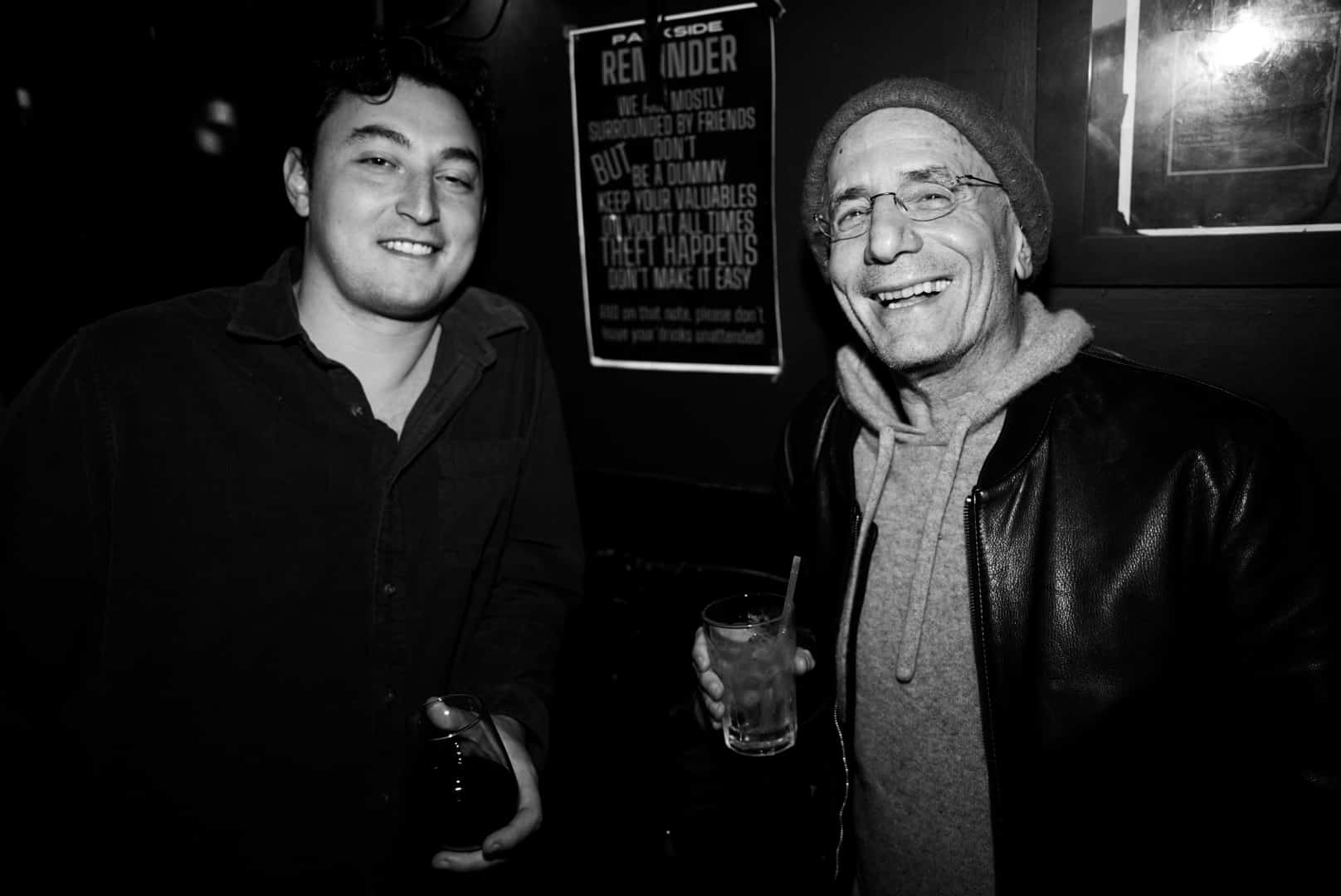
When the applause dies down (ovation not being a possibility in a room where most people are standing), it’s Matick’s turn to shed his MC skin and unleash his poetics. The author bio in his books describes him as a former poet, now bird, and his poems both soar and peck, taking flight toward a vision of the whole and scratching with infinite precision at the details of everyday life. His bio also calls him “the last living American beatnik.” As something of an expert on beats and “wannabeats,” I would venture that he is not last of the line but, as this evening has attested, the latest exemplar of the proud tradition of “angel-headed hipsters.”
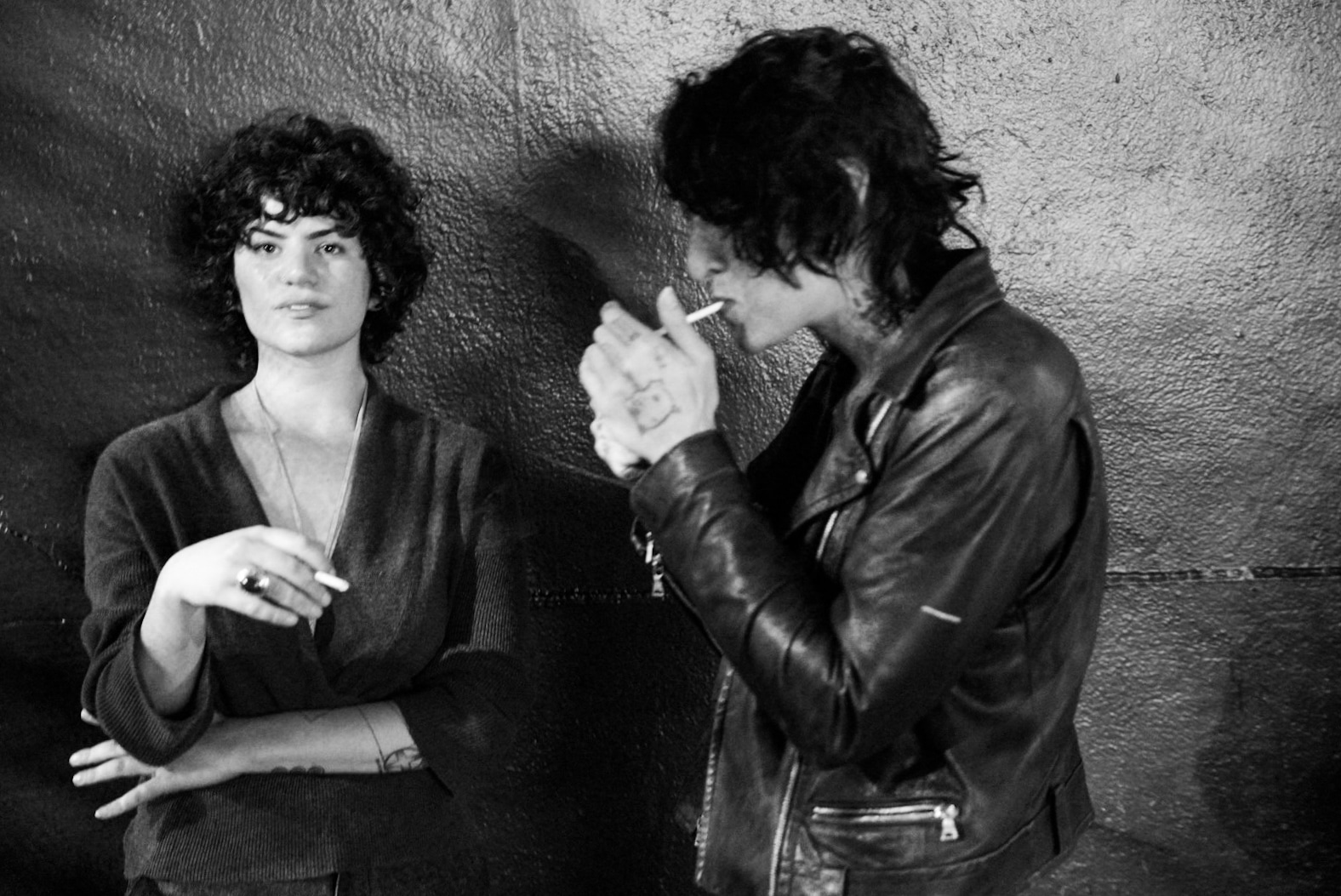
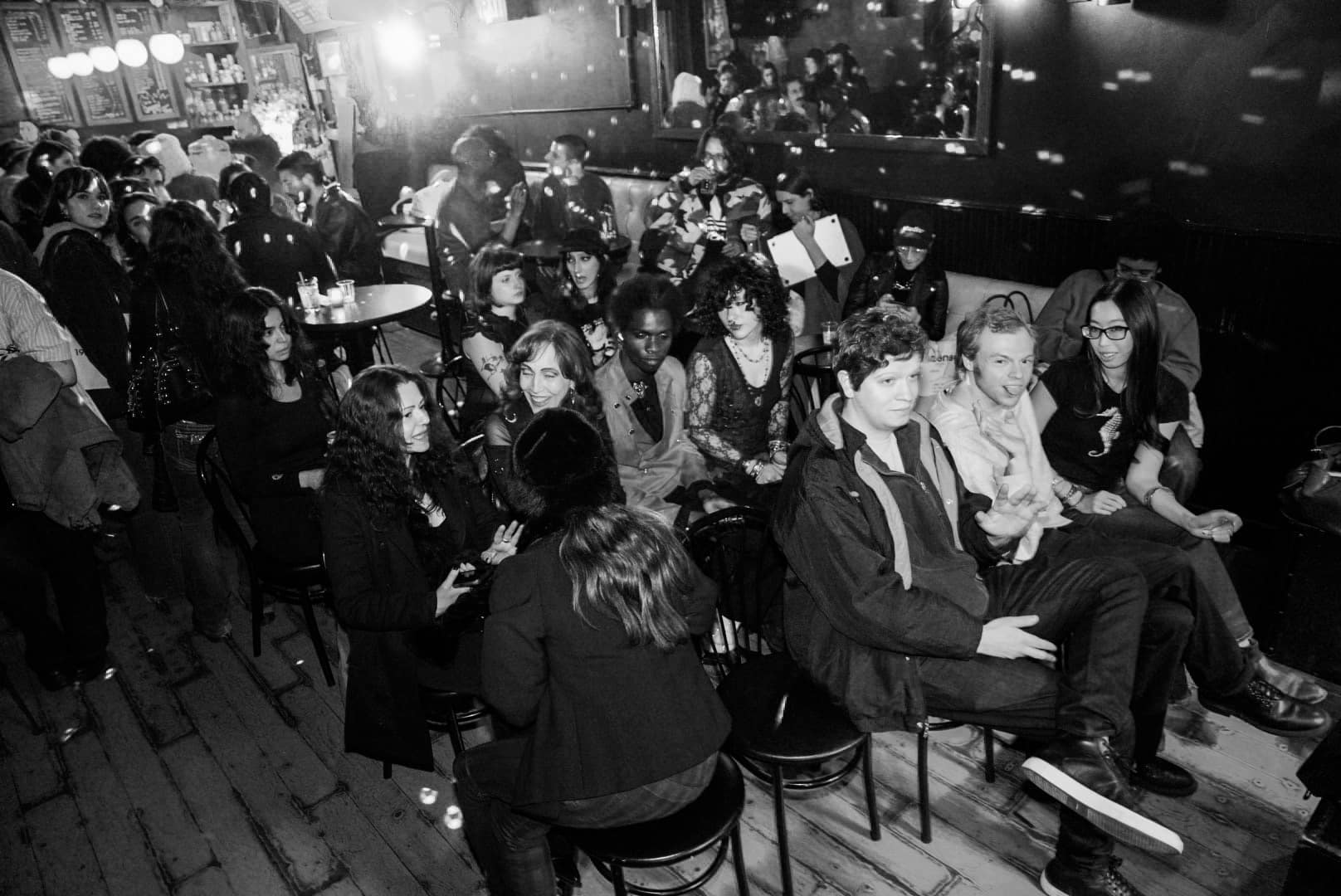
Unfortunately, I have to leave before the musical portion of the evening, featuring the jazz-flavored keyboard of Yessaï Karapetian and Savannah Knoop’s deejaying prowess, but as my vast network of spies later report, both performances rival the poets that preceded them. As I exit\ Parkside Lounge, I am struck by its perfect location for this occasion, which was also billed as a celebration of National Poetry Month. Sitting just a few blocks from where the Nuyorican Café invented the spoken word slam, at the auric intersection of the East Village, Loisaida, and the late, not so lamented Dimes Square, it provides a crucible where the many alternative strands of New York poetry, performance, and music can combine in one overarching act of poetic art.
David Polonoff is a New York writer and chronicler of bohemia. His work has appeared in the Village Voice, East Village Eye, The Metropolitan Review, his novel, WannaBeat, and on his Substack, Tropelessness.
by David Polonoff