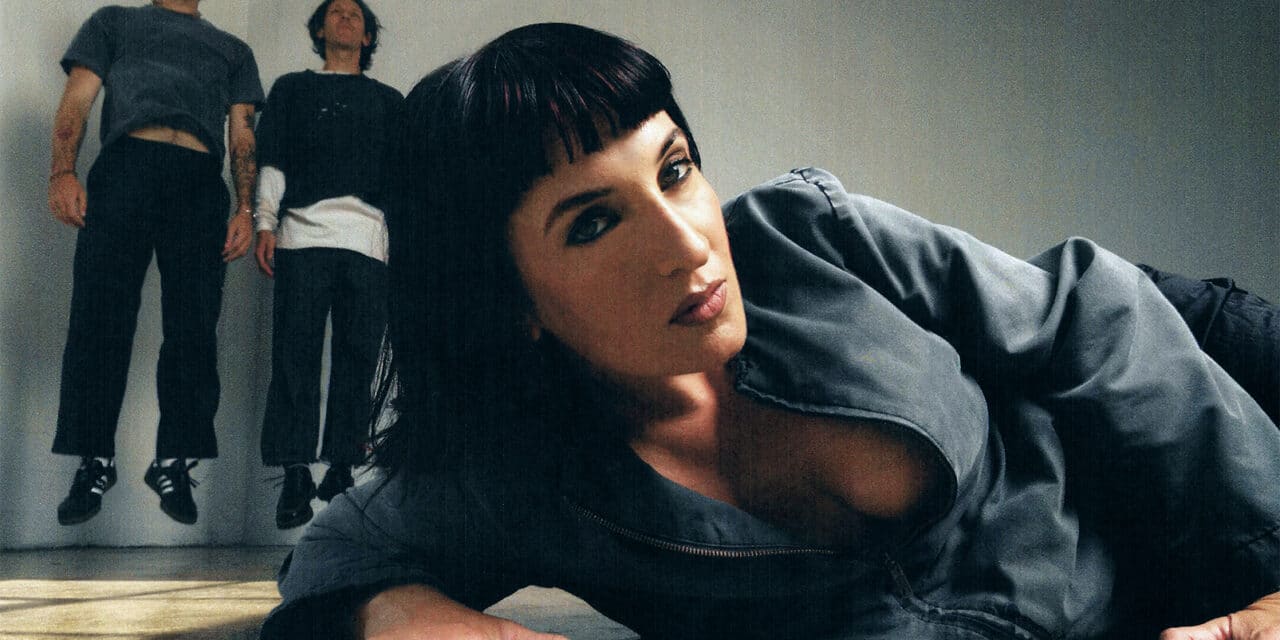
Some bands write songs about themselves. ill peach writes songs about everyone else—especially the conversations they were never supposed to hear.
On their latest single, “CULT DADDY,” the Los Angeles trio of Jess Corazza, Pat Morrissey, and Jesse Schuster dives into one of the strangest true stories imaginable: an underground men’s self-improvement group that gradually reveals itself to be something far more unsettling. Equal parts absurd, unsettling, and strangely hilarious, the track previews a forthcoming collection built around overheard conversations, hidden lives, and the strange theater of everyday existence.
Following the acclaim of their debut album THIS IS NOT AN EXIT, ill peach continue pushing their distinctive blend of experimental pop, punk energy, and off-kilter storytelling into even more unpredictable territory.
We spoke with Jess and Pat about writing from the perspective of an observer, embracing discomfort, balancing chaos with melody, and why the best stories often belong to strangers.
The idea of building a project around eavesdropping is fascinating. What do you think people reveal when they don’t realize they’re being heard?
Jess: Everything and nothing, haha.
In using this album as a little social experiment, I came to realize there are patterns throughout human conversations. Breakups, love interests, boring small talk, gossip, work—it all comes up. It’s on rare occasions that I’ll overhear something that feels like it was pulled straight out of a movie scene.
I guess I’m constantly seeking that otherworldly experience in everyday life.
“CULT DADDY” is chaotic, provocative, and strangely funny all at once. What draws you toward stories that exist right on the edge of discomfort?
Jess: In real life I’m actually a pretty quiet, normal person. Honestly, I find myself kind of boring.
But I love experiencing the drama of life through gossip and overhearing conversations. It gives me this sense of curiosity and excitement about the world. CULT DADDY came from something a friend of mine experienced. Even though I didn’t overhear it myself, the stories he brought back felt like opening a treasure chest full of weird and uncomfortable moments.
There are so many hidden pockets of the world where fascinating, bizarre, beautiful, and terrible things are happening all at once. It’s easy to live inside your own bubble and forget there’s this enormous, wonderfully strange universe happening outside of it.
Facing those uncomfortable moments just reminds me how multifaceted people really are.
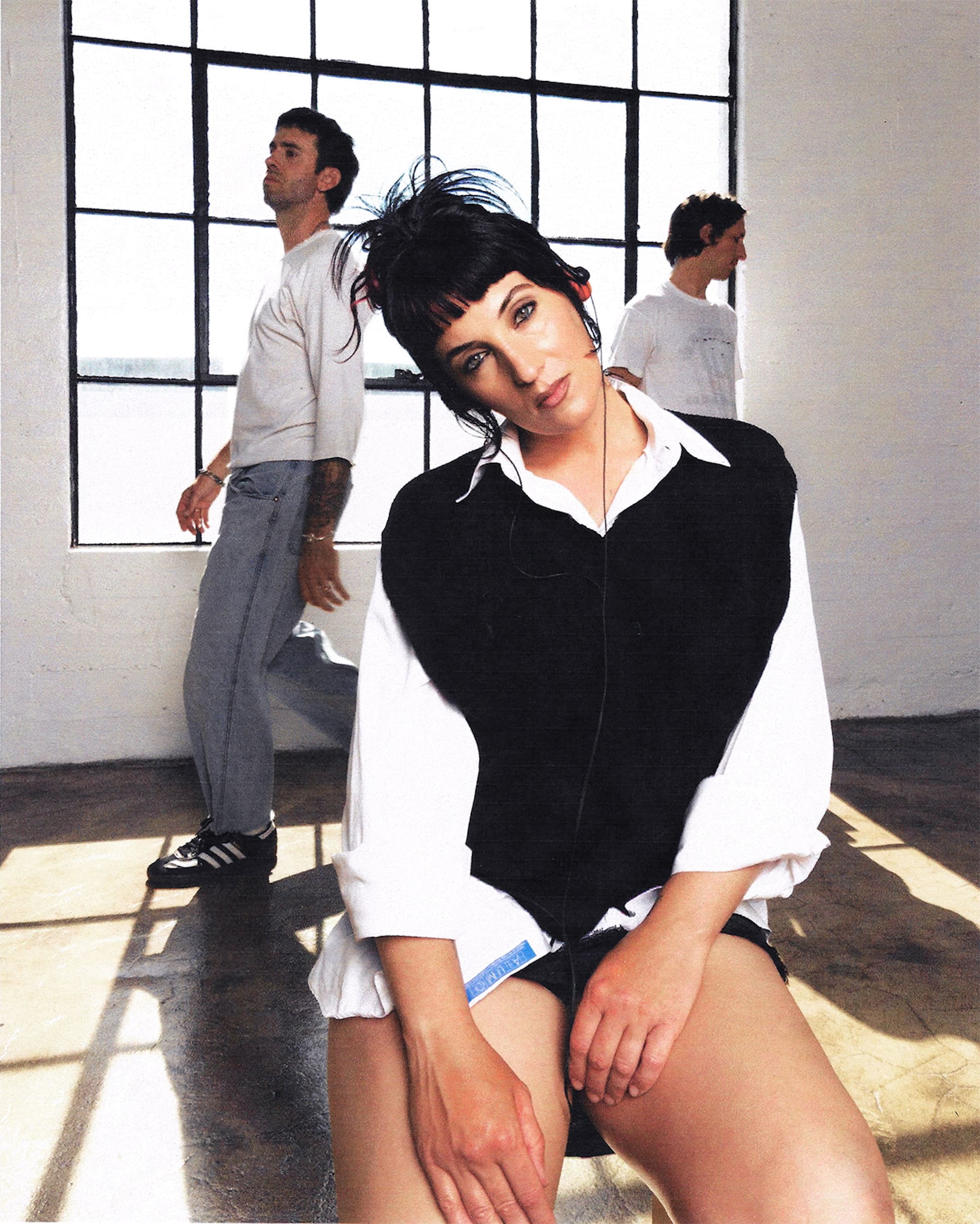
Your music feels experimental and unpredictable without sacrificing melody. How do you strike that balance between disruption and accessibility?
Jess: It’s honestly one of the hardest balances to strike, and I think we’re still figuring it out.
We constantly use the word juxtaposition in the studio. Sometimes if the music already feels heavy and then you pile heavy lyrics on top, it just becomes… too much. So finding that perfect combination—or making the contrast feel completely intentional—is really important.
Writing from a fly-on-the-wall perspective removes you from the center of the story. Did that distance make the songs feel more honest or more surreal?
Jess: It actually felt like less pressure.
It was refreshing to step outside my own head and experience things from someone else’s perspective. I rewrote some of these songs so many times just trying to find the right emotional tone, and that freedom allowed me to be more playful and surreal than I usually would.
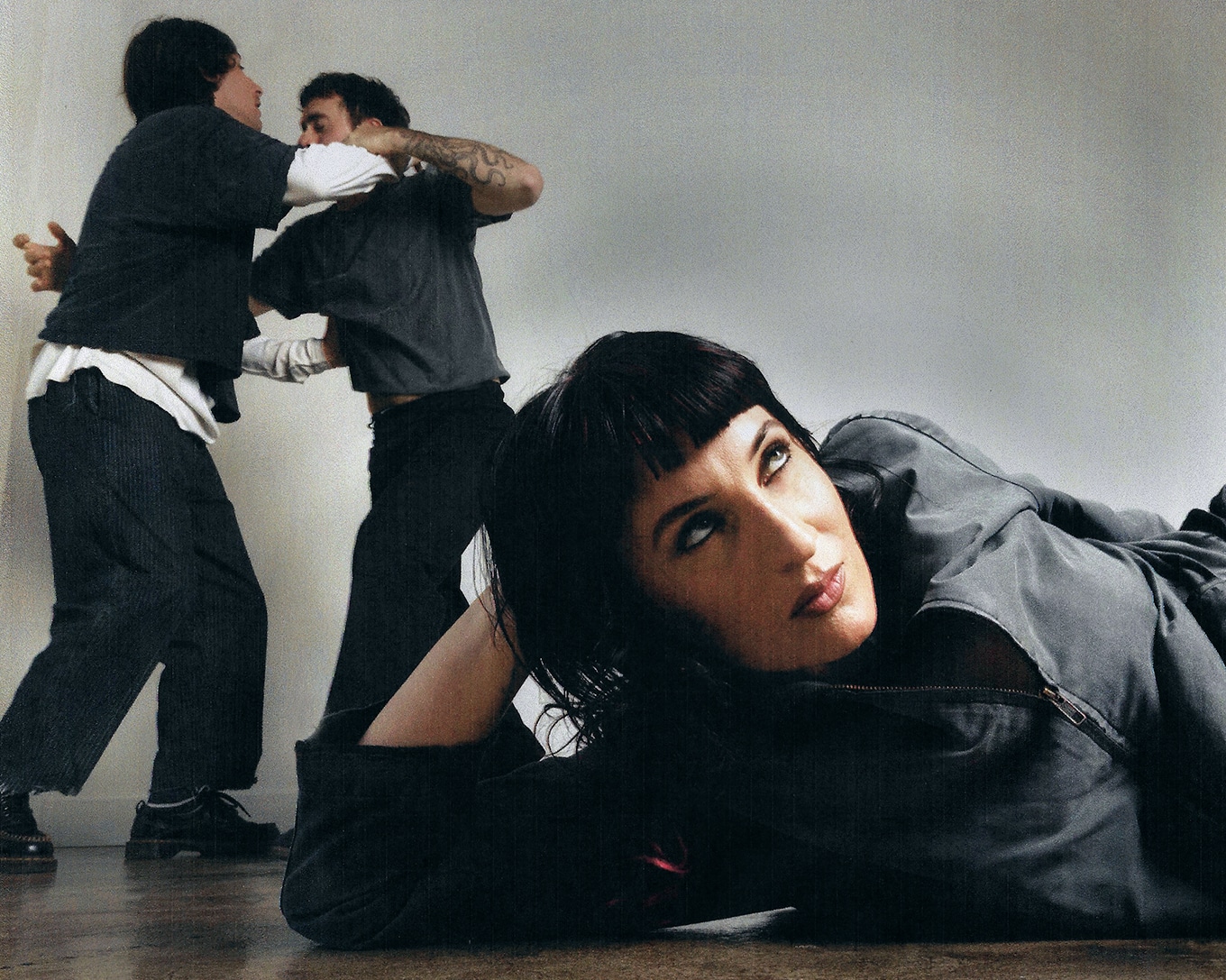
“Molly’s Not A Friend” captures a night slowly unraveling. When you write, are you chasing stories or emotions?
Jess: I usually latch onto a feeling first.
That feeling eventually transforms into a concept. Perspective fascinates me because everyone’s experience of the same event is completely different. Two people can walk away from the exact same night having lived entirely different stories.
I’m definitely not someone who sits down with a guitar and immediately writes a narrative. Usually it starts with chords or a sound in the studio that creates a feeling. I’ll grab a microphone and just improvise because I think that pulls something out of me before I have time to overthink it.
The storytelling always ends up filtered through my own perspective, even when I think I’ve written something completely obvious. Then someone tells me what they think it’s means, and I’m like, “Nope… way off.” (Laughs.)
You first met in Minnesota before relocating to Los Angeles. How has that geographic shift influenced the band’s creative identity?
Pat: I have a real love-hate relationship with Los Angeles.
I wish there were a stronger local music scene that’s easier to stumble into. So much of the ecosystem exists online now, and there are so many distractions. We need more local promoters and more venues that genuinely care about building communities.
Minnesota winters were the great equalizer. When it’s freezing outside, everyone just stays inside making music or goes to shows. There wasn’t much else to do.
I also think people cared a little less about the internet there.
There’s a voyeuristic thread running throughout this project. Do you see yourselves as observers of culture, participants within it, or both?
Pat: I think there’s so much happening around you if you actually pay attention to people in real life.
It’s such a different experience from how we usually consume people now through highly curated online versions of themselves. When you’re out in the world just listening and watching, none of it’s edited. It’s raw.
Overhearing stories you’re probably not supposed to hear is basically Jess’s favorite hobby. (Laughs.)
By putting yourself into those situations and observing them, you’re participating too. Then we filter those experiences into songs, and other people experience them through us.
If someone steps into the world of this upcoming project, what kind of experience are they entering?
Pat: Chaotic. Slightly unhinged.
It’s colorful, intimate, uncomfortable, funny—and honestly, without intentionally designing it that way, it feels a lot like real life.
Everything exists at once. We’re telling other people’s stories while somehow telling our own at the same time.
Rather than writing confessions, ill peach has become fascinated by everything people accidentally confess when they think no one is listening. On “CULT DADDY,” overheard conversations become modern folklore, discomfort becomes entertainment, and ordinary moments reveal just how surreal everyday life can be. It’s music that lives somewhere between observation and participation—messy, funny, unsettling, and unmistakably human.