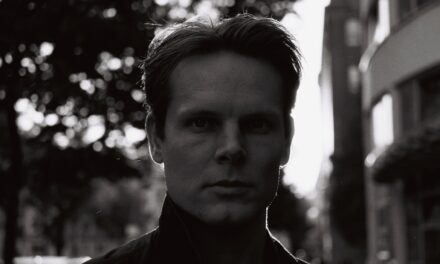
Brooklyn-born singer-songwriter INDVGO is back with “Remember,” a moody, atmospheric single that plays like a midnight confession—equal parts vintage soul warmth and modern R&B intimacy. Released as a Bandcamp-exclusive “secret drop for fans,” the track arrives less like a traditional rollout and more like a private doorway into her most vulnerable writing: reflection, betrayal, release, and the quiet power of choosing yourself.
From its first moments, “Remember” leans into nostalgia—the kind that’s soft at the edges until it sharpens into clarity. The song gradually shifts from tenderness to confrontation, tracing how memory can comfort and haunt at the same time, and how heartbreak can become a catalyst instead of a cage.
Sonically, INDVGO keeps the production minimalist and cinematic, letting her voice do the heavy lifting over brushed textures and late-night atmosphere. Press notes frame it as a smoky jazz-club mood filtered through Brooklyn ache—an R&B noir that nods to the soulfulness of Erykah Badu, the emotional honesty of SZA, and the spoken-word intimacy of early Jill Scott.
Lyrically, the song’s emotional thesis is simple and cutting: closure doesn’t always require an apology. INDVGO puts it plainly: “I wrote it thinking about someone I once loved, realizing I didn’t need their sorry to move on.”
That choice—opting out of the algorithm chase in favor of direct-to-fan intimacy—is part of the point here. “Remember” is positioned as an “off the grid” art moment meant to deepen connection and strengthen community, a reminder that some songs land hardest when they feel like they were made for you, not for the feed.
If INDVGO’s world is “silk and shadow,” “Remember” is the page where the ink still smudges—proof that vulnerability can be both confession and reclamation, and that moving on can sound like a slow exhale instead of a victory lap.
“Remember” feels like a confessional piece—raw, intimate, and intentionally off the grid. What was the emotional catalyst behind writing this unreleased demo?
It came from being stuck between knowing better and still feeling angry—when there’s no more arguing or hoping, just truth. I was just sitting with a memory.
It wasn’t one big moment, more like buildup. One of my earlier songs, Be Mine, was written while I was still inside it—confused, pulled back in, trying to make sense of mixed signals. Remember came right after that. When everything was quiet enough for me to look back and realize I didn’t need closure anyone but myself.
It wasn’t healing yet. It was anger, memory, honesty all in the same room. I was just remembering what happened.
The track draws heavily from vintage soul classics while still living in a modern R&B world. Which sonic references or artists shaped the atmosphere of this record?
Sometimes I listen to lots of old records that feel warm,and a little worn—where you can hear the room. Billie Holiday, Nina Simone, Sade…artists who weren’t afraid of space or imperfection.
At the same time, I live in modern R&B, so there’s restraint and tension. I wanted it to feel like a late-night confession under dim lights. Just warmth, memory, and breath.
You chose to release “Remember” exclusively on Bandcamp as a secret drop. Why was it important to you to share this with fans outside of the traditional streaming ecosystem?
This song wasn’t meant to be loud. It’s personal.
Bandcamp felt like the right place to leave something quietly—no pressure, no performance. Just a moment shared with people who really listen. It’s less about exposure and more about intimacy.
There’s a strong sense of betrayal and renewal in the song. How did those themes evolve during your writing process, and how do they reflect where you are in life today?
It started soft—pure memory. Then the truth came in. I didn’t plan the shift. It just happened.
Looking at it now, Be Mine is the ache. Remember is the realization. How Is It Love came later—after I stepped out of the cycle.
When I wrote Remember, I wasn’t calm yet. I was still sharp, still calling things what they were. But that honesty’s what made healing possible.
Your work often blends storytelling with emotional vulnerability. When you write a song like “Remember,” where does the story begin—lyrically, visually, or in the production?
It usually starts as a feeling. A mood I can’t shake.
With Remember, I saw it before I said it. Then melody. The lyrics followed the emotion.
The release is framed as an art moment rather than a promotional cycle. How do you balance creating for yourself vs. creating for an audience in the age of algorithms and social metrics?
If it doesn’t move me, I don’t trust it.
I believe the right people will feel it when it’s honest. Some things are meant to be felt quietly. I try to protect that.
“Remember” feels cinematic—almost like a scene from a film. If this track were a visual piece, what would it look like? What textures, colors, or moods would define it?
Soft grain. Candlelight. Warm browns, muted golds, deep shadows. Red velvet curtains. A late-night bar, speakeasy energy. Silk against skin.

It would feel intimate—like you’re not supposed to be watching. Something beautiful with an edge. Slightly unresolved. Like time slowed down.
This drop is described as a reward for your day-one listeners. How has your relationship with your core fanbase evolved since your earliest releases?
It feels more mutual now. Less proving, more trust.
The people who’ve been with me from the beginning understand my pace and my silence. That makes sharing something like this feel safe.
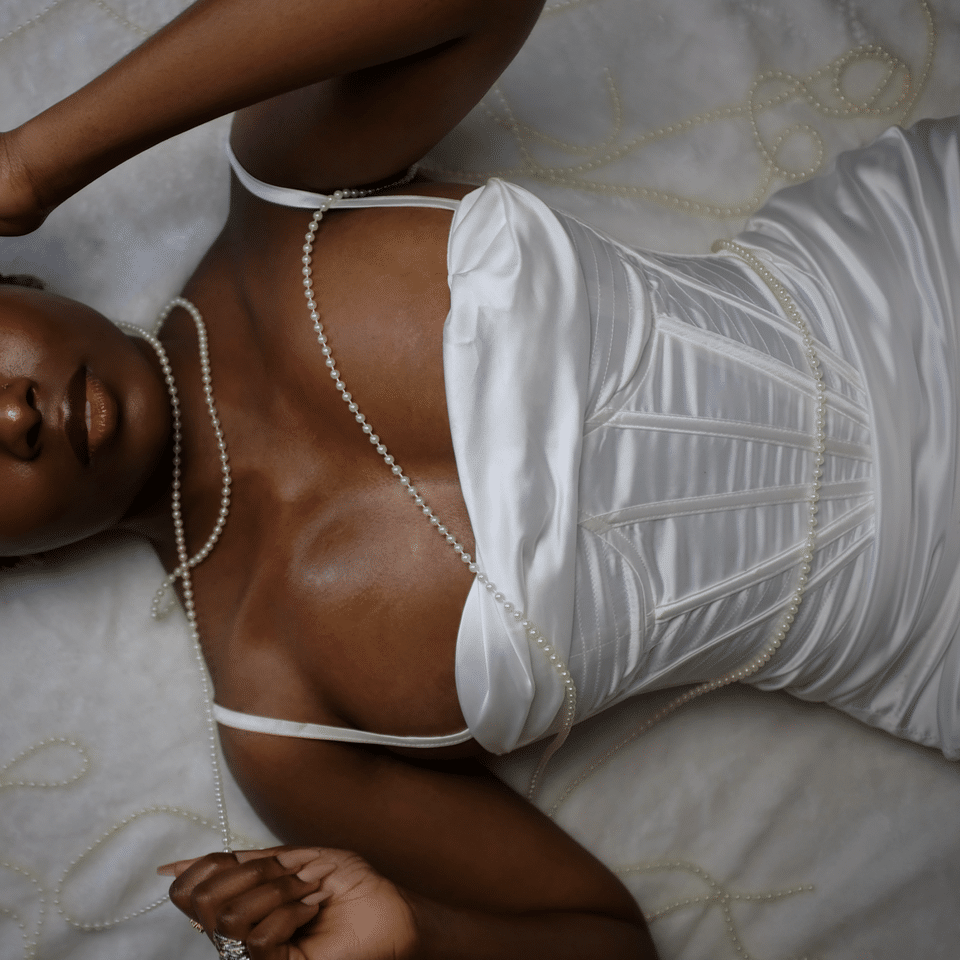
The song’s production has a warm, analog quality. Can you walk us through some of the creative decisions that helped you achieve that vintage soul feel?
We kept things imperfect on purpose. Breath, texture, space.
I wanted it to feel lived-in, like a memory you just don’t push away. The warmth comes from restraint.
With “Remember” marking such a personal moment, what does this release signal about the next chapter of INDVGO? Is this a bridge, a turning point, or a standalone offering?
It’s a bridge.
Not an ending, not an explanation—just a moment of truth before what comes next. I’m honoring where I’ve been without staying there.
Sometimes you have to remember before you move forward.”