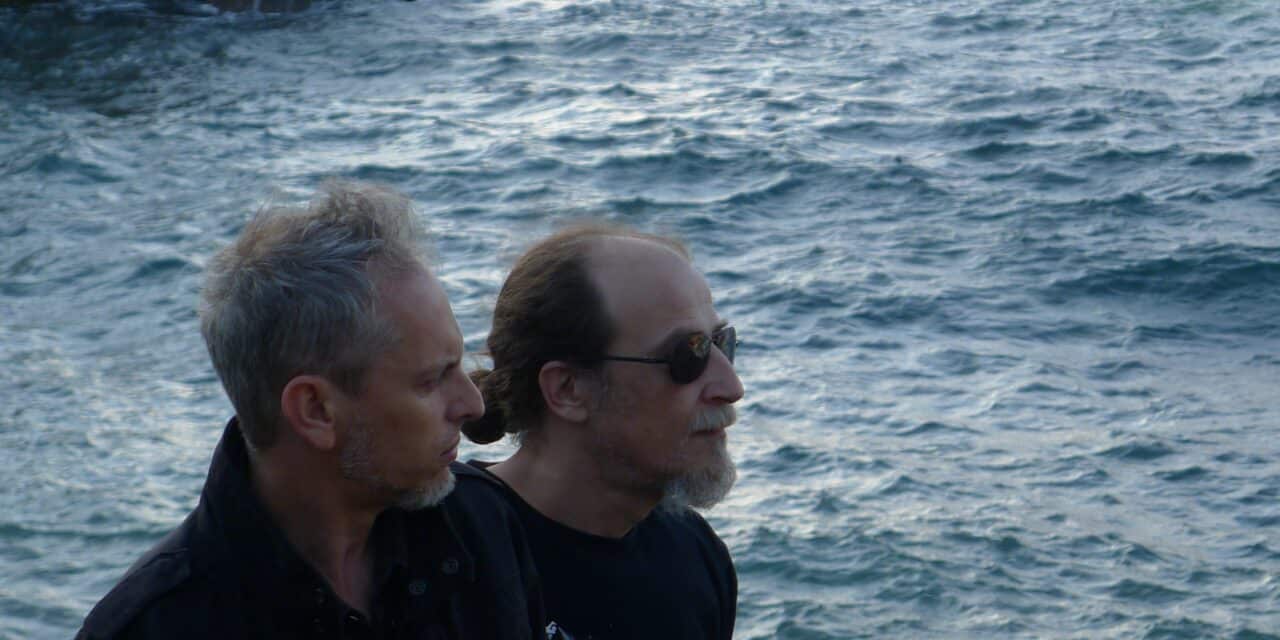
Three decades after forming in Salamanca, the Spanish post-punk and dream-pop duo confront scars, nostalgia, artistic survival and the strange magic of finding your way back to the same creative partnership.
There is something quietly defiant about Inoxidables still being here.
More than three decades after Miguel and Ángel began making music together as students in Salamanca, their story has survived geographic separation, a radically transformed music industry, years of relative silence and the inevitable changes that come with simply getting older.
And yet, according to them, the essential thing hasn’t changed.
“Although my soul is now full of scars, it’s the same,” Miguel says. “When we play our songs, something magical happens: we feel with the same intensity.”
That tension between what survives and what inevitably transforms runs through the band’s forthcoming fifth album, El mapa de la herida — The Map of the Wound — arriving November 7.
Before it comes “A veces canto” (“Sometimes I Sing”), the penultimate single from the album. Its premise could almost function as a philosophy for the entire existence of Inoxidables: despite all the awful things that happen to us, sometimes we sing.
The wounds remain. The map gets more complicated.
But the music continues.
If Mirrors Hadn’t Been Invented
Ask Inoxidables what remains of the two students who originally started the band in the 1990s and the answer is simultaneously melancholic and funny.
“If mirrors hadn’t been invented, we’d be the same.”
Time has obviously altered them. Their lives have moved in different directions. Their music has become, in their words, “deeper and less exuberant.”
But playing together can apparently collapse those decades.
Musically, they’ve changed in more practical ways too.
“We play better now, and we have many more resources — not just financial, but creative as well.”
Their evolution wasn’t exactly planned.
Inoxidables never formally decided that their story was over. Life simply intervened.
“We were forced to separate because we had no prospects for a life in Salamanca, and each of us had to find work elsewhere.”
Eventually, technology offered them a route back.
Today, their creative process stretches across Spain: Miguel generally composes from Asturias in the north while Ángel works from Andalucía in the south. They exchange files remotely and meet in the studio two or three times each year.
The geography changed.
The conversation didn’t.
Trying to Return to a Place That No Longer Exists
When Inoxidables properly returned in 2018, nostalgia was inevitable.
“Nostalgia is a common feeling for me and for any human being,” Miguel says. “The past always seems better.”
They initially tried to reconnect with exactly where they’d left off.
It didn’t work.
“We deliberately tried to reconnect with the moment we left off, but it hasn’t worked. Our music is now deeper and less exuberant.”
Perhaps that’s because returning to an unfinished creative relationship doesn’t actually mean returning to the past.
The people returning are different.
Since then, Inoxidables have created Alas de plomo, Alevín de plata alevín de luz, Pobre y puro and now El mapa de la herida. But don’t ask the band to neatly explain the conceptual progression connecting those records.
“Every song is a discovery for us.”
From inside the creative process, they suggest, the unity critics and listeners perceive in an album can be almost invisible.
“The concept of unity in an album cannot be appreciated by us. Only someone outside the creation process can perceive it.”
A Wound So Large You Need a Map
Then there is the title.
El mapa de la herida.
The Map of the Wound.
It sounds like an elaborate metaphor for tracing trauma, understanding scars or identifying the emotional geography left behind by decades of experience.
Inoxidables’ explanation is simpler — and somehow more devastating.
“It’s a literary device. This is a hyperbole: the wound is so big, you need a map not to get lost in it.”
That image feels particularly suited to a band whose music continues to exist between post-punk darkness and the atmospheric pull of dream pop.
For Inoxidables, those seemingly opposing emotional forces aren’t really opposites at all.
“Pleasure and pain have a very thin boundary.”
They invoke one of their admired bands, The Chameleons:
“It’s pleasure and pain, again and again.”
Perhaps that boundary — between pleasure and pain, past and present, disappearance and survival — is where Inoxidables have always lived.
Another Castaway in the Ocean
The world surrounding the band, however, has changed almost beyond recognition.
Inoxidables emerged from an ecosystem of demos, radio programs, physical scenes, record-label compilations and clubs. Their history includes RCA/Virus, Azul, disappearance, cult rediscovery and, eventually, return.
Today’s independent artist confronts an entirely different problem.
Not scarcity.
Excess.
“The avalanche of productions is enormous.”
Their description of contemporary independent music is wonderfully bleak:
“We’re just another castaway in an ocean of artists raising their arms to be rescued by a listener, while artists sponsored by multinationals travel on huge ocean liners.”
So what does survival look like?
“I think survival consists of going with the flow, while continuing to create your work, which is the only thing that matters.”
Three decades ago, success looked different.
“In the ’90s we dreamed of being recognized, but the idea of being famous weighed heavily on us — you know, all that sex, drugs and rock and roll stuff. There was something beyond art.”
Today, their ambition has become both smaller and perhaps more fundamental.
“Nowadays, success would mean the satisfaction of spreading your art.”
Because beneath every artistic philosophy sits a very human desire.
“Everyone who expresses themselves wants to be heard. Every artist hides an exhibitionist.”
The End of Something
That makes the arrival of El mapa de la herida feel particularly intriguing.
Inoxidables don’t offer an easy explanation for what the record resolves, nor do they claim to know exactly where all those accumulated scars ultimately lead.
But there is a feeling.
“I really don’t know,” Miguel admits, “but I have the feeling that it is the end of something.”
What that “something” is remains unresolved.
Maybe that’s appropriate.
Inoxidables began as two students making music together in Salamanca. Life pulled them apart without ever entirely ending the band. Technology brought them back into one another’s creative orbit. Decades later, they’re still exchanging ideas across opposite ends of Spain, occasionally entering the same studio and discovering that the old intensity remains.
Their souls have accumulated scars.
Their music has become deeper.
The industry surrounding them is almost unrecognizable.
And despite all the awful things that happen to us, sometimes we sing.
In Conversation with Inoxidables
1. El mapa de la herida arrives roughly three decades after Inoxidables first formed in Salamanca. When you listen to this new material, what parts of those two students who started the band in the ’90s can you still recognize—and what feels completely transformed?
Although my soul is now full of scars, it’s the same, and when we play our songs, something magical happens: we feel with the same intensity. If mirrors hadn’t been invented, we’d be the same. The biggest difference between then and now, musically speaking, is that we play better now, and we have many more resources, not just financial, but creative as well.
2. Your first chapter ended not because the creative relationship necessarily ran its course, but because you had to leave Salamanca and the band dissolved. Did that sense of an unfinished story remain with you during the years you weren’t making music together?
Inoxidables never officially disbanded. We were forced to separate because we had no prospects for a life in Salamanca, and each of us had to find work elsewhere. When technology allowed it, we started making music together again. I usually compose in northern Spain, Asturias, and Ángel in the south, in Andalucía. And we meet two or three times a year in the studio.
3. Inoxidables became something of a cult band for listeners drawn to that space between post-punk and dream pop. When you reunited in 2018, were you interested in reconnecting with that original sound, or did you deliberately avoid becoming nostalgic about your own past?
Yes. Nostalgia is a common feeling for me and for any human being. The past always seems better. We deliberately tried to reconnect with the moment we left off, but it hasn’t worked. Our music is now deeper and less exuberant.
4. Your return has now produced Alas de plomo, Alevín de plata alevín de luz, Pobre y puro and El mapa de la herida. Looking across those releases, does it feel like one continuous second chapter—or has each record represented a different stage in rediscovering what Inoxidables can be?
Every song is a discovery for us. The concept of unity in an album cannot be appreciated by us. Only someone outside the creation process can perceive it.
5. “El mapa de la herida” — “The Map of the Wound” — is an incredibly evocative title. What does it mean to map a wound? Is it about understanding where pain originated, tracing where it has taken you, or learning how to live with what remains?
It’s a literary device. This is a hyperbole: the wound is so big, you need a map not to get lost in it.
6. Post-punk often finds beauty in tension and darkness, while dream pop can transform similar emotions into something atmospheric and almost weightless. What continues to fascinate you about existing somewhere between those two emotional languages?
Pleasure and pain have a very thin boundary. As our admired The Chameleons already said: “It’s pleasure and pain, again and again.”
7. You first emerged in an era of demos, radio programs like Disco Grande, record-label compilations and physical scenes built around clubs in places like Salamanca and Madrid. How has experiencing today’s completely different music ecosystem changed your understanding of what it means to be an independent band?
Being independent is getting harder and harder. The avalanche of productions is enormous. We’re just another castaway in an ocean of artists raising their arms to be rescued by a listener, while artists sponsored by multinationals travel on huge ocean liners. I think survival consists of going with the flow, while continuing to create your work, which is the only thing that matters.
8. There’s something unusual about returning to a creative partnership after such a long separation: you’re collaborating with the same person, but neither of you is actually the same person anymore. What did Miguel and Ángel have to relearn about each other musically when Inoxidables began again?
At the beginning of our return it was difficult to develop a system for working remotely, but with Alas de plomo it worked, and from then on we followed the same working system through file sharing. It’s difficult, but it works.
9. Your story stretches from being signed by RCA/Virus and releasing Azul to disappearing, becoming a cult name and eventually returning decades later. Has that distance changed your definition of success—particularly now that you’re making music without the expectations you may have carried in the ’90s?
In the ’90s we dreamed of being recognized, but the idea of being famous weighed heavily on us—you know, all that sex, drugs and rock and roll stuff. There was something beyond art. Nowadays, success would mean the satisfaction of spreading your art. Everyone who expresses themselves wants to be heard. Every artist hides an exhibitionist.
10. After surviving disappearance, distance and reinvention, does El mapa de la herida feel like a record about looking back at everything that left a mark—or is it more about understanding where those scars point next?
I really don’t know, but I have the feeling that it is the end of something.