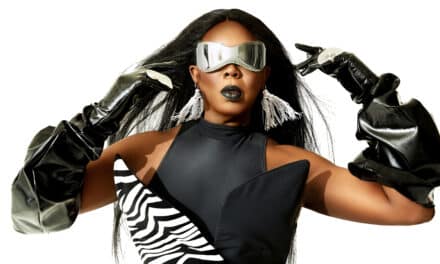
London-based artist July Jones returns with “Body of Work,” a boundary-defying pop statement that doubles as both confession and manifesto. Out November 20, the track finds July confronting an industry that too often reduces artists to a single image — and flipping that pressure into something powerful, personal, and unapologetically her own.
Built on perfectly placed synths and timeless pop melodies, “Body of Work” allows July’s unmistakable vocals to take center stage. Her voice glides effortlessly between crystalline falsetto and full-bodied power as she sings, “Tears on my face, I let the pain, turn into art,” capturing the emotional alchemy at the heart of the song. It’s pop that sparkles on the surface, but lingers because of what lies beneath.
Speaking on the track, July explains:
“‘Body of Work’ is about the long, messy, beautiful process of a musician. It’s about the years behind the music that no one really sees — the late nights in the studio, the heartbreaks, the small wins, and the quiet moments where you wonder if it’s all worth it.”
Raised on the ambition and transformation of 2000s pop icons like Madonna and Britney, July channels that era’s boldness while grounding the song firmly in her own lived experience. The line “I’m not just a body, I’m a body of work” lands as the track’s emotional thesis — a reminder that behind every polished image is a lifetime of effort, feeling, and sacrifice.
Born in Ljubljana and raised in the UK, July Jones’ journey has been anything but linear. She began studying flute, piano, and voice at a young age, signing her first record deal at just 14 after gaining traction on YouTube — only to walk away when it no longer aligned with her creative vision. Her teenage years saw her living in the U.S. studying music, before relocating to London at 17 to fully pursue her craft. Those early London days were defined by relentless hustle: busking, couch-surfing, and performing on “every stage they’d offer me.”
That persistence paid off. July’s work has since been championed by publications including GAY TIMES, HUNGER, and EUPHORIA, while her songwriting credits span an impressive roster — BTS, Girli, Brooke Candy, Raiven, and Trevor Daniel, among others. Yet despite success behind the scenes, July eventually pulled her focus back to her own voice.
In 2022, she released her debut mixtape Silly Little Dream Pt. 1, a raw, conceptual project exploring identity, ambition, and beginnings through unfiltered storytelling. Standout track “Girls Can Do Anything” emerged as a bold empowerment anthem, fuelled by her frustration with the industry’s persistent underrepresentation and narrow expectations.
With “Body of Work,” July Jones closes out 2025 on a high — confident, self-assured, and creatively uncompromising. It’s not just another pop release; it’s a declaration of worth, longevity, and self-definition. As she signals more music on the horizon for 2026, July Jones continues to position herself as an artist to watch — not just for her sound, but for the story she insists on telling, on her own terms.
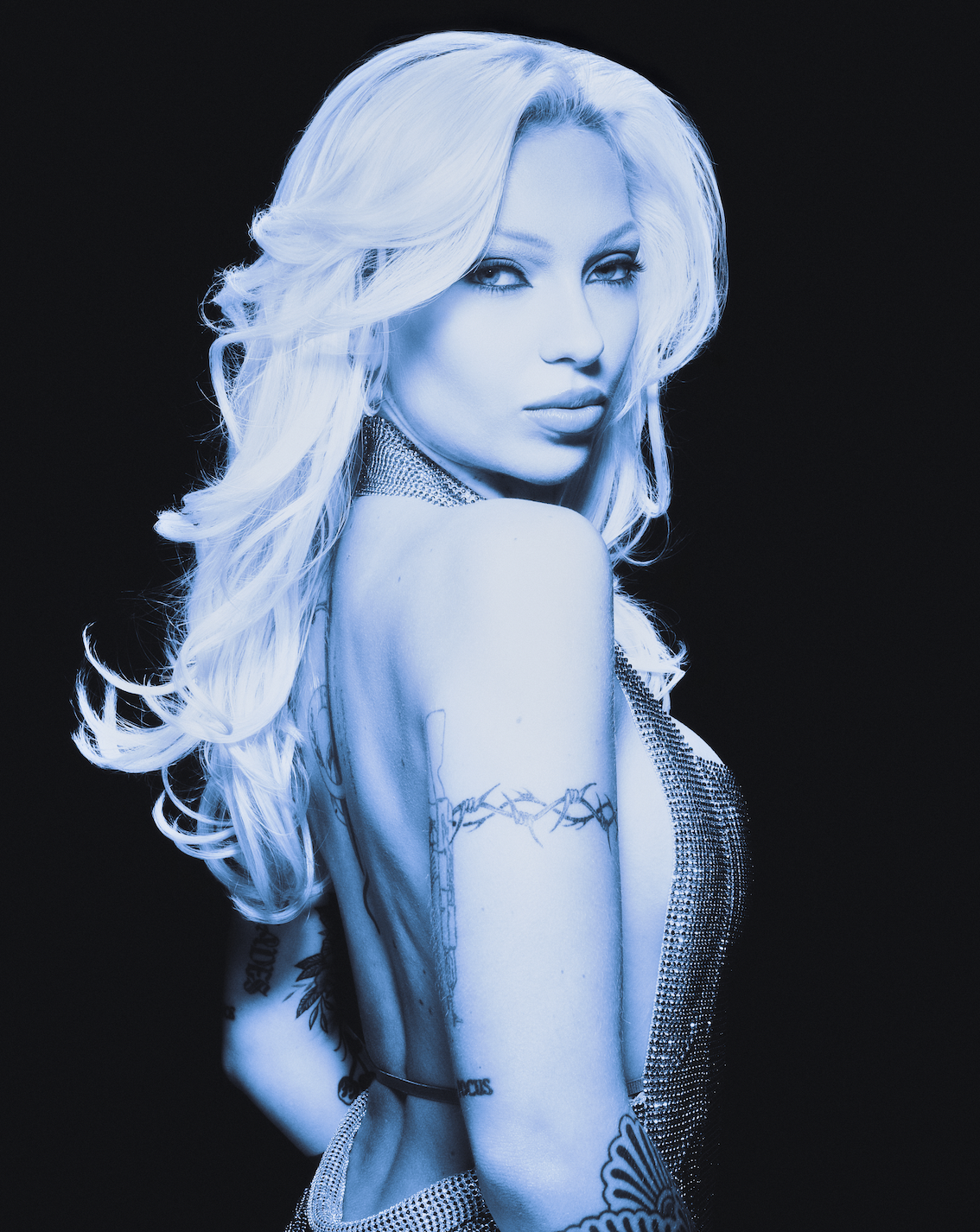
“Body of Work” feels like both a declaration and a reclamation. What moment inspired the line “I’m not just a body, I’m a body of work” and made you want to build an entire track around it?
I have lived a long life in this industry. I have been singing for as long as I can remember and writing since I was eighteen. That line came from a place of feeling reduced to the surface, to the body, in a world where women are so often objectified and simplified. I wanted to articulate that there is far more to me. I am a body of work, a person who has created these songs, who has worked relentlessly for years to be where I am today. The lyric felt powerful enough to build an entire track around because it summed up my journey in one sentence.
You talk about the “long, messy, beautiful process” behind a musician’s life. What is one behind the scenes chapter of your journey that people would be surprised to know?
I think most people still do not know my full story. They would probably be surprised by how many artists I have written for over the years, long before I even began releasing music under my own name.
The track channels that iconic early 2000s pop world. What part of that era still lives most strongly in your artistry today?
The early 2000s are very much alive in my work. I adore the synth textures of that period and they remain central to my sound. When we begin production, I love starting with the synthesizers that define that era. I want to contribute to the new wave of pop that is bringing those influences back in a fresh way.
You have moved between countries, cultures, and identities. How have those transitions shaped the artist you are now?
Those transitions have shaped me profoundly. I come from a very diverse background, Europe, USA and the UK, each part of my upbringing brought a different beautiful perspective to my life, and I think that definitely makes me a better artist. Everything I have achieved has come from my own persistence, my own desire to build a life that feels true to me. That journey taught me that I can achieve anything I set my mind to, and that belief is now at the centre of my artistry.
Signing a record deal at fourteen and later walking away is a massive act of agency. What did that experience teach you about ownership, creativity, and standing up for your vision?
It was a difficult lesson to learn so young. Being restricted within a label system is challenging, and it is very easy to be misled into signing something that does not serve you. That experience taught me the value of independence. It made me realise how crucial it is that the music I create remains in my control.
Your journey in London began with busking, couch surfing, and performing anywhere you could. How do those early survival years inform the confidence you hear on “Body of Work”?
Those years shaped everything about who I am. I arrived in London with nothing: no bank account, no network, no safety net. And from that starting point I built a community of musicians and friends, a home, a creative world I am deeply proud of. It showed me what relentless work and belief can build, and that energy is all over the song.
As a songwriter for BTS, Girli, Raiven, Trevor Daniel and more, you have built an impressive catalogue. How does writing for others influence your own voice?
Writing for others is a completely different process. It never conflicts with my own work. In fact, it often comes more easily, because I am stepping into someone else’s universe. Writing for myself is far more meticulous. I am incredibly demanding with my own project because creating original pop that feels authentic takes time. That is why this album has taken so long to craft.
You have said “Body of Work” is a reminder that behind every glossy frame is a lifetime of sacrifice. What is a moment of vulnerability that shaped you in a way fans might not expect?
For me, the deepest vulnerability has always been the search for belonging. It has influenced far more of my journey than people might realise.
With 2025 closing in on this new single and more music on the horizon, what part of yourself are you excited to explore next?
I am incredibly excited for what is coming. Next year is my year of releases. Body of Work will be the title of my album, which arrives in July, and until then I will be releasing a new single every month. It feels like the beginning of the most expansive chapter of my career.