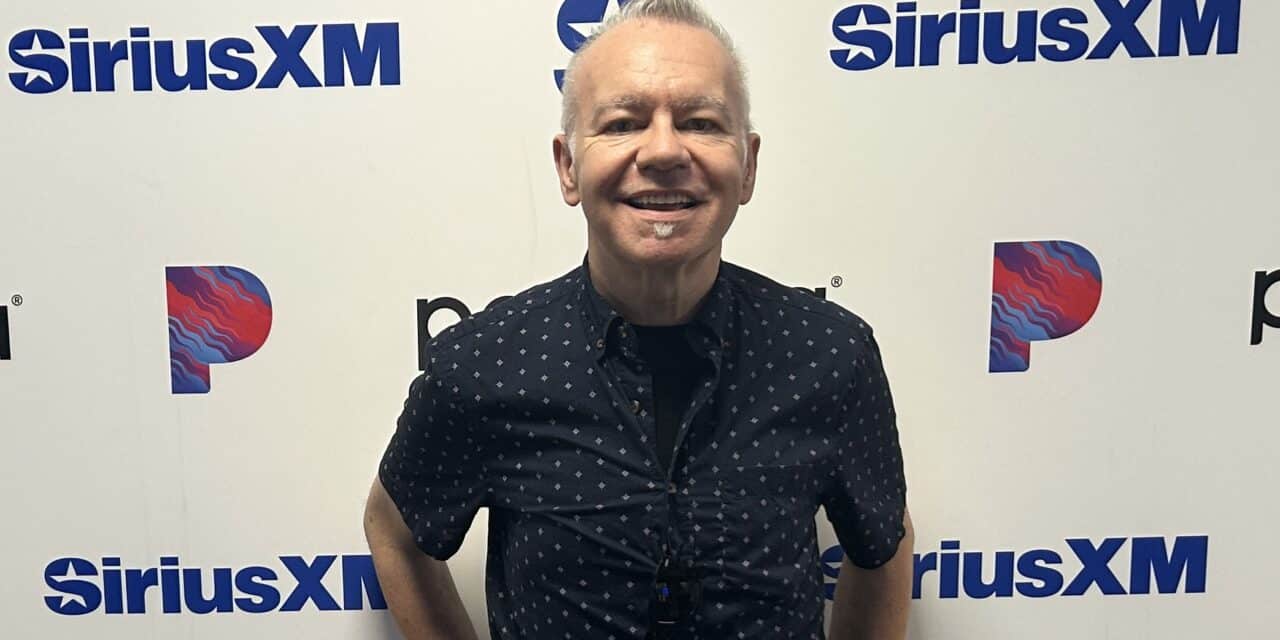
For this installment of Speak Easy, our ongoing interview series presented in collaboration with Verdict Music, we sat down with Connecticut-based singer-songwriter Foggy Otis, an artist whose journey into music took an unexpected turn after a life-threatening medical crisis forced him to reinvent his relationship with his instrument.
Originally a bassist and guitarist, Foggy Otis lost the dexterity in his hand following open-heart surgery. What could have marked the end of his musical life instead became the beginning of a new chapter—one centered around the ukulele, an instrument he transformed into a vehicle for heartfelt songwriting rooted in rock, folk, and classic pop influences.
Now working closely with Verdict Music on new releases and upcoming projects, Foggy Otis is entering a new phase of his career. With the uplifting single “You’re Just What I Need” and a deluxe reissue of his album When life hands you lemons, play the ukulele on the horizon, we spoke with him about resilience, reinvention, and the power of turning hardship into song.
Growing up in New Jersey, you were surrounded by music. What did that environment mean for you as an artist?
I grew up in Jersey City, where you could practically see Manhattan from everywhere. When I say I’m from Jersey, I really mean that whole New York metro area—Hudson County, Hoboken, Jersey City.
Music was everywhere. There were clubs, bars, venues all over the place. And of course you had Manhattan right there with Madison Square Garden, Radio City Music Hall, all the legendary venues. Bands were always coming through.
Growing up in that environment meant I was constantly exposed to live music. I saw artists like Jerry Garcia and the Grateful Dead countless times because they were always passing through the area.
Almost every friend I’ve had throughout my life has been connected to music somehow—either musicians themselves or just passionate fans. I’m incredibly grateful to have grown up in a place where music was such a constant presence.
Do you remember the first concert that made you dream about being on stage yourself?
Absolutely. I was about nine years old when my dad took me to my first concert at the Stanley Theater in Jersey City.
It was actually a benefit show for the Jersey City Police Department. The lineup was incredible. It opened with comedian Jimmy “J.J.” Walker from the TV show Good Times. Then the cast of the Broadway musical Pippin performed, which included the legendary Ben Vereen.
The headliner was Tony Bennett performing with a full orchestra. And after Tony, the folk singer Melanie performed with a full band.
So my very first concert experience went from comedy to Broadway to the Great American Songbook to folk music. Somewhere in that moment I started dreaming about playing music on a stage myself.
Your new single “You’re Just What I Need” has a very uplifting spirit. What inspired the song?
I tend to write a lot of love songs—upbeat, happy songs. One reviewer once described my record as “a smile set to music,” which I thought was really nice.
But this particular song actually comes from a deeper place. Sixteen years ago I had open-heart surgery. During the operation they removed an artery from my left wrist to use in my heart. Since then I’ve had numbness from my thumb through part of my hand.
Before that surgery I was primarily a bassist and guitarist. Afterward, I lost the dexterity to fret a guitar properly. I tried for years to keep playing, but it was painful and frustrating.
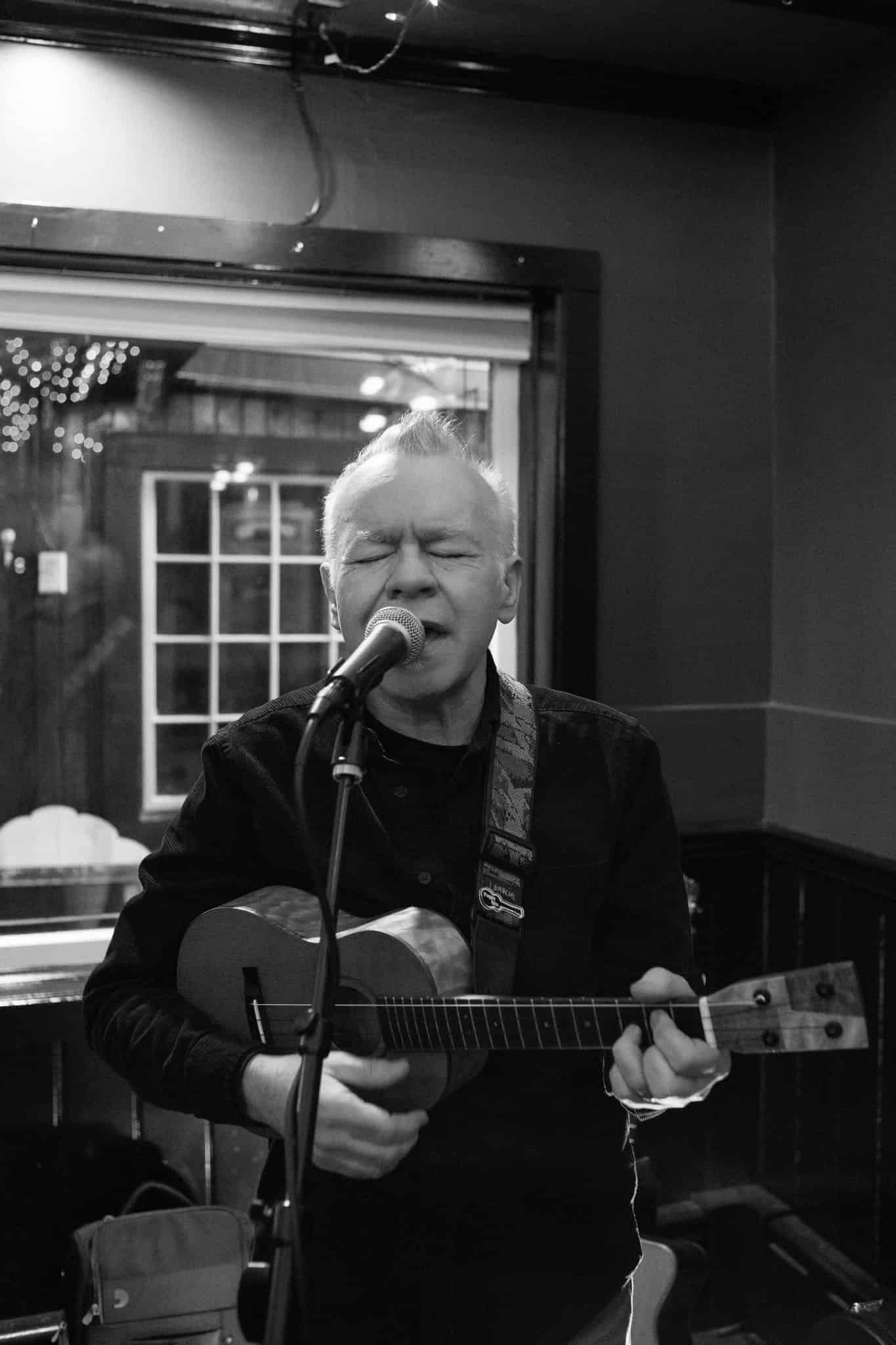
Eventually I picked up a small ukulele I had around the house almost like a toy. The nylon strings were easier on my hands and there were only four strings instead of six. Slowly it became the instrument that allowed me to keep making music.
During a conversation with the team at Verdict Music—Viv in particular—she encouraged me to draw from my heart surgery experience when writing. So I took literal things that happened with my heart and turned them into a love song.
Without that conversation, I probably never would have written it.
How did your collaboration with Verdict Music begin?
It actually started with a contest they were running last year. They invited artists to cover the song “Rhinestone Pink Guitar” by John Davidson, who is also part of the Verdict Music family.
I submitted a video entry but also went a little further and recorded a full version of the song and sent it along.
That led to a long phone call with Viv and Steve from Verdict Music. Within minutes I could tell how deeply they love music. Their passion and knowledge were obvious.
They ended up releasing my version of the song as a single, and after hearing my album “When life hands you lemons, play the ukulele (Deluxe Version)” we continued talking and decided to move forward together.
Now we’re working on a deluxe release of the album through Verdict Music with additional songs included. It’s been a very organic collaboration built on mutual respect and a shared love for music.
Your journey to the ukulele came from necessity rather than intention. How did you develop your style on the instrument?
My biggest musical influences are George Harrison, Jerry Garcia, and Terry Kath.
None of them were ukulele players.
When I started learning the instrument I studied traditional Hawaiian players, but stylistically we’re very different. Many great ukulele musicians are instrumentalists, but I’m a songwriter. I want lyrics and melody.
So I taught myself by rearranging classic rock songs for ukulele and voice. That became my education on the instrument.
Over time I became fluent enough with it that songwriting on the ukulele started to feel natural.
Your ukulele performance of “Bohemian Rhapsody” has become a signature moment in your live shows. How did that arrangement come about?
About ten years ago I was asked to perform at a memorial service for a friend who was the biggest Queen fan any of us knew.
I knew there would be full bands there, and I was showing up with a ukulele. So I decided to make a statement.
I spent about ninety hours arranging “Bohemian Rhapsody” for the instrument. It took months of work.
The song also holds a personal connection for me. One of the first albums I ever bought was A Night at the Opera. My dad and I listened to that record all day long when we first brought it home.
Whenever I perform the song now, I dedicate it to his memory.
You also spend time teaching music. How does that influence your perspective as an artist?
Before music became my full focus, I was a special education teacher. That experience really shaped the way I approach teaching today.
I now teach ukulele classes for senior citizens in Connecticut. Many of them deal with arthritis or other physical limitations.
Because of my own experience with nerve damage, I’ve developed strategies to help people work around physical challenges. It’s incredibly rewarding to watch someone strum an instrument for the first time and realize they can actually make music.
Your music often leans toward optimism. Is that intentional?
It is. When I was younger, my songwriting had a lot more anger and angst.
Those songs are actually easy to write.
What’s harder—and more interesting to me—is writing something joyful. I focus on love songs and positive energy.
Sometimes there are subtle social ideas hidden inside those songs, but they’re disguised as love songs. If someone catches the deeper meaning, great. If they just enjoy the melody, that’s great too.
After everything you’ve been through, what motivates you now?
Gratitude.
During my hospital stay my heart was functioning at only 13 percent. At one point I even flatlined after surgery.
So every day I wake up grateful to still be here.
Working with Verdict Music has added another layer of motivation. Viv and Steve saw something in me that I might not have fully seen myself. Their encouragement makes me want to work even harder.
More than anything, I love performing. The energy exchange between artist and audience—that give and take—is what keeps me going.
If these songs reach more people and bring them a little joy, that’s really all I could ask for.
For all inquiries, please contact info@verdictmusic.com