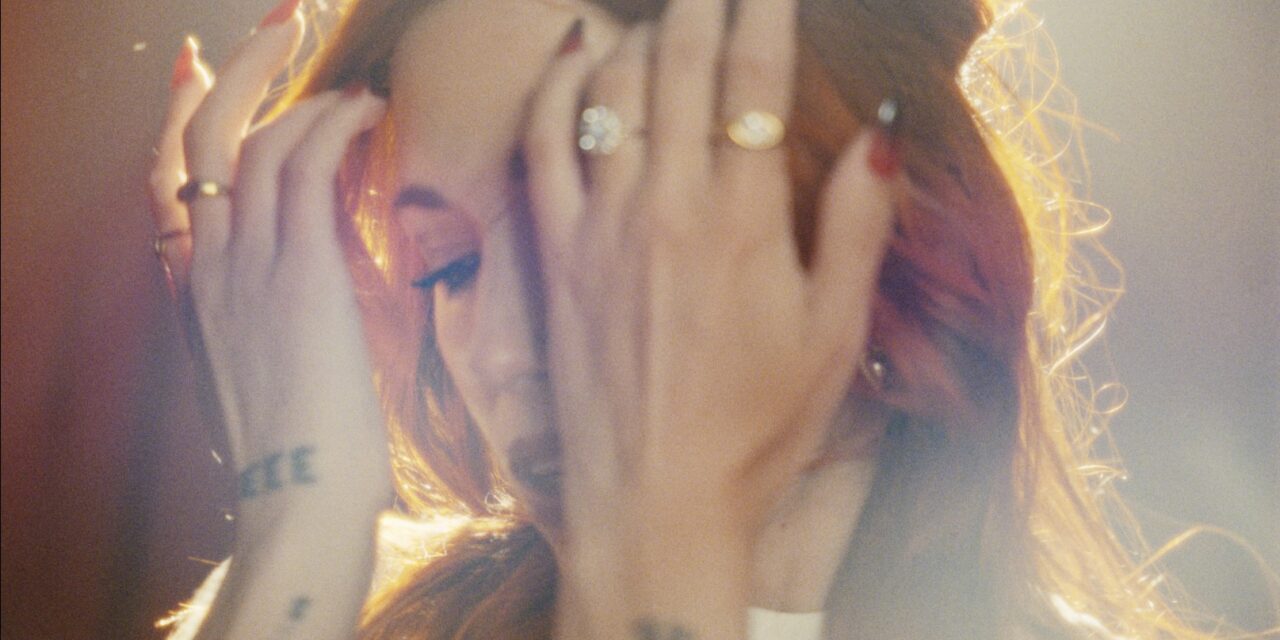
Alt-pop’s rising firestarter turns betrayal, gaslighting, and online heartbreak into her most theatrical era yet.
Ever been ghosted, gaslit, or betrayed online? Dela Kay has — and instead of spiraling, she grabbed a guitar, dialed up the 80s synth drama, and wrote her new single “Guilty Conscience” (out November 19). It’s cheeky, emo-tinged, and unapologetically messy — the perfect soundtrack for anyone who’s ever dealt with a chaotic situationship and lived to tell the tale.
The Nashville-born, LA-based alt-pop artist channels the sting of digital-age betrayal into something sharp, cinematic, and ridiculously catchy. Co-written with Nick Cozine (Iann Dior, Machine Gun Kelly) and Jake Finch (boygenius, Ashe, Lucy Dacus), and co-produced alongside GRAMMY-winning Stefano Pigliapoco, “Guilty Conscience” blends punchy pop melodrama with guitar-driven angst. This is Dela Kay stepping fully into her one-woman-show era — theatrical, self-aware, and ready to call out every ex who thinks they can hide behind a screen.
“I wanted to say everything I’d never say — funny, cheeky, but real,” she shares. “Everyone has experienced betrayal… and this song talks about the kind that happens online too — virtual cheating, gaslighting, all that messy stuff.”
The Making of a Modern Alt-Pop Antiheroine
Raised in a musical family and steeped in theater, Dela Kay has always approached pop music like storytelling. Her songs aren’t just diary entries — they’re full scenes, lighting cues included.
You hear that lineage in “Guilty Conscience,” where she transforms personal heartbreak into emotional theatre. The track’s vivid details, soaring melodies, and wink-through-the-tears attitude feel crafted by someone raised on performance — because she was. Both her parents were performers, and music was woven into daily life. That early creative upbringing explains why every Dela Kay release arrives with world-building baked in.
A Visual That Hits Like an 80s Fever Dream
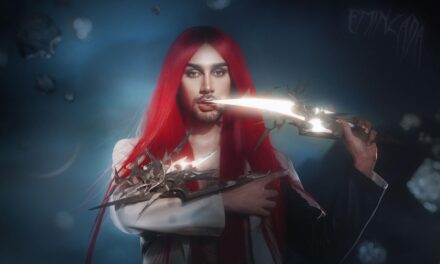
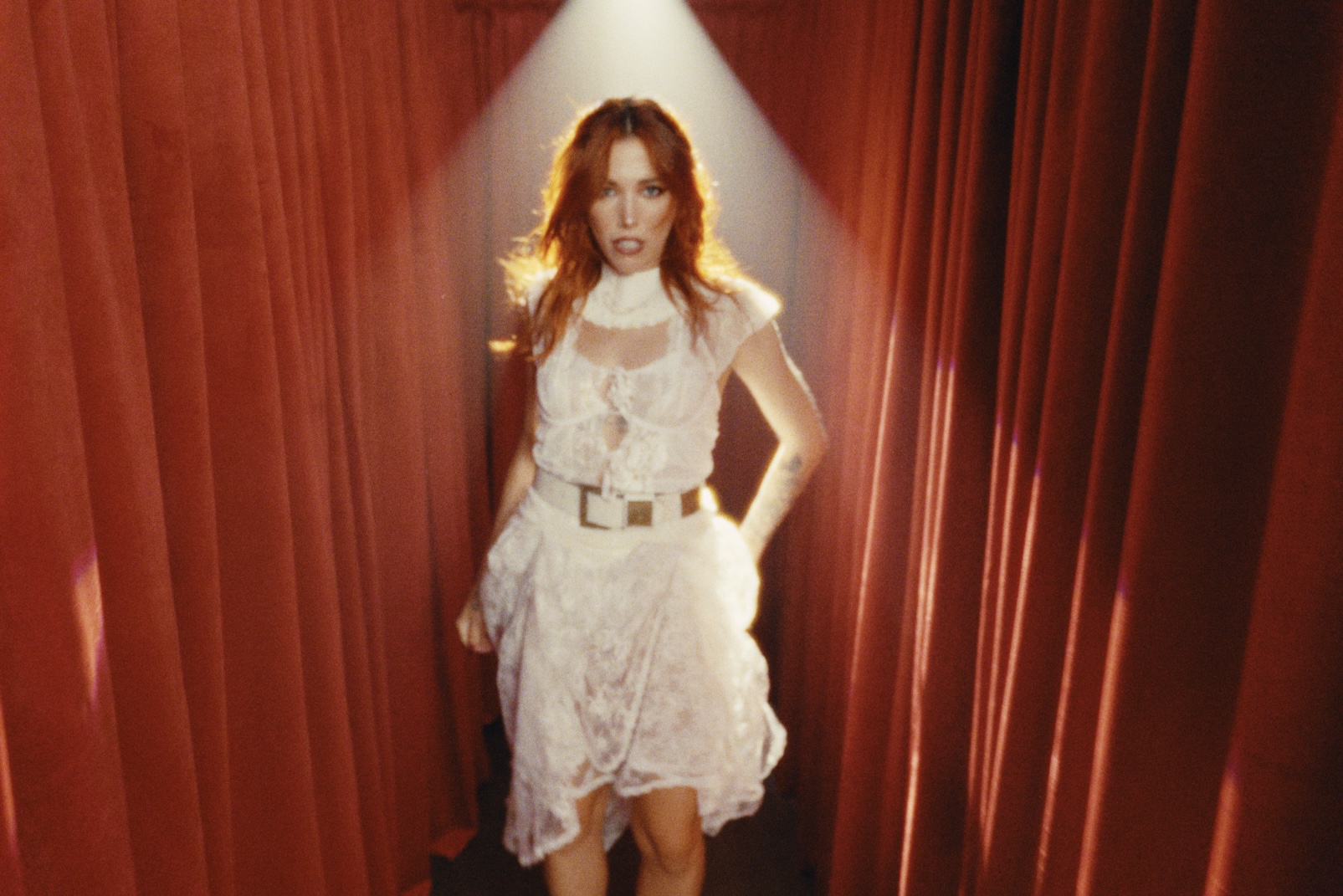
To bring the new era to life, she teamed up with Nashville’s Working Holiday — the creative studio known for their work with The Band CAMINO and Medium Build. The official music video leans into full retro drama: red velvet curtains, spotlight intensity, shifting personas, and Dela Kay playing all the characters in her own heartbreak saga.
It’s bold, playful, and dripping with attitude — exactly the kind of visual storytelling that matches the track’s emotional bite.
A Career Marked by Reinvention — and an Artist Becoming Her Truest Self
Dela Kay has been carving her space in alt-pop since her electro-pop beginnings in 2014. From early acclaim via Earmilk to her Sony Music-released “All My Love” charting globally, she’s never stopped evolving. Her 2021 single “The Worst Part” first marked her shift toward a more alternative sound — but “Guilty Conscience” feels like her most fully realized version yet.
With over 2 million streams already under her belt and influences ranging from Paramore to Maggie Lindemann to Avril Lavigne, she’s shaping a lane that blends pop vulnerability with rock edge and theatrical flair.
Calling Out Chaos, One Anthem at a Time
In “Guilty Conscience,” Dela Kay invites fans to embrace their real, messy, heart-on-fire moments — the ones that don’t get filtered out for the feed. It’s cathartic, fun, and fiercely self-aware.
“I hope people hear it and feel seen, entertained, and maybe even a little empowered to call out the chaos in their own lives,” she says.
And honestly? Mission accomplished.
Connect with Dela Kay:
Instagram | TikTok | Spotify | YouTube | X | Facebook
“Guilty Conscience” feels like a cathartic confession wrapped in glitter and distortion. What moment or realization pushed you to finally “say everything you’d never say”?
-I think at the time I was still processing some leftover feelings. I went into the write not really knowing what was going to come out of it—when we started, part of me was coming more from a vulnerable place and as soon as we got to writing the chorus, we decided to switch up the vibe and it became a really fun release. Nothing prompted me to be so real, it just kind of happened naturally. I actually didn’t know if I’d ever end up releasing it, because at the time it was more about a release for me, and I didn’t want to hurt anyone by releasing my truth. It eventually came around to being enough time and sitting with the track where I decided to release it for me and to just have fun with it—sometimes people shouldn’t do things that intentionally hurt people, if they don’t want them to talk about it, ya know? I think coming to terms with that and having peace about releasing this song was definitely a process but I’m glad I’m doing it for me (and for any other people who have gone through what I have to have a safe place to get that rage out in a fun way, too). The track walks a fine line between humor and heartbreak — calling out betrayal while keeping it playful. How do you strike that balance between cheeky and cutting?
-I think I just tried to really be honest about how I felt at the time which was a sense of heartbreak but also, absolute disbelief at the behavior I was experiencing. I think telling my truth came with that balance naturally—when it’s someone you had lots of love for, those achey feelings are still there, but unfortunately sometimes the people we love most do stupid shit— and it deserves to be called out (especially if it’s affecting you).
You mentioned the song touches on virtual cheating and gaslighting — themes that feel painfully modern. How do you think technology has changed the way we experience trust and betrayal in relationships?
-I think before social media, you’d have to manage trust with your partner when seeing new people out and about, and on the street—but technology has really warped our view on relationships and has given people the illusion of romantic options. With the touch of a few buttons, you can give into your lust so easily and I think that has taken away the importance of maintaining that vulnerability within relationships and with your partner. That constant dopamine hit from other people who aren’t your partner is addictive and I think that’s ruined a lot of good relationships by causing major trust issues and levels of betrayal.
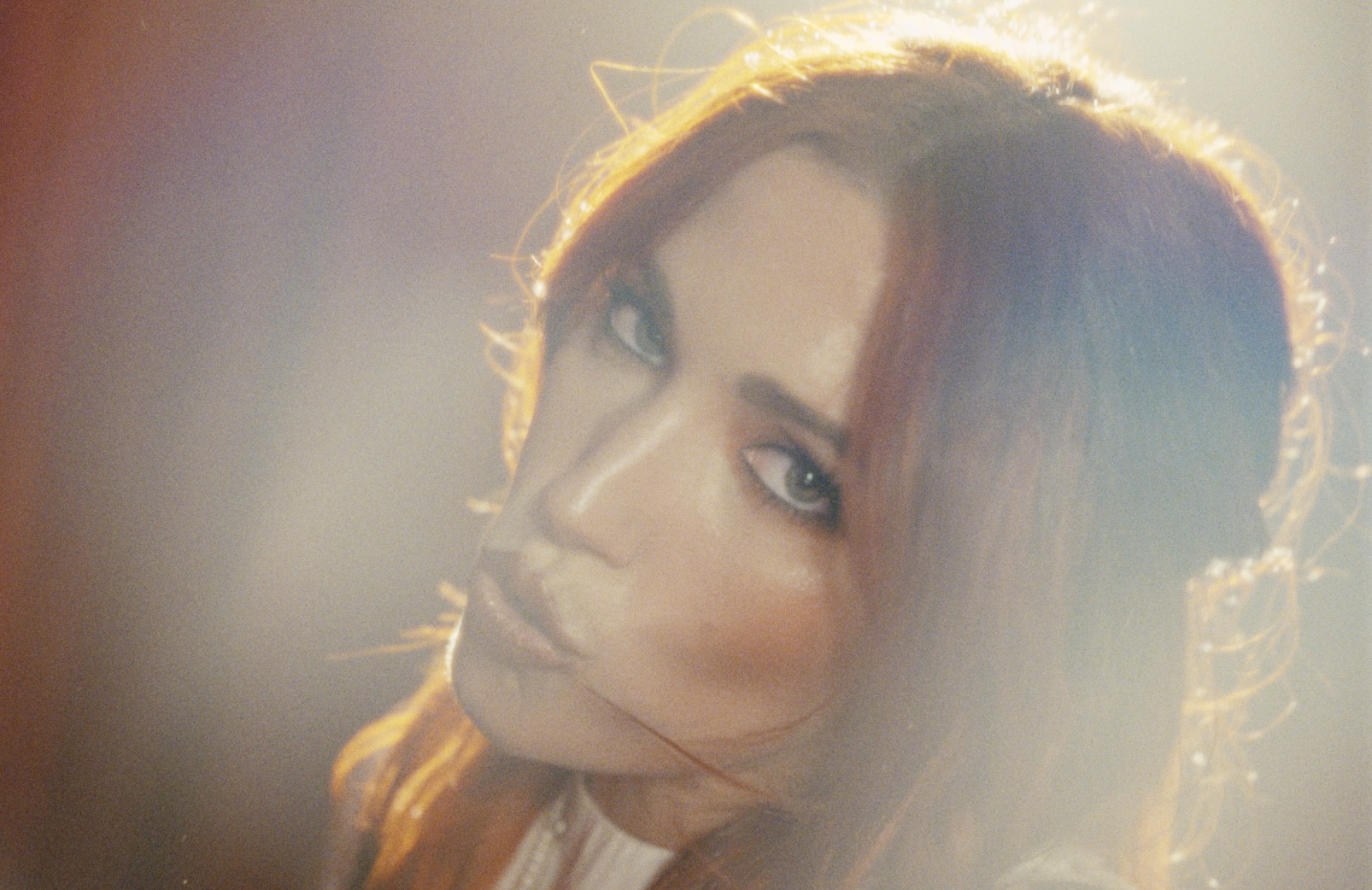
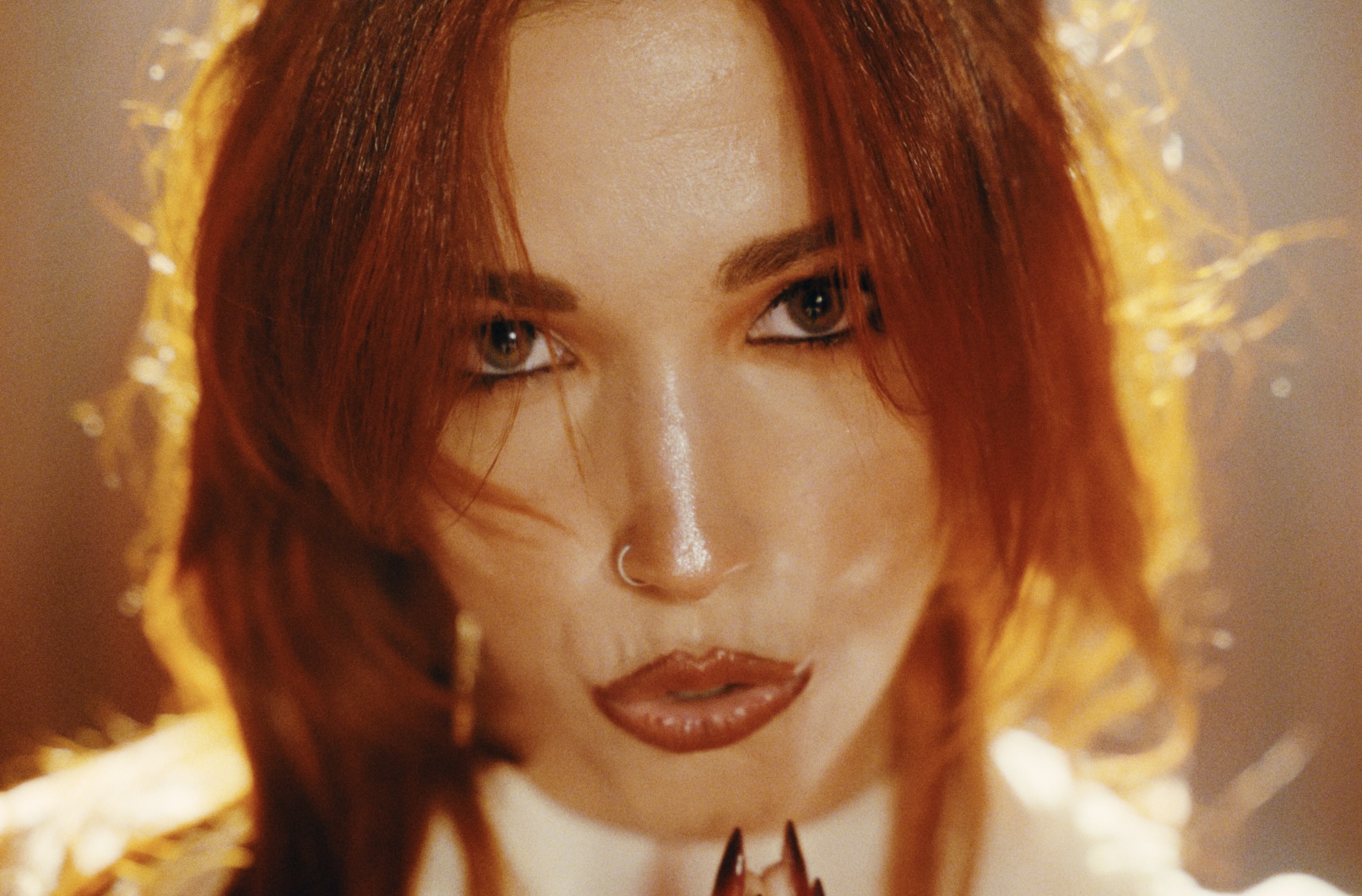
The song has such strong theatrical energy — from the 80s-inspired visuals to your onstage persona. What role does performance play in your storytelling?
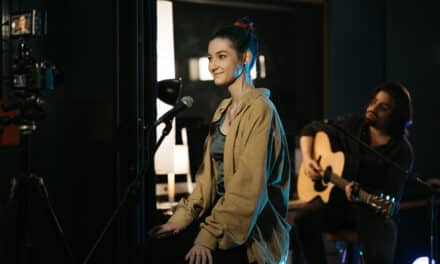
-I think growing up doing musical theatre and professionally in my early 20’s, performing will always be a huge part of who I am and as an artist. I love the high energy, the dancing and the dramatics. Being able to bring my songs to life in that way is so fulfilling, and it’s so fun taking it to a whole new level from just the studio experience. Sharing that with other people will always be one of my favorite aspects of being a songwriter.
Nashville often conjures images of country roots, yet you’re carving out a space that blends alt-pop and punk spirit. How did growing up in that scene shape (or challenge) your sound?
-As a Franklin, TN kid, Paramore went to my high school. The emo scene was super high around that time, and obviously looking up to women like Hayley Williams, and with her being from my hometown, definitely helped form the way I came up in listening to and being inspired by more alt music. My parents also listened to a lot of classic rock and 80’s rock, so I was constantly listening to that as well. I think alt/rock music will always be at my core, as well as folk music. The indie songwriting scene in Nashville is huge, and definitely shaped my love for writing, too. Focusing on making a good song is step one—the rest always follows.
You co-wrote “Guilty Conscience” with some heavy hitters — Nick Cozine, Jake Finch, and Stefano Pigliapoco. What did that collaboration bring out in you as an artist?
-I wrote the song with Nick Cozine and Jake Finch. Jake actually started the production from our demo, and Stefano was brought on after to co-produce and bring it more to life, as well as mix and master. Stefano is an amazing songwriter and producer and had done my entire last EP with me, and had introduced me to Nick during our first write which ended up being the title track of the EP, “Falling into Place”. Jake is a longtime childhood friend, who I have been dying to work with—I loved seeing all the amazing work he has been doing with Ashe and Boygenius. The three of them, being such heavy-hitters, really helped me bring my A game to the write, especially when it came to keeping myself honest and allowing things to be catchy without doing too much. I think sometimes you can want to do a whole lot and some of the best songs are pretty simple and real, and I feel like we did a good job at achieving that with this song. They’re amazing musicians and human beings so I was very grateful for our experience.
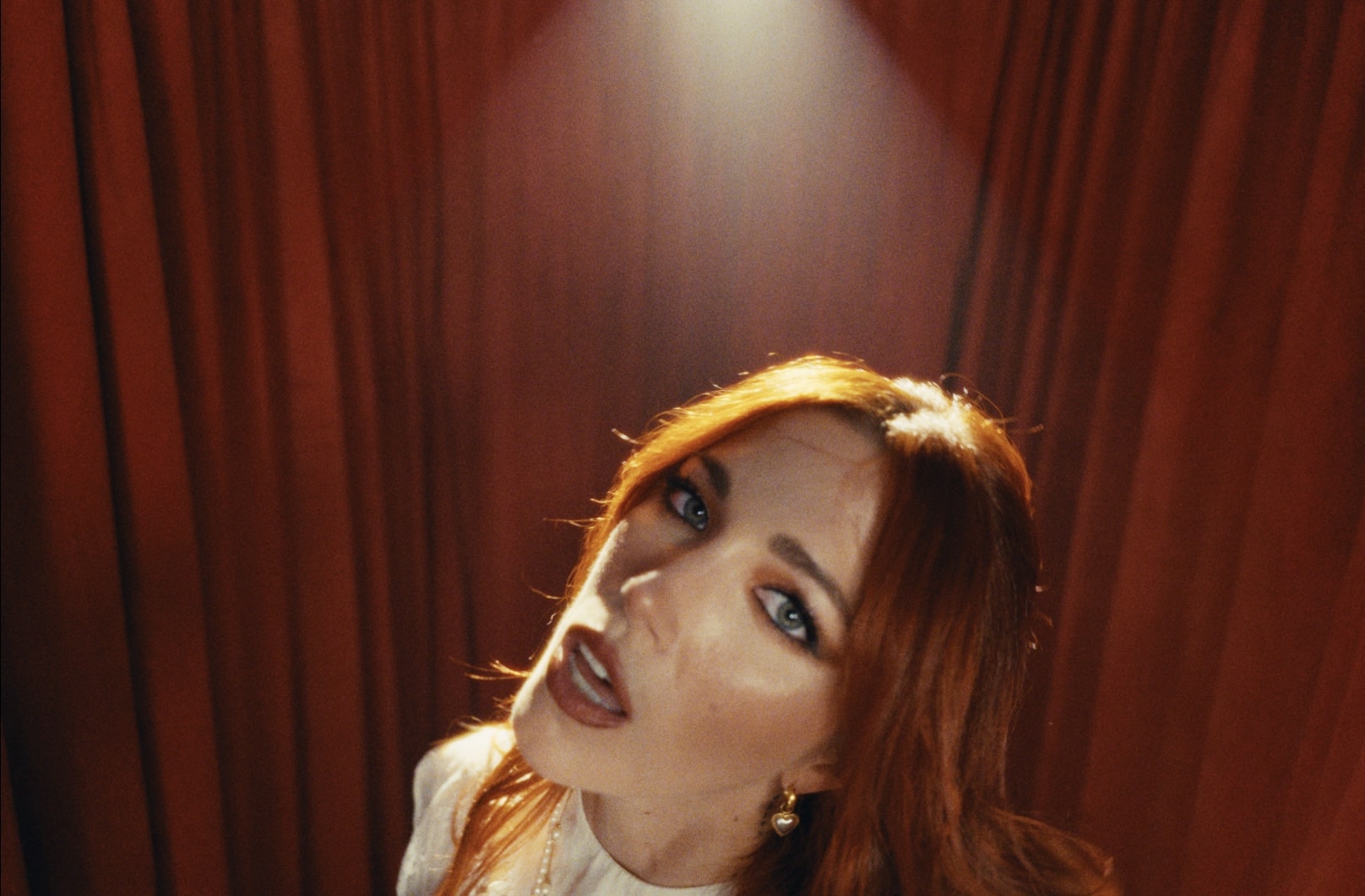
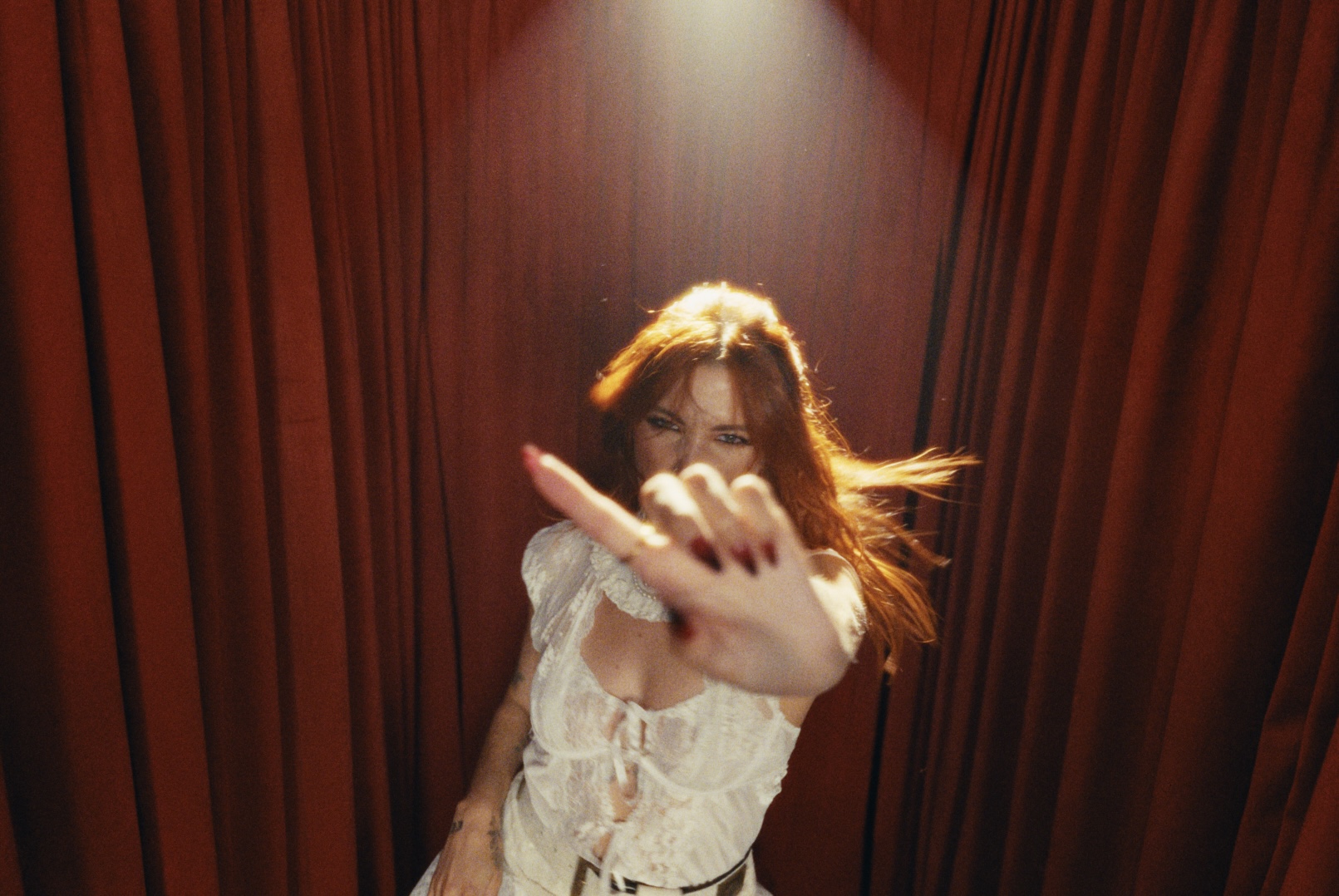
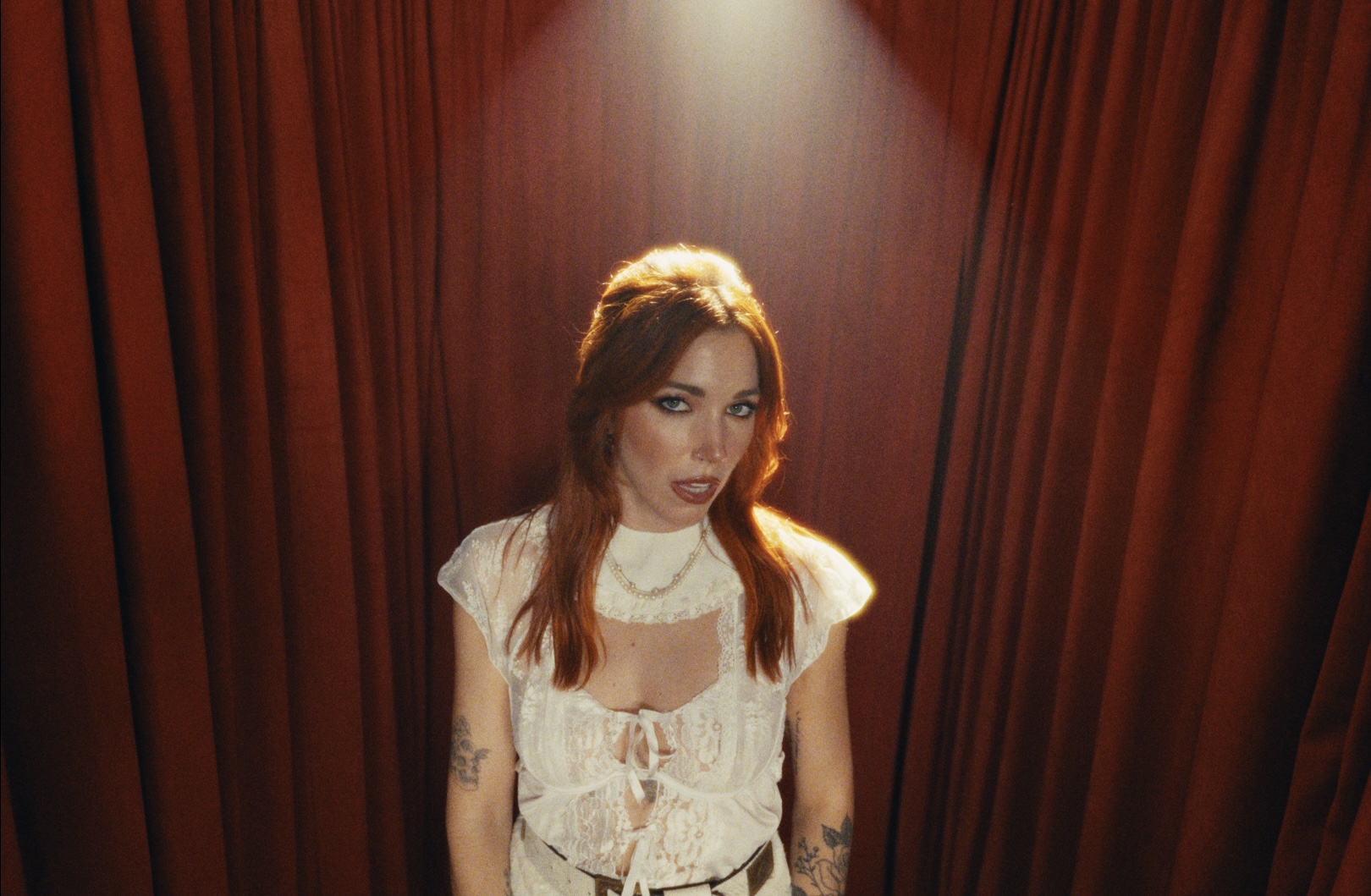
The visuals are drenched in red curtains, spotlight, and costume shifts — almost like a self-directed theater piece. What story were you trying to tell through the video’s imagery?
-Working Holiday actually came up with the red curtain idea after hearing the song. I think the song itself is very cheeky and also dramatic, so we worked together at achieving that theatrical nature, while also keeping it fresh with the looks. I was going for a good and evil type narrative with the looks—me playing the “good girl” in white, romanticizing the relationship and being naive, waking up to reality. And then showing my more bold side, all in black lingerie, while saying my peace and bringing myself back into my power. I’m really happy with how it turned out! As an independent artist, working with a budget can be difficult—you have to get creative sometimes, and Working Holiday was the best team at making this come to life and helping me with this vision. Huge thanks to them.
You’ve described this era as your most “authentic” yet. What does authenticity mean to you now compared to when you first started releasing music in 2014?
-When I was releasing music in 2014 I was very interested in the pop era/culture and loved dance music. I think its focus is more so on the melodies and catchiness—and while you can be authentic while writing dance hits, there’s a level of depth that always felt to be missing for me. Now in more of an alternative lane musically, I find it easier to write about deeper emotions, and being honest with who I am and how I’m feeling. I feel the most myself where I’m currently at and can’t wait to see where writing goes from here.
You come from a musical family where storytelling was part of daily life. How has that upbringing shaped your approach to writing songs that are both vulnerable and cinematic?
-Growing up doing musical theatre and coming from parents who did theatre, and my mom also being a singer-songwriter, there was always so much inspiration at home. Hearing my mom play the piano and sing often, and supporting me to be more involved for myself, was something I’ll always be grateful for. Having the background of theatre and dance helped cultivate the fun cinematic side of my personality, and the songwriting and storytelling with acting seemed to really pave its way into how I began to write and how I wanted to express myself more vulnerably.
“Guilty Conscience” feels like both a release and a declaration. What do you hope your listeners take away from this track — beyond just a great hook?
-I’m really sorry if they genuinely relate haha! But also if they do, I hope we can share that sucky feeling together. I want people to have fun listening to this with its cheeky, upbeat nature, but also to know that it’s okay to be bold and honest about how you feel in any situation. I hope I can inspire my fans to never be afraid to speak their truth and be real about their experiences.