The indie songwriter’s sophomore album is a concept record about identity, self-hatred, and the long, looping road back to light.
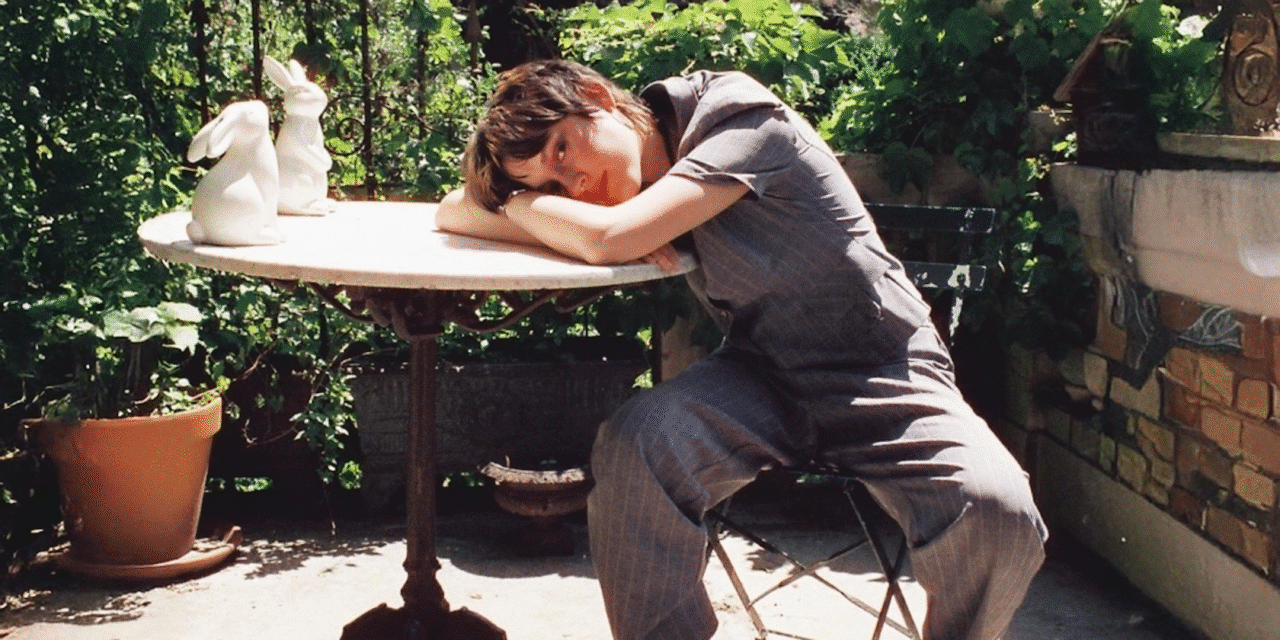
On November 14, 2025, indie singer/songwriter Torri Weidinger released their sophomore album, bunny with tunnel vision—a record that doesn’t simply collect songs so much as it threads them, quietly and insistently, into a single internal narrative. Out via AWAL, the album features previously released singles “i’m a bunny with tunnel vision,” “living to work,” “floating,” and “BIG RED EYES,” and expands Torri’s world beyond the intimate cello-acoustic atmosphere many listeners first fell in love with.
What’s striking about bunny with tunnel vision is how it holds contradictions without trying to resolve them too quickly: the urge to prove your worth while knowing you shouldn’t have to; the pull toward scarcity mindset and survival mode while still writing toward hope; the desire to be seen while learning to stop treating pain like proof that something is wrong.
Torri describes the album as “a concept album that explores identity and self-hatred,” and notes that—unlike their debut all in good Time—almost every track here features a full band approach. That shift doesn’t erase Torri’s signature intimacy; it reframes it. The songs still feel like a diary, but now it’s a diary with room to echo—wider dynamic range, deeper grooves, and a sense of momentum that makes the album feel lived-in rather than merely observed.
To celebrate the record, Torri also announced a release show November 19 at Elsewhere Zone 1 in New York City, turning this deeply internal work into something communal—shared breath, shared volume, shared light.
Below, Torri takes us inside the concept, the emotional architecture, and the sonic evolution of bunny with tunnel vision—from writing one song a month to learning “compassionate curiosity” as a daily practice.
“bunny with tunnel vision feels like a deeply internal conversation. When did you first realize this record needed to be a concept rather than just a collection of songs?”
After I wrote “I’m a bunny with tunnel vision,” I fell in love with the concept—being hellbent toward getting what I want, trying to prove something that isn’t in question: my worth. The fight for being seen, being known, proving myself. It’s deeply embedded in our culture. From there, I wrote about one song a month that felt like it fit in the project—it fell together very easily.
“You’ve described the album as an exploration of identity and self-hatred. What part of yourself was hardest to confront—and what surprised you most?”
I wondered if writing about my distortions really does me any good. During recording I felt like I was using my music to ruminate/obsess over perceived shortcomings—sort of meta, but hard to reconcile. I was moralizing my art… difficult for an OCD mind nonetheless. What surprised me most is how little resistance I have toward writing songs. It’s my safe place, my healing.
“The line ‘compassionate curiosity about my suffering’ is striking. How did adopting that mindset change your artistry—or day-to-day life?”
It’s an everyday commitment. Some days I’m better at it than others. I’m still learning to find grace and give myself credit… I’ve learned the most peaceful people create space for contradictions. My suffering is really just avoidance of negative emotions. When you’re compassionate about your avoidance, you soften—you can feel the feeling without perceiving it as a threat. Pain doesn’t mean something is wrong.
“Each track is connected to a different person or story. How did those external characters help you understand your own internal landscape?”
We are mirrors—near and distant reflections. The people I’ve loved have shown me how I love, how I think, how I move. I’m thankful for everyone that has shown me particles of truth, in the madness that is attachment and desire.
“You’re an incredible cellist, and strings have always been a signature part of your sound. How did bringing a full band into the process reshape your musical identity?”
We intentionally forgot about the cello as much as possible. I lean on it a lot to create atmospheres—and I always will—but Jason, Nate, and I decided to lean into a new sound independent of strings. I loved this approach. It gave me newfound confidence in what my songs are at their core.
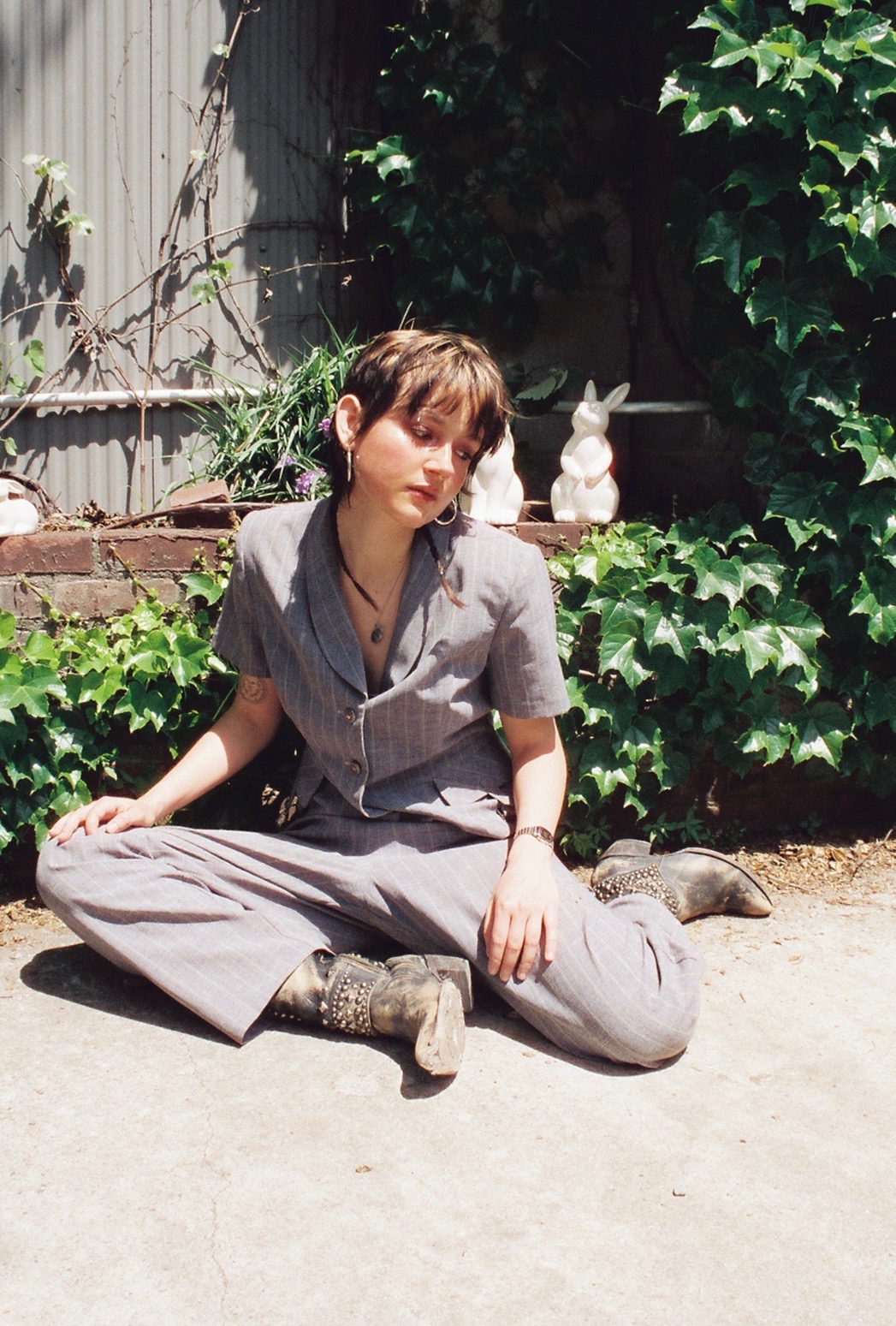
“Sonically, the album feels both intimate and expansive—almost like a diary performed inside a cathedral. What textures were most liberating to experiment with?”
The most thrilling was drums and percussion—new for my music. Nate played most of the drums and crushed it. Each groove gave the songs a different life. My personal favorite is “Floating”—each section is a little different; it flows like a river. Drums and electric guitar too—fun to lean into being a bit more rockstar/angsty.
“The record moves through darkness toward light. Was there a moment where that emotional arc crystallized?”
The emotional arc I’m crystallizing now is I’ve never been separate from light. I am light. This record still lives in the distortion that it’ll be nice when the light arrives. When I was writing it, I don’t think I believed light was accessible… even in the last lyrics of “infernal chore”… and then it loops back to the opening track “when that day arrives.” There’s a loop I wasn’t aware of yet. I was almost there. I am now.
“What was the biggest shift from your debut album to bunny with tunnel vision—and where do you feel you’ve grown most?”
Song structure, lyrics, recording techniques, vocal tone and control, guitar skills—so much. Most importantly, I trust myself more now.
“Many listeners will connect to themes of hope, patience, and the messy process of learning oneself. What do you hope people carry with them after listening front to back?”
I hope listeners feel less alone—that they are normal, and where they’re supposed to be. That there is no figuring out what to do. That being is enough. I hope my music reflects something back—so someone might feel something new about themselves or the world.
“If bunny with tunnel vision were translated into another medium—film, performance, installation—what would it look or feel like?”
I’d love it to be a short film, shot on film in the redwoods on the West Coast—whimsical and silly with nostalgic twists and turns and echoes of the loops we find ourselves in. And scored by an orchestra: bunny with tunnel vision, the symphony.