Credit: Alynna Tan
There are some artists you don’t just discover—you recognize. Like you’ve seen them in a different timeline, in a different version of yourself. Genevieve Hannelius—known to many as G Hannelius from her Disney era and later appearances like American Vandal—is stepping into that exact kind of full-circle moment with her debut EP, GIRLHOOD, arriving January 16.
But calling it a “debut” doesn’t quite capture what this project feels like. GIRLHOOD plays like a reintroduction: a reclamation of voice, control, and emotional truth. It’s the sound of someone who’s been writing her whole life—quietly, privately, between scenes and schedules—finally deciding it’s time to let the world hear the pages she’s been holding onto.
Her first two singles, “Reckless” and “James,” are already proof that this era isn’t about chasing a trend—it’s about translating a feeling. The songs carry a throwback glow with sharp modern edges, pulling from ’90s and early-2000s influences like Lisa Loeb, The Cranberries, and even the sweet-pop sincerity of Hilary Duff, but filtered through a diaristic lens that feels undeniably current. If you’ve ever had an Olivia Rodrigo phase (or a heartbreak you turned into a personality trait), this one lands instantly.
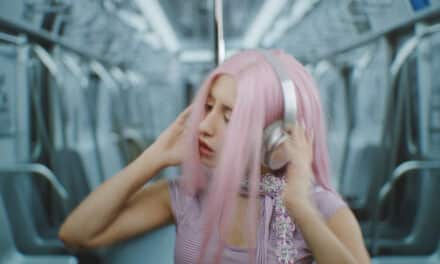
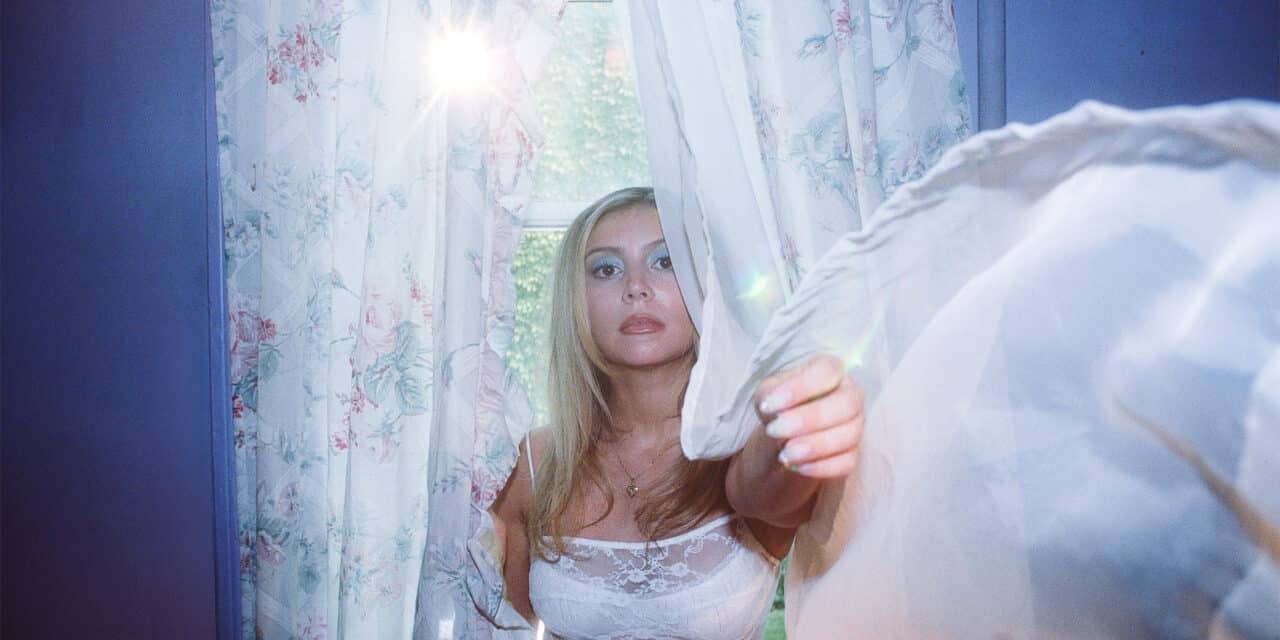
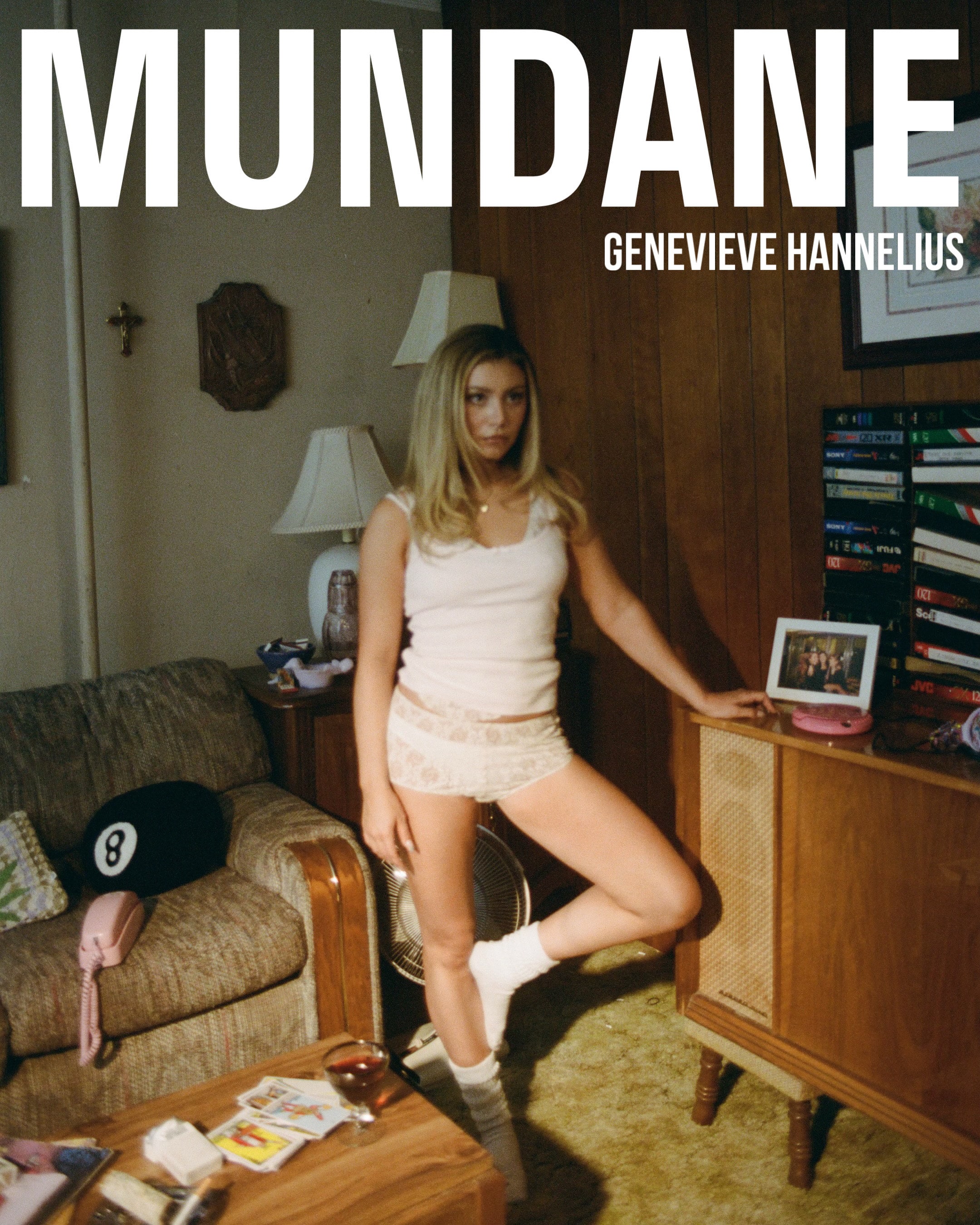
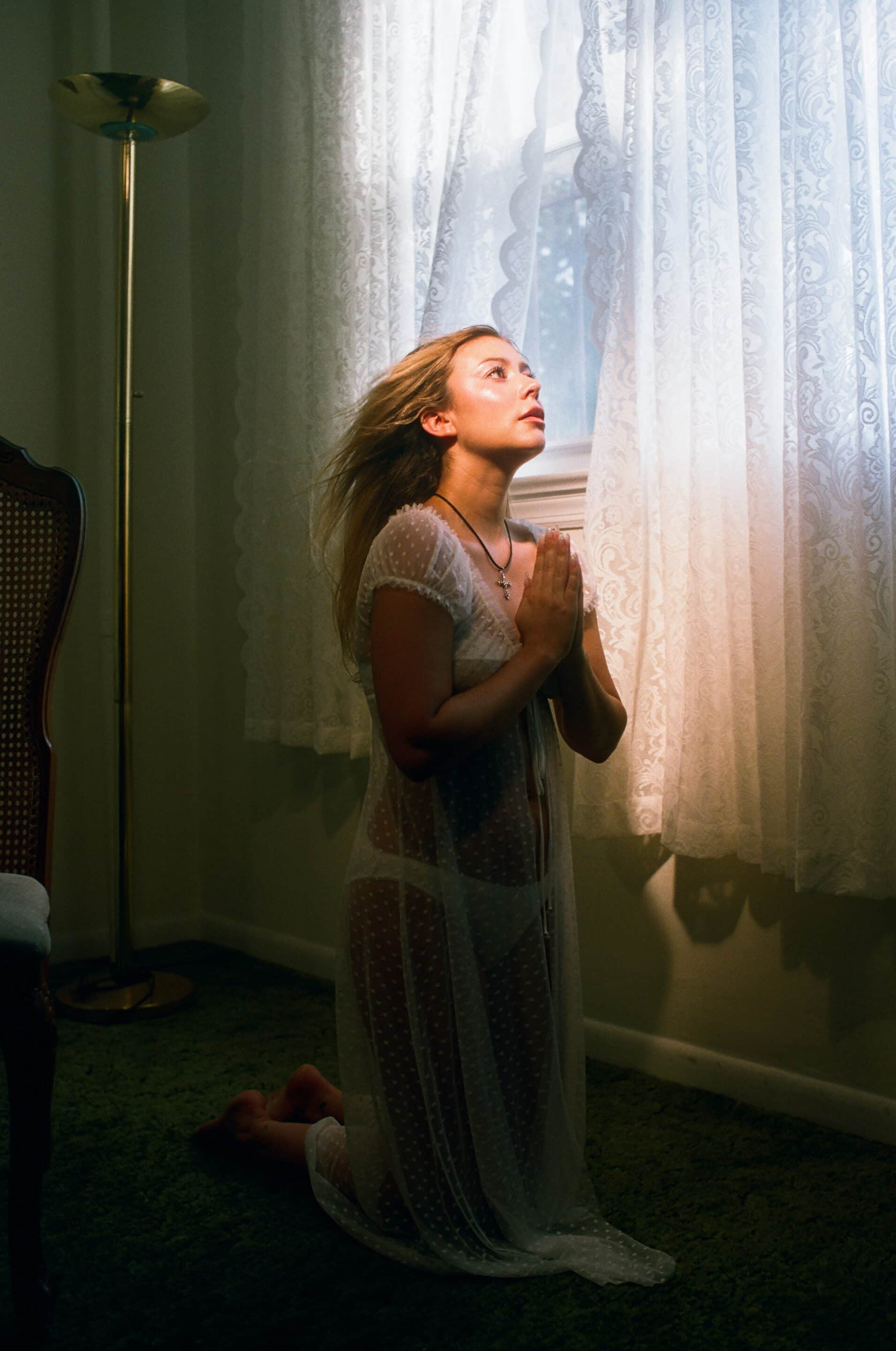
And the world around the music? Just as intentional. G’s visual language is soft but loaded—messy bedrooms, intimate stillness, cinematic femininity. A kind of emotional set design. The kind of aesthetic that doesn’t scream for attention, but makes you lean in closer.
We caught up with G Hannelius to talk about stepping into music on her own terms, the emotional contradictions of girlhood, creating beauty from heartbreak, and why perfection is the least interesting thing an artist can offer.
Interview: Genevieve Hannelius on GIRLHOOD, Vulnerability, and Owning Her Story
You’ve been writing music since childhood. What changed internally that made now feel like the right moment to finally share this side of yourself with the world?
I shared music when I was younger but now that I’ve done some growing up and had some new life experiences under my belt, it felt like the right time to reintroduce myself in the music space.
GIRLHOOD feels less like a debut and more like a reclaiming. What does the title mean to you at this stage of your life—and what parts of girlhood did you want to protect, revisit, or rewrite through this EP?
The title really feels like a representation of being in your twenties and that feeling of discovering yourself. Girlhood is such an amalgamation of contradicting moods and feelings and I really wanted to represent all of those emotions on the EP.
There’s something powerful about that framing—girlhood not as a fixed identity, but as a moving landscape. Not a “before,” but a living place you return to with new eyes.
Songs like “Reckless” and “James” sit in that emotional space between nostalgia and self-awareness. How intentional was it to let vulnerability lead the project rather than polish or perfection?
I write from a lyrics first approach so I really like my music to feel like it is a page ripped from my diary. I don’t know how to write from a polished/perfect place and perfect is so boring!
That’s the secret sauce: the honesty. The willingness to be a little messy on purpose. Because when something feels too polished, it stops feeling like a person.
You cite influences like Lisa Loeb, The Cranberries, and early-2000s pop icons. What emotional qualities from that era were you most drawn to—and how did you translate them into a modern pop language?
I was more so drawn to the sound rather than anything else. I wanted Reckless and James to have a throwback pop feeling to them- like the songs that made up my girlhood.
It’s not cosplay nostalgia—it’s emotional memory. The kind of production that feels like driving home at night with the windows down, pretending you’re in a movie, even if your life is falling apart.
Having grown up in front of the camera, how did stepping into music as your own voice—rather than a character—challenge or liberate you creatively?
I love the control that I get to have when I create music. Writing the songs myself and actively participating in the production process feels really fulfilling since a lot of my job when it comes to acting is in other people’s hands.
That control is everything. Acting can be transformative, but music is a different kind of intimacy—it’s you, unfiltered, with nowhere to hide. And in G’s case, that’s exactly the point.
There’s a diaristic quality to your songwriting that feels very Gen Z, but also timeless. Do you write more from memory or from the perspective of who you are now, looking back?
I usually write music in the moment as either a reaction to a situation I’ve experienced or as a way to try to understand my own emotions.
There’s something almost therapeutic about that—songs as emotional evidence, not just entertainment. Like documenting your own becoming in real time.
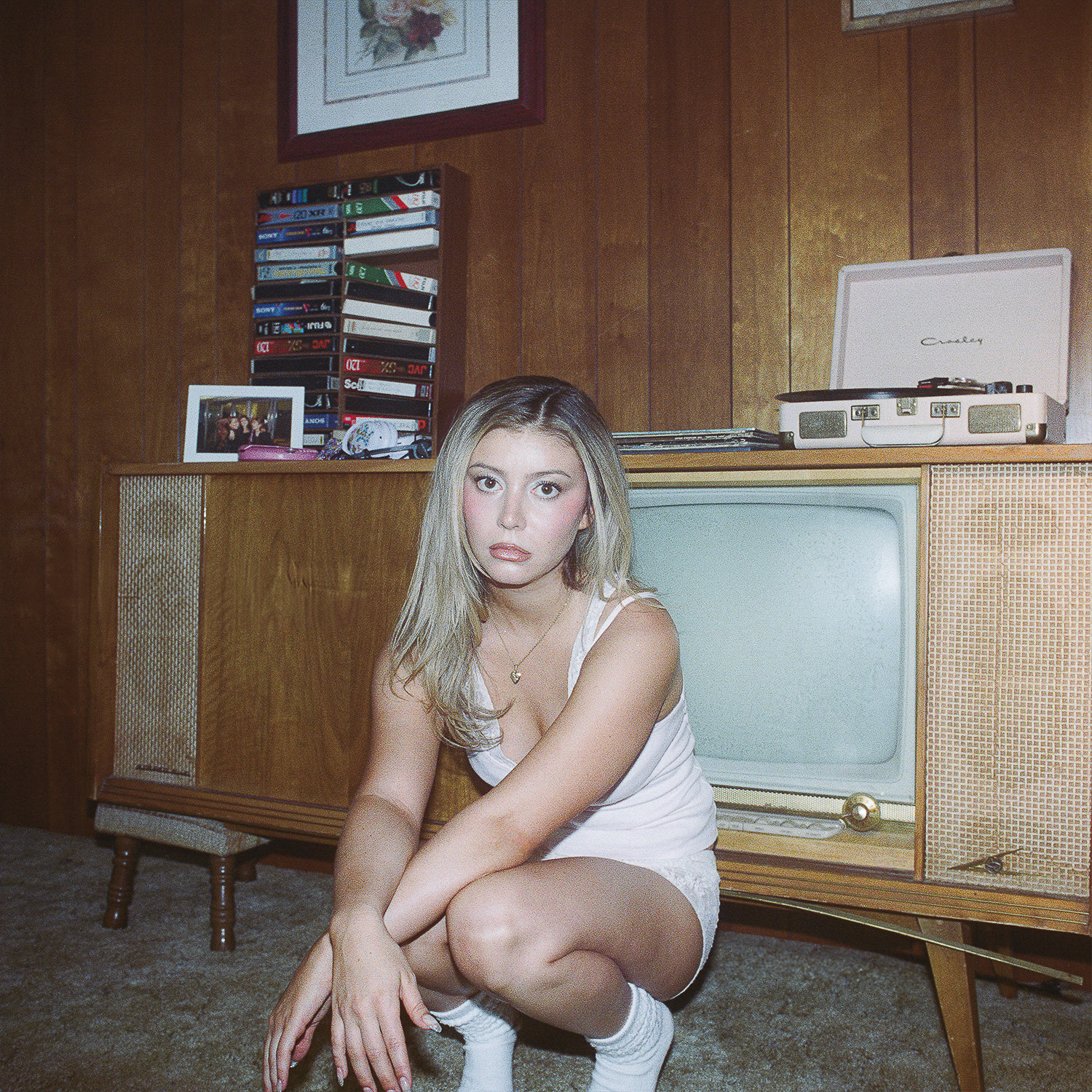
The visuals surrounding GIRLHOOD feel just as intentional as the music. How involved were you in shaping the visual world of this project, and what did you want it to say about you before anyone even pressed play?
I’m a very visual person so I really wanted the visuals to represent the music. I pulled a lot of inspiration from Sofia Coppola movies- girls lying around in their messy rooms. It feels very representative of what I’m trying to say.
That reference makes perfect sense: the quiet chaos, the softness that still holds tension, the femininity that doesn’t perform for approval. It’s not “pretty” as decoration—it’s pretty as atmosphere.
Many people still associate you with your Disney-era work. How do you navigate honoring that chapter of your life while also setting clear boundaries for who Genevieve—and G—is today?
I love to reflect on and honor my past on Disney. I used to see it as something to run away from, but now that I have more perspective, I really embrace that whole era and how it helped shape me personally and career-wise.
That shift—from running away to integrating—is growth in its purest form. Not erasing who you were, but refusing to be trapped there.
“Reckless” and “James” both hint at emotional risk and romantic self-discovery. What have these songs taught you about how you love, or how you used to love?
Both of these songs were really healing for me to make because they were both reactions to different relationships I had. It feels so good to create something positive out of heartbreak.
That’s the real transformation: turning the thing that broke you into something that holds other people together.
As GIRLHOOD arrives, what do you hope listeners—especially those who grew up alongside you—feel permission to do in their own lives after hearing it?
I can only hope that people connect with the songs in some way and maybe feel less alone in their experiences. Girlhood is a beautiful thing and we’re in it together.
The Mundane Take
There’s a specific kind of magic when an artist stops trying to be understood and starts trying to be honest. That’s what GIRLHOOD feels like: not an announcement, but a mirror. A project built from contradiction—confidence and confusion, softness and rage, nostalgia and clarity—because that’s what becoming yourself actually looks like.
G Hannelius isn’t stepping into music to prove anything. She’s stepping into it to own it. And in a world obsessed with reinvention as spectacle, GIRLHOOD is refreshingly human: a page from the diary, left open on purpose.