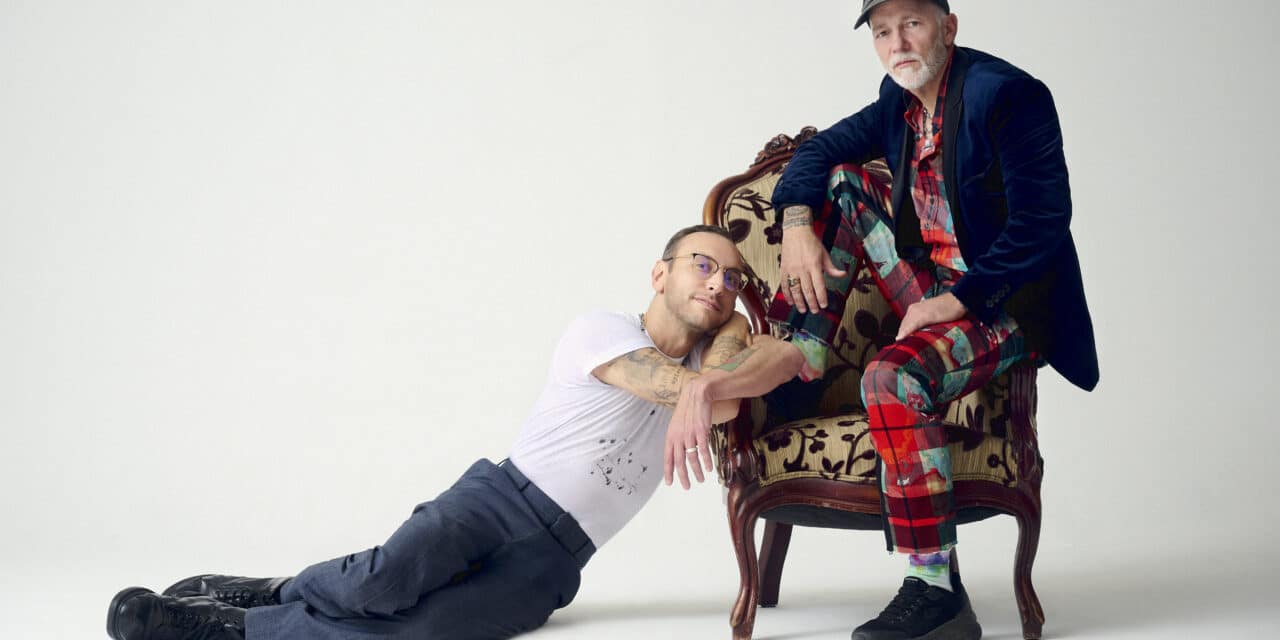
A place you can sink into or try to escape, Wasteland is a collaborative art novel that refuses to sit still. Created by Jason Haaf and Scooter LaForge, the book fuses painting, prose, poetry, and collage into an intimate, volatile landscape shaped by queer desire, repetition, anger, and connection. Wasteland will be released on February 24 via Doable Guys.
Rather than a linear narrative, Wasteland operates as a shared psychic terrain — a space that mirrors moments of lust, fixation, emotional stasis, and the urge to leave one’s surroundings behind. The project reads like an open invitation into a collaborative mind, where words and images bleed into one another, resisting hierarchy or authorship. Nothing here feels decorative; everything is reactive, instinctual, and lived.
The collaboration began unexpectedly. While working at the Strand Bookstore, Haaf noticed the final copy of his debut novel Harsh Cravings disappear from the LGBTQ table. A message soon followed — LaForge had bought it. What started as admiration quickly turned into dialogue, and then into a question: could they create something together that truly merged, rather than layered, their practices?
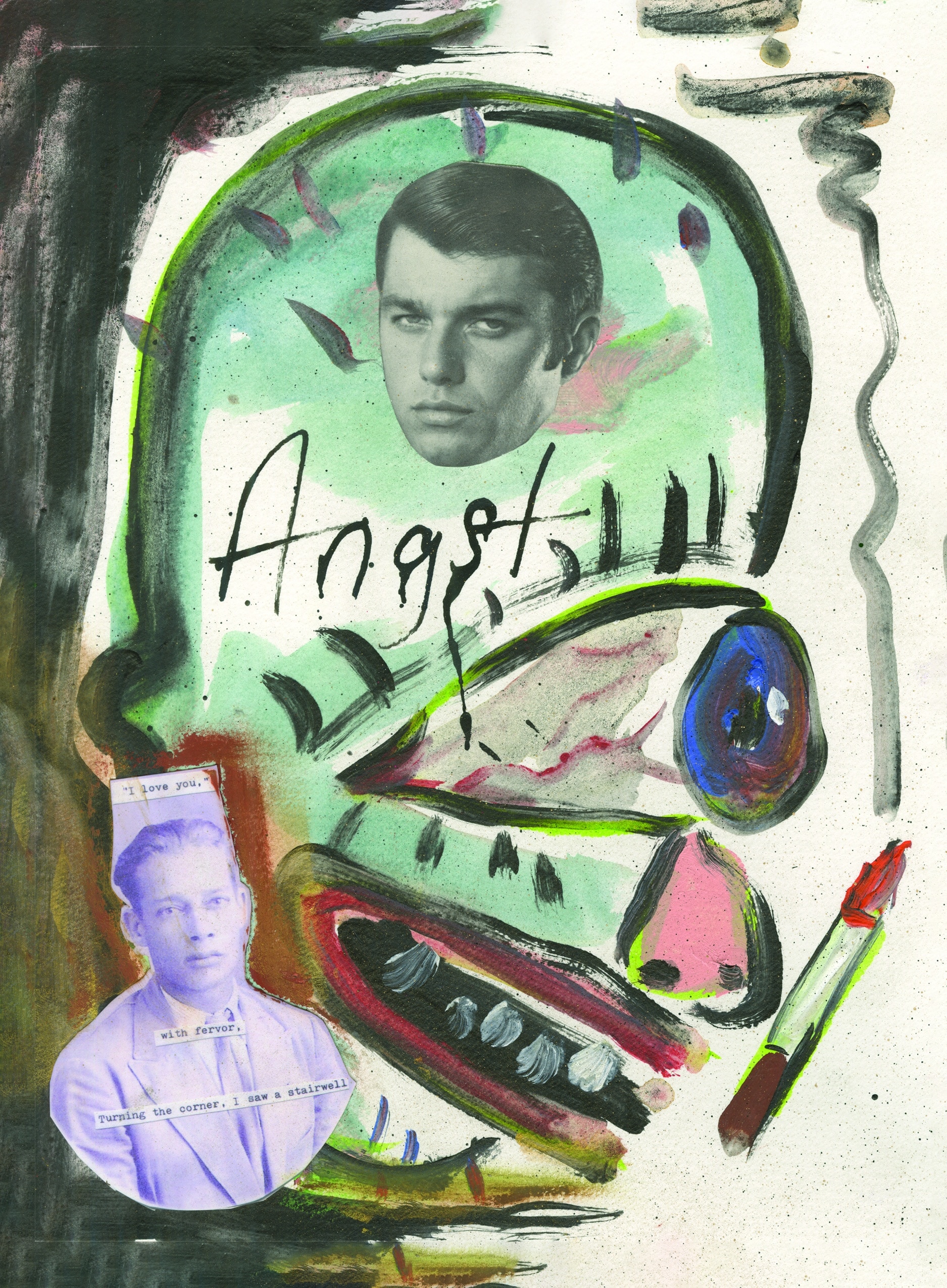
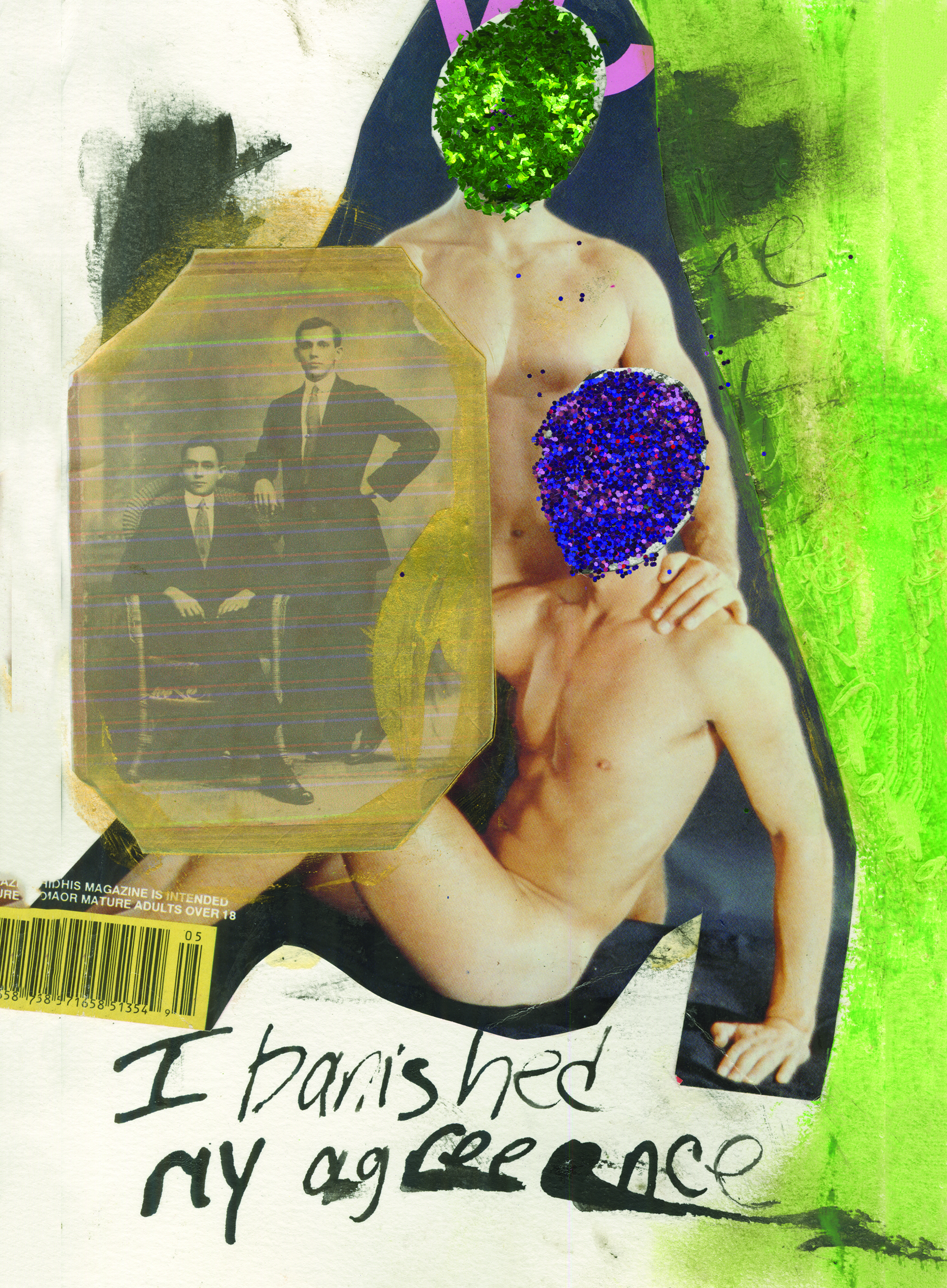
Haaf proposed a collaboration without borders. No illustrations placed beneath text. No visuals responding politely from the margins. Instead, a total interpenetration — writing inside painting, paint inside language. The process began with Haaf transcribing diaristic journal entries from 2021 onto watercolor paper using ink and a bamboo pen, channeling the emotional residue of when the words were first written. Those pages were then handed to LaForge, not as prompts but as provocations.
LaForge responded instinctively, surrounding the text with his unmistakable visual language. When the pages returned, Haaf didn’t revise meaning — he responded again, sometimes with pastels and paint, other times by writing directly over LaForge’s imagery. What emerged was a third voice — neither singular nor separate, but shared.
As the collaborators assembled roughly 80 works, Wasteland revealed itself not as a title but as a place. A state of being. While explicitly queer in intimacy and perspective, it gestures toward something universal: the desire to escape, the need to create, the dissatisfaction that fuels transformation. What does it mean to want more? How do we leave — or what happens if we stay?
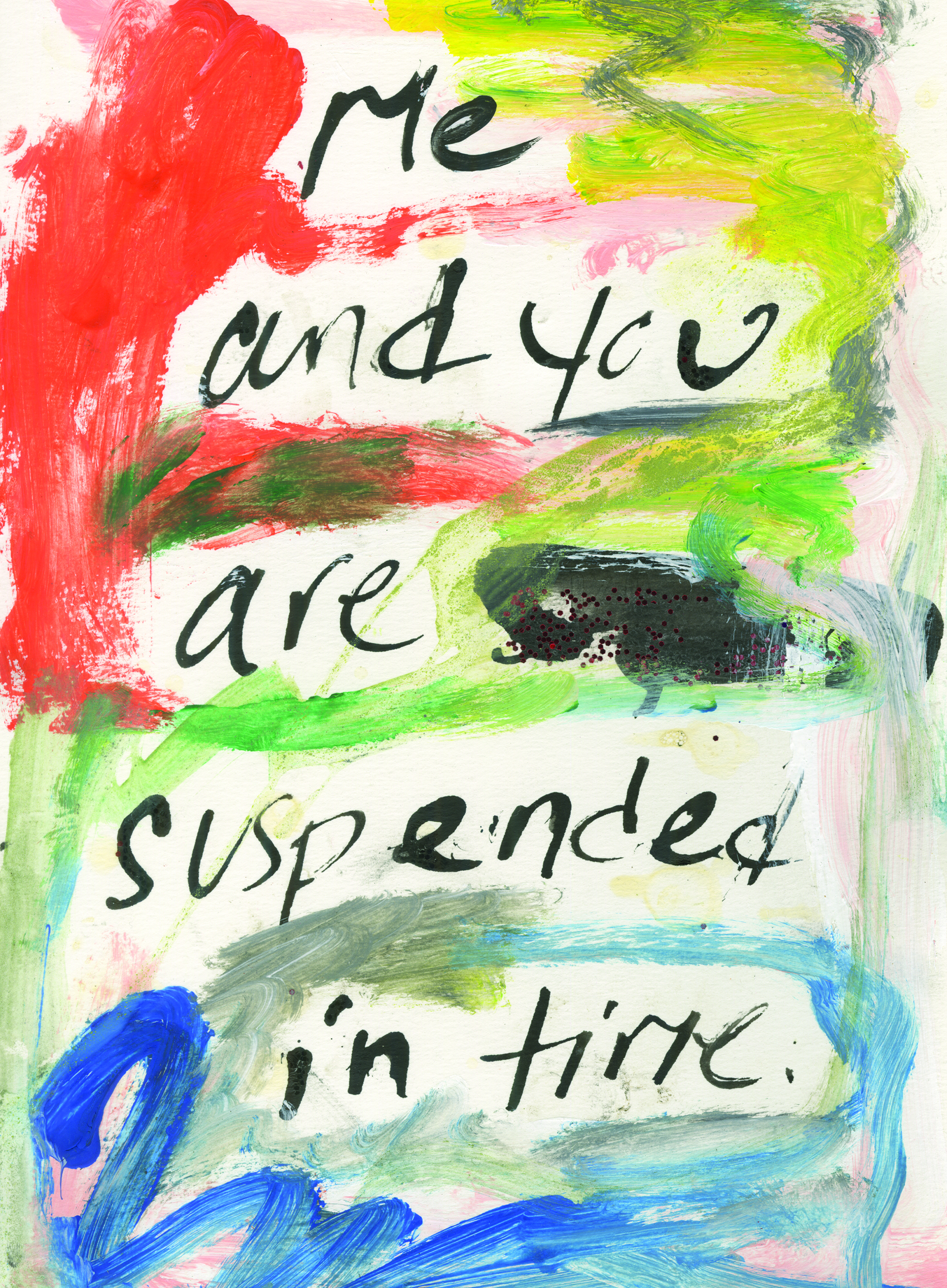
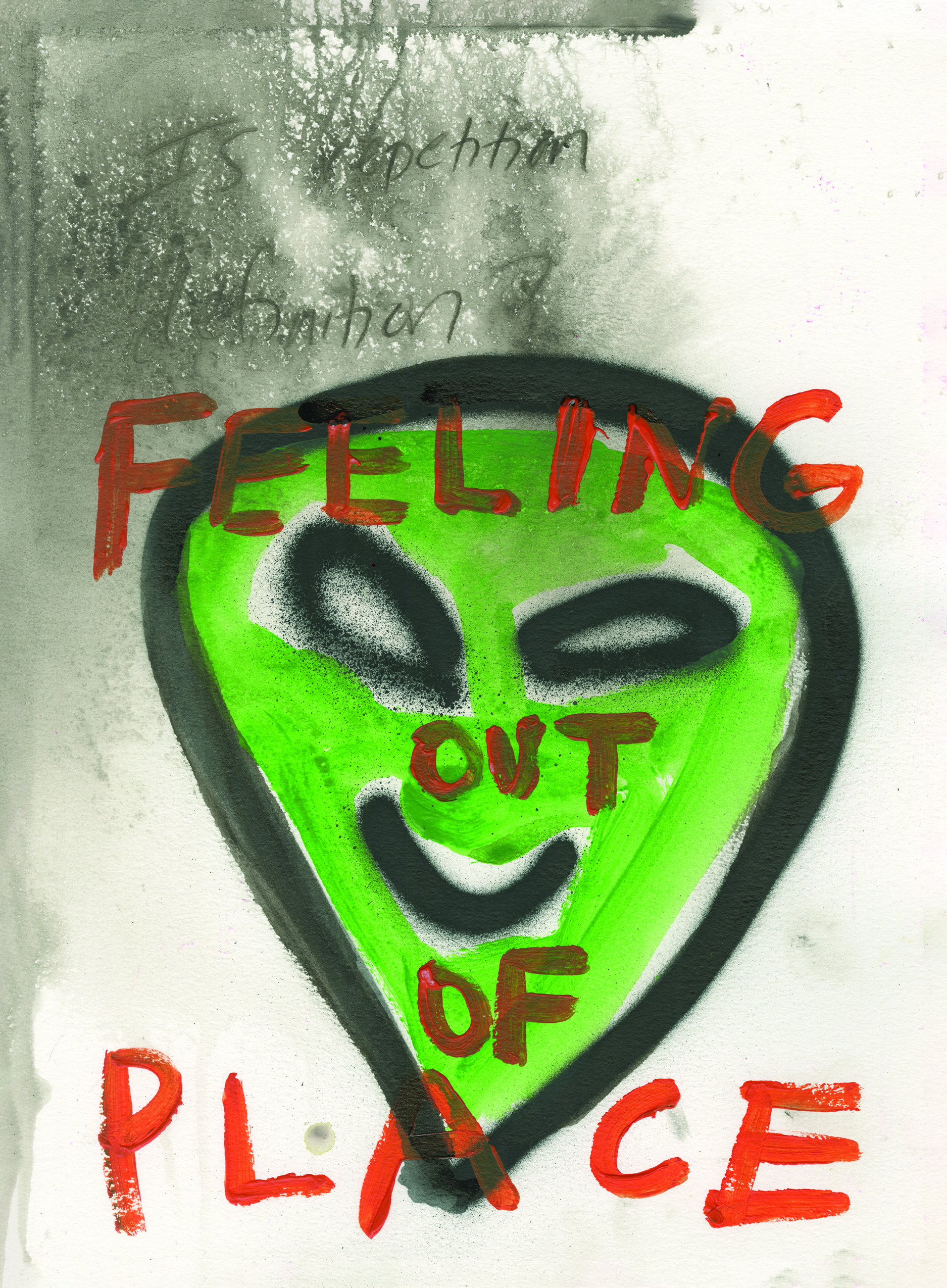
For LaForge, the project unfolded with rare immediacy. Drawn first to the raw honesty of Haaf’s writing, he describes the collaboration as pure response — unforced, unedited, and emotionally charged. The resulting book feels alive, animated by the kind of creative alchemy that only appears when two people meet at exactly the right moment and say yes.
Wasteland is not a passive object. It confronts, seduces, and unsettles. It asks the reader to enter, linger, and recognize themselves somewhere between repetition and rupture. In a cultural moment obsessed with polish and distance, Haaf and LaForge offer something far riskier: intimacy without safety nets, collaboration without control.
Wasteland is released February 24. Pre-orders are available now via Doable Guys.