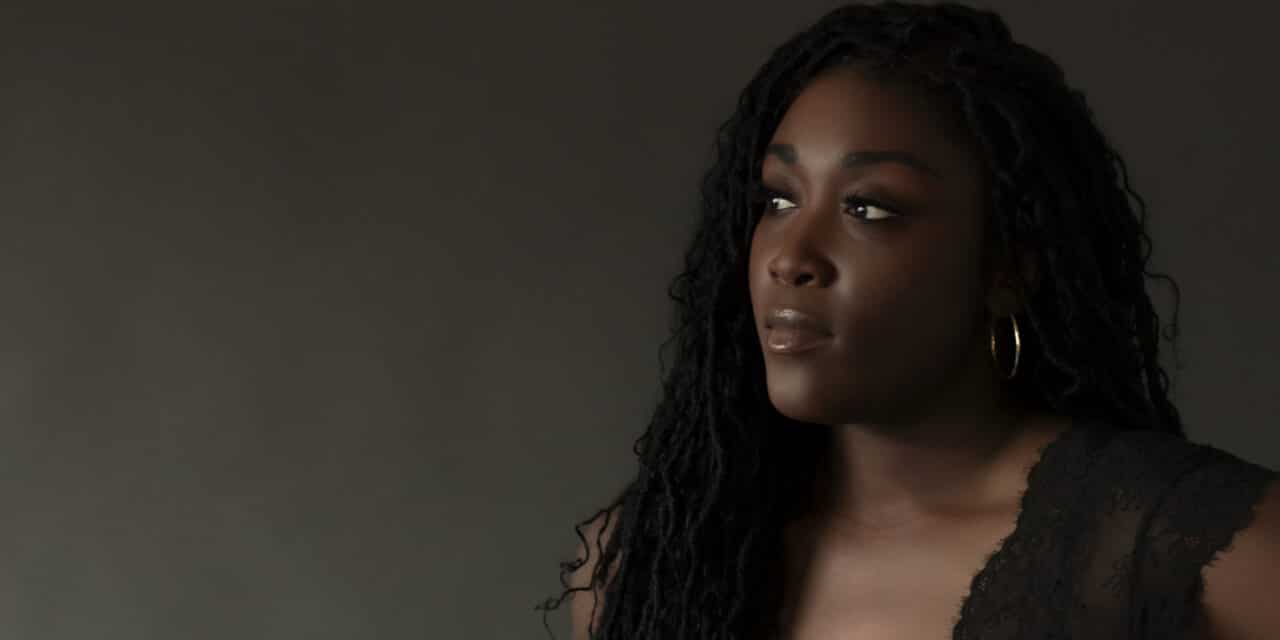
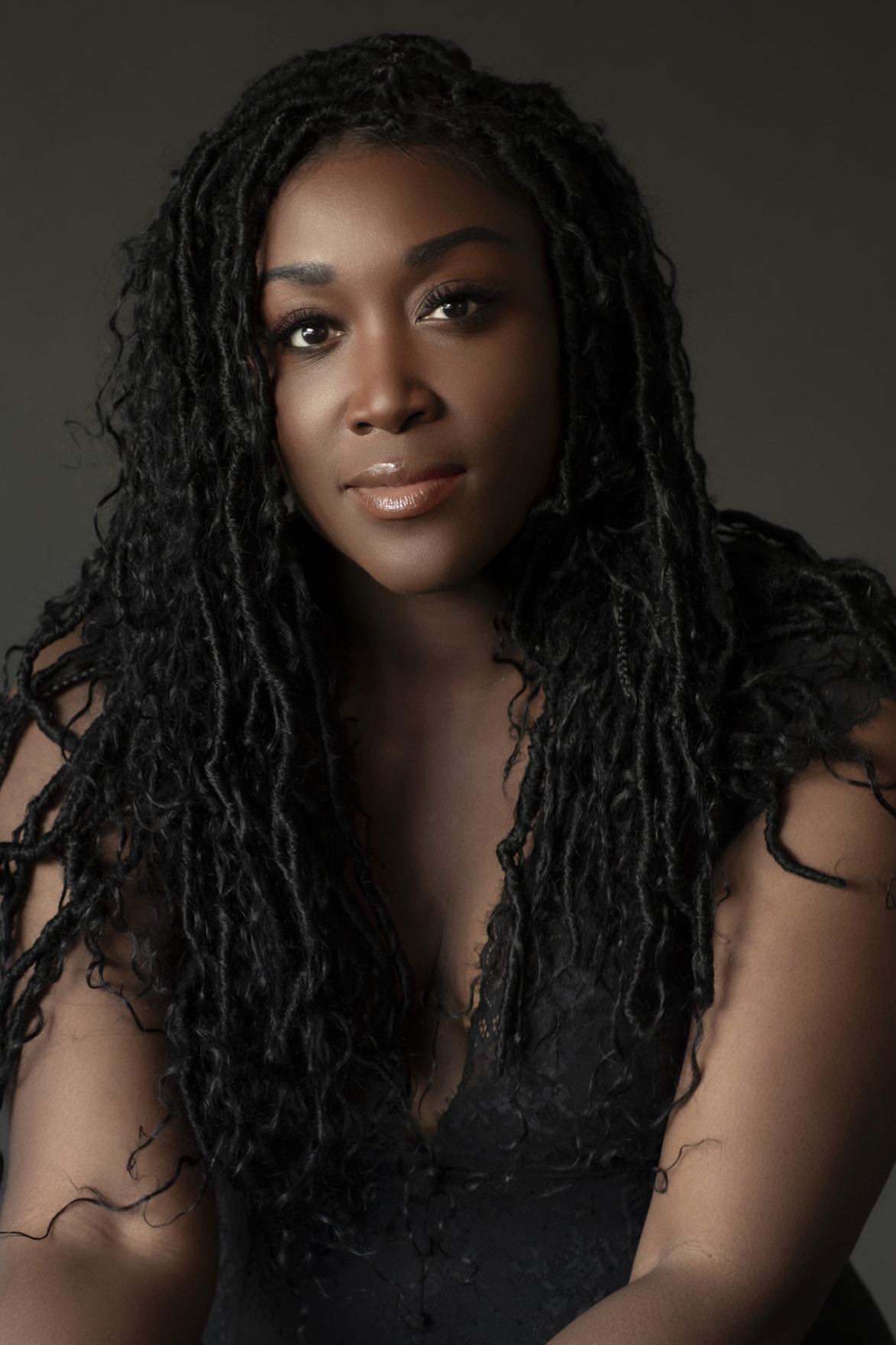
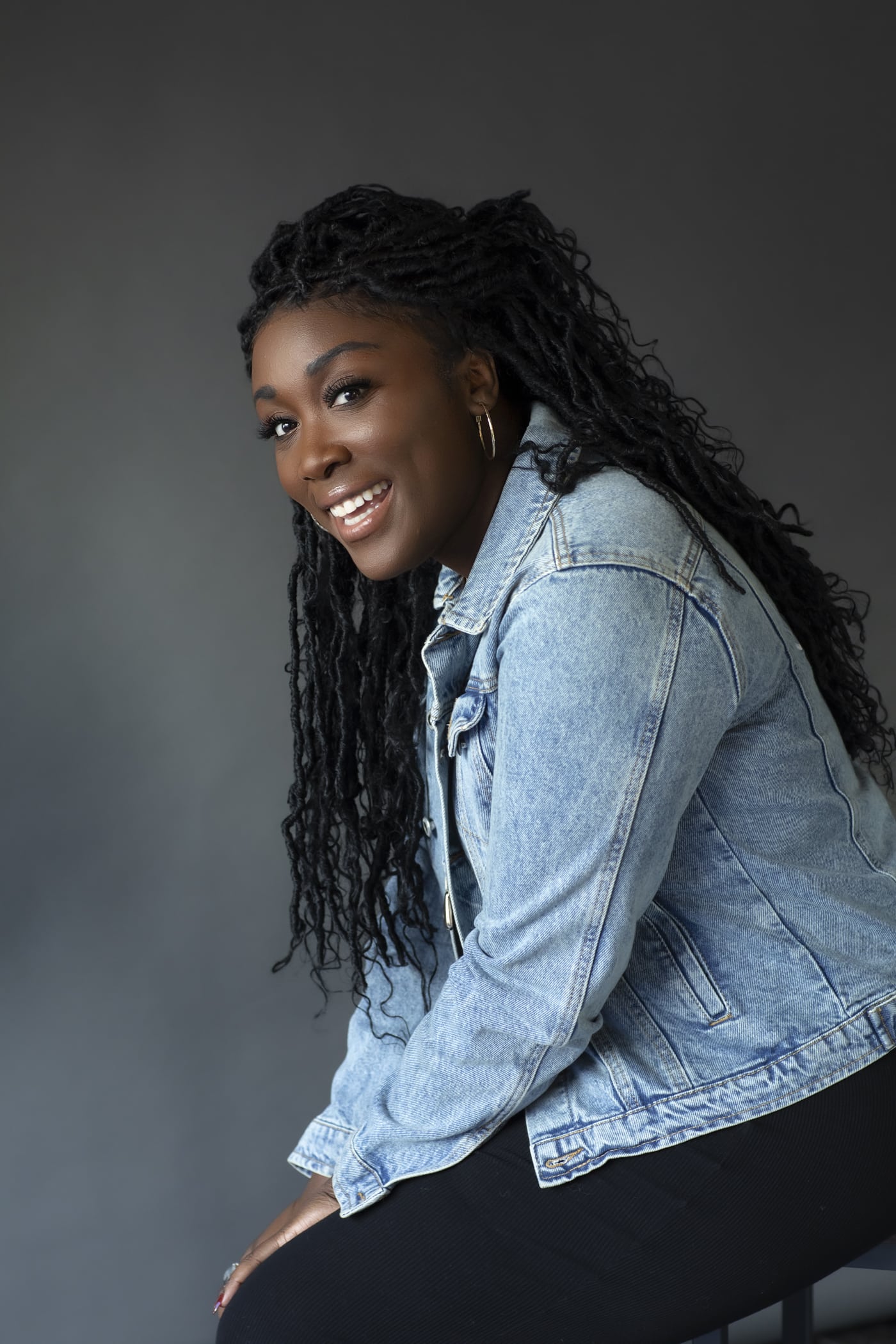
For Malynda Hale, creativity has never belonged to a single medium.
Across acting, filmmaking, music, podcasting, activism, and entrepreneurship, the Los Angeles-based artist has built a career rooted in one central belief: stories can create empathy where facts alone often fail. Whether she is stepping into a character, writing a song, directing a film, or opening a difficult cultural conversation, Hale approaches each project as another way of helping people feel seen.
Her latest role arrives in the upcoming drama Bull Street, releasing on Fandango at Home and Amazon Prime Video on July 17, 2026.
Hale stars as small-town attorney LouEster Sadie Gibbs alongside Oscar winner Amy Madigan, Loretta Devine, Arielle Prepetit, and Gary Ray Moore. The film follows an Ivy League lawyer who challenges her family’s claim to their longtime home, forcing LouEster into a courtroom battle where privilege, inheritance, and cultural legacy collide.
Its conflict reflects a reality familiar to many Black families: homes, land, and histories built through generations of sacrifice can still become vulnerable when legal systems fail to recognize the legitimacy of lived inheritance.
The role is part of a broader creative chapter for Hale. She recently made her directorial debut with the short film Curtain Call and completed her second film, Au Gratin, starring Tiffany Daniels, Loretta Devine, and Jay Donnell. Through her production company, JMV Entertainment, she continues to develop film, television, and digital projects centered on meaningful, character-driven storytelling.
Her work also extends beyond the screen. Through the documentary web series Black Voices Heard, the podcast #WeNeedToTalk, her music, and her public advocacy, Hale regularly explores race, faith, identity, mental health, motherhood, and belonging.
We spoke with Malynda Hale about Bull Street, the relationship between art and activism, Progressive Christianity, independent filmmaking, and the responsibility of creating stories that do more than simply entertain.
Your career spans acting, directing, music, podcasting, activism, and entrepreneurship. How do all these creative outlets inform one another? Do you see them as separate paths or parts of the same mission?
I’ve never seen them as separate paths. I feel like every facet of my career has a through line and, essentially, the same goal.
Music taught me a lot about myself. Acting taught me how to step into someone else’s story. Directing taught me how to shape a story with intention. Activism and podcasting taught me how to take all of that and turn it toward something bigger than myself.
At the core of every one of these things is the feeling that I want people to feel understood. Whether that comes through a character on screen, a lyric in a song I’ve written, or an essay about something I need to talk through, it’s all in service of the same goal.
The outlet simply changes depending on what the moment calls for.
In Bull Street, you play LouEster Sadie Gibbs, a lawyer caught in a battle between privilege and legacy. What immediately connected you to her, and why does her story resonate today?
The relationship between LouEster and her grandmother, Mrs. Big-Gal, felt very familiar to me. It reminded me so much of my relationship with my own mother—the fun, the laughter, the seriousness, the wisdom, the love, and the protection.
My mother also never had to announce her faith or her strength. She simply lived it, and you felt it in the way she showed up for people. That’s exactly what Mrs. Big-Gal is to LouEster, and stepping into that dynamic felt like stepping into something I already knew.
I think the story resonates right now because so many families, especially Black families, understand what it means to fight for something that should never have been in question in the first place.
Land, legacy, and a home earned through love and sacrifice can suddenly need to be defended in a courtroom because the proper paperwork was never filed. That isn’t a small story. It’s a story many families are still living.
Throughout your work, there is a recurring focus on empathy and human connection. Why has storytelling become your preferred way of creating change?
Because it’s the one way we can actually get people to sit still long enough to listen.
You can hand someone a statistic, and they’ll nod and move on. But when you tell them a story and give them a person to care about, something can change. They feel something before they have the chance to put their guard up.
I learned that through music first.
Facts may inform people, but stories move them. Moving people is where real change begins.
You recently stepped behind the camera with projects including Curtain Call and Au Gratin. How has directing changed the way you approach acting?
It has made me much more aware of the entire ecosystem an actor exists within.
When you’re only acting, you’re focused on your character and the environment you’re in at that particular moment. When you’re directing, you begin to understand how every choice—the lighting, the pacing, the framing—is shaping the larger story.
Now, when I act, I think about the entire frame rather than only my close-up. I think about what the camera needs and what the story needs, not just what feels good for my performance.
It has made me a more generous scene partner and a more patient actor. I trust the process more because I’ve seen what it takes to build the entire picture, not only my piece of it.
Through Black Voices Heard and your podcast #WeNeedToTalk, you have created spaces for difficult but necessary conversations. Which conversations do you feel society is still avoiding?
I think we’re still avoiding the conversation about who actually gets protected by power and who is left to fend for themselves.
We talk around it constantly without naming it directly. We avoid speaking honestly about how whiteness operates as the default in this country and how it shapes who receives the benefit of the doubt and who does not.
We also avoid talking about the ways church and faith have been weaponized against the very people Jesus centered his ministry around.
And we really avoid discussing mental health with any genuine depth, especially in communities that have been taught that survival is the only acceptable response to pain.
Those are the conversations I keep returning to, because avoiding them doesn’t stop the harm. It only makes the harm quieter.
Your work often examines faith, identity, race, and belonging. As someone who openly discusses Progressive Christianity, how has your relationship with faith evolved?
Honestly, my story is a little different from what people might expect.
I didn’t have to deconstruct my way out of something toxic in order to arrive where I am today. The faith I practice now is the same faith that raised me.
I was fortunate to grow up around strong, wise, spirit-filled Black women who modeled leadership in a beautiful way. My mother has always lived her faith through action, and that shaped how I understand what Christianity is actually supposed to look like.
My faith hasn’t necessarily evolved as much as it has deepened. It has made me more committed to living out the version of Christianity I was given—the kind that looks like Jesus.
I was shaped by something good, and I’m simply trying to continue building on that foundation.
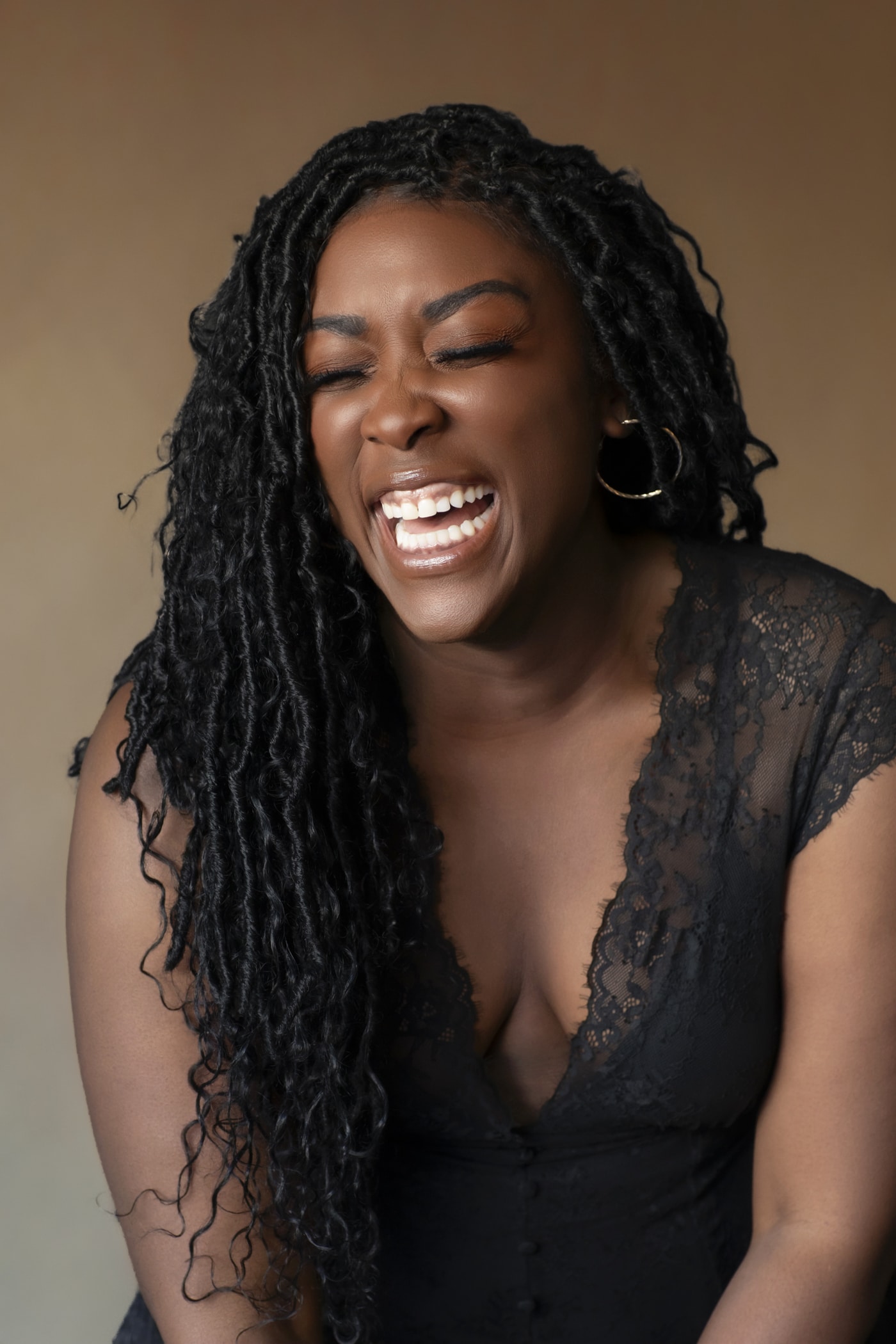
You have built a successful independent career across several industries. What have you learned about creating opportunities rather than waiting for them?
I love being able to control what I do. That’s really at the heart of it.
When you wait for opportunities, you hand someone else the power to decide whether you matter and when. When you create your own opportunities, you get to make that decision for yourself.
The biggest lesson has been accepting that nobody is coming to hand me a fully built path.
I had to build a production company with my husband so I could direct the stories and content I cared about. I had to build my own platform to have the conversations I didn’t think were happening loudly enough elsewhere.
Every door I’ve walked through, I either built myself or made myself impossible to ignore.
That isn’t always the easiest way to move through an industry, but it allows me to sleep at night knowing the work is truly mine. It is also the most fulfilling path.
As a mother raising two daughters in a rapidly changing world, which values are most important for you to pass on?
I want them to know their voices matter and that they don’t need the world to tell them that.
I want them to feel proud moving through the world as beautiful Black women, and I want them to grow up understanding empathy.
The arts taught me so many lessons about communication, kindness, and empathy. I want them to receive that same gift, whether or not they ever step onto a stage themselves.
I also want them to see me as a mother who learned how to balance a career with building a fort or watching Bluey whenever they needed me.
Before filmmaking became a larger part of your career, music was one of your primary creative languages. Do songwriting and filmmaking feel like similar forms of storytelling?
They’re definitely cousins, but they don’t fulfill exactly the same need.
Songwriting is immediate and therapeutic. It’s just me, a piano, and whatever feeling needs to leave my body that day. It’s deeply personal.
Filmmaking is about community. It requires a team, a shared vision, and trust in many other people’s instincts alongside your own.
Both deserve to be honored, but music allows me to process alone, while filmmaking forces me to process in community.
I need both spaces in my life. They balance one another.
Looking ahead to Bull Street, your growing film career, and your work as a creator and activist, what impact do you hope audiences take from this next chapter?
I want this next chapter of my life to show people that they don’t have to choose between depth and reach—or, most importantly, between being an artist and being an advocate.
I’m trying to build a body of work that holds all of those things at once, because that is who I truly am.
If audiences take anything from my presence and my work, I hope it is the reminder that you can create the world you want, and that everything begins with believing in your own ability to start.
Malynda Hale’s career resists the pressure to choose a single identity. She is an actress without abandoning music, a filmmaker without leaving activism behind, and a woman of faith unwilling to separate spirituality from justice.
In Bull Street, those threads meet in a story about inheritance, power, and the right to protect what generations before us worked to build. But Hale’s larger body of work asks an equally urgent question: who gets to tell these stories, and what changes when artists stop waiting for permission?
For Hale, the answer lies in authorship—building the platform, opening the door, directing the frame, and trusting that art can hold both beauty and resistance at once.