On grief, catharsis, creative freedom, and finding connection in the places where words sometimes fail
For years, HAYLA has been one of dance music’s most recognizable voices.
Her collaborations with artists including John Summit, MEDUZA, Kx5, ILLENIUM, Kygo, Sub Focus, and Wilkinson have placed her at the center of some of electronic music’s biggest emotional moments: towering choruses, massive festival stages, and songs engineered to make thousands of people feel something together.
But on her sophomore album, DARK, HAYLA turns inward.
Released July 31, the record moves away from the euphoric architecture of the dancefloor and into a far more intimate, alternative space shaped by grief, memory, heartbreak, and the strange afterlife of love once someone is gone. The shift is significant, but it doesn’t feel calculated. If anything, DARK exists precisely because HAYLA stopped thinking strategically.
“There was no pressure and complete creative freedom,” she says. “These recent singles and this album have been made for the love of writing, authenticity and catharsis.”
That freedom gave her permission to follow emotion rather than genre.
The result is a record where silence matters as much as impact, where a whispered phrase can carry the same weight as one of HAYLA’s unmistakable full-force belts. Across songs like “HEAL,” “ENOUGH,” “EASIER,” “FEAR,” and the title track, she allows grief to remain unresolved.
There is no neat progression from darkness into closure. Instead, the songs feel more like diary entries written from inside the experience itself.
And yet DARK is not a hopeless album.
GET TICKETS HERE
On the title track, HAYLA sings, “I’m not alone in the dark, I feel you heavy on my heart,” transforming grief into a continued form of connection. Loss becomes something that changes shape rather than disappears. Dreams, memories, signs, and the lingering warmth of someone’s presence become part of how she survives the absence.
That tension between grief and hope becomes one of the album’s most powerful ideas.
It also explains why nature became such an important visual reference during its creation. HAYLA imagined these songs living on mountaintops, in forests, beside the sea—spaces large enough to hold emotions that felt impossible to articulate in ordinary language.
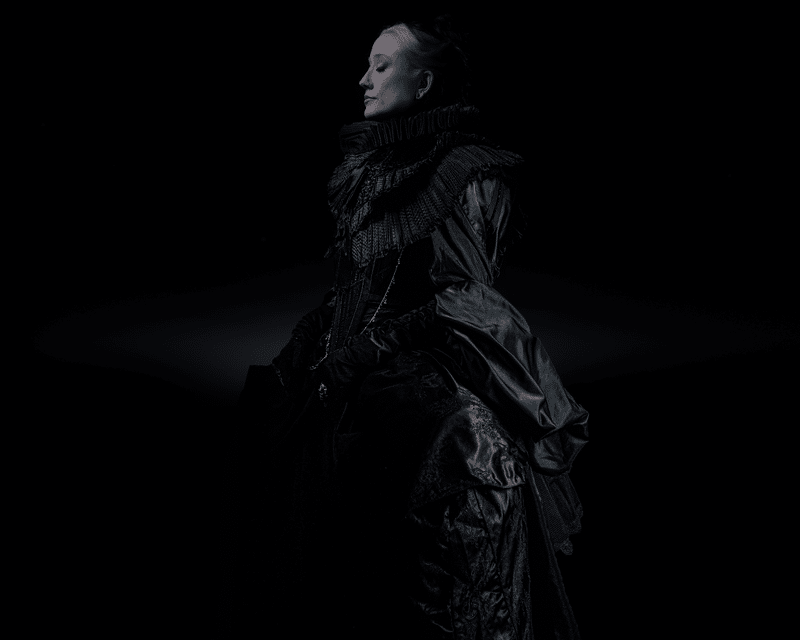
Her live performance of “DARK” at St Pancras Church in London pushes that idea even further. Surrounded by strings and the natural resonance of the space, the song takes on an almost spiritual quality. Only afterward did HAYLA recognize another layer of meaning: she had said goodbye to the person she lost inside a church.
That coincidence feels strangely appropriate for an album born from unconscious emotional excavation.
DARK follows HAYLA’s 2025 debut album DUSK, and while the two projects are musically distinct, she sees them as companion pieces. Both are named after her favorite times of day to listen to music. But where DUSK collected moments spanning roughly three years, DARK emerged from one specific period of her life.
That concentration gives it a different weight.
It also marks a new chapter for an artist who has spent years bringing people together through dance music and is now discovering another kind of communion: the quieter connection that comes when an audience recognizes itself inside something deeply personal.
We spoke with HAYLA about writing through grief, letting go of genre, the spiritual resonance of DARK, and why vulnerability may be one of the most powerful forms of connection an artist can offer.
DARK feels like a significant artistic departure, moving from the euphoric energy of dance music into a far more intimate and cinematic space. What inspired you to follow that emotional path instead of recreating the sound that first brought you global recognition?
I had/have been through an incredible loss. I didn’t know if I was able to write or if I was able to really share what I was going through.
There was no pressure and complete creative freedom. I think being able to find joy in creating without thinking about genre even really helped me begin to process through my writing and begin to heal in a small way.
These recent singles and this album have been made for the love of writing, authenticity and catharsis.
You’ve described this album as being written during the darkest period of your life. Looking back now, did songwriting become a way of understanding your grief, or simply a way of surviving it?
I think it helped both with the understanding and surviving and I think it still is.
I really didn’t expect to write those songs, but looking back now I think it was exactly what I needed to do. The day after writing them and listening back I found it quite interesting as it was a bit of a gateway to the things I maybe wasn’t saying to anyone.
I’ve been trying to work through my grief rather than avoid it, to the best of my abilities, and I think that these songs gave my grief a voice.
The title track explores the idea that grief doesn’t necessarily leave us—it changes the way we experience love and connection. How did you approach writing about loss without letting it become consumed by despair?
That’s a really good question.
I was in some rooms with some incredible people who made me feel comfortable enough to share and be authentic. The day of writing and recording the title track “DARK” began with conversation.
I started talking about my grief and I think I felt particularly heavy that day. However, ever since my loss I have felt a warmth surrounding me.
I think I wanted to capture that feeling of although I’ve lost I still feel as though I’m not alone. There’s some hopefulness there…that’s what I’m clinging on to.
I still feel a glow of the person I lost when I dream. I hope I never lose that feeling.
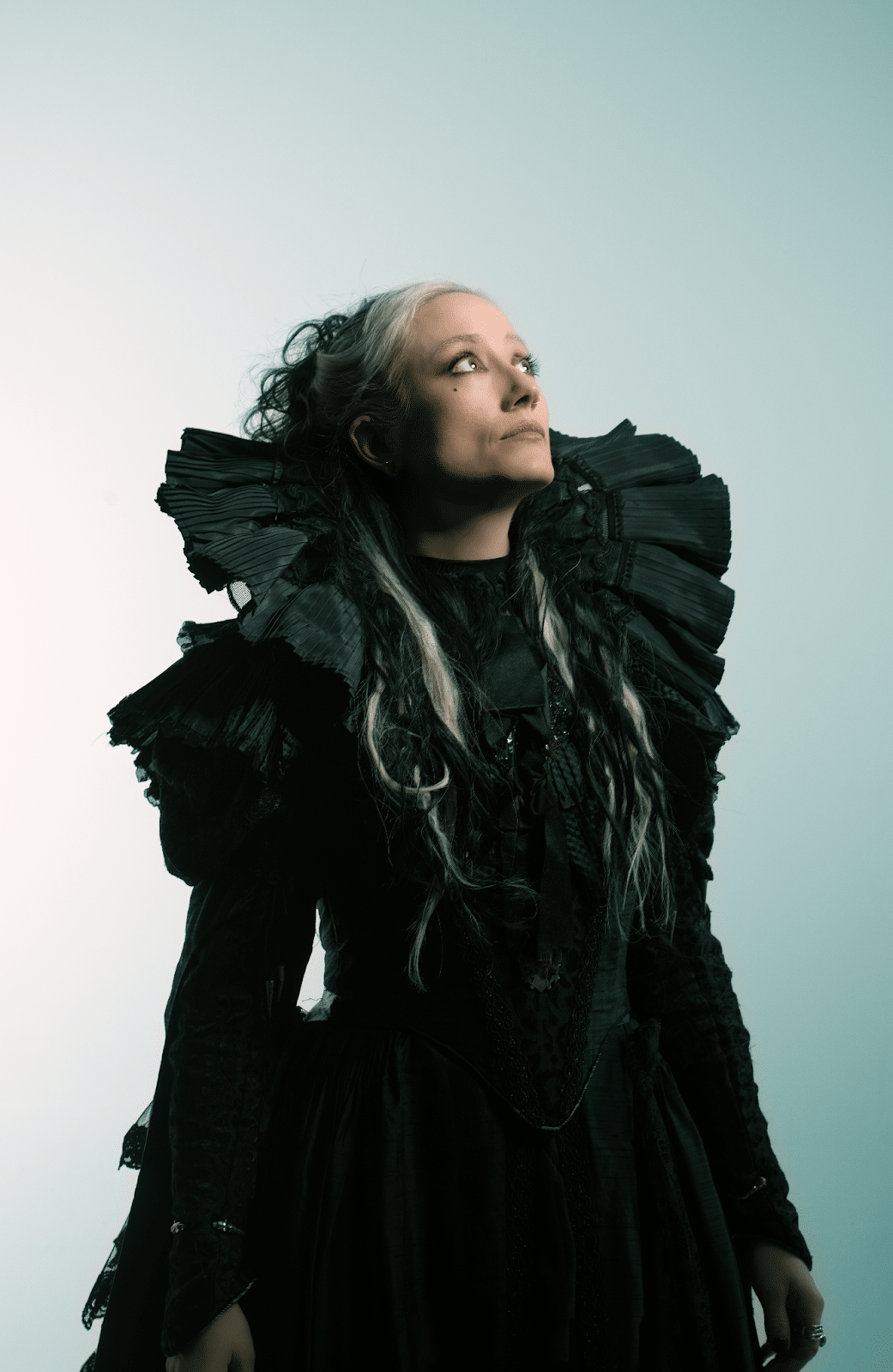
Your voice has become instantly recognizable through collaborations with artists like John Summit, MEDUZA, Kx5, ILLENIUM, and Kygo. Did creating DARK allow listeners to discover a side of your artistry that those collaborations couldn’t fully reveal?
I hope that showing this other side of me has helped audiences get to know me a bit better.
I don’t think this subject matter would have been one I would have shared with a collaborator as it’s so personal. Stylistically it’s been really nice to play around with style and genre too.
I thought a lot about nature when writing this album and thought about spaces I would want to sing these songs—mountaintops, forests, the sea.
I think I’ve been able to be a lot more self indulgent with this album as it’s purely just for me and the joy of writing.
Throughout the album, silence, space, and restraint feel just as important as the bigger vocal moments. How intentional was that balance between vulnerability and power during the recording process?
The balance just authentically fell into place.
The battle between losing control and the anger at the loss and heartbreak alongside trying to be strong for myself and others around me and the vulnerable moments that I mainly feel.
I’ve always used singing as therapy and I think I was really able to put my feelings right into each song. Each piece I think gave me something and released something.
I’ve always felt lighter after singing, like I managed to release some heaviness.
Songs like “HEAL,” “ENOUGH,” “EASIER,” and “FEAR” all examine different stages of emotional recovery. Did the tracklist naturally evolve into that progression, or did you consciously shape it as a journey through healing?
It was a completely natural and unthought out thing.
I didn’t actually know I was going to write any of those songs before the day I wrote them. I just let whatever came to me in the moment be what it was.
There was no forcing and I think that was the key.
These songs are like diary pieces that have also been therapy.
Your performance of “DARK” inside London’s St Pancras Church gives the music an almost spiritual atmosphere. How important are visual spaces and environments when bringing these deeply personal songs to life?
There’s something that I noted after the fact.
I said goodbye to the person I lost inside a church. However, the decision to have it inside the church initially was an interior/acoustic choice rather than a spiritually connected decision.
We loved the look of St Pancras Church and the way music sounds in this space is just beautiful. It’s a church that has many different styles of concerts and we felt like this album performance would really work as the strings would really soar through the space.
It really elevated the entire performance acoustically and I think adds something that couldn’t be replicated in a different venue.
Having spent years creating music that unites thousands of people on festival stages, how has your relationship with live performance changed now that the songs demand a quieter, more emotionally exposed connection with audiences?
I have always enjoyed intimate shows as well as larger festival stages.
So I have tried to blend the higher energy previously released tracks alongside my newer more emotional songs. I really want to take the audience on a journey and I hope the newer more emotional tracks will help the audience feel as though they know me a little better afterwards.
Across DUSK and DARK, there seems to be a fascination with light, shadow, and transformation. Do you see these albums as companion pieces, or does DARK represent the beginning of an entirely new creative chapter?
I named the albums after my favourite times of day to listen to music.
So even though they’re not connected musically they are companion pieces.
I would say the difference between them is that DUSK was a collection of moments of my life over the span of three years whereas DARK was written at a specific time in my life.
I think wherever I go next musically with my artist project will probably take influence from both DUSK and DARK…DARK though I think has created a change within me.
One of the album’s strongest messages is that vulnerability isn’t weakness—it’s connection. As listeners experience DARK, what conversations or emotions do you hope they feel more comfortable embracing in their own lives?
One thing I would like to say is that I’m sorry if people resonate with any of the subject matter on this album as it’s heavy.
I hope this album gives the listener some solace and the feeling that they are not alone even in the darkest of times.
This album has helped me and I hope the listener finds that it helps them too—even if in a small way.
HAYLA’s DARK is out now. The Dark Tour launches August 6 in Chicago, with additional stops including Los Angeles, Brooklyn, Atlanta, Washington D.C., Dallas and more.