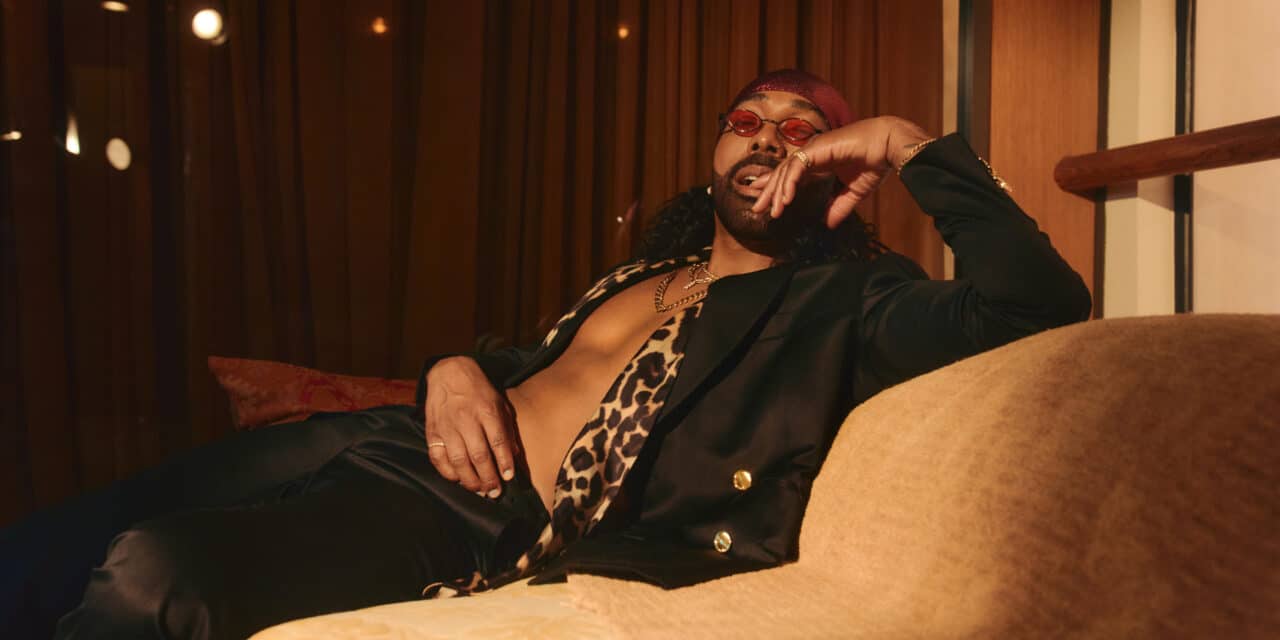
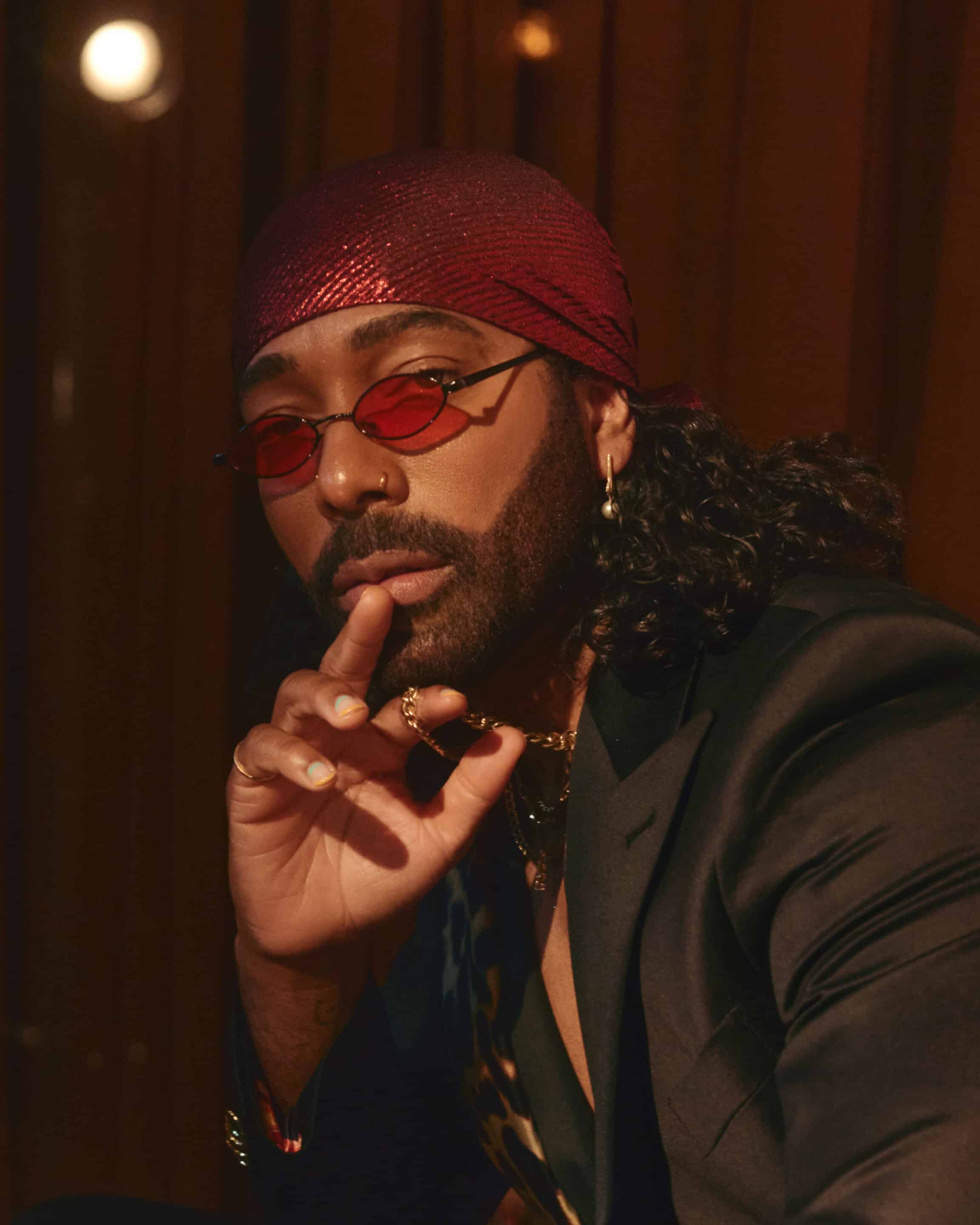
“It has taken me years to feel this comfortable in my own skin, so saying something as bold as ‘I love sex, and I’m good at it’ felt like a real representation of the confidence and self-acceptance I have worked hard to reach,” says Rochone as he discusses his latest single, “I Love Sex.”
The Los Angeles artist, whose music blends pop, R&B, and soul, approaches desire with humor and confidence, drawing on the personal experience of having accepted his sexuality without needing to explain it or fit it into other people’s labels. The new video brings that idea to life through a 1970s Las Vegas-inspired fantasy, blending retro glamour, bold fashion, and theatrical performance to capture the free-spirited, playful sensuality behind the song.
That same openness carries into his debut album, “Love Fails,” which Rochone describes as a journal of lived experiences that once led him to shut himself off emotionally. Releasing the album helped him revisit those memories from a place of empowerment rather than pain.
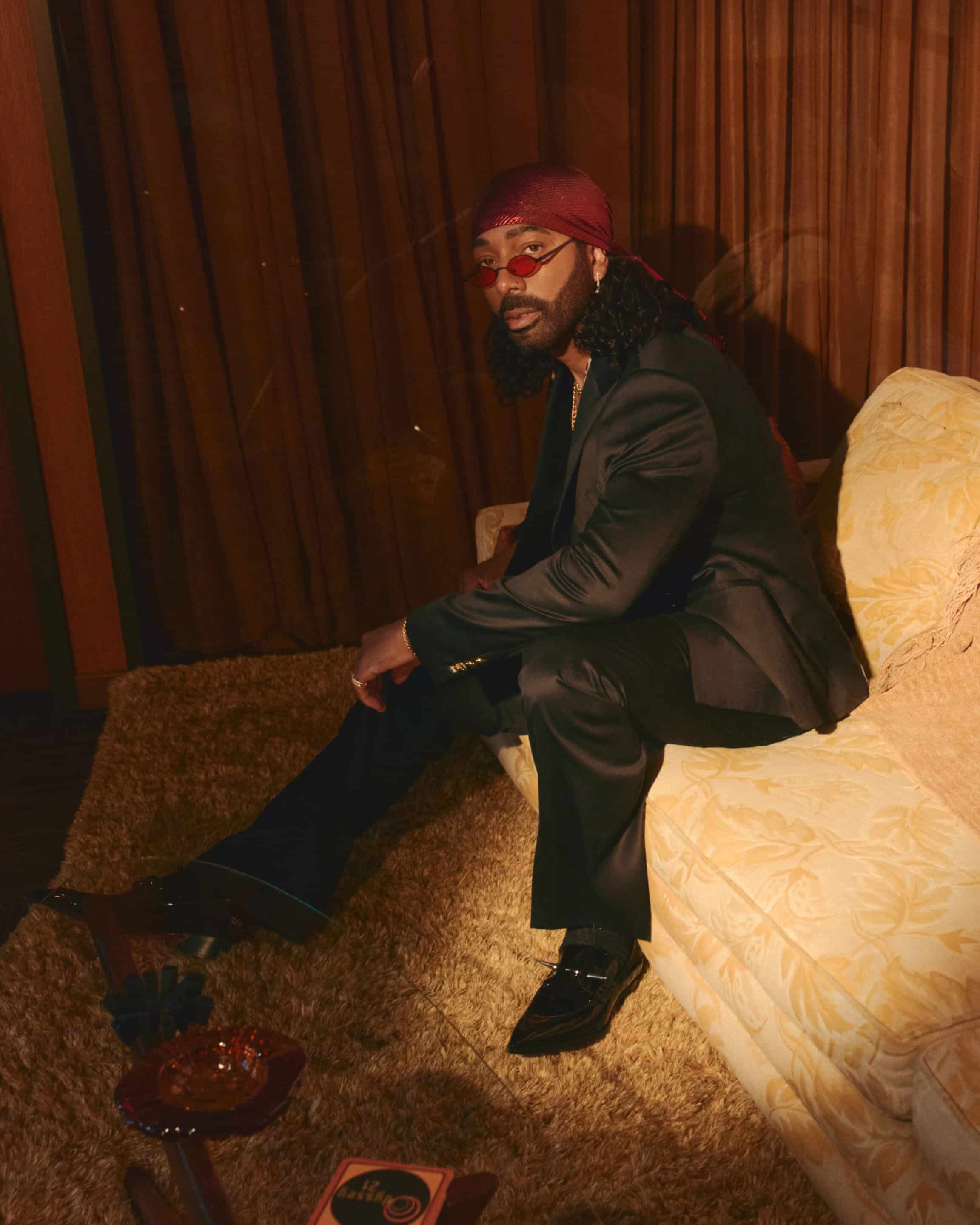
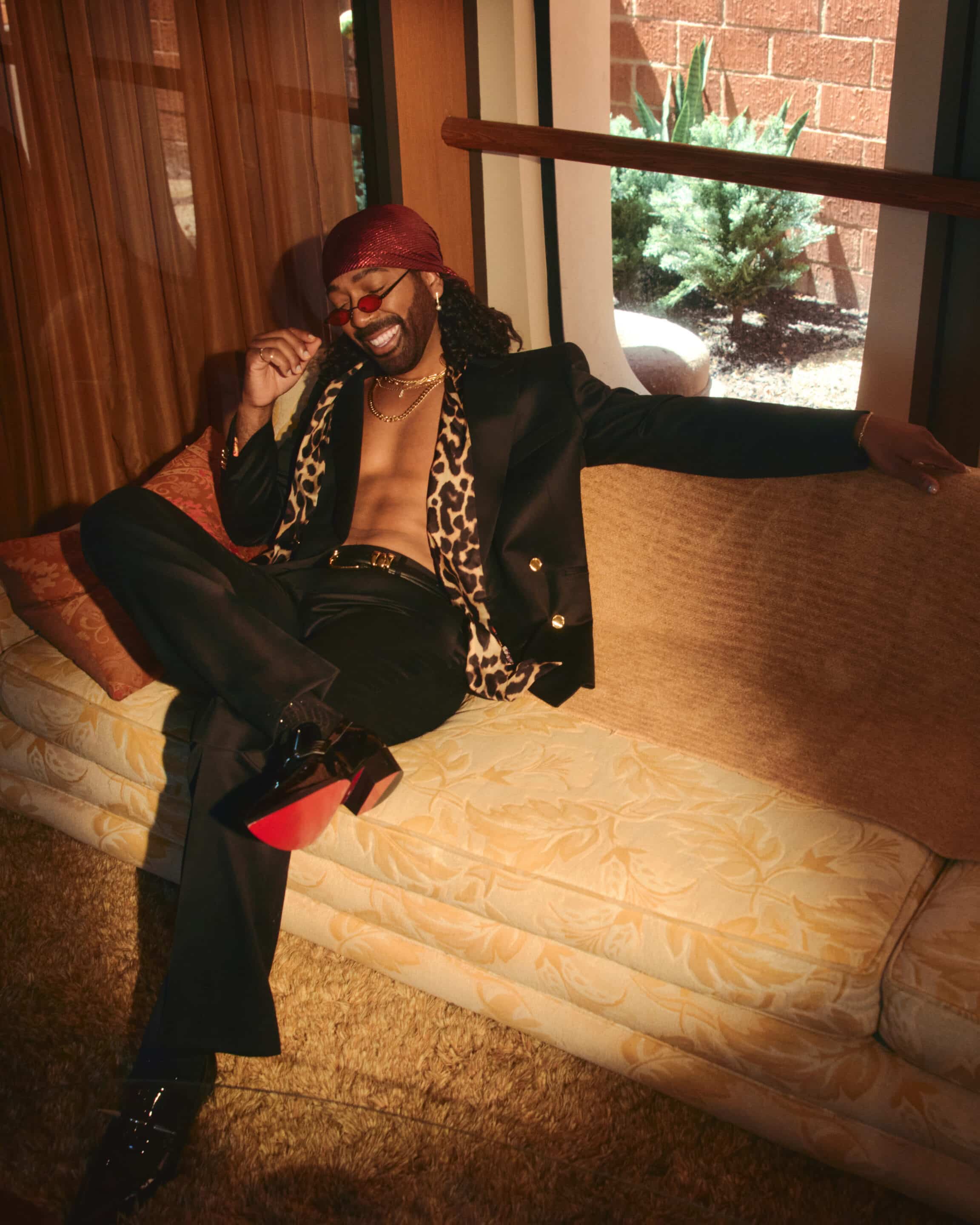
With a newfound sense of freedom and a rejection of the labels surrounding sexuality, Rochone makes room for a more open expression of desire. His voice becomes the centerpiece of a much-needed space in art where desire can be experienced without justification. “It took a lot for me to become comfortable enough to be that vulnerable, but I’m incredibly grateful that I eventually reached a place where I could be honest enough to create it,” he emphasizes.
Rochone, when you think back to your earliest experiences with music, what do you remember, and what made you want to pursue it?
When I think back to my earliest experiences with music, I immediately think of my family. My dad and my uncles always had music playing in the background throughout the day. They would get dressed to music, play dominoes with music on, and my uncles were constantly putting on DVDs of different artists’ concerts.
We also watched a lot of films and biopics centered around music and musical groups, so music always felt present in my home. My grandmother used to sing to me when I was a kid, which made music feel like a very safe and comforting space for me.
One uncle in particular was a huge Michael Jackson and Prince fan, and whenever he would babysit me, he would play their music videos and live concert footage and have me sing along. Sometimes my family would sit in the living room and ask me to perform for them as if I were putting on a real show.
Those are honestly some of the happiest memories I have from my childhood. Music never really felt like something I discovered later in life. It was always around me, and eventually I realized that I wanted to make it part of my own story.
How did you discover your voice and the kind of artist you wanted to be? Was there an experience that helped you find that path?
I was always singing. I would sing down the aisles of the grocery store, in the shower, in the car, pretty much everywhere I went. I think my mom eventually realized that there was something more there.
Once I got to elementary school, one of the first things I did was join the school choir. I was fortunate enough to have an incredible teacher who saw something special in me at a very young age and spent years pouring into me and my talent.
She had a huge influence on the artist I eventually became, especially when it came to work ethic and appreciating the details. More than anything, she had such a strong conviction in my ability before I fully knew how to have that same conviction in myself.
There is something incredibly powerful about having someone believe in you that deeply when you are young. I think that support helped give me permission to believe that music could become more than just something I loved doing.
“I Love Sex” has a very unapologetic energy. What made you want to write about desire so openly, and how did that confidence shape the way you approached the song?
I wrote “I Love Sex” from a place of feeling liberated within my sexuality.
People who know me know that I have always tried to live my life being kind, respectful, and helpful. I was always the kid who followed the rules and stayed out of trouble. But I think this song reveals another side of me that is equally important.
It represents reaching a place where I could embrace my sexuality in its entirety and recognize that sexuality is simply part of being human. It is natural, and I don’t believe it is something people should automatically feel ashamed of.
So often, sex is immediately associated with being raunchy, inappropriate, or dirty. I wanted to offer another perspective. Sex can also be beautiful, powerful, playful, intimate, and capable of connecting people in ways that are difficult to describe.
Because of that, my intention with the song was always to make it feel fun, flirty, and confident.
It has taken me years to feel this comfortable in my own skin, so saying something as bold as “I love sex, and I’m good at it” felt like a real representation of the confidence and self-acceptance I have worked hard to reach.
When you started writing “I Love Sex,” did the lyrics, melody, or rhythm come to you first? Was the song’s direction clear from the beginning, or did it evolve as you worked on it?
I remember being in the studio with my producers and hearing a sample of the beat they were working on. I already had an idea of what I wanted to say in the hook, but once I heard the music, the melodies came almost immediately.
Within probably five minutes, most of the melodic ideas were there. A lot of what you hear in the final version is almost exactly what came out of that very first take, when I was basically mumbling words and following the melody instinctively.
I instantly fell in love with it, and then I went back and started refining the lyrics around what I was feeling.
I left that session feeling like I had just written a hit, but even more importantly, I felt liberated. The song gave me space to speak as someone who now sees himself as fluid and who no longer feels the need to live according to someone else’s label. For me, that became a much bigger part of the song than I initially expected. As long as I know who I am and I am confident in what I want, I don’t feel like I need other people to define who I am attracted to or who I choose to love. That is between that person and me.
In one of your Instagram posts, you describe “I Love Sex” as being about freedom, desire, confidence, and owning every part of who you are. Did making this song change the way you think about expressing those parts of yourself as an artist?
Definitely. This song became a very important part of admitting to myself that there were still parts of my sexuality I had been denying or trying to neatly explain when they did not necessarily need an explanation.
I think as human beings, we often try not to rock the boat. Sometimes it can feel easier to identify as one thing or another because it gives other people a clear way to understand you.
Looking back, I realized that some of the labels I had accepted were actually limiting my ability to evolve. In many ways, those labels existed to make other people more comfortable with how they perceived me.
Making this song helped me let go of a lot of that.
I am who I am. I am attracted to what I am attracted to, and that is enough for me.
That realization has absolutely changed the way I express myself as an artist because I feel less pressure to explain every part of who I am. I would rather simply live honestly and allow the music to reflect that.
For the video, you chose a fantasy inspired by 1970s Las Vegas. What drew you to that world, and how did you connect it to the song?
When I think of 1970s Las Vegas, I immediately think of glamour, and that felt like the perfect world for this song. Obviously I wasn’t around during that era, but I am very drawn to energy, and when I look at photography and footage from that period, there is something about the people that feels incredibly alive. No matter what they may have been experiencing, you can almost see the life behind their eyes.
Everyone looked like they were actually living.
I think today we sometimes become so focused on curating an experience that we forget to actually experience it. I admire the idea that people could make mistakes, have fun, take risks, and live their lives without constantly worrying about a camera documenting every moment.
I am also incredibly drawn to the fashion from that era. People seemed to take real pride in putting together a look, and I find something very sensual about clothing that is designed simply to evoke beauty, confidence, and glamour.
That combination felt perfect for “I Love Sex.” I wanted the video to feel liberating, glamorous, sensual, and playful rather than overly explicit or predictable.
Your debut album is called “Love Fails.” How would you describe it conceptually, and what did you want to convey with this material?
Love Fails really comes from my own lived experiences.
Originally, I thought the album was going to be called Damaged Goods because at that point in my life, I felt like so many beautiful parts of myself had been damaged by things I had experienced. I had become overwhelmed by certain situations and started retreating from people and closing myself off from experiences that could have actually been wonderful.
Then one day I was driving and my producer sent me a snippet of a sample he had been working on. I pressed play, and almost immediately I started crying.
I knew there was something special in it.
I pulled the car over, opened my recorder, and the first words that came out of me were, “What can you do when love fails?”
That became a pivotal moment for me.
I realized I had been internalizing so many different failures in my life, whether they were personal, romantic, or related to my career. I was carrying around so much blame, shame, disappointment, and emotional baggage.
That was when I knew I wanted this album to feel like my journal.
Each song represents a different lived experience and another page of that story. It took a lot for me to become comfortable enough to be that vulnerable, but I’m incredibly grateful that I eventually reached a place where I could be honest enough to create it.
With the album already out and this new video, what do you want to explore now that you might not have dared to do when you started your solo career?
Having the album out is such a strange and beautiful feeling because sometimes I listen back to it and I am immediately transported to the experiences that inspired those songs.
But now, instead of feeling trapped inside those experiences, I actually feel empowered by them.
Releasing the album allowed me to let go of a lot of unresolved hurt and disappointment that I had carried for a very long time. For the first time, I can listen to some of those lyrics and hear them as proof that I survived.
They remind me that I can handle more than I sometimes give myself credit for.
I think that is what I want to explore moving forward: even more honesty, more freedom, and more trust in myself creatively.
There is a story in every experience. There is growth available in every experience, and there is always an opportunity to decide what you are going to carry forward from it.
“Love Fails” taught me a lot about perseverance, acceptance, and becoming comfortable with my imperfections. Now I feel much less afraid of showing people the different sides of who I am because I understand that none of us are supposed to remain the same person forever.
Visit Rochone’s official website for more and keep up with him on Instagram, TikTok, and YouTube.
Photos by Raul Romo