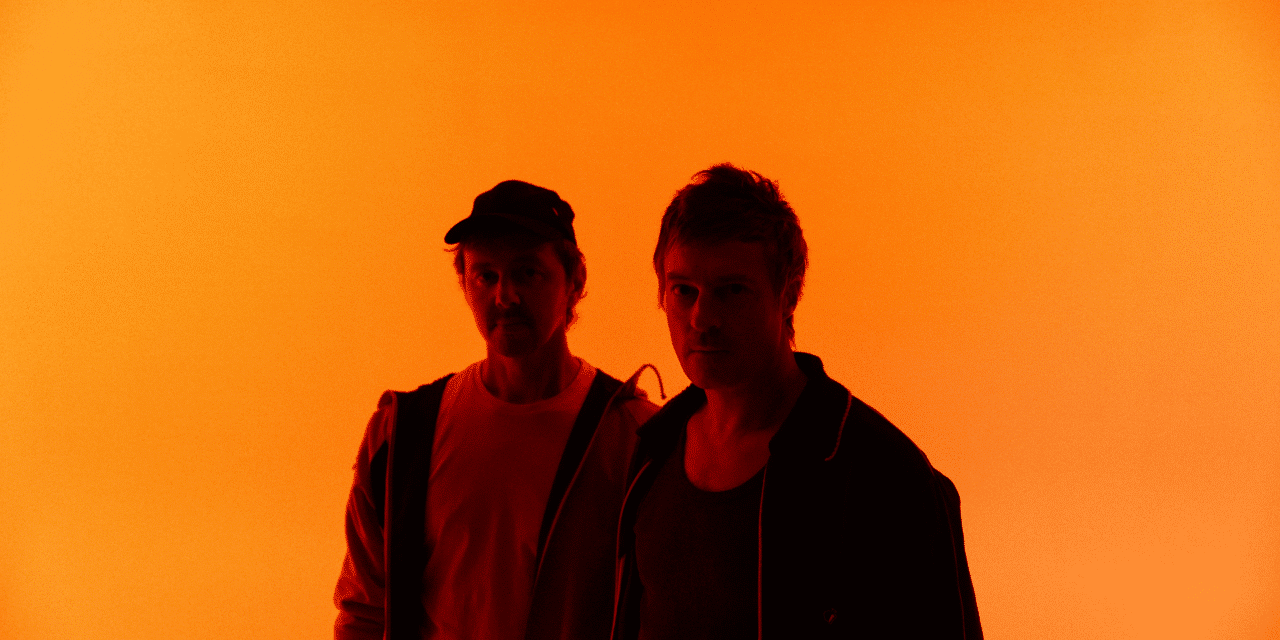
Nearly a decade after their last album, Belgian indie rock band Girls In Hawaii return with Eldorado, a record shaped by grief, friendship, uncertainty, and the rediscovery of creative freedom. Following the loss of their longtime manager and years of questioning the band’s future, the group has found its way back to the instinctive songwriting that first brought them together. In an exclusive conversation with MUNDANE, they reflect on the beauty of imperfection, the importance of independent music, and why success might simply mean being able to keep doing what you love without losing yourself.
There is something quietly radical about continuing to create when you no longer feel the need to prove anything.
For more than two decades, Belgian indie rock band Girls In Hawaii have built a musical universe defined by melancholy, melodic experimentation, and the fragile beauty of everyday life.
But their fifth album, Eldorado, arriving nearly nine years after 2017’s Nocturne, represents something more personal than another chapter in their discography.
It is the sound of a band rediscovering why they started making music together in the first place.
After years marked by uncertainty and profound personal loss, the group found itself questioning whether there was still a reason to continue.
The unexpected death of their longtime manager, Pierre Van Braekel, in 2022 became a turning point.
When Brussels venue Ancienne Belgique invited the band to celebrate the twentieth anniversary of their debut album, From Here to There, the resulting four sold-out performances in 2023 reawakened something that had gradually disappeared.
The simple pleasure of playing music.
The excitement of sharing a stage.
And the realization that creativity could exist without the pressure of expectations.
“The big difference is that there are far fewer expectations and much less pressure,” the band explains. “Everything feels like a bonus.”
That philosophy runs throughout Eldorado, an album concerned with searching, remembering, losing, and finding reasons to continue.
The Beauty of Chasing Something You May Never Find
The title Eldorado evokes the legendary promise of an ideal destination, a place where everything one desires might finally become possible.
But for Girls In Hawaii, the pursuit itself has become more meaningful than the possibility of arrival.
“We live in a society that’s all about making dreams come true and satisfying desires. We’re more interested in the opposite: trying not to fulfil them.”
It’s an unexpected perspective in a culture increasingly obsessed with achievement, productivity, and the constant pursuit of measurable success.
After more than twenty years together, the band has become less interested in reaching some imagined creative destination.
Instead, they have learned to appreciate the process of searching.
“Sometimes the quest is more interesting than the goal.”
The album explores climate anxiety, emotional exhaustion, fading relationships, childhood memories, and the uncertainty of contemporary life.
Yet rather than offering easy reassurance, the songs locate beauty within those unresolved experiences.
The focus track, “Drifting In The Summer Rain,” reflects on twenty years passing through a hypnotic structure built around a steady drumbeat, three bass chords, and gradually evolving layers of sound.
For Antoine Wielemans, the song captures the tension between the repetition of everyday life and the unpredictable events that disrupt it.
But growing older has also changed his relationship with memory.
Where the band’s earlier music often romanticized the passage of time, he now feels less compelled to document every fleeting experience.
Music has become something closer to an everyday craft.
A way of living rather than preserving life from a distance.
Returning to the Imperfections That Make Music Human
The creation of Eldorado also marked a deliberate return to the band’s earliest creative instincts.
Rather than relying on elaborate studio production or external producers, Antoine Wielemans and Lionel Vancauwenberghe began developing songs at home, exchanging ideas between bedrooms and living rooms.
Around thirty demos emerged before the album took shape.
Early vocal recordings were frequently preserved, even when they contained imperfections.
For the band, those spontaneous moments often communicate something that disappears when performances become overly polished.
“We feel that those little accidents and imperfections are precisely what makes music feel human and alive.”
This wasn’t an attempt to reject contemporary production.
It was a return to the approach that defined their earliest recordings.
The band had experimented with more elaborate production techniques over the years, particularly on Nocturne, but eventually found themselves missing the emotional immediacy of their original process.
Their new music still embraces experimentation.
On “Is It Happening Right Now?”, electronic textures inspired by Giorgio Moroder, Daft Punk, and Stranger Things collide with aggressive distorted guitars.
Elsewhere, “Angles” incorporates influences from Ethiopian music, unusual saxophone textures, and acoustic pop.
The challenge isn’t preserving a fixed musical identity.
It’s remaining curious enough to keep transforming it.
“What interests us most is mixing all these influences together,” they explain. “Taking something we love from a particular style of music, throwing it into our own recipe, putting it through the Girls in Hawaii blender and seeing what comes out.”
Finding Joy Without Forgetting Loss
Grief has been an unavoidable part of Girls In Hawaii’s history.
The band experienced the death of drummer Denis Wielemans in 2010, followed years later by the unexpected passing of their manager Pierre Van Braekel.
Those experiences inevitably shaped their relationship with music and one another.
But Eldorado isn’t simply a record about loss.
It is also about discovering that joy can return without erasing what came before.
Revisiting the band’s early songs during their anniversary performances helped reconnect them with the freedom they experienced when they first started.
They even introduced two new songs during those concerts, both of which eventually appeared on Eldorado.
The enthusiastic response encouraged them to continue writing.
That renewed energy also informs the band’s decision to release the album through Capitane Records, an independent Brussels label connected to the local creative community.
For Girls In Hawaii, independence remains central to what makes music exciting.
They are interested in artists who create something unexpected, even when that work doesn’t fit comfortably within an increasingly algorithm-driven industry.
And after twenty-five years together, their definition of success has become remarkably straightforward.
To keep creating.
To maintain meaningful relationships.
And to remain themselves.
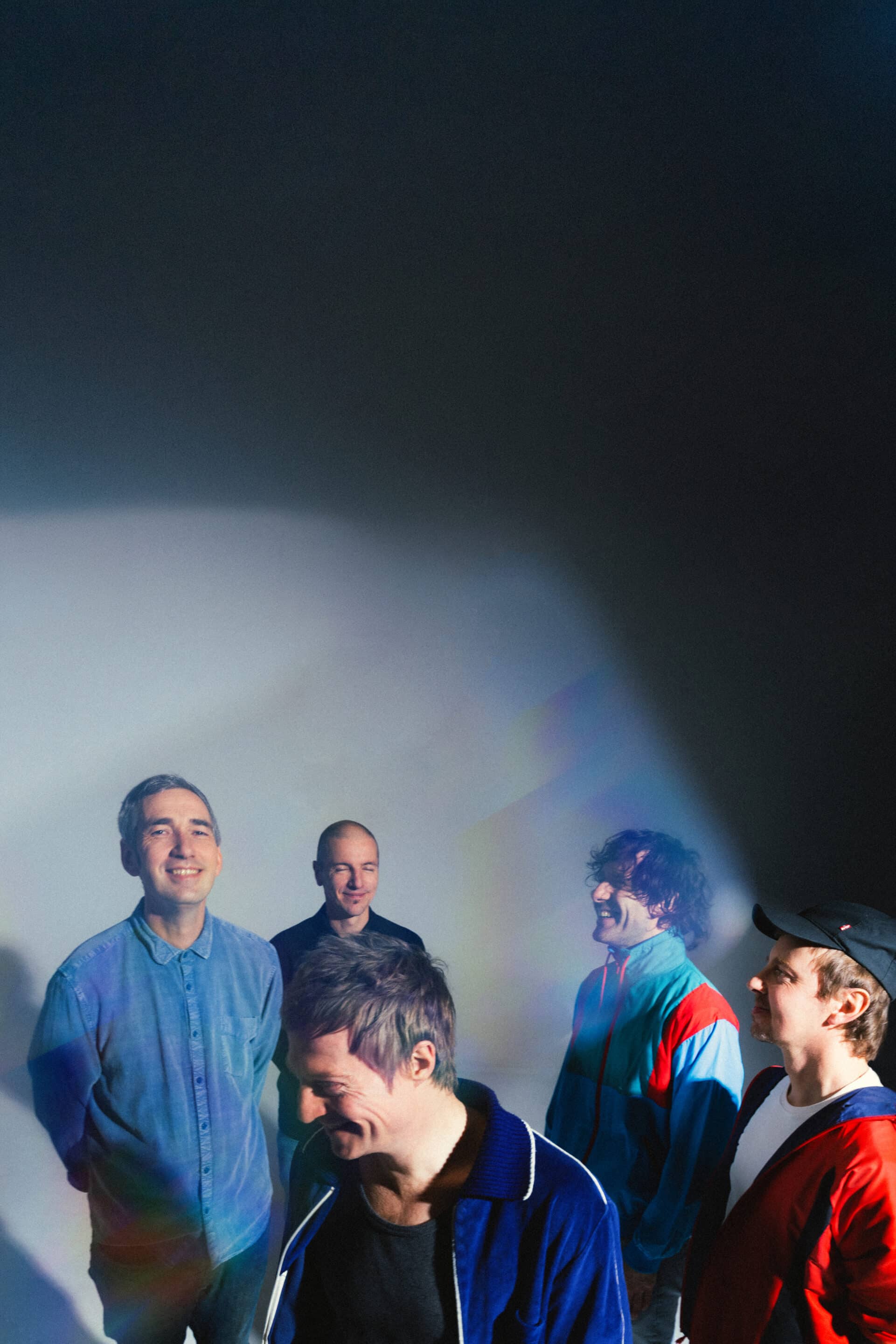
In Conversation With Girls In Hawaii
MUNDANE: Eldorado arrives nearly a decade after Nocturne. What changed in your relationship with music during those years?
Girls In Hawaii: The big difference is that there are far fewer expectations and much less pressure. We’ve been a band for twenty years now, and we’re fairly well established. We no longer put pressure on ourselves, and the label doesn’t put any pressure on us either. So really, all that’s left is the moment—the present moment, in a way. Everything feels like a bonus.
MUNDANE: The title Eldorado evokes the pursuit of something beautiful, elusive, and perhaps unattainable. Has your understanding of what you’re searching for changed?
Girls In Hawaii: Yes, we live in a society that’s all about making dreams come true and satisfying desires. We’re more interested in the opposite: trying not to fulfil them. Sometimes the quest is more interesting than the goal.
The gemstone on the cover also reflects the care we put into our songs, treating them as something very precious. Even if they seem quite simple, they mean a great deal to us, and we spend a lot of time on them.
MUNDANE: “Drifting In The Summer Rain” reflects on twenty years passing. How has your perception of time changed as you’ve grown older?
Girls In Hawaii: Actually, it’s more the other way around. When we started out, we had this slightly melancholy, romantic feeling about the passage of time. There’s something romantic about being young and being able to indulge in the thought that one day you’ll die.
There was this idea of collecting things, of giving ourselves a kind of depth that wasn’t fully there yet—the kind we have more of now that we’re older.
These days, I feel less of a need to document things, to accumulate traces of time passing. It’s become more of a craft, something we do as part of our everyday lives.
MUNDANE: How did revisiting your debut album following Pierre Van Braekel’s passing change your relationship with the band’s history?
Girls In Hawaii: Pierre’s death was completely unexpected, and it was very difficult. Even before he died, the band was going through a difficult period, and we weren’t necessarily thinking about carrying on.
His death did set something in motion, though. We celebrated the twentieth anniversary of our first album, and that reconnected us with the feeling of playing without pressure, without anything at stake, and with the simplicity of those early songs.
It did us a lot of good. We had a lot of fun, it was very moving, and the venues were pretty full. It really gave us some momentum.
We also tried out two new songs, which ended up on Eldorado, and they went down really well. So we kept going.
MUNDANE: For Eldorado, you returned to a more instinctive songwriting process. What gets lost when artists become overly concerned with perfection?
Girls In Hawaii: We’ve always loved the idea of imperfections, happy accidents… Especially nowadays, when it’s become so easy to smooth everything out and make everything sound perfect. In fact, we feel that those little accidents and imperfections are precisely what makes music feel human and alive.
But it’s not really an act of rebellion, because that’s actually how we worked from our very first album, keeping all those imperfections.
We moved away from it a little over the years, exploring other approaches to production, especially on Nocturne, our fourth album. But we really wanted to get back to what makes us who we are.
And when it comes to vocals in particular, we’ve been saying for a while that the best takes we’ve ever recorded are the ones we did right after writing a song, when you’re not even thinking about how you should sing it.
It’s just instinctive, and everything comes out so naturally.
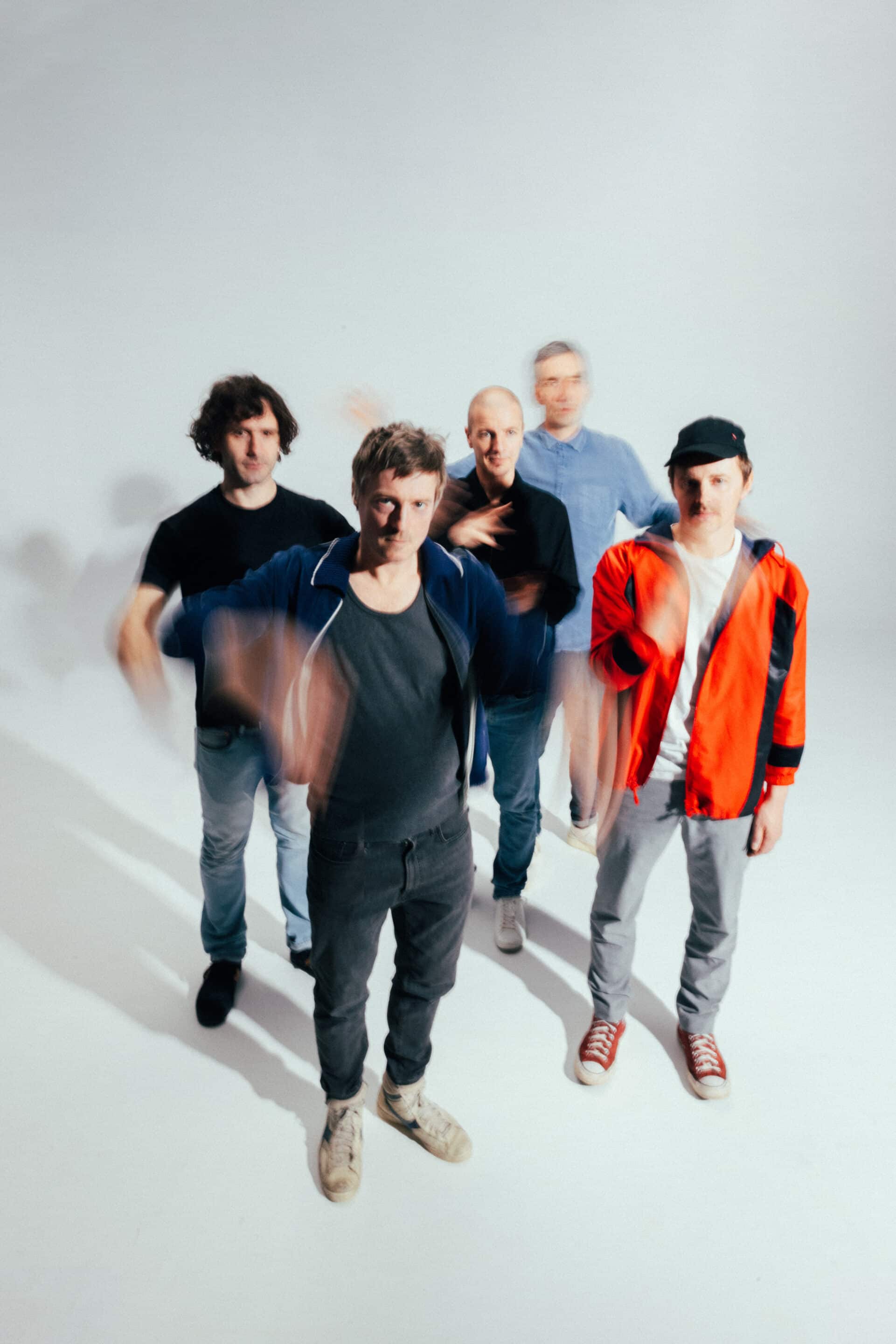
MUNDANE: The album addresses climate anxiety, exhaustion, and contemporary uncertainty while maintaining a sense of hope. Can melancholy sometimes be a more meaningful expression of hope than optimism?
Girls In Hawaii: For us, I’d say it’s not that difficult to be aware of the problems of the world we live in. It comes quite naturally, actually, because it’s just part of our everyday lives.
We don’t want to be too heavy about it, but at the same time, we wouldn’t really recognize ourselves in some kind of naive optimism either.
Talking about the struggles of life, the state of the world, or even moments of depression and melancholy is something that has always resonated with us.
Music is often what helps us get through those moments, or at least express them, get something out of our system.
It’s about taking all the shit and struggles of everyday life and somehow transforming them into something meaningful, something beautiful.
MUNDANE: How do you approach musical experimentation without losing the identity you’ve developed over twenty years?
Girls In Hawaii: We’ve sometimes questioned our identity when exploring new musical territories. We’ve occasionally wondered, “Is this still really us?” But what’s funny is that even when we try something completely different with Girls in Hawaii, people often immediately recognize it as us.
This kind of exploration is what keeps our music alive. What’s really important to us is the sense of play, curiosity and discovery.
Lio and I both love learning new things, figuring out how to create a particular sound, discovering a new instrument, a different way of writing songs, or even a new software.
On “Is It Happening Right Now?”, there’s clearly that electronic, Moroder / Daft Punk / Stranger Things atmosphere, but it’s suddenly interrupted by something much more raw and aggressive, with these huge distorted guitars.
It’s a similar approach on “Angles.” There’s an influence from Ethiopic music, mixed with a weird saxophone sound that’s almost a tribute to Vanessa Paradis’ “Joe le Taxi.”
In the end, I think that’s what we enjoy the most: bringing together elements that don’t necessarily belong together and seeing how they interact.
MUNDANE: You’ve joined Capitane Records, an independent cooperative label connected to the Brussels music community. Do you believe independent structures offer a more sustainable future for artists?
Girls In Hawaii: We’ve always been huge fans of indie music. Even bands like Nirvana, Pixies or Radiohead, who became massively successful, originally came from a very independent, alternative scene.
What we’ve always loved most is the indie and alternative side of music. That’s where we get our strongest emotions, where we get the biggest thrills.
Today it makes even more sense to work with a label like Capitane Records, because they’re 100% indie lovers.
They’re building something around the Brussels and Belgian music scene, looking for exciting, independent artists who might not necessarily get a chance in today’s highly algorithm-driven music industry.
They’re trying to give those artists a space to exist, to be heard, and to reach an audience.
For us, being part of that movement just felt completely natural.
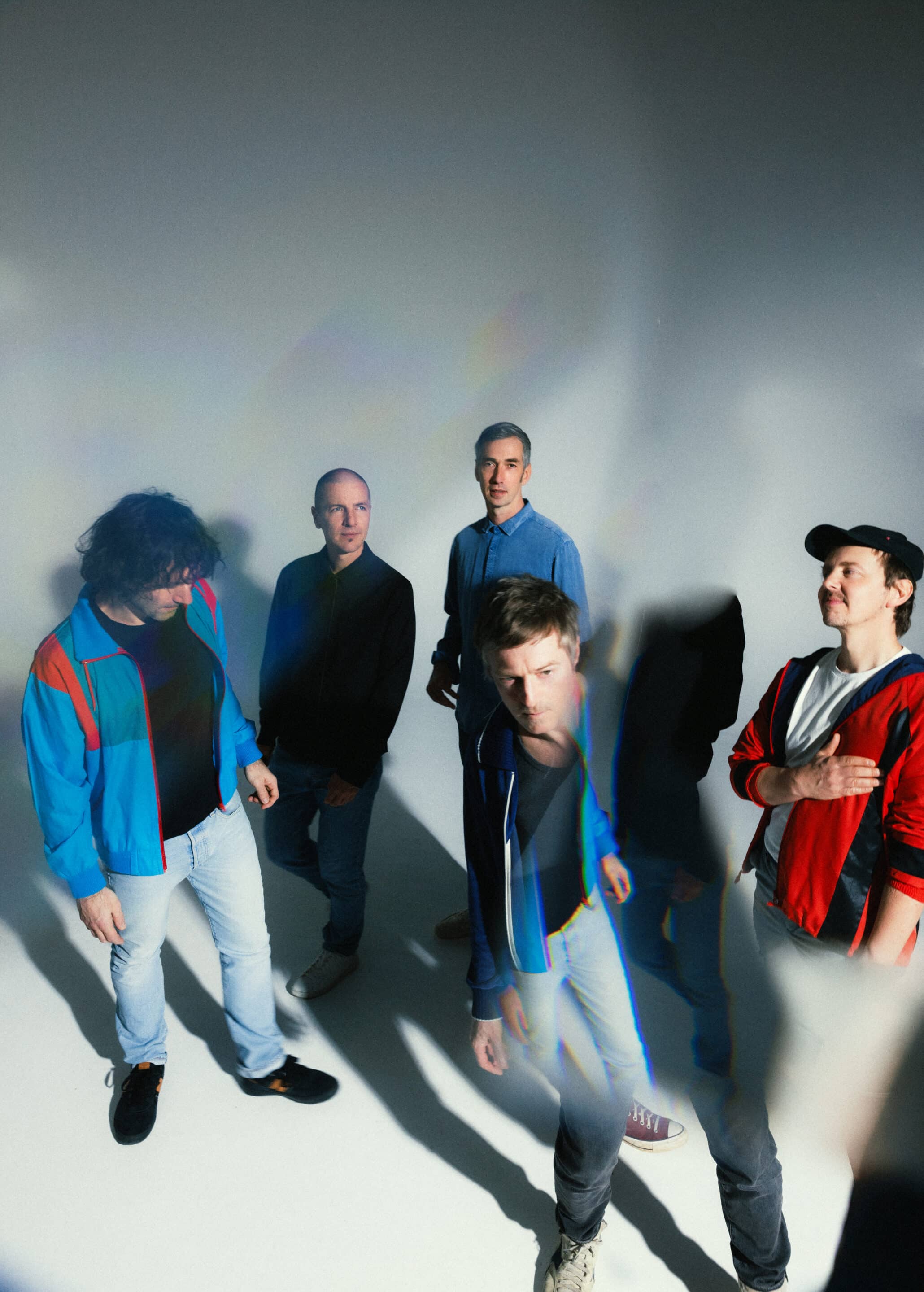
MUNDANE: After twenty-five years together, what would your younger selves find most surprising about the band today, and what does success mean to you now?
Girls In Hawaii: What would surprise our younger selves the most is seeing us today, almost 50, with grey hair, still wearing sneakers, still getting excited about pretty much the same things, and somehow still playing in the same band 25 years later.
What’s also quite amazing is that the core of the band—Lio, Daniel, Brice and myself—has remained almost unchanged.
Our manager Pierre played a huge role in that. He was older than us, a wise and calm presence who helped us communicate, ease tensions and deal with everyone’s egos and frustrations.
Since he passed away, that’s something we’ve really tried to preserve and cultivate ourselves. It’s a beautiful part of what he left us.
About that idea of success? Well, it’s all relative. We’re not international superstars, but we’ve built a loyal audience in France and Belgium and in some other countries that allows us to keep making records, financing them, touring and playing to crowds of 500 to 2,000 people.
Being able to do that for 25 years feels like an incredible privilege.
We have families, kids, fairly simple lives, and we don’t feel disconnected from the people around us.
And honestly, I think that’s probably the best kind of success we could have hoped for: being able to do what we love, make a living from it, and still remain ourselves.
The Freedom of Having Nothing Left to Prove
Perhaps the most meaningful transformation behind Eldorado isn’t musical at all.
It’s the band’s changing relationship with ambition.
When Girls In Hawaii began, success was something distant and undefined.
Twenty-five years later, they have experienced enough of life to recognize that the ability to continue creating together is itself an extraordinary achievement.
They have survived loss, uncertainty, changing musical landscapes, and the pressures that can gradually erode even the strongest creative relationships.
Yet they remain curious.
They still want to experiment.
They still find excitement in unfamiliar sounds and imperfect recordings.
And they still believe that music can transform the difficulties of everyday life into something worth sharing.
Eldorado doesn’t promise that the search will eventually end.
Instead, it suggests that perhaps it doesn’t need to.
Because sometimes the greatest creative achievement isn’t finally reaching the place you’ve spent your life searching for. It’s realizing that the journey itself has given you everything you needed to keep going.
Girls In Hawaii — Eldorado
Album: Eldorado
Label: Capitane Records
Format: Digital / Vinyl
Genre: Indie Rock / Dream Pop / Alternative
Focus track: “Drifting In The Summer Rain”
European tour dates:
- October 20 — London, Hootananny Brixton
- October 22 — Berlin, Kantine am Berghain
- October 28 — Amsterdam, Paradiso
- November 5 — Paris, La Cigale
Eldorado marks Girls In Hawaii’s return to the instinctive, emotionally resonant songwriting that first defined them, proving that even after twenty-five years, the most meaningful discoveries may still lie ahead.