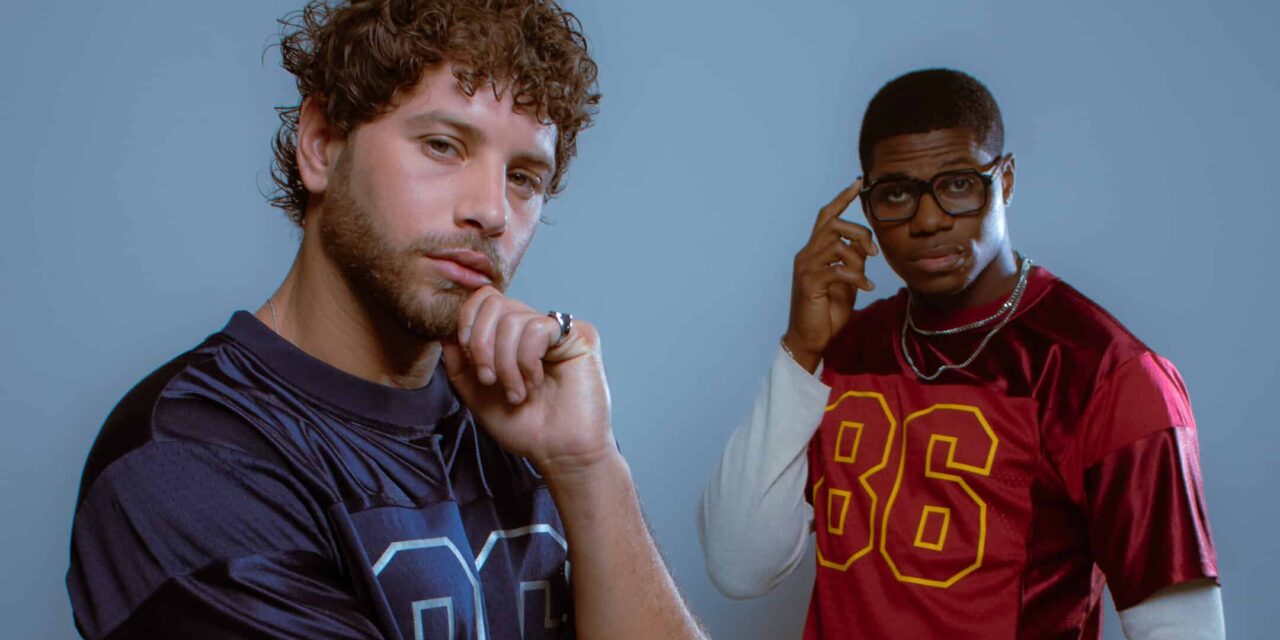
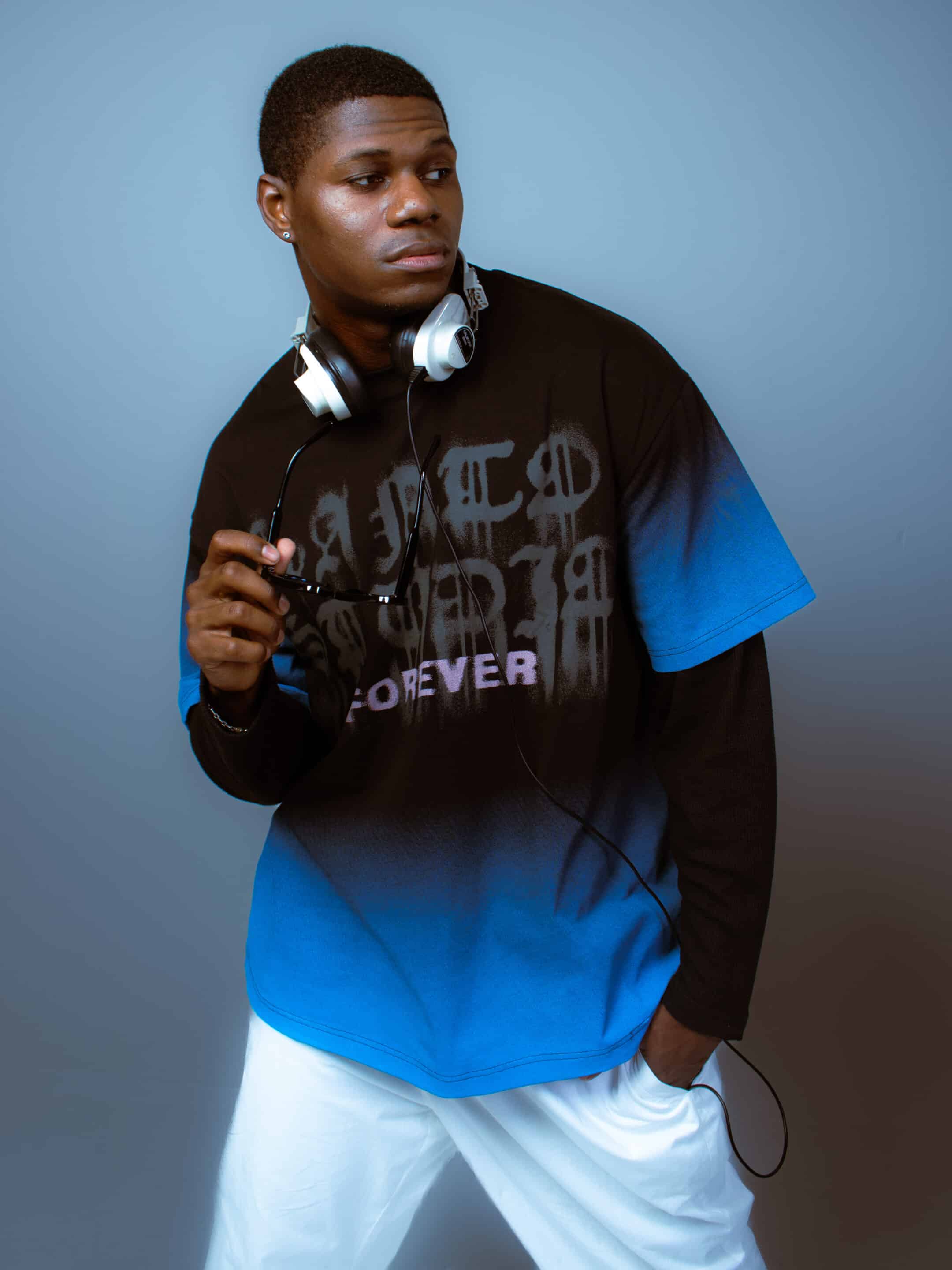
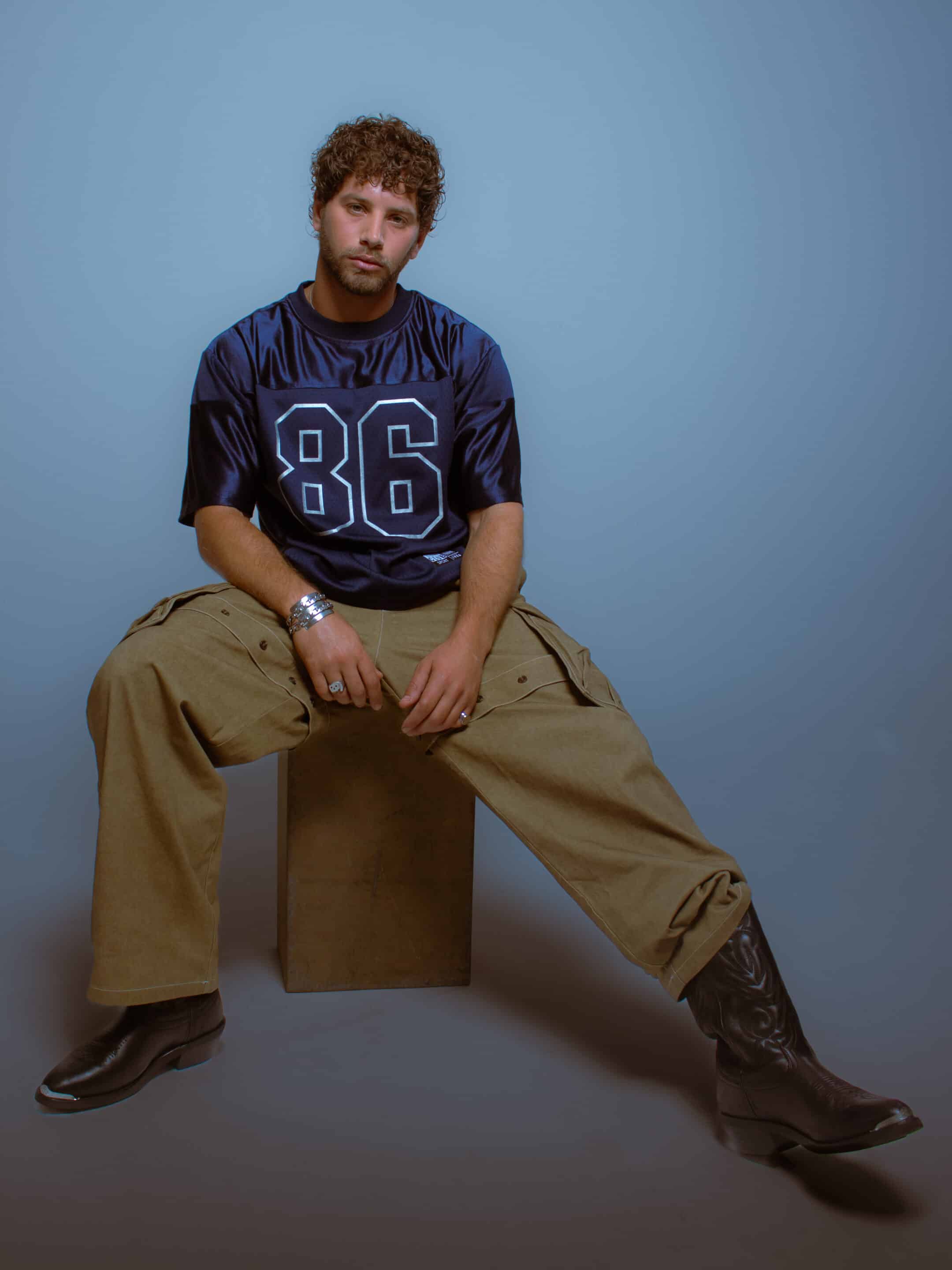
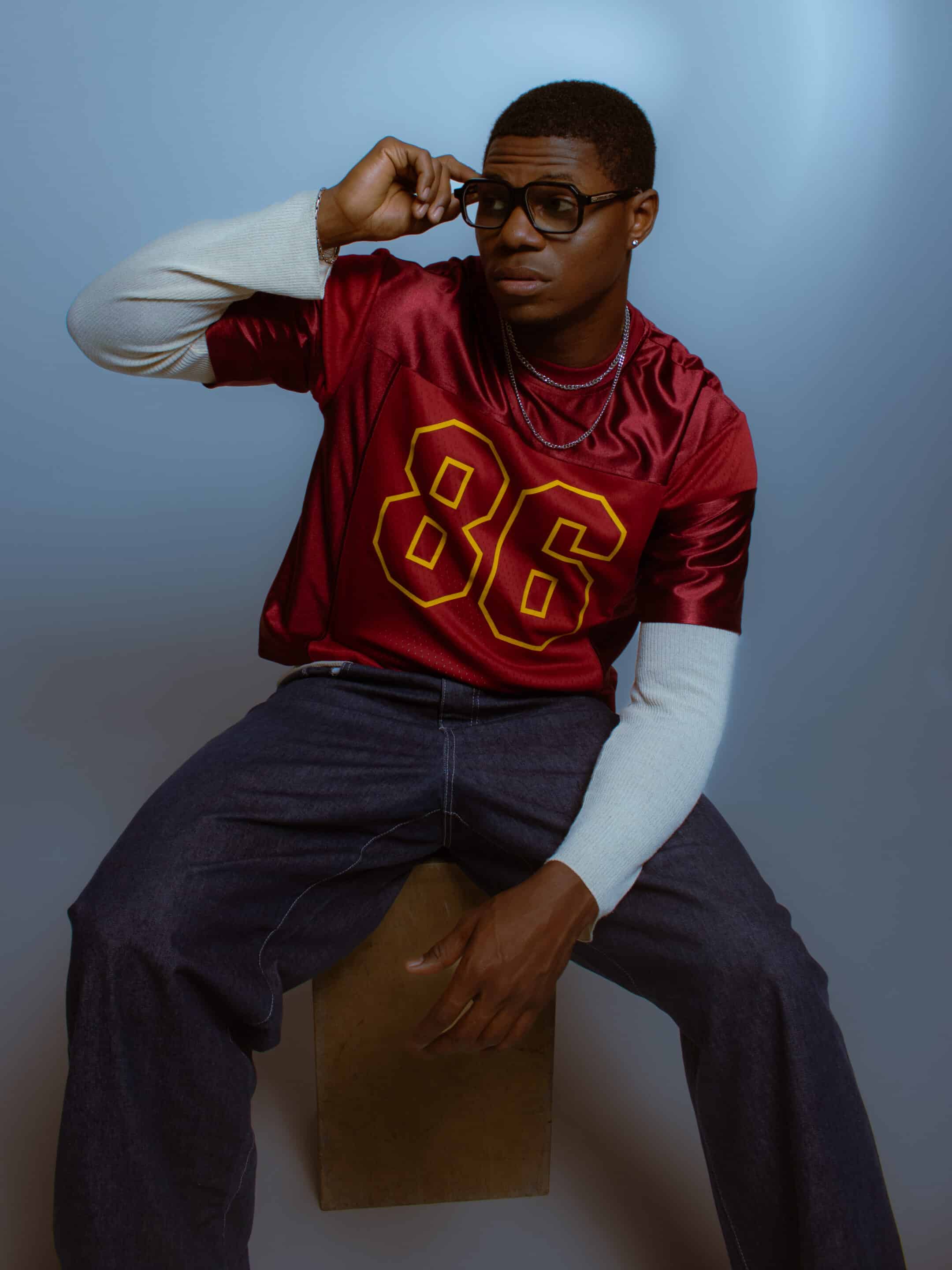
There is something instantly disarming about Hot Goss. On paper, the concept sounds deliberately outrageous: two men, sitting in a sauna, shirtless, talking through reality TV drama, celebrity headlines, and pop-culture chaos. But the surprise is that the show is not just a gimmick. It is a strangely effective pressure cooker for honesty.
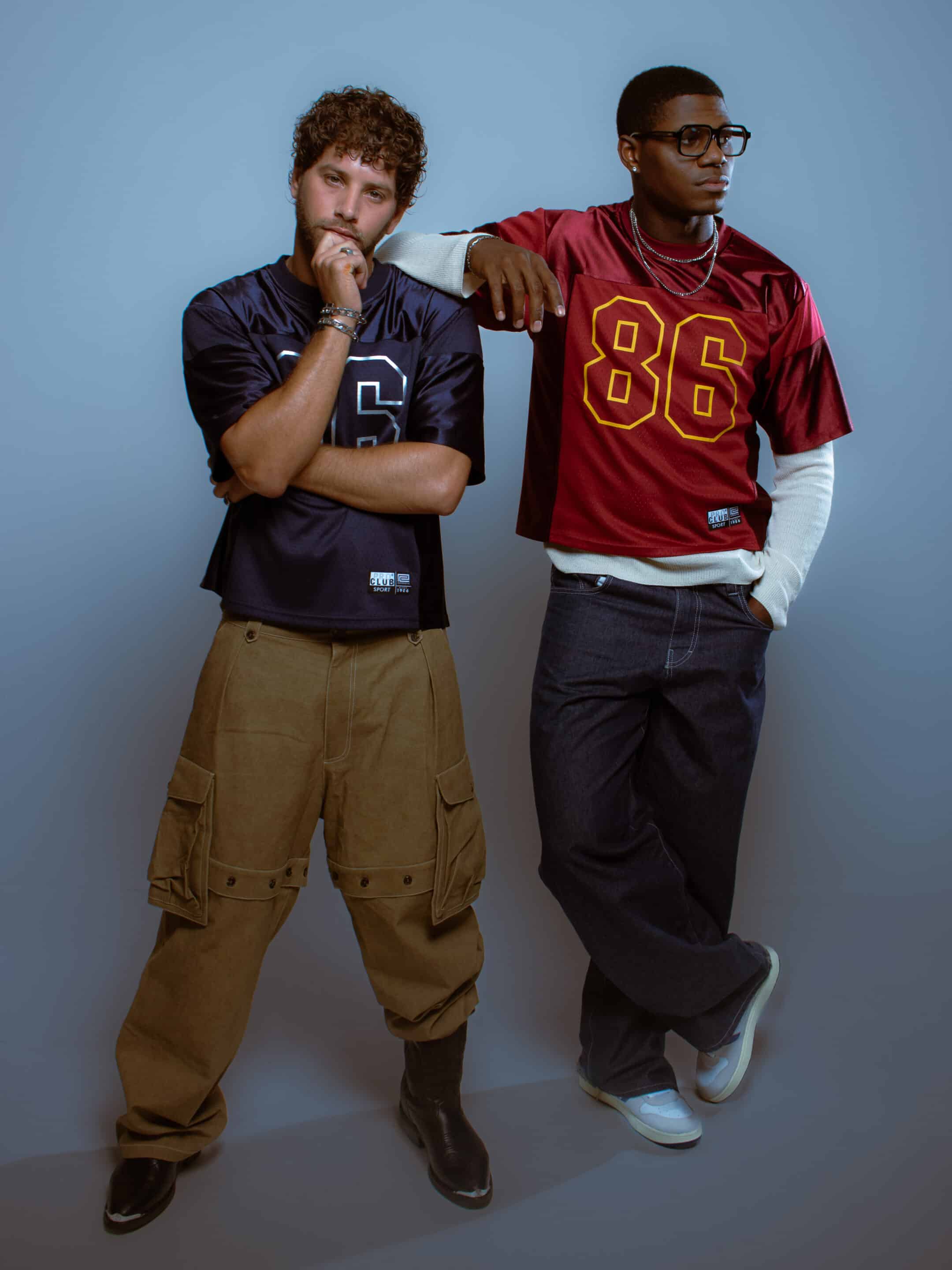
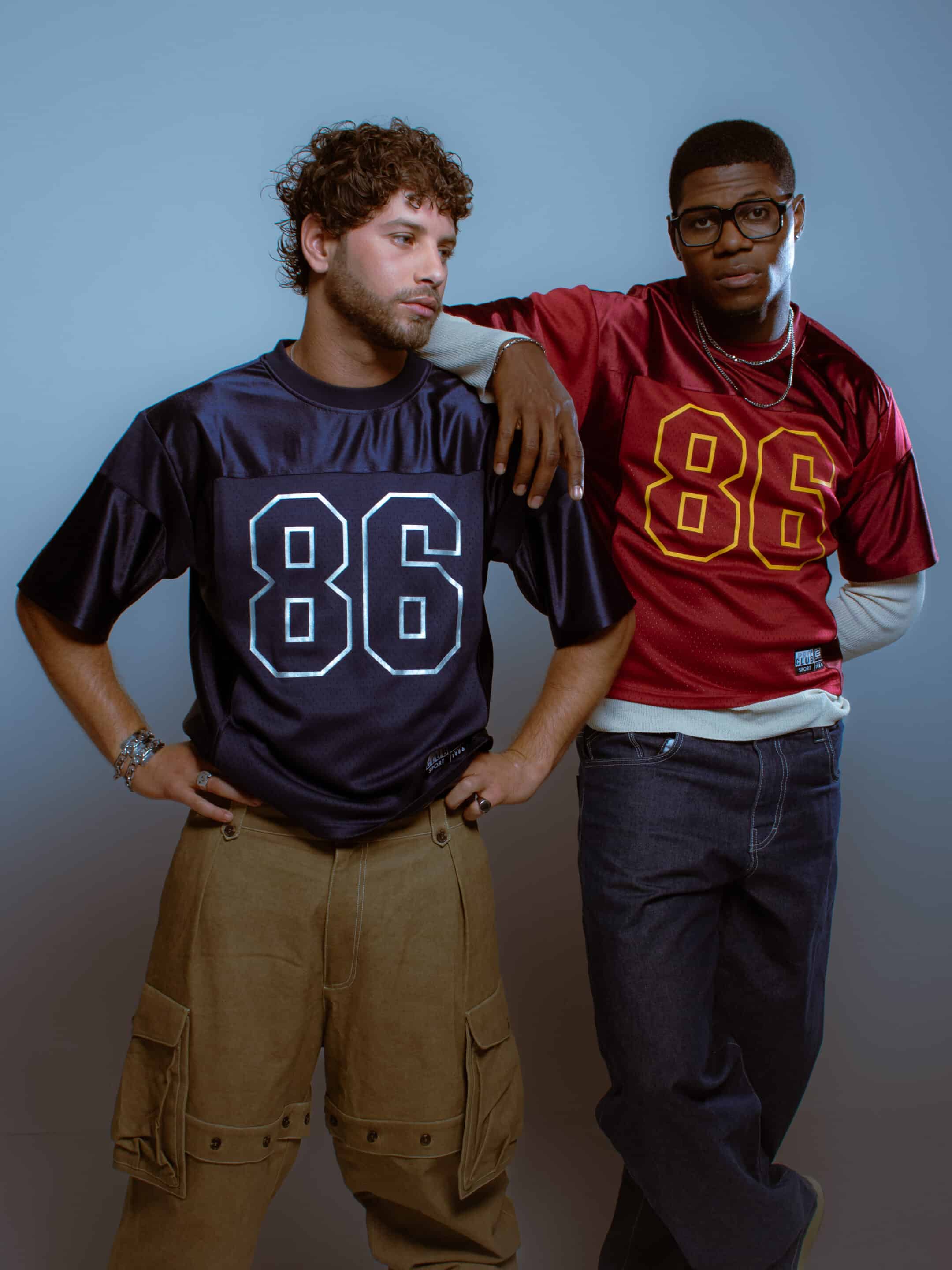
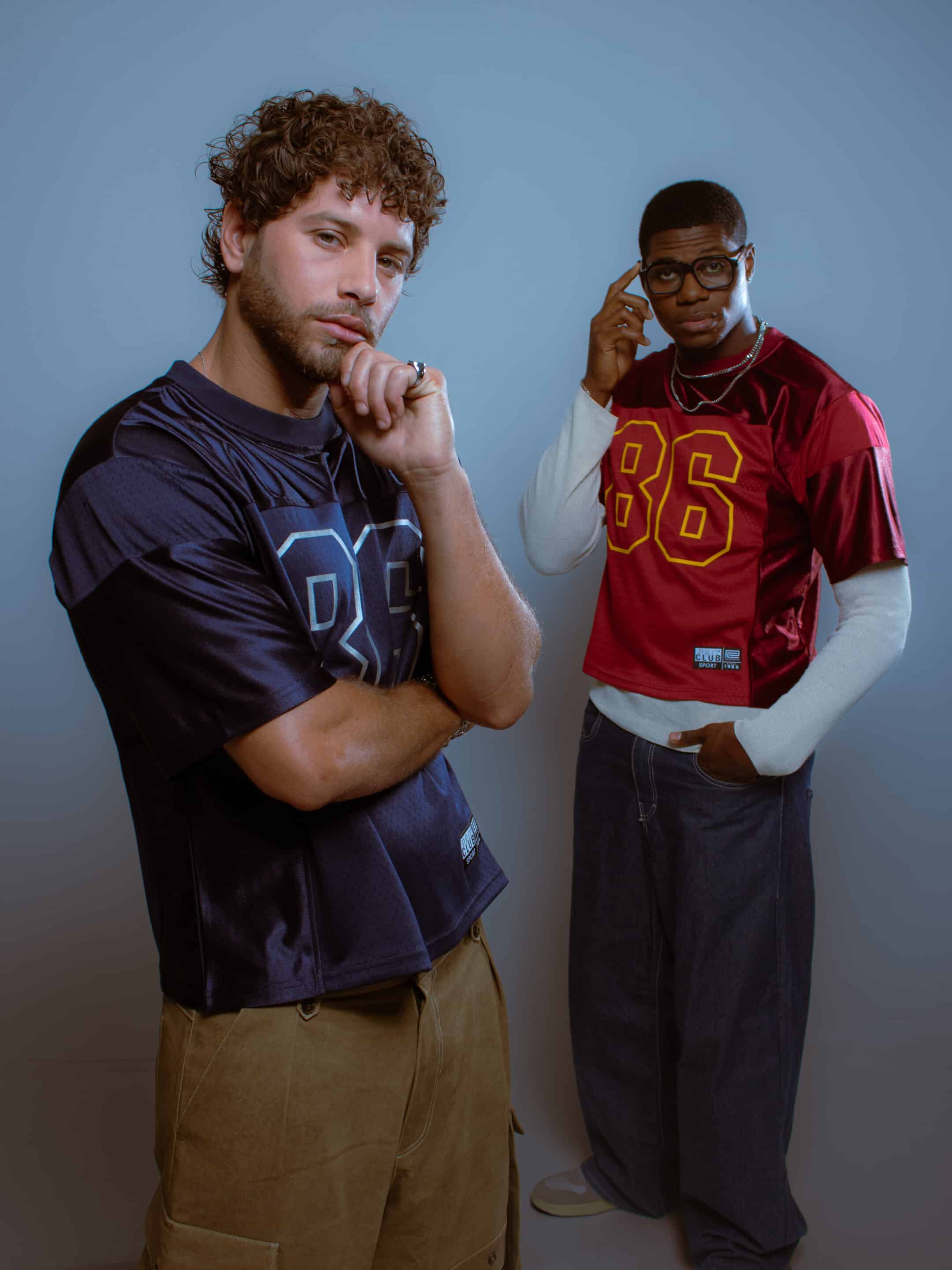
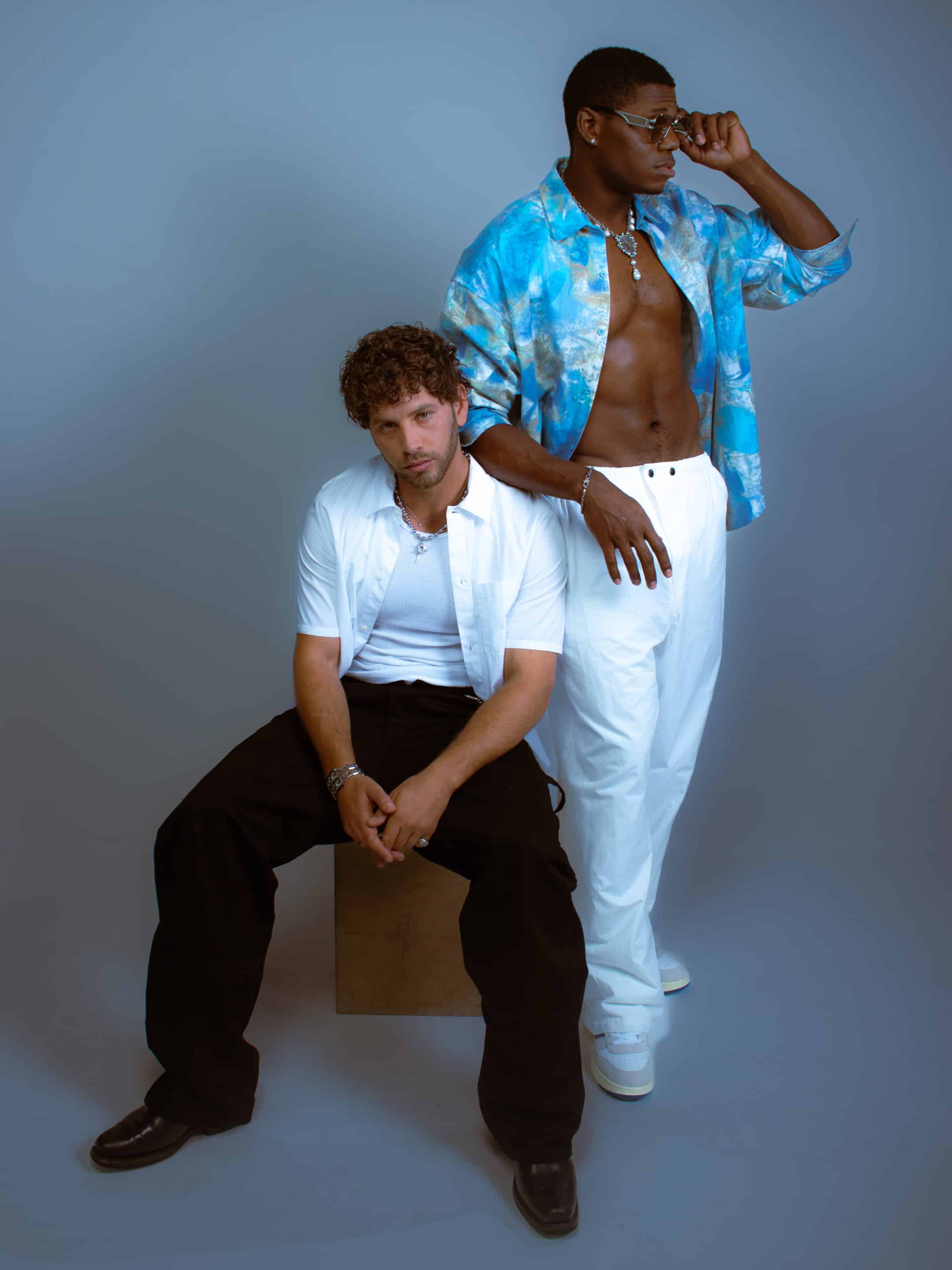
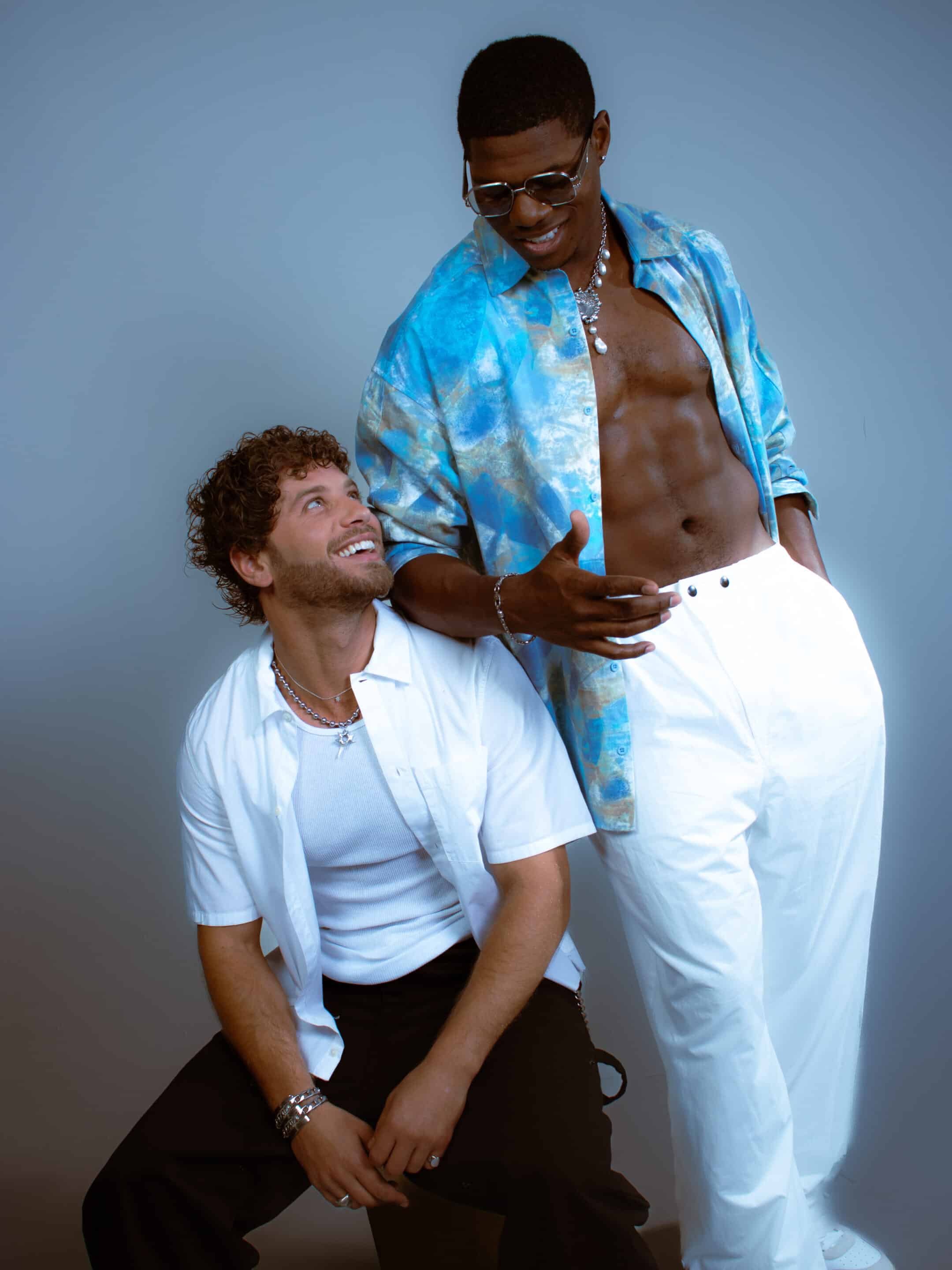
Hosted by Love Island UK alum Eyal Booker and social media personality Lonnie Marts IIV, E!’s original digital series takes the language of gossip and strips it down—literally and emotionally. The sauna becomes both set and metaphor: hot, exposed, slightly absurd, and weirdly intimate. Guests arrive expecting a topical entertainment show, but often find themselves in a space where the jokes give way to real reflection.
For Booker, who understands firsthand what it means to be judged through the lens of reality TV, the show offers guests a chance to be seen beyond the edit. For Marts, whose background in digital content is rooted in connection and community, Hot Goss becomes a way to turn pop culture into something more human.
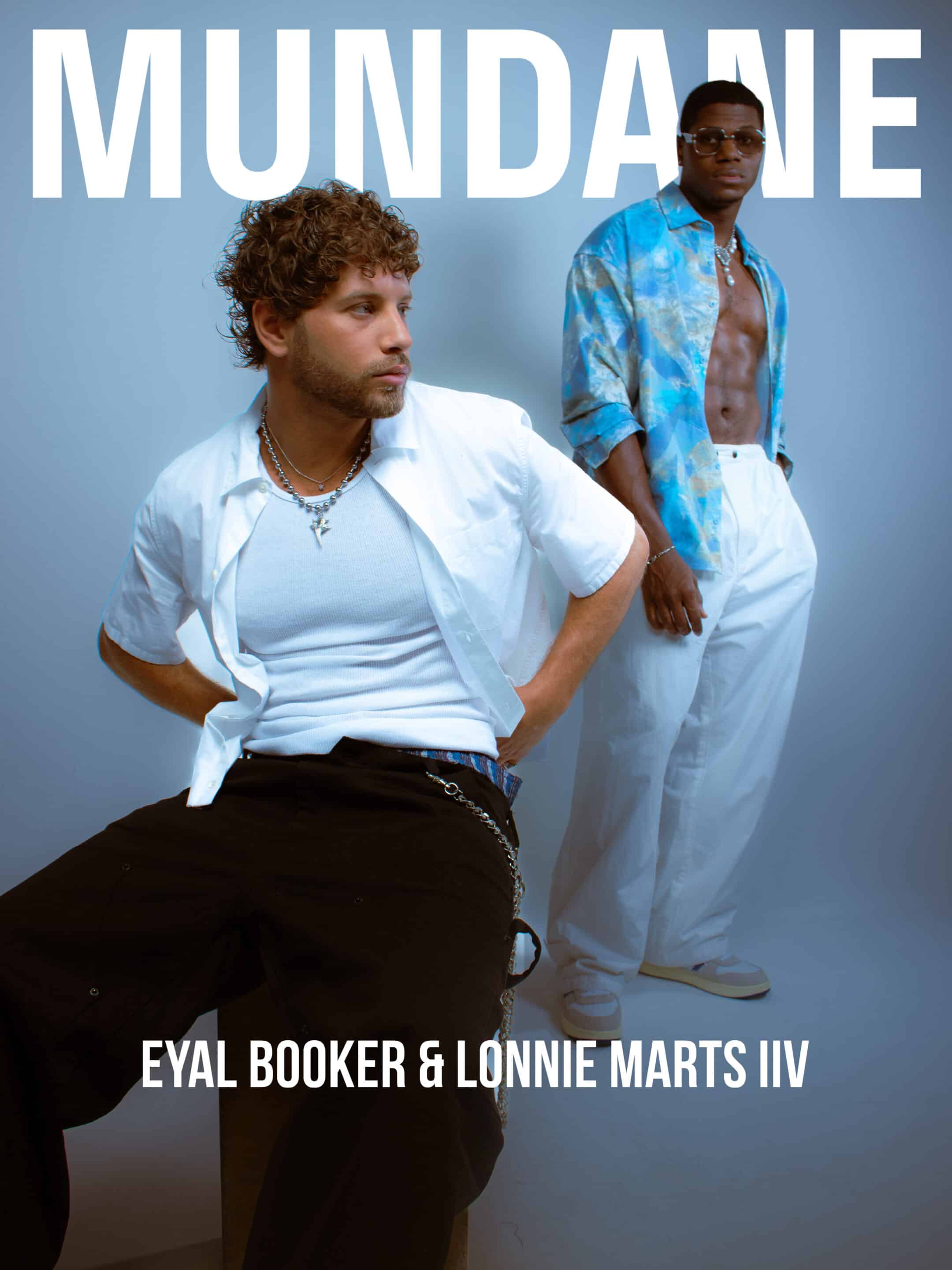
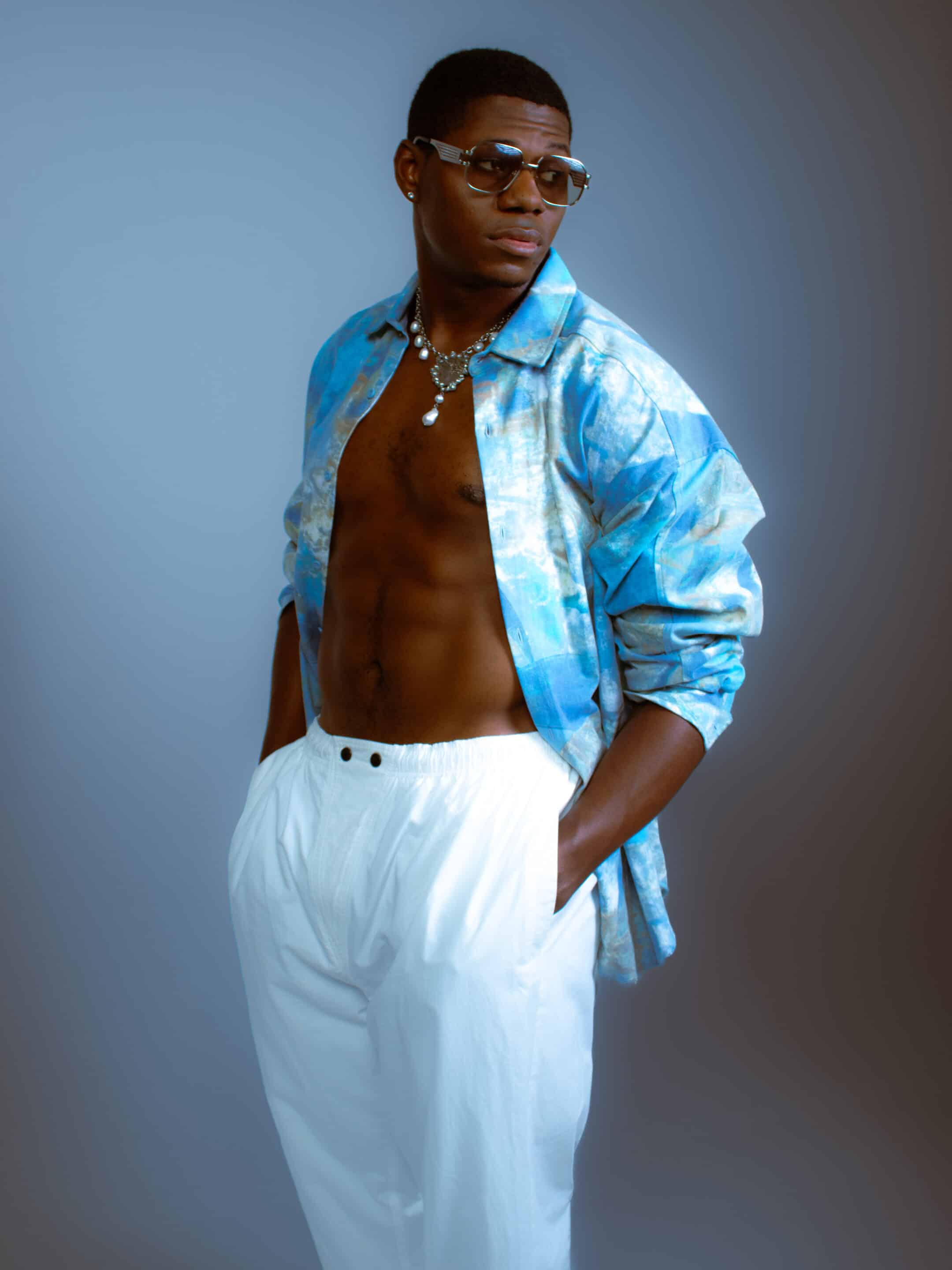
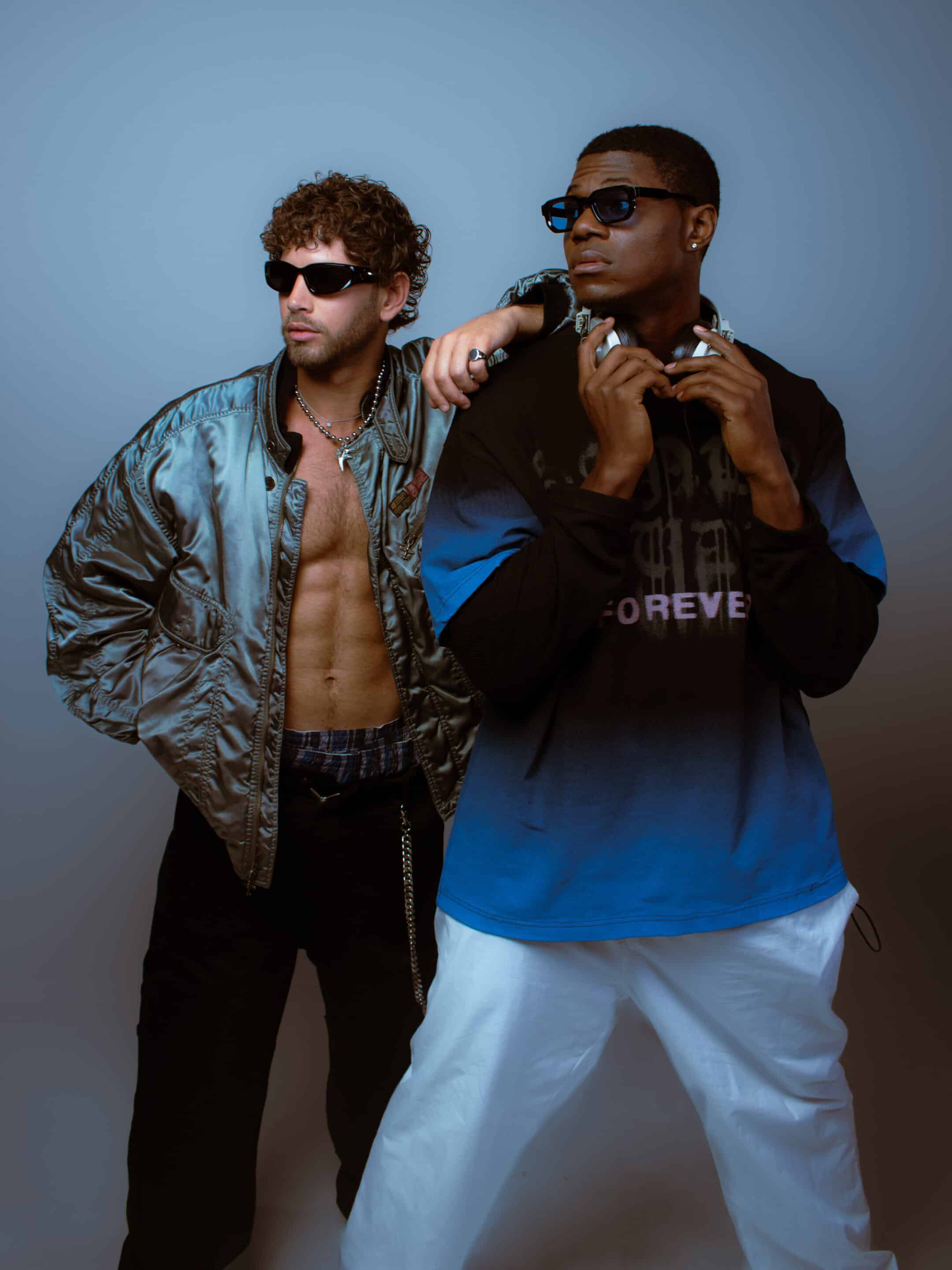
Photography Blurmedia
Styling Eliza Karpel
Grooming Drea Diaz
“Behind the screen, there’s a human,” Booker says. “My goal has always been to have real, genuine conversations from a point of deeper understanding and real perspective without judgment.”
Marts echoes that idea. “If I can help people better connect to themselves and the people around them, I’ve done my job,” he says. “With the show, it’s about uncovering some of that gold in people’s lives and experiences.”
The result is a show that sits somewhere between gossip column, therapy session, bro chat, and cultural commentary. It is funny, messy, revealing, and far more emotionally intelligent than its premise might suggest.
When you first heard the concept for Hot Goss, what was your reaction?
Lonnie Marts IIV: My manager was like, “You know a lot about celebrity gossip and pop culture.” And I was like, “I make content for a living. I think I know enough.” Then I realized there’s a stark difference between internet pop culture and reality TV pop culture.
When I got to the audition, I thought it was going to be a guy and a girl. That’s what I had been told. Then I got there and it was like sixteen guys sitting in a room. I was like, “Man, it’s going to take a while to get through sixteen guys and sixteen girl pairings.” Then someone was like, “I think it’s just us.” So it was not what I was expecting at all.
Eyal Booker: I didn’t really know what to expect. I come from a reality TV background and I’ve hosted shows before, but the idea of two guys co-hosting in a sauna, talking about trending topics, was very unique.
The producers were like, “You can take your clothes off if you want.” I was like, “Well, we’re getting in a sauna, aren’t we?” So I started undressing, wrapped a towel around myself, and sat in there.
Originally, it was really just Lonnie and I talking about trending topics with no guests. It was just our perspective and opinions. The progression has been really fulfilling because now we have guests come on and we get to hear their perspective and understanding of what actually happened.
The sauna setting is funny, but it also seems to create a kind of vulnerability. Why do you think it works?
Eyal: There’s an element of vulnerability when you’re sat in a sauna and you have no clothes on. Automatically, you’re more open and more willing to have conversation because you’re stripped back. You don’t have glam. You don’t have your outfit to express yourself.
It creates a conversation that, yes, is entertainment and fun and lighthearted and topical, but there are always these raw and vulnerable moments where people feel safe in that environment.
Lonnie: When you get in a sauna, everyone’s chatting nine times out of ten. You’re distracted because the heat is there and you’re trying to survive, so you’re not worried about what you’re saying. You’re just saying what you’re saying.
I love connecting with people. I love hosting because you get an opportunity to curate a vibe and give people a chance to share the gems they have inside that sometimes they don’t get asked about.
How do you balance gossip and entertainment with making sure the guest feels respected?
Eyal: We’re part of E!, and E! has a long history in entertainment. We have amazing researchers, and we understand what’s going on. There’s a rough structure, but I think Lonnie and I are both empathetic people, so we’re able to read people in the sauna.
At the start, people can be guarded. Then there’s this pivotal moment where they relax. Their guard comes down. They realize we’re not trying to sabotage them. We’re not here to catch people out.
Lonnie: I think treating people like people is an important part. But I’ll still push if there’s an answer I want to hear. I’ll be like, “I saw the reaction you gave there. Something tells me you’ve got something.” But we keep it friendly, open, and safe.
Eyal: We’re here to understand. We’ve seen the headlines, we’ve watched the shows, but the media can be a difficult place to navigate in terms of what’s real and what’s not. We’re coming in as two guys who just want to know: where’s the truth in this?
The show has this “bro chat” quality, but it’s also undermining some ideas of toxic masculinity. Is that intentional?
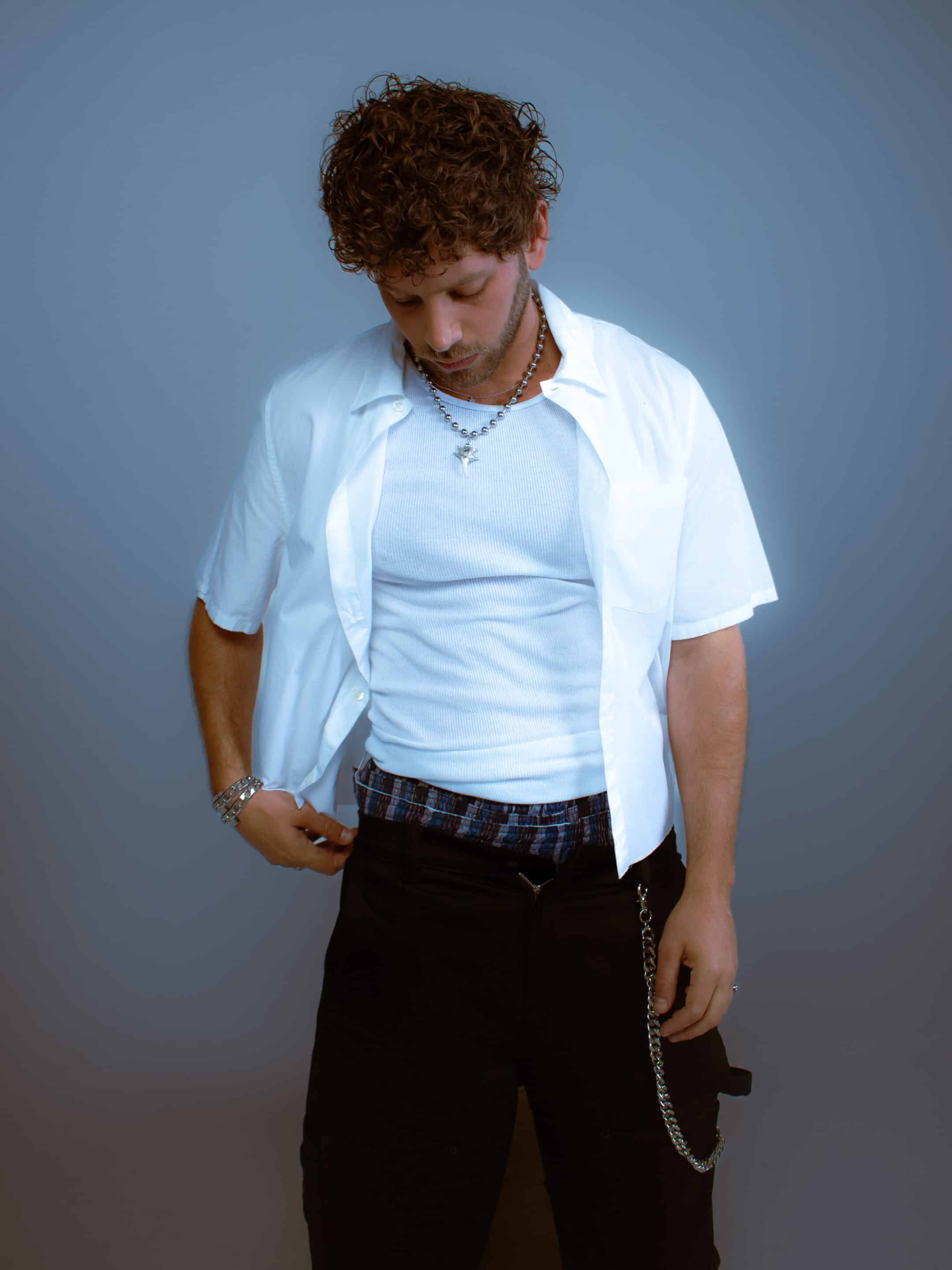
Eyal: I think we really try to eliminate this idea of toxic masculinity. It’s interesting to have us in there because while we can have this bro chat and banter, the world has embraced this sense that men can’t enjoy reality TV or gossip.
We can bro out and still talk about these things. We can have a perspective. We can be interested in people’s relationships and decisions. I think we’ve brought in more of a male audience who are like, “Oh, there are two guys there I can relate to, and it’s not weird that I enjoy this.”
Lonnie: Someone once told me, “I don’t really care so much about the gossip, but watching you guys go back and forth is funny.” And that’s part of it too. If nothing else, watching us juggle guests back and forth is hopefully entertaining.
Eyal, coming from Love Island, how did reality TV change you?
Eyal: I went on Love Island in 2018. I was 22 years old and thought I knew who I was entirely. Then I went on the show and people came for my character.
I’m quite a sensitive person. I was more in touch with my emotions and more spiritual. I wanted to get to know people on a deeper level, and people didn’t necessarily like that. That journey made me run away from who I was. I tried to prove I could be fun, party, and have a good time. Because I ran from that, I lost myself.
Then there were years of coming back and finding who I am now. I had to make peace with the fact that two things can be true at the same time. I can be a deep person who likes spirituality and manifestation, and I can also go out, have fun, and make small talk.
I’ve also had to make peace with the fact that some people will forever know me for Love Island and never give me credit for anything else. But I have an amazing family and amazing friends. If all of this entertainment and public figure notoriety was taken away tomorrow, I still have a beautiful life with people who know me for who I am.
Lonnie, how do you approach content creation now?
Lonnie: I’ve been doing this full-time for about six years, maybe ten if you include the random stuff I made on Facebook and YouTube for friends and family.
At this point, I’m trying to get back to what got me started: working on things I personally enjoy. At first, that worked really well for me. Then I started making things I thought everybody else would enjoy. Now I think I’ll be happier and want to make content for longer if I focus on my personality, my perspective, and the things going on in my life.
I did sports throughout high school and college, and content feels similar. You go to practice every day so you can show up for the big stage later. A lot of content is practice. How am I telling this story in a concise way? How am I bringing people together with this one piece of content? There’s never one perfect piece of content, but sometimes you have a great day at practice.
What is your personal “why” behind the show?
Lonnie: My goal has always been community. If I can help people better connect to themselves, the people around them, and the world around them, I’ve done my job.
With Hot Goss, it’s about uncovering some of the gold in people’s lives and experiences. There’s a lesson there, whether it’s good or bad. Maybe burning bridges on TV with your friends isn’t the best thing to do. So why do people do it? How do you avoid it? What do we learn from people who do a really good job—or a really terrible job—on TV?
Eyal: My why has always been that behind the screen, there’s a human. When I came into this industry as a model and then transitioned into reality TV, people had this preconceived perception of who I was.
My goal has always been to show that everyone has real human experiences. No two human experiences are the same. I believe everyone has their own unique superpower, and mine has always been having genuine conversations from a place of deeper understanding and real perspective without judgment.
Who has been a mentor or grounding figure for you?
Lonnie: For me, it’s been my parents. They taught me how to keep the main thing the main thing. For me, that has always been people. Relationships are the real value and gold in life. How are your relationships with your people? How are you taking care of them?
If I’m ever lost in the career or in LA, I’ll disappear to the woods for a while, or I’ll call home. My parents are always able to remind me what matters.
Eyal: My parents, and especially my mum. She instilled in me the idea that no dream is too big. My imposter syndrome follows me everywhere. At my core, I’m still a dyslexic, dyspraxic kid who feels like he has no business being in this world.
But I’ve been given the tools and encouragement to go out there and do what I believe I can do. Every person who has given me the opportunity to prove I have more to give than just what I look like has inspired me to go further.
Eyal, tell us about Wavy.
Eyal: Wavy was created because I felt that, as a guy, I was underserved and overlooked in the textured hair care world. I wanted to give modern men a brand that helped them feel represented and embrace their natural texture.
Traditionally, embracing wavy or curly hair has not always been encouraged. Men’s grooming brands have often told guys to buzz cut their hair, slick it back, or do something overly masculine. After being given a platform and being asked constantly by guys what I do with my hair, I launched Wavy with my brother, who is my co-founder.
It’s really about helping people embrace who they are and giving them the confidence to step into that.
Lonnie, what else are you working on outside of Hot Goss?
Lonnie: Hosting is something I love, and I’m grateful to be part of Hot Goss. New episodes come out every Thursday.
Outside of that, I’m on socials at @lonnieiiv. It’s supposed to be Lonnie III, but it’s bad Roman numerals. I’m always posting skits, my takes on pop culture, and behind-the-scenes bits of what it’s like to be a creator. Follow me, shoot me a message, and I’ll get back to you.