
London-based singer-songwriter Judy Pearson transforms heartbreak into empowerment on her four-track EP Diary of A Heartbreak (Chapter Two). Moving beyond the vulnerability of its predecessor, the project explores emotional maturity, self-respect, and the clarity that comes with distance. In conversation with MUNDANE, Pearson reflects on turning painful experiences into music, finding confidence through songwriting, and realizing that someone else’s inability to love you doesn’t determine your worth.
Heartbreak rarely ends when a relationship does. Sometimes, the most meaningful realizations arrive much later, when the emotions have settled and the memories begin to look different.
For London-based singer-songwriter Judy Pearson, that shift in perspective is the foundation of her latest EP, Diary of A Heartbreak (Chapter Two), released independently on October 23, 2026.
Where Chapter One explored the immediate aftermath of romantic disappointment, its follow-up examines what happens when sadness gives way to clarity.
“Chapter One was about the heartbreak itself, whereas Chapter Two is about the realisations that come afterwards,” Pearson explains. “It’s less about what I’ve lost and more about what I’ve learned.”
Across four intimate pop tracks, Pearson revisits a past relationship with a newfound sense of confidence, combining vulnerable storytelling with moments of sarcasm, defiance, and emotional independence.
From Heartbreak to Self-Discovery
For Pearson, the two chapters represent different stages of the same emotional journey.
The first captured the confusion, disappointment, and vulnerability of heartbreak. The second approaches those experiences from a distance, allowing her to recognize patterns and behaviors she couldn’t fully understand at the time.
Rather than dwelling on what went wrong, she’s interested in what those experiences taught her.
“I’ve also learned that moving on doesn’t mean the experience wasn’t meaningful,” she says. “It just means you’ve reached a point where it no longer has the same hold over you.”
That philosophy runs throughout the EP.
On “Jade,” Pearson imagines leaving an impression that a former partner cannot easily erase, using the hardness of the gemstone as a metaphor for memory.
“Isn’t It Funny How” introduces a sharper, more sarcastic perspective, examining the sacrifices she once made for someone who failed to appreciate them.
“No One Else Like Me” explores individuality and the realization that personal value doesn’t depend on someone else’s regret.
The closing track, “Just A Boy,” delivers the project’s most direct confrontation with emotional immaturity.
“Just A Boy”: Recognizing Your Worth
The EP’s focus track, “Just A Boy,” captures the moment when romantic idealization gives way to a more realistic understanding of someone’s behavior.
Rather than excusing emotional carelessness, Pearson challenges the immaturity behind it.
“There’s something quite powerful about reaching that point, because you’re no longer looking at the situation through the same emotional lens,” she explains.
The track also creates a connection with Chapter One, revisiting themes introduced in “Heart on the Wall.”
But this time, Pearson is no longer simply describing the experience of being hurt.
She’s questioning the person responsible.
For her, the distinction is important: someone’s inability to treat another person with respect is not evidence of that person’s inadequacy.
It’s a reflection of their own emotional limitations.
Letters That Will Never Be Sent
Produced, mixed, and mastered by Jeremy Rompala, with vocals recorded at Pirate Studios in London, Chapter Two maintains the intimate, acoustic singer-songwriter foundation of its predecessor.
The production deliberately leaves room for Pearson’s lyrics, allowing the emotional narrative to remain central.
Influenced by the storytelling approach of artists such as Taylor Swift, Pearson views songwriting as an opportunity to articulate feelings that might otherwise remain unspoken.
She describes the songs as letters she’ll never send.
They contain reflections, imagined conversations, and realizations that no longer require a response from the person who inspired them.
What matters now isn’t being understood by a former partner.
It’s understanding herself.
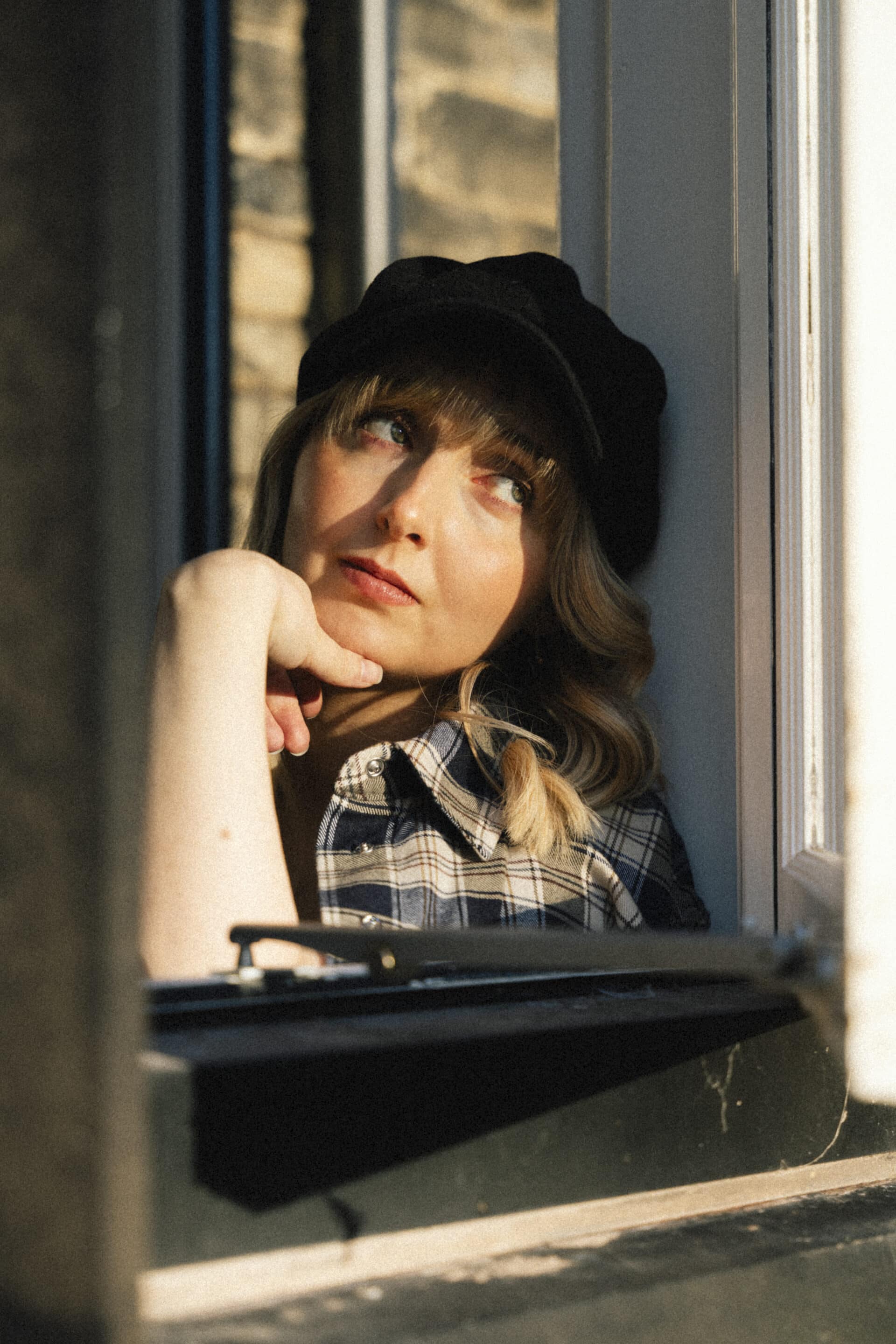
In Conversation With Judy Pearson
What overall story or theme are you exploring in Diary of A Heartbreak, Chapter Two?
Diary of a Heartbreak, Chapter Two is really about what happens after the initial heartbreak, when you’ve had time to process everything and start seeing the relationship from a different perspective.
While Chapter One was about experiencing those raw emotions, Chapter Two is about looking back with more clarity and recognising things I perhaps couldn’t see at the time.
There’s a lot of reflection throughout the EP, but also a growing sense of self-worth, independence and empowerment. It’s about understanding that heartbreak doesn’t have to define you, and sometimes the most important thing you gain from an experience is a better understanding of yourself.
How does Chapter Two expand on the narrative or emotions introduced in your previous work?
I always saw Diary of a Heartbreak as a story that could be told in different chapters, because heartbreak isn’t something you experience in just one moment. Your feelings change as time passes.
Chapter One captured how I felt when everything was still fresh. There was sadness, vulnerability and that feeling of trying to make sense of what had happened.
By the time I started writing Chapter Two, I’d moved on emotionally, but I found myself reflecting on the relationship with a completely different mindset.
I think the biggest difference is that Chapter One was about the heartbreak itself, whereas Chapter Two is about the realisations that come afterwards. It’s less about what I’ve lost and more about what I’ve learned.

Can you walk us through the songwriting process for this EP?
Songwriting has always been a way for me to express feelings that I might struggle to put into everyday conversation.
With Chapter Two, a lot of the inspiration came from reflecting on past experiences rather than writing in the middle of them. I was able to look back at certain situations with more honesty and perspective.
I like to think of these songs almost as letters that I’ll never actually send. They’re a way of expressing everything I wanted to say, without necessarily needing a conversation with the person they’re about.
Each track explores a slightly different realisation, but together they tell a much bigger story about finding your confidence again and recognising your own worth.
Which track on the EP felt the most personal or emotionally challenging to write, and why?
I think every track is personal in its own way, because they all represent different emotions and realisations.
One song that really stands out to me is Just A Boy. It reflects that moment when you stop romanticising someone’s behaviour and begin to recognise the immaturity behind certain actions.
There’s something quite powerful about reaching that point, because you’re no longer looking at the situation through the same emotional lens.
For me, the song represents a shift in perspective. It’s about recognising that someone’s inability to treat you the way you deserve isn’t a reflection of your worth.
How did you approach the production and sonic atmosphere for this project?
For me, it was important that the production complemented the storytelling and allowed the emotions behind each song to come through.
I worked with Jeremy Rompala, who produced, mixed and mastered the EP, and we recorded at Pirate Studios in London.
My music has always been rooted in emotional storytelling, so I wanted the sound to support the lyrics rather than overpower them.
I also wanted Chapter Two to feel like a natural progression from the first EP, reflecting the change in perspective and the stronger sense of confidence behind these songs.
How has your perspective on heartbreak and healing evolved through creating this project?
I think I’ve realised that healing isn’t necessarily about forgetting what happened or pretending that something didn’t hurt.
Sometimes it’s about being able to look back at an experience without feeling the same emotions you once did.
Writing Chapter Two reminded me how much your perspective can change over time. Things that once felt confusing can eventually become much clearer, and you start recognising what you deserve from relationships and from yourself.
I’ve also learned that moving on doesn’t mean the experience wasn’t meaningful. It just means you’ve reached a point where it no longer has the same hold over you.
What do you hope listeners experiencing their own heartbreaks find in this EP?
More than anything, I hope listeners feel understood and less alone in whatever they’re going through.
Heartbreak can make you question yourself, your decisions and sometimes even your worth. I hope these songs remind people that someone else’s actions don’t determine their value.
I also want listeners to know that it’s okay if healing takes time. You don’t have to have everything figured out immediately.
If someone listens to Chapter Two and feels a little more confident, empowered or reassured that things can get better, that would mean a lot to me.
Were there any specific artists or records that inspired the sound of Chapter Two?
I’ve always been drawn to artists who put storytelling and emotion at the centre of their music. I love songs that feel personal and honest, where you can really connect with what the artist is trying to express.
With Chapter Two, though, I focused on finding a sound that felt authentic to my experiences and the story I wanted to tell.
I wanted the music to reflect both the vulnerability of looking back and the confidence that comes from moving forward.
How do you feel you’ve grown as an artist and songwriter between Chapter One and Chapter Two?
I think I’ve become more confident in expressing myself and trusting the stories I want to tell.
When I was writing Chapter One, I was coming from a much more vulnerable place emotionally. With Chapter Two, I had more distance from those experiences, which allowed me to approach the songwriting with greater clarity.
I’ve also grown more comfortable with the idea that not every song about heartbreak has to be sad. Sometimes those experiences can inspire songs about strength, self-respect and knowing when to move forward.
As an independent artist, I’m constantly learning and developing, and I think this EP represents another important step in finding my own voice.
What is next for you once this EP is officially out in the world?
I’m really excited to see how people connect with Chapter Two and which songs resonate with them the most.
Releasing music independently is always a learning experience, and I’m looking forward to continuing to grow as an artist, reaching new listeners and sharing more of my songwriting.
I definitely want to keep creating music that feels personal and meaningful to me, while continuing to explore different sounds and ideas.
For now, I’m proud to be sharing this chapter of my story, and I’m excited to see where the next one takes me.
The Power of Moving Forward
With Diary of A Heartbreak (Chapter Two), Judy Pearson offers a reminder that heartbreak doesn’t always have to produce another sad song.
Sometimes, it produces perspective.
Sometimes, it creates the confidence to recognize behavior that once seemed impossible to question.
And sometimes, the most important realization is that someone else’s failure to appreciate you never diminished your value.
Across four tracks, Pearson transforms memories of disappointment into statements of independence, allowing her songwriting to evolve alongside her emotional growth.
What began as a diary of heartbreak has become something closer to a declaration of self-worth.
And if Chapter One was about losing someone, Chapter Two is about discovering what remains when the pain finally fades.
Yourself.
Diary of A Heartbreak (Chapter Two) is out now, independently released on October 23, 2026.
Tracklist:
- Jade
- Isn’t It Funny How
- No One Else Like Me
- Just A Boy
Written by: Judy Pearson
Produced, mixed and mastered by: Jeremy Rompala
Recorded at: Pirate Studios, London
Genre: Pop / Singer-Songwriter