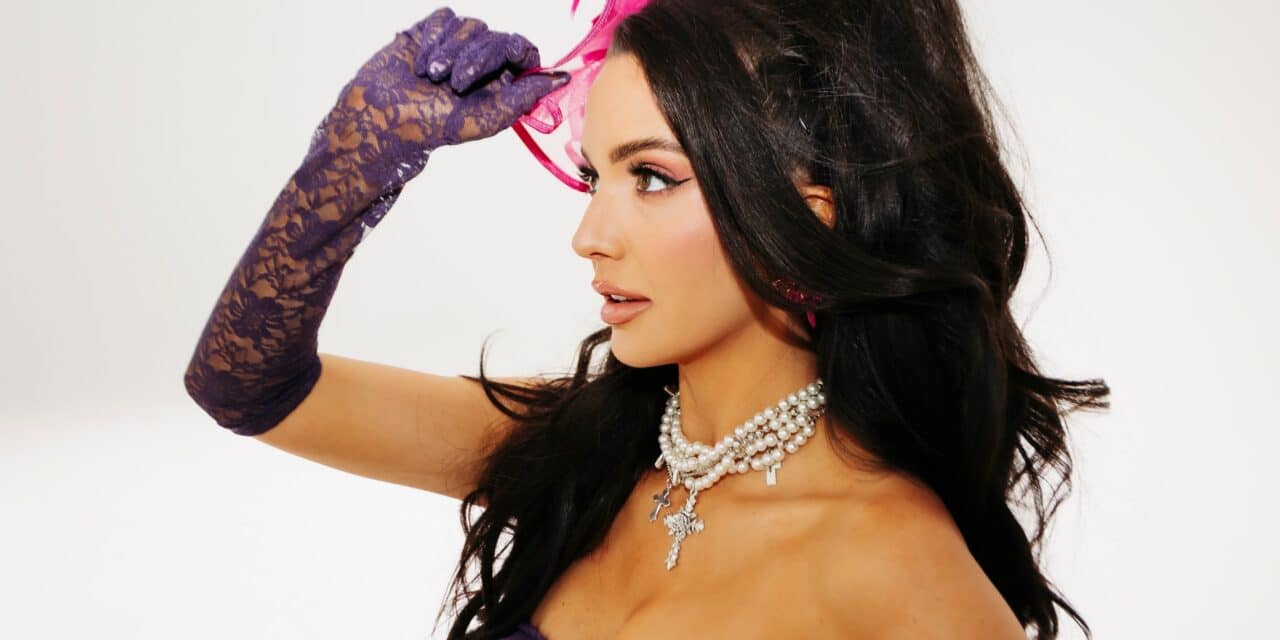
Photography by Haley Hays
With millions of followers and a feed spanning beauty, anxiety, grief, ADHD, country music and pop culture, the social media personality has learned that authenticity doesn’t require surrendering every part of yourself
The internet has spent years convincing us that authenticity means access.
Show the morning routine. Show the breakdown. Show the relationship. Show the apartment when it is messy and the face before the makeup goes on. If audiences are going to believe that a creator is “real,” the logic suggests, then perhaps nothing can remain completely private.
Kristi Howard has spent enough time online to know that the equation is much more complicated.
“My anxiety is real, the mess is real, my ADHD is real, my grief is real,” she says. “But it’s also curated because you’re only seeing the parts of my life that I choose to pull a camera out for, which is honestly probably like 4% of it.”
Then comes the distinction that may best explain both Howard’s longevity and the unusually intimate relationship she has built with an audience of more than three million TikTok followers:
“People sometimes confuse authenticity with access.”
Howard’s content lives somewhere between lifestyle diary, comedy, beauty content and an ongoing group chat with several million people. Her videos can move from GRWMs and skincare to country music, reality television, anxiety, grief or the kind of minor daily disaster that feels enormous until you can eventually laugh about it.
The appeal is not that Howard’s life perfectly resembles the lives of everyone watching. It is that the emotional language underneath it usually does.
Maybe you have never built a career around social media, but you have probably procrastinated making an appointment. Maybe you have never filmed yourself getting ready for millions of strangers, but you have probably been late, overwhelmed or insecure while trying to look like you had everything under control.
“You might not be a content creator,” Howard says, “but you’ve probably felt overwhelmed by your to-do list, put off making an appointment, struggled with your mental health, felt insecure or alone, or lost someone close and felt like nobody in your real life truly understood what you were going through.”
Those are the moments Howard keeps returning to.
They also explain why her relationship with beauty content feels different from the polished aspirational machinery that has historically dominated the category. Howard will show the finished glam, but she is equally interested in everything that happened while getting there: the chaos, the running late, the spiraling, the inability to figure out what she is doing despite having presumably done it hundreds of times before.
The imperfection is not something she edits around.
It is often the story.
After years of viral videos and changing algorithms, however, Howard has also become considerably more intentional about what remains outside the frame. The creator who once describes herself as “the queen of oversharing” now protects friends and family who did not choose public lives and recognizes that something can be genuine without becoming public property.
It is an increasingly necessary distinction in a creator economy where personality itself can become the product.
Howard is aware that putting a camera in front of anyone inevitably changes them slightly. She does not pretend otherwise.
“The person you see online is genuinely me,” she says, “just a version of me that’s aware a camera is on.”
Maybe that is a better definition of digital authenticity anyway: not complete exposure, but recognizable humanity.
Mundane spoke with Kristi Howard about going viral without losing perspective, the difference between authenticity and access, beauty culture, grief, ADHD, pop culture, privacy, burnout, and why relatability has much less to do with living the same life than feeling the same things.
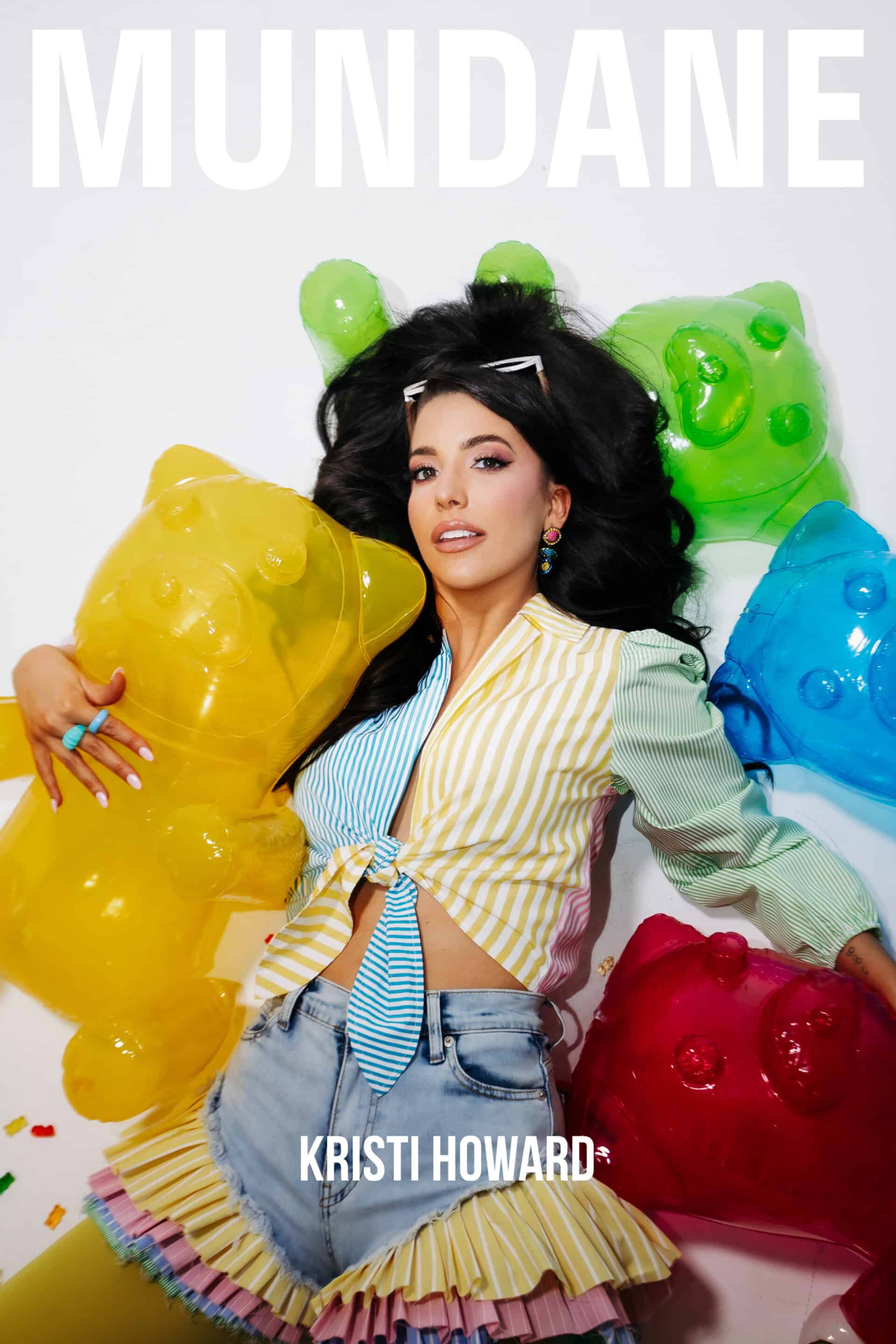
Your content feels incredibly personal, but also highly curated. Where do you draw the line between sharing your life and shaping a version of it for the internet?
My content is very personal! My anxiety is real, the mess is real, my ADHD is real, my grief is real. But it’s also curated because you’re only seeing the parts of my life that I choose to pull a camera out for, which is honestly probably like 4% of it.
I think people sometimes confuse authenticity with access. Just because I’m authentic doesn’t mean you have access to every part of my life.
When I first started creating content, I was the queen of oversharing. As I’ve gotten older, I’ve realized it’s important to keep some things for myself.
If it’s something that might make someone laugh, feel less alone, or help them connect with me, I’ll probably share it. If it only satisfies curiosity or involves other people’s privacy, I usually keep it offline.
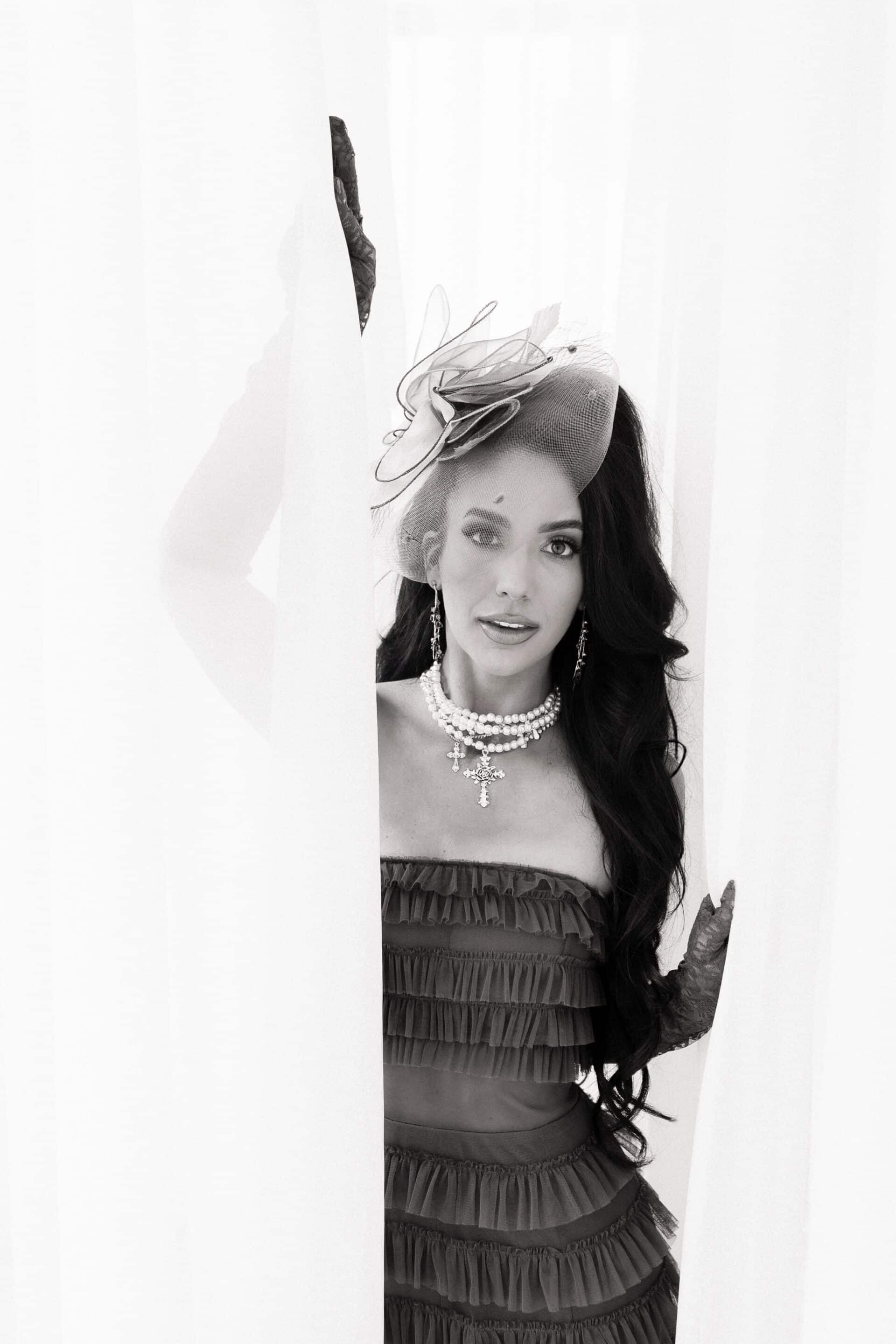
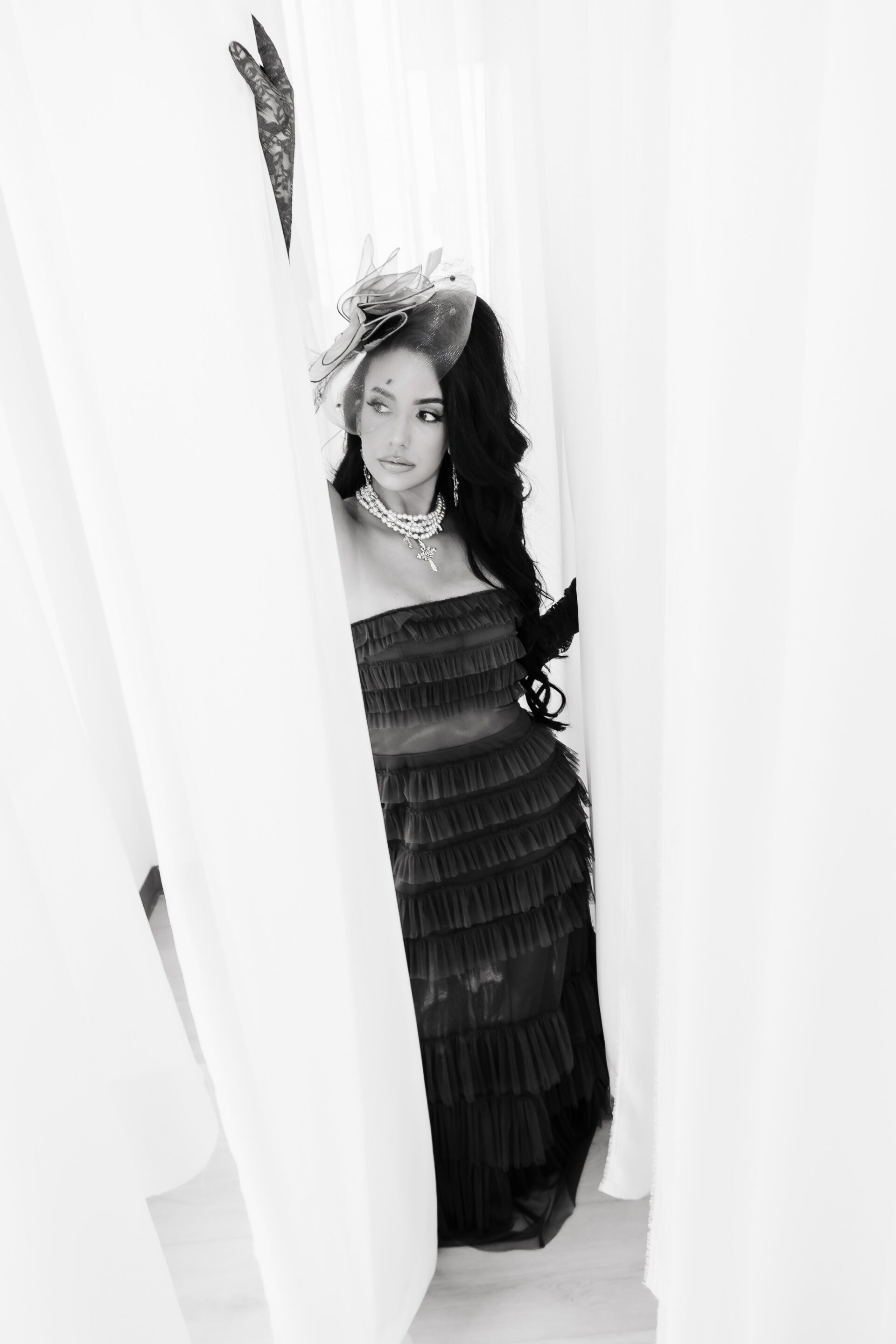
You’ve built a massive audience through relatability—DIMLs, GRWMs, daily moments. What does “relatable” actually mean to you in a space that’s often driven by perfection?
Relatability has never meant having the same life as someone else.
You might not be a content creator, but you’ve probably felt overwhelmed by your to-do list, put off making an appointment, struggled with your mental health, felt insecure or alone, or lost someone close and felt like nobody in your real life truly understood what you were going through.
Those are the things I try to share.
I think social media can sometimes make people feel like everyone else has it figured out. I’ve never been interested in contributing to that.
Ironically, I think the more I stopped trying to look perfect online, the more people connected with my content. Nobody relates to perfection because perfection isn’t real.
People connect with honesty, flaws, mistakes, and the things we all experience but don’t always talk about.
Going viral consistently can be both a blessing and a pressure. How do you stay grounded when your everyday life is constantly amplified at that scale?
What keeps me grounded is remembering that social media isn’t real life.
The internet can make everything feel huge in the moment, but real life has a way of bringing you back down to earth pretty quickly!
At the end of the day, I still have to show up for the people—and cats—I love and be a functioning human being.
I’ve been doing this long enough to know that a viral video doesn’t make you and a flop doesn’t break you!
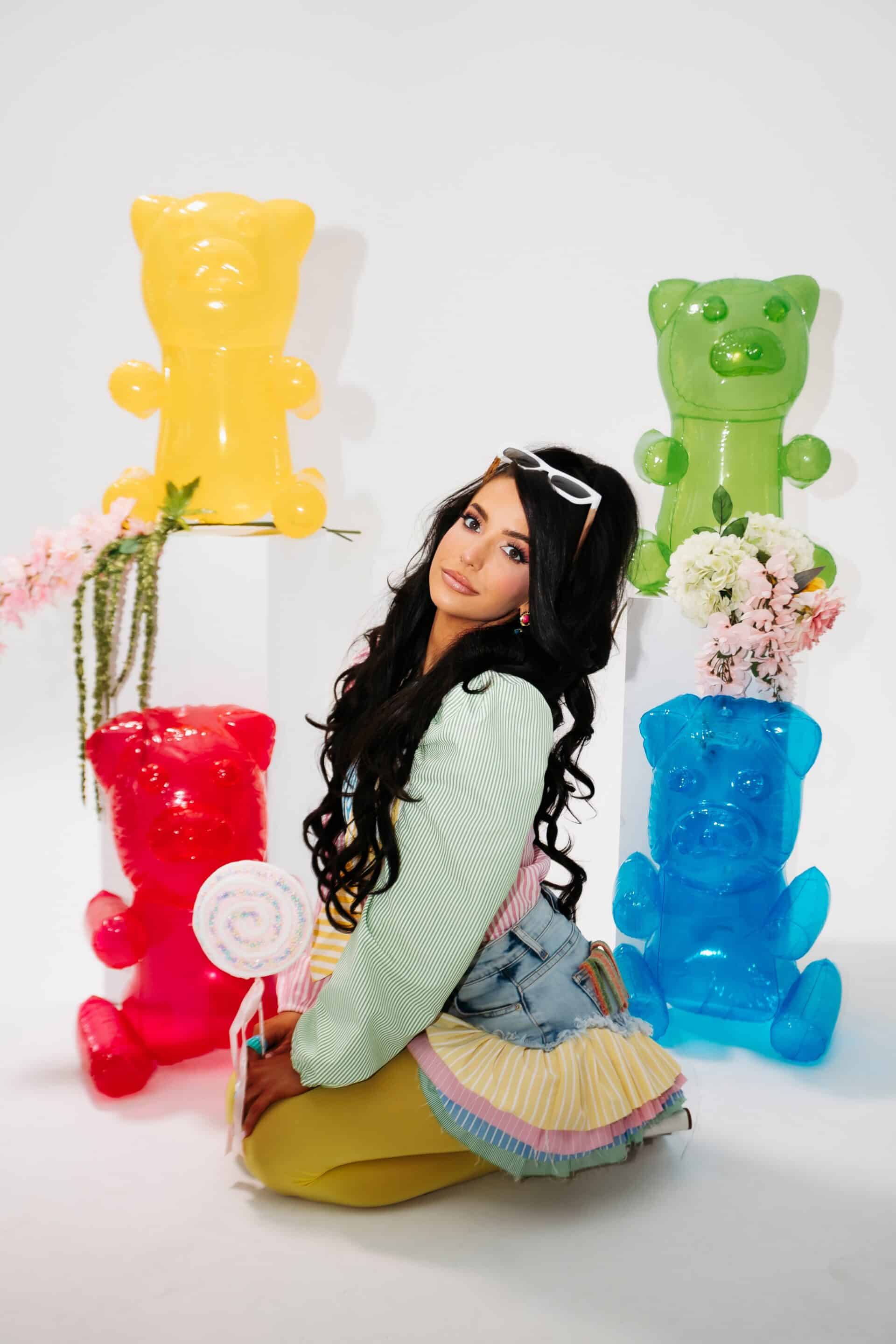
Beauty and skincare are a big part of your content, but there’s also humor and raw honesty. How do you balance aspiration with authenticity?
Beauty and skincare are fun, but they’ve never been the reason people follow me.
If all I did was show perfect makeup, perfect skin, and perfectly curated photos, I KNOW my audience wouldn’t connect with me the way they do.
I’ve always tried to show both sides.
I’ll share the full glam, but I’ll also show myself crashing out, running late, or having absolutely no idea what I’m doing—ever—while getting to that finished result.
There’s a strong connection between your audience and your personality. Do you ever feel like you’re performing a version of yourself, or is it always fully you?
I think anyone who creates content is performing to some extent.
If I put a camera in front of you right now, you’re probably going to be a little different than you would be sitting alone on your couch. That’s just human nature.
The person you see online is genuinely me, just a version of me that’s aware a camera is on.
I think you’re seeing a real version of me, just not every version of me!
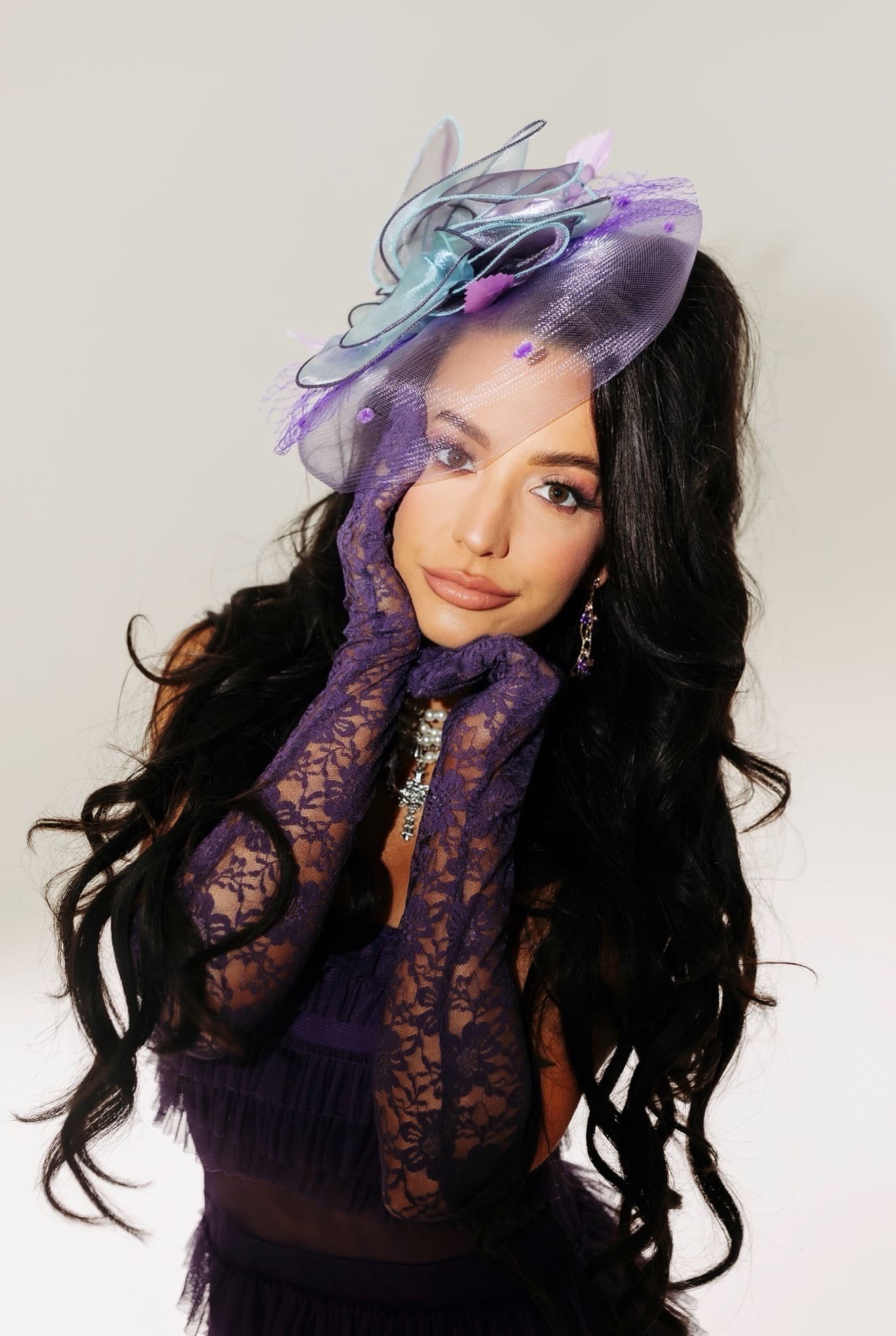
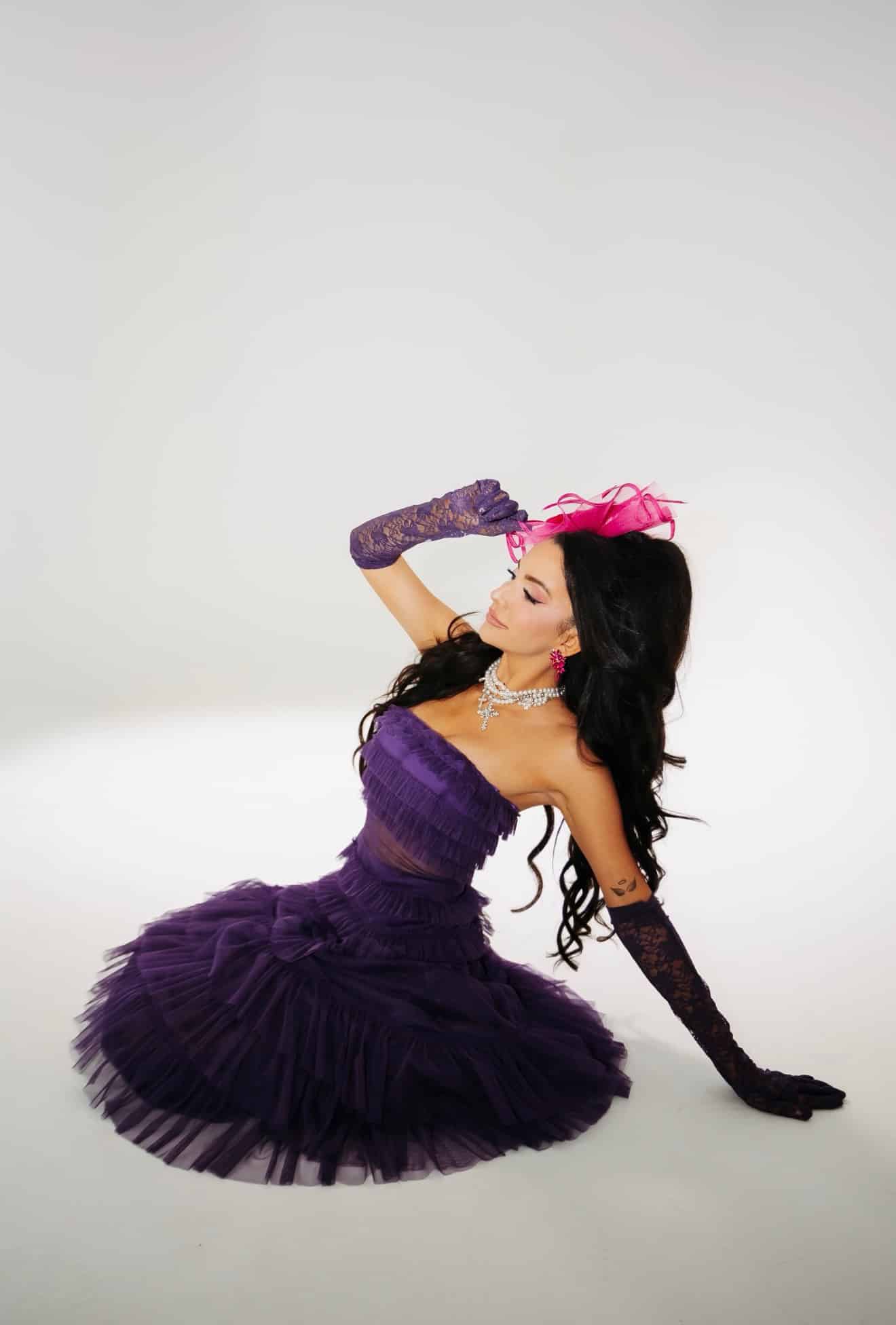
Your love for country music and pop culture adds another layer to your identity. How do those influences shape the tone and storytelling of your content?
Pop culture has shaped the way I tell stories more than people probably realize.
I don’t just want to tell people what happened, I want them to feel like they’re sitting next to me while I’m telling the story!
Whether it’s reality TV—my fav—celebrity news, or a viral trend that everyone is talking about, they give people something familiar to relate to and laugh about together.
Social media moves incredibly fast—trends, formats, expectations. How do you avoid becoming reactive and instead stay intentional with what you create?
In the beginning I felt a lot more pressure to jump on every trend, sound, and format because I was afraid of being left behind.
But now, if a trend fits my personality or gives me a fun way to tell a story, I’ll use it.
I’d rather create content that strengthens that relationship than chase every viral moment just because everyone else is doing it.
Trends are temporary, but your relationship with your audience is long term.
With millions of followers watching your daily life, how has your relationship with privacy changed over time?
I’ve definitely had to learn this one the hard way!
When I first started creating content I was definitely an oversharer, and at the time it felt natural because social media felt a lot more intimate. It was not as oversaturated as it is today.
By now I’ve learned that authenticity and privacy can coexist.
I’m much more intentional about what I share. I’ve also become more protective of the people in my life who didn’t choose to have a public platform.
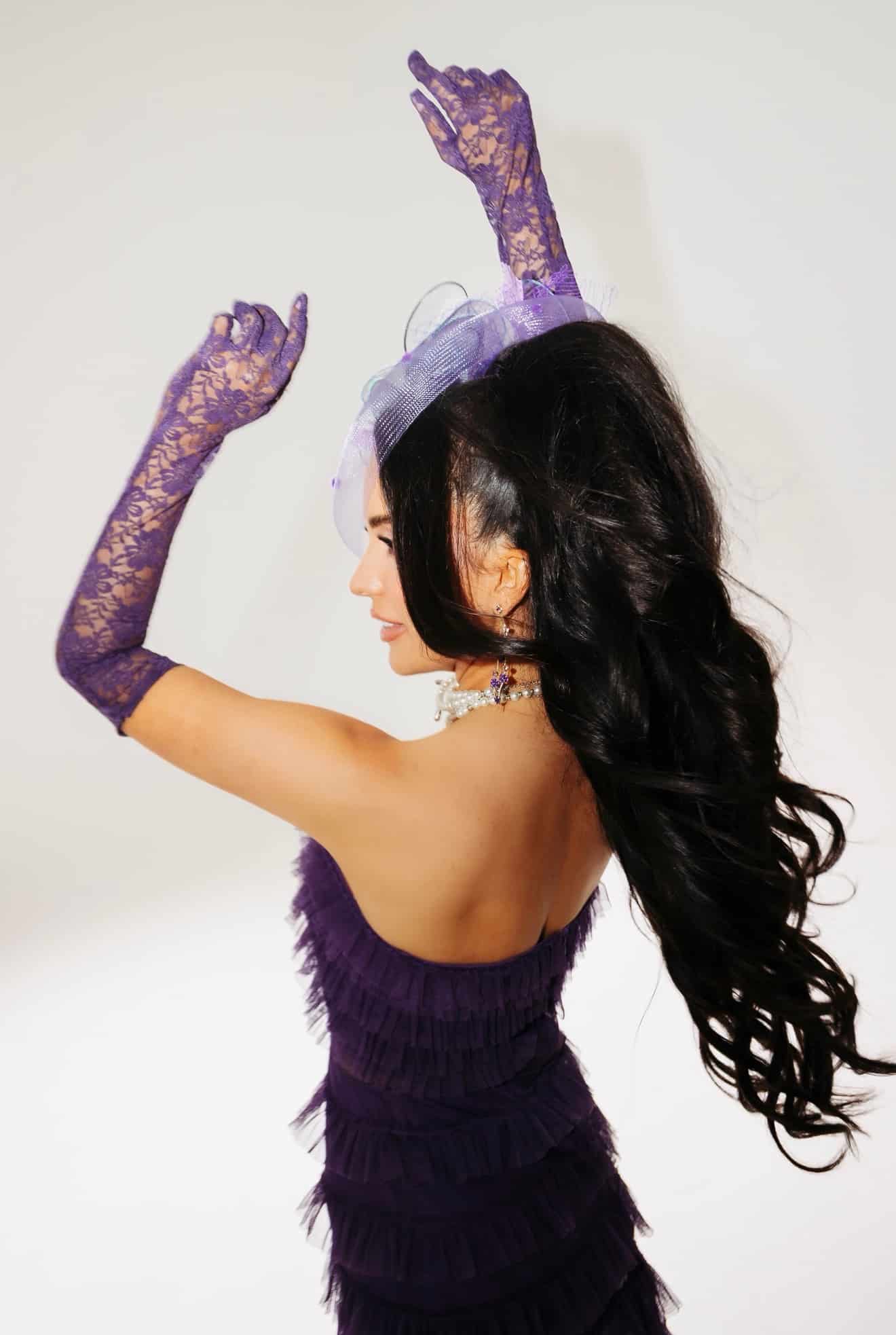
There’s often an emotional undercurrent in your content, even when it’s light or funny. How important is vulnerability to the way you connect with your audience?
Some of the moments that have connected most deeply with people were the ones where I stopped trying to have the perfect thing to say.
I think humor and vulnerability actually go hand in hand.
Some of the funniest stories come from embarrassing moments, insecurities, mistakes, heartbreak, or situations that felt awful in the moment but became easier to laugh about later.
That’s kind of how I navigate life in general.
Someone might not relate to the exact situation I’m sharing, but they might relate to the feeling behind it.
If someone discovered Kristi Howard for the first time through a single video, what would you want them to feel—or understand—about you beyond the screen?
I’d want them to be entertained while also feeling seen.
I’ve always been the jokester, the person making my friends laugh or trying to lighten the mood in a room. It almost feels like it was assigned to me in my DNA.
Beyond making people laugh, I’ve always hoped my content could be impactful.
If someone leaves one of my videos feeling understood, inspired, or even just a little better than they did before they watched it, then I’ve done my job!
The internet can make it seem like everyone else has life figured out or is doing everything perfectly, but the truth is we’re all navigating life for the first time. 🙂
There is an inherent contradiction in making a career out of being yourself.
The more audiences connect with a personality, the more they naturally want to know. The more successful the creator becomes, the easier it is for daily life to turn into material. Eventually, even intimacy can begin looking like another content format.
Howard seems to have arrived at a healthier proposition.
Being authentic does not require being completely available.
A person can talk publicly about anxiety while protecting other struggles. They can film a day in their life without turning their entire life into footage. They can make millions of people feel like friends without forgetting which relationships actually exist when the phone is put away.
Perhaps that is part of why Howard’s version of relatability works.
She is not asking viewers to believe that they know everything about her.
She is simply willing to admit the parts many people recognize in themselves: the anxiety, the avoidance, the grief, the chaos, the full glam after an unnecessarily stressful afternoon, the joke made because sometimes making the room laugh is how you survive being in it.
The polished image and the breakdown can belong to the same person.
The viral creator and the human being feeding her cats after logging off can too.
And in a culture that increasingly treats visibility as proof of authenticity, Howard’s most interesting lesson may be the one she learned after years of oversharing:
You can let people see you without giving them all of you.