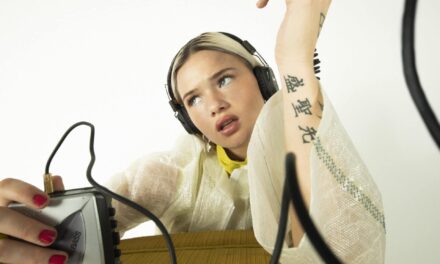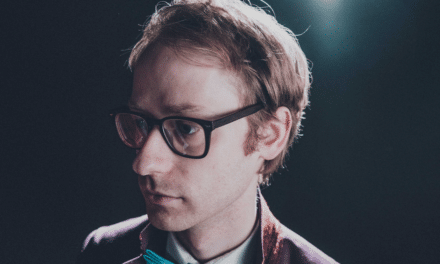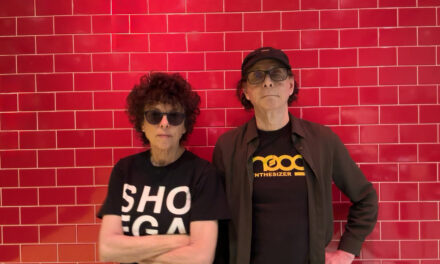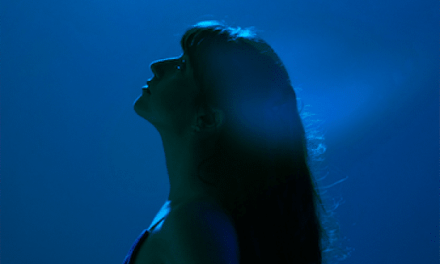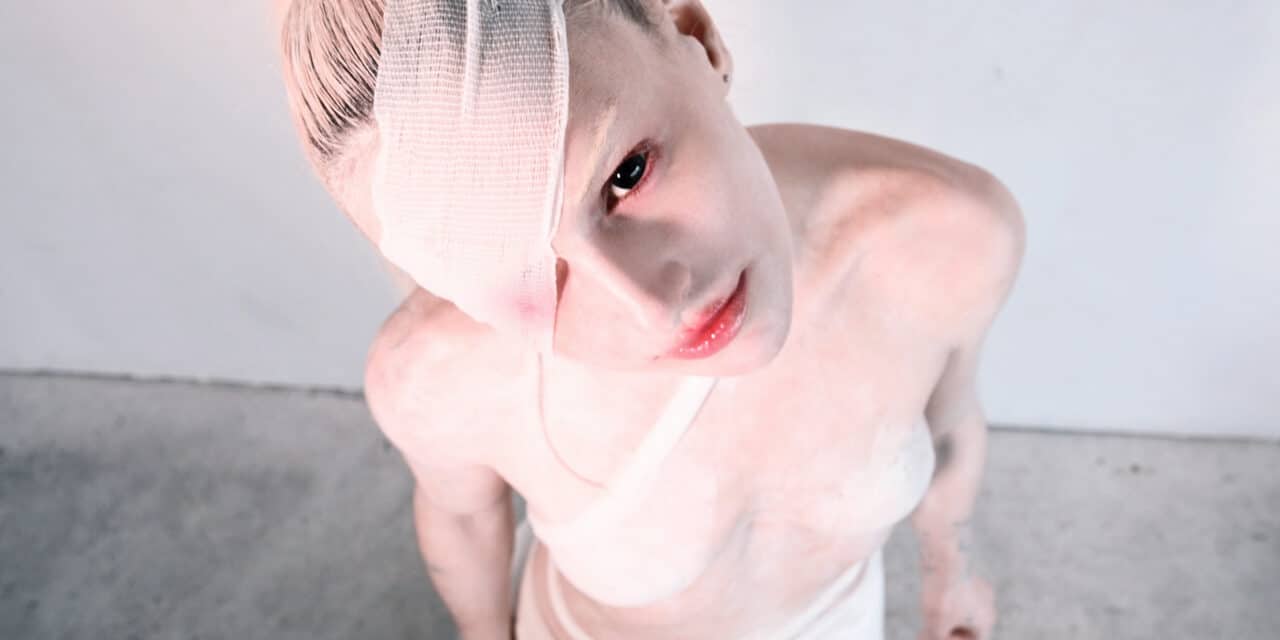
With “bite,” Montreal experimental pop artist SUUNCAAT slips deeper into the shadows, creating a track that feels less like a club anthem and more like an internal monologue whispered through industrial basslines and fractured nightlife imagery. Rooted in phonk-inspired minimalism but charged with hyperpop tension, the single explores club culture not as pure escapism, but as a psychological environment — one built equally on overstimulation, invisibility, performance, and restraint.
The result is hypnotic and strangely intimate. “bite” rejects excess while standing directly inside it, turning the dancefloor into a place of observation rather than surrender. It’s a track that pulses with contradiction: seductive but distant, chaotic but controlled, raw but meticulously constructed.
Ahead of her upcoming live debut in Tokyo, SUUNCAAT spoke with us about solitude in crowded spaces, mythology as identity, resisting easy consumption, and why contradiction feels like the only honest way to make art right now.
Q: “bite” frames the club not as pure escapism, but almost as a test of restraint. What fascinates you about remaining emotionally detached inside environments designed for excess?
SUUNCAAT:
There’s something powerful about being able to stand in the heart of chaos without letting it consume you. I love music and DJ sets, and I think they can actually be very private, meditative experiences. A lot of mainstream nightlife culture now feels uncanny and performative to me, like people are expected to completely self-destruct in order to prove they’re having fun.
I’m more interested in getting close enough to the abyss to understand it without letting it eat me alive. Standing my ground while staring the dragon in its face makes me grow somehow. It’s probably about confronting fear. There’s also this weird telepathic thing that happens when you’re hyper-aware in those environments, especially with the DJ.
Q: The repeated line “I’m only gonna have a bite” feels like both a mantra and a warning. What does moderation mean to you in spaces built around indulgence?
SUUNCAAT:
My body honestly rejects most substances. If I actually surrendered to basic excess, I’d end up bedridden for days. For a while that felt socially alienating, but over time I realized excess in any form is usually a cope.
It sounds cliché, but I want to experience beauty, intensity, pleasure — without needing to hurt my mind or body in the process. I guess physical and mental health are a nice reward for restraint.
Q: You describe yourself as more spectator than participant inside club culture. Does observing from the margins allow you to see things more clearly?
SUUNCAAT:
Absolutely. Once you stop trying to belong, you notice the choreography of people. Their little patterns and rituals, the order inside chaos. You hear the music and see what it does to them. It’s beautiful and emotional and artistic.
Also, when you’re invisible, there are no social hoops to jump through. It’s like walking around naked in your apartment.
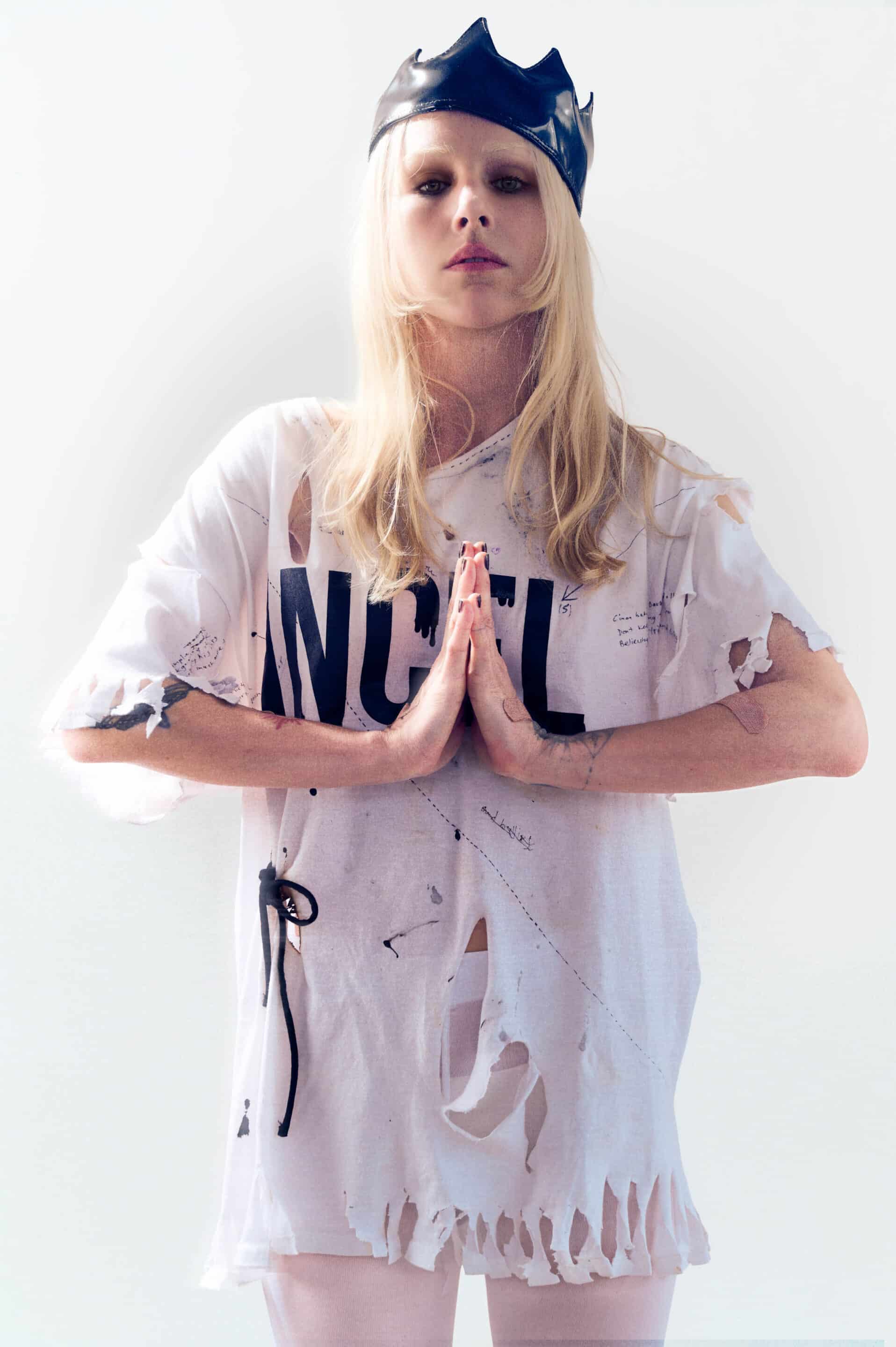
Q: Your music constantly balances minimalism and maximalism — calmness against overstimulation, whispers against industrial noise. Are you consciously chasing contradiction?
SUUNCAAT:
I think contradiction is just the most honest way to represent being alive right now. Nothing feels singular anymore. My art is generally slightly cursed because perfection feels sterile to me. I need tension inside things for them to feel real, unstable enough that they could collapse at any second.
Q: SUUNCAAT feels less like a persona and more like an evolving mythology. What draws you to creating hidden worlds instead of presenting a fixed identity?
SUUNCAAT:
SUUNCAAT is a controlled hallucination where I can create my own symbols, rules, and physics. I’ve never believed identity was fixed anyway. Human beings mutate constantly depending on fear, desire, environment, memory.
Characters allow me to externalize parts of myself without reducing everything into one personality.
Q: From technical violin training to Montreal’s punk and electronic underground, your influences are wildly expansive. At what point did genre stop feeling useful to you?
SUUNCAAT:
Genre always felt more administrative than artistic to me. I grew up listening to completely different kinds of music at once. The artists I admire most are the ones who can shift aesthetics while remaining themselves.
Q: There’s a strong sense of physical atmosphere in your music — fog, shadows, movement, tension. Do visuals shape the sound before songs even exist?
SUUNCAAT:
They usually arrive together and interact with each other. Sometimes I’ll already see textures or environments before I fully understand the song itself. But a lot of the atmosphere actually comes from tiny details I add near the end of the process — little “air candy” sounds and textures people don’t consciously notice, but hopefully physically feel.
Q: Going alone to Fabric inspired “bite.” What does solitude reveal inside crowded spaces?
SUUNCAAT:
That honestly wasn’t an isolated event. I prefer going places alone most of the time because you can think properly. I love people, but I always need a lot of thinking time.
Q: Your work feels resistant to easy consumption while still hypnotic and seductive. Do you want listeners to fully understand your world, or simply get lost inside it?
SUUNCAAT:
The work is actually more direct than people assume. A lot of what I’m expressing is emotionally transparent, universal stuff. It’s just filtered through symbols and imagery instead of literal explanations because it’s more fun and it’s how I organize my thoughts.
If people want to deeply decode it they can, but I also like when someone instinctively “gets it” without needing every answer.
Q: With your live debut in Tokyo approaching, what do you hope people experience when they step into the universe of SUUNCAAT for the first time?
SUUNCAAT:
I want it to feel immersive enough that people temporarily forget the outside world. We’re opening the door to a universe that, if you tap into it, will leave you emotionally altered.
Debuting in Tokyo feels surreal and serendipitous because Tokyo has always felt like the most obvious first choice culturally in terms of how naturally it aligns with my art and the worlds I like to create. I already feel very connected to my Japanese audience, so I honestly can’t wait to finally meet them in real life.