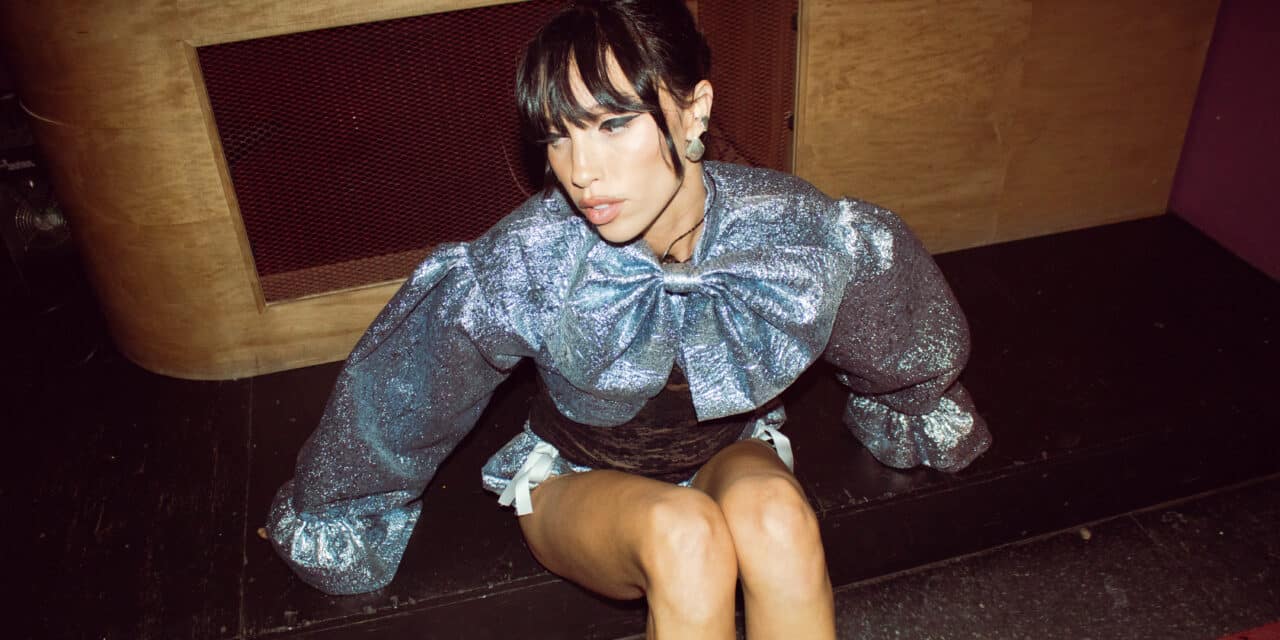
With “Red Light” and “Movie Star,” the Detroit-born, Los Angeles-based singer, songwriter and producer completes her debut album by tracing the distance between knowing you need to choose yourself and finally feeling at home with that choice.
For Syd Taylor, becoming a solo artist wasn’t simply about making music without a band.
It meant learning how to make a decision without waiting for somebody else to tell her it was the right one.
After spending a decade in Stereo Jane alongside her twin sister Emilia Paige, Taylor entered the making of her debut album After the Fact without the creative structure that had defined most of her musical life. Suddenly, questions that had once been shared — what a song should sound like, whether a production was finished, which direction to follow — belonged entirely to her.
“That was terrifying but also so freeing,” Taylor says.
Released last year, After the Fact documented that transition through songs about isolation, identity and the uncomfortable process of becoming honest with yourself. Now Taylor is returning to the record with its deluxe edition, arriving October 9 and featuring two final songs: “Red Light” and “Movie Star.”
Rather than feeling like leftovers appended to a completed record, the songs function almost like emotional bookends.
“Red Light” captures the moment when Taylor knew something had to change.
“Movie Star” captures what happened after she changed it.
“They really show the beginning and the end of the emotional journey I was on while making the album,” she explains.
If After the Fact was about discovering Syd Taylor, its final form finds her beginning to trust the person she discovered.
Learning to Steer
“One of the biggest things I’ve learned is how much I can trust myself,” Taylor says.
It sounds simple. For someone who had spent ten years creating within a partnership, it wasn’t.
“When I was making this album, I was still learning who Syd Taylor even was. I had spent so much of my life leaving the decision making to the people around me, and suddenly every decision was mine.”
The experience forced Taylor to distinguish between having instincts and actually following them.
Interestingly, discovering what she liked wasn’t necessarily the hardest part.
“Once I started following my gut creatively, something really clicked, and that part actually felt pretty easy.”
The more difficult question was knowing when to stop asking for reassurance.
As Taylor began producing independently, she found herself wondering whether songs were finished, whether the production sounded professional enough and whether someone with greater technical knowledge might make different choices.
“I had never finished a production completely on my own before, so I was constantly questioning whether it was good enough or professional enough to release.”
Eventually, After the Fact taught her something that extended far beyond production.
“At some point you have to stop looking for someone else to tell you it’s right and trust that if it feels right to you, that’s enough.”
The Urgency of “Red Light”
That instinct is particularly audible on “Red Light.”
Where much of After the Fact examines vulnerability and isolation from within, “Red Light” feels like motion. Its guitar-driven production carries frustration, aggression and the sense that remaining still is no longer possible.
“I think ‘Red Light’ has an anger and urgency to it that I hadn’t really tapped into on the rest of the album,” Taylor says.
“I was frustrated and I felt like I needed to get out, and I wanted the production to feel like that too.”
The guitars became more than decoration. They gave Taylor a vocabulary for an emotional state that required something rougher around the edges.
It also brought her back toward music she had always loved.
“I grew up loving rock music, so leaning more heavily into that side of myself felt really good.”
That rediscovery matters because one of the clearest lessons Taylor has taken from becoming a solo artist is that Syd Taylor doesn’t necessarily need a narrowly defined sound.
“I love rock music, I love pop music, I love getting weird, I love writing really vulnerable songs.”
For Taylor, coherence comes less from genre than authorship.
“I think Syd Taylor can be all of those things, and as long as I’m the one steering the ship, I know it will always feel like me.”
Making Music the “Wrong” Way
Producing her own work has become central to that process.
Taylor doesn’t see production as the technical stage that follows songwriting. A guitar tone, strange texture, vocal treatment or empty space can carry narrative information just as effectively as a lyric.
“Production can completely change the way a lyric makes you feel.”
Sometimes the production comes first.
“I’ll even start with production before I have any lyrics and let the sound tell me what the song should say.”
Making After the Fact became its own education. Taylor was producing a full album for the first time and admits that she was probably doing plenty of things the “wrong” way.
But not knowing every conventional rule may have been an advantage.
“I followed my ears and let them make decisions for me instead of approaching things from the mind of someone who was super well versed in the actual programming side of it.”
The result was something difficult to manufacture deliberately: specificity.
“I think that ended up being part of what made the songs feel even more like me.”
Technical knowledge can teach an artist how something is supposed to be done. Taylor’s process allowed her to discover how she wanted to do it.
“Producing became just as much a part of the storytelling as writing the actual song.”
Understanding Things After They Happen
The album’s title has only become more appropriate with distance.
Taylor describes much of After the Fact as writing in real time — attempting to understand experiences while still living inside them.
But survival and understanding are not always simultaneous processes.
“Sometimes when you’re in the middle of something, you’re just trying to get through it,” she says. “You don’t always have the perspective to understand why you’re feeling the way you are.”
Songs can capture emotions before their author completely understands what they mean.
“It wasn’t until I had some distance from it that I could look back and understand what I was actually going through.”
Hence After the Fact.
The deluxe edition makes that idea even more literal.
“Red Light” represents urgency — the realization that Taylor needed to choose herself. “Movie Star,” written later, comes from the emotional landscape on the other side.
“‘Movie Star’ came later, when I was on the other side of that decision and finally felt safe and happy with where my life was going.”
They were the final two songs she wrote for the record.
Now they are the final two pieces listeners get to hear.
“In a way, they complete the story for me.”
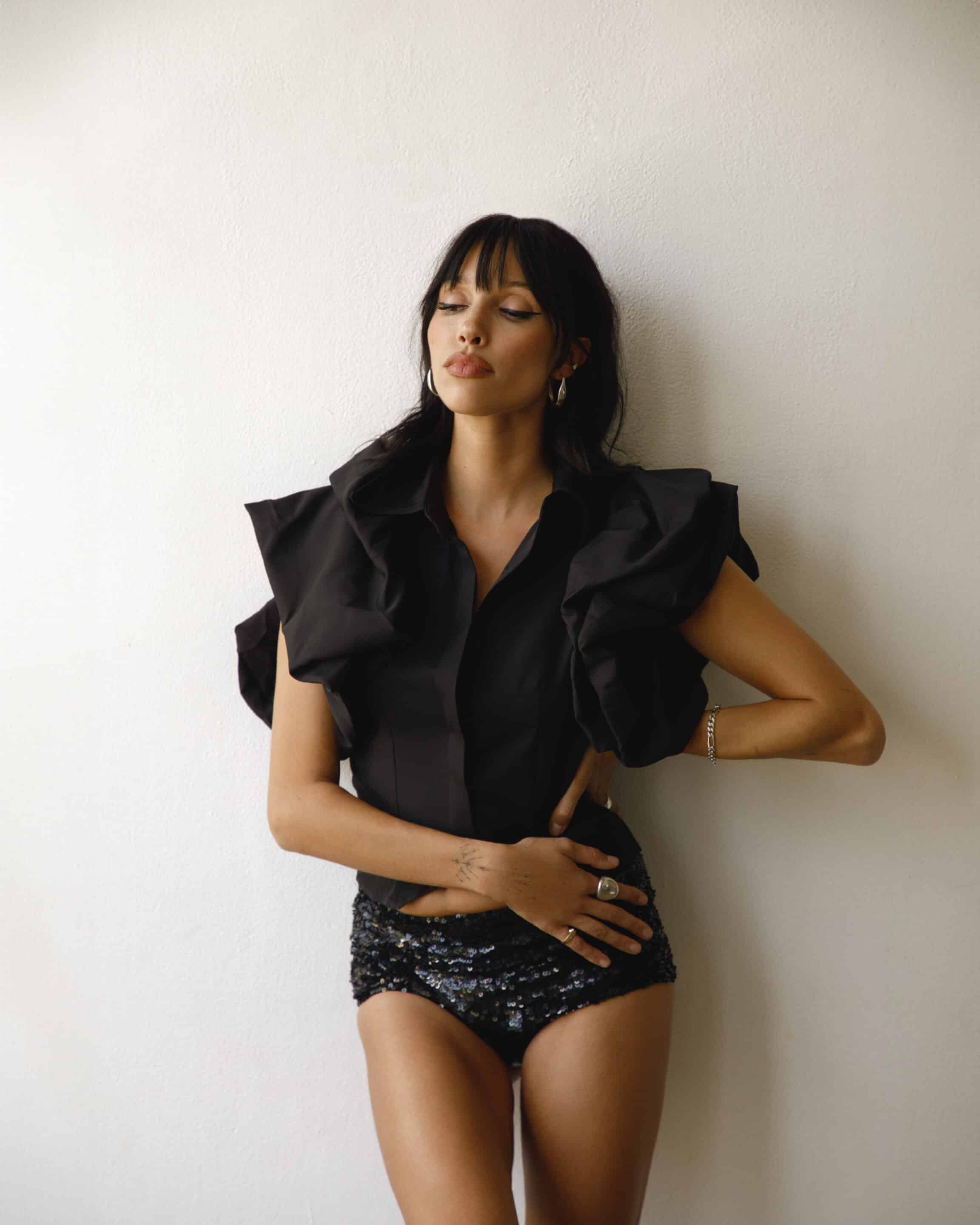
Building the World Around Syd Taylor
Finding a solo identity has also meant reconsidering everything surrounding the music.
For ten years, Taylor’s visual identity had to represent two people.
“For so long, I was part of something where every creative decision had to represent two people, and a lot of compromise had to be made since my sister and I are so different.”
As Syd Taylor, there is no longer a need to find the midpoint.
“Now I get to build an entire world that feels completely like me.”
For the “Red Light” visual, Taylor collaborated with director Aislyn Murray, whose work helped translate the song’s emotional urgency into a cinematic language.
Taylor increasingly sees fashion, photography, movies and imagery from different eras as part of the same creative practice as songwriting and production.
“I love pulling inspiration from different eras, movies, fashion, photography, and finding ways to bring all of that into the music.”
The process has been surprisingly reciprocal.
The visuals aren’t simply showing audiences who Syd Taylor is. They’re helping Taylor discover her, too.
“I think the visuals have helped me figure out who I am just as much as the music has!”
When Isolation Becomes Connection
Perhaps the strangest transformation came after the songs were released.
Much of After the Fact originated in experiences Taylor understood as intensely personal. Isolation is, by definition, something that convinces us our experience belongs only to us.
Then strangers started singing those experiences back to her.
“I never really thought about other people hearing themselves in them,” Taylor says.
Touring changed that.
Listeners began approaching her after shows and explaining what particular songs meant to them or how they had helped them through experiences of their own.
Suddenly, memories Taylor had associated with loneliness were producing the opposite feeling.
“Something that once felt really isolating became the thing connecting me to so many people.”
Those interactions haven’t erased the circumstances behind the songs. They have changed what those circumstances can mean.
“It almost gave those experiences a new purpose.”
Detroit, Los Angeles and the Space to Become Someone Else
Taylor’s transformation also exists geographically.
Born in Detroit and now based in Los Angeles, she moved west when she was young enough that California became part of the environment in which she grew up.
“Being away from home gave me the space to discover so much music, meet so many different kinds of artists, and start figuring out what I actually liked for myself.”
But she doesn’t frame reinvention as simply escaping one place for another.
“I think becoming who I am was less about needing to leave one place for another, and more about finally giving myself the space to figure out who I was outside of everything I had always known.”
That idea of space runs throughout After the Fact.
Space from a former creative structure.
Space from other people’s expectations.
Space from an experience before trying to understand it.
Space to make something incorrectly.
Space to choose yourself.
And eventually, space to discover what comes next.
After After the Fact
A deluxe edition often functions as an epilogue.
For Taylor, this one also sounds like a bridge.
“Red Light” opens a more aggressive, guitar-heavy possibility that she already knows she wants to explore further. The freedom she found producing the record has made experimentation less intimidating. Most importantly, she now has something she didn’t possess when she began making her debut: a reference point for herself.
“The coolest part about the first album is that it sets a standard and a base point for the next.”
When Taylor enters a room with a new collaborator, she no longer has to explain Syd Taylor entirely in abstract terms.
“When I’m working with new producers, I have something to point to that shows who I am!”
But that doesn’t mean repeating the debut.
She is beginning to imagine album two, and the guiding principle appears to be the same instinct that eventually allowed album one to exist.
“I know I want to keep following whatever excites me and not be afraid to get a little weird with it.”
Perhaps that is what After the Fact ultimately gave her.
Not a permanent definition of Syd Taylor.
Something more useful: permission to keep defining her herself.
In Conversation with Syd Taylor
After the Fact was described as a life-changing project in which you explored your identity and began claiming your own voice after a decade in Stereo Jane. Now that you’ve had some distance from the album, what do you understand about Syd Taylor as an individual artist that you couldn’t have known while making it?
One of the biggest things I’ve learned is how much I can trust myself. When I was making this album, I was still learning who Syd Taylor even was. I had spent so much of my life leaving the decision making to the people around me, and suddenly every decision was mine. That was terrifying but also so freeing. Now that I’ve lived with the album and toured it, I feel so much more confident in what I like and what I want to say.
I’ve also realized that I don’t have to fit into one specific box. I love rock music, I love pop music, I love getting weird, I love writing really vulnerable songs. I think Syd Taylor can be all of those things, and as long as I’m the one steering the ship, I know it will always feel like me.
The deluxe edition adds “Movie Star” and “Red Light” rather than simply closing the chapter after the original release. What did these two songs reveal about the album—or about yourself—that made you feel the story wasn’t completely finished yet?
These two songs really show the beginning and the end of the emotional journey I was on while making the album. “Red Light” came from this feeling of urgency, knowing I needed to make a change and finally choose myself. “Movie Star” came later, when I was on the other side of that decision and finally felt safe and happy with where my life was going.
They were also the last two songs I wrote for the album, so it felt right that they would eventually be the ones to close out this chapter. In a way, they complete the story for me!
“Red Light” introduces a striking guitar-driven energy to this expanded version of the record. What did leaning into that sound allow you to express emotionally that perhaps the original tracklist didn’t?
I think “Red Light” has an anger and urgency to it that I hadn’t really tapped into on the rest of the album. The guitars made it feel a little more raw and aggressive, which felt really natural for what I was writing about. I was frustrated and I felt like I needed to get out, and I wanted the production to feel like that too.
I also grew up loving rock music, so leaning more heavily into that side of myself felt really good. It’s definitely something I want to explore more moving forward.
After the Fact was created around honesty, isolation and self-discovery. There’s something interesting about only fully understanding an experience after the fact—once you’ve survived it and can look backward. Are you someone who needs distance before you can understand what you’re actually feeling?
Absolutely!! I think sometimes when you’re in the middle of something, you’re just trying to get through it. You don’t always have the perspective to understand why you’re feeling the way you are.
A lot of this album was me writing in real time and trying to make sense of what was happening in my life. It wasn’t until I had some distance from it that I could look back and understand what I was actually going through. I guess that’s why After the Fact ended up being such a fitting name for the album!
You spent ten years creating alongside your twin sister Emilia Paige in Stereo Jane. When you began making music alone, what was more difficult: discovering your own creative instincts or trusting yourself enough to follow them without having another person there to validate them?
I think it was more about trusting myself, but maybe in a different way. Once I started following my gut creatively, something really clicked, and that part actually felt pretty easy. We had spent so much of our lives with people around us telling us what we should be doing, so I don’t think I had ever really had the opportunity to fully trust my own instincts.
The hardest part for me was knowing when something was actually finished. I had never finished a production completely on my own before, so I was constantly questioning whether it was good enough or professional enough to release. I think making this album taught me that at some point you have to stop looking for someone else to tell you it’s right and trust that if it feels right to you, that’s enough.
Being a songwriter and producer gives you considerable control over how your emotions eventually reach the listener. Has producing your own work become another form of storytelling for you—where a guitar tone, vocal treatment or moment of silence can communicate something the lyrics don’t?
Absolutely. I think production can completely change the way a lyric makes you feel. I love finding weird sounds or guitar tones that add another layer to what I’m trying to say. Sometimes I’ll even start with production before I have any lyrics and let the sound tell me what the song should say.
It was really interesting producing an album for the first time because I was learning while I was doing it, and most likely doing a lot of things the “wrong” way. I followed my ears and let them make decisions for me instead of approaching things from the mind of someone who was super well versed in the actual programming side of it.
I think that ended up being part of what made the songs feel even more like me. Producing became just as much a part of the storytelling as writing the actual song.
Aislyn Murray directed the visual for “Red Light,” bringing a strong cinematic language to the song. As you establish Syd Taylor outside of Stereo Jane, how important have visuals become in defining who this artist is beyond the music itself?
Visuals have become so important to me. For so long, I was part of something where every creative decision had to represent two people, and a lot of compromise had to be made since my sister and I are so different. Now I get to build an entire world that feels completely like me.
I love pulling inspiration from different eras, movies, fashion, photography, and finding ways to bring all of that into the music. Working with Aislyn on “Red Light” was so much fun because she really understood the world I wanted to create. I think the visuals have helped me figure out who I am just as much as the music has!
There can be a strange contradiction in making deeply personal work: songs born from isolation eventually become public and belong to thousands of strangers. Has seeing listeners connect with After the Fact changed your relationship with experiences that once felt incredibly private?
Definitely. I think when I wrote these songs, the experiences felt so specific to me that I never really thought about other people hearing themselves in them.
Once people started coming up to me after shows and telling me what a song meant to them or how it helped them through something in their own life, it almost gave those experiences a new purpose. It made me look at my songs in a different way.
Something that once felt really isolating became the thing connecting me to so many people. I think that’s been one of the most special parts of releasing this album.
Moving from Detroit to Los Angeles mirrors, in some ways, the larger reinvention happening in your music. Do you think geography has played a role in your transformation—has becoming Syd Taylor required finding a new environment as much as finding a new sound?
I definitely think my environment played a role in it. I moved to LA when I was really young, so in a lot of ways I grew up here and figured out who I was here.
Being away from home gave me the space to discover so much music, meet so many different kinds of artists, and start figuring out what I actually liked for myself. I think becoming who I am was less about needing to leave one place for another, and more about finally giving myself the space to figure out who I was outside of everything I had always known.
A deluxe album can function as an epilogue, but “Movie Star” and “Red Light” could equally feel like clues toward whatever comes next. As you prepare to finally close the After the Fact chapter, what parts of the person who made that record are you ready to leave behind, and what parts are becoming the foundation for your future?
So much of this album was about learning how to choose myself, and I think that’s something I’ll carry with me forever. I feel so much more confident in my instincts now, both as a person and as an artist.
I’m starting to figure out what the next album will sound like, but I know I want to keep following whatever excites me and not be afraid to get a little weird with it. The coolest part about the first album is that it sets a standard and a base point for the next. When I’m working with new producers, I have something to point to that shows who I am!