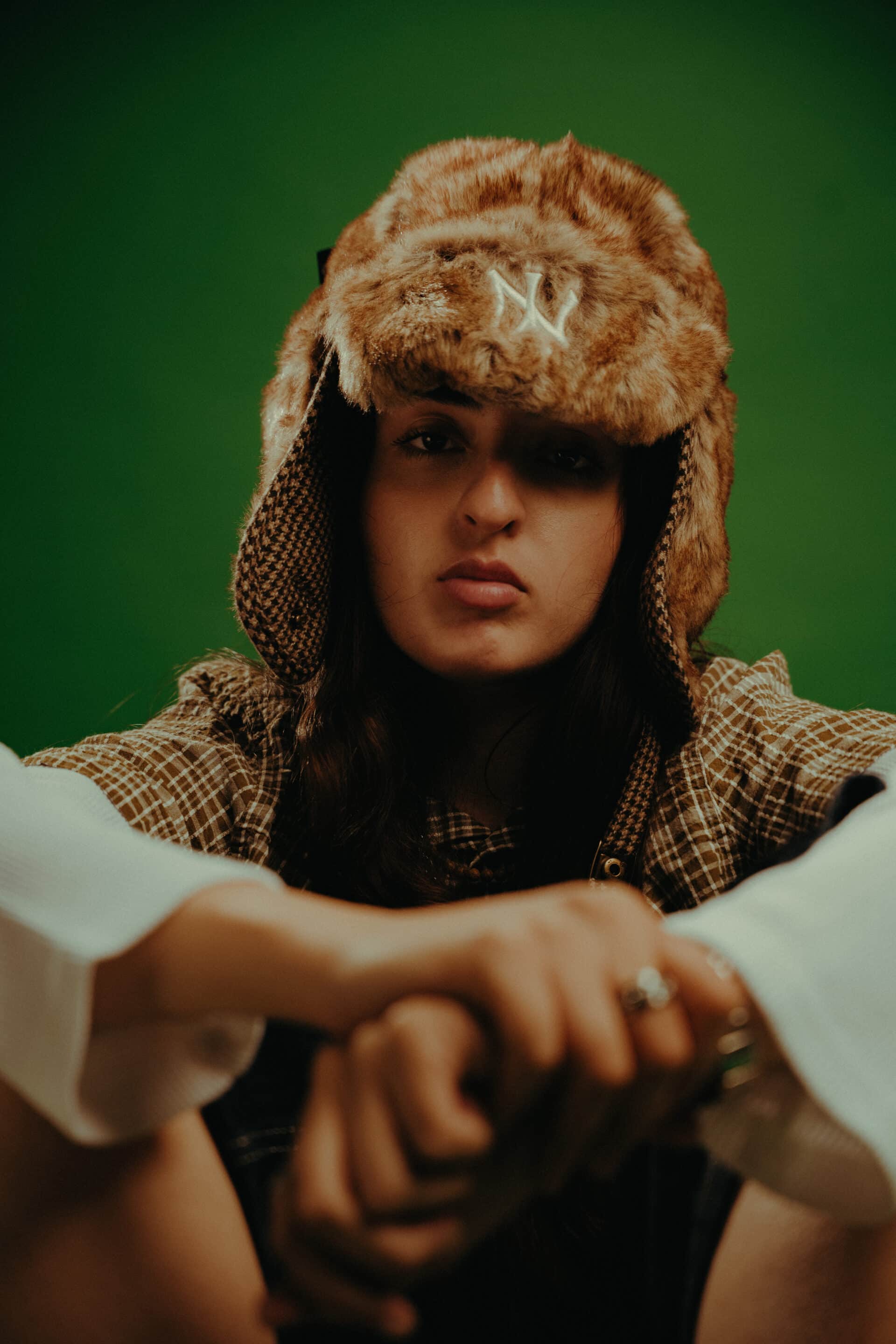
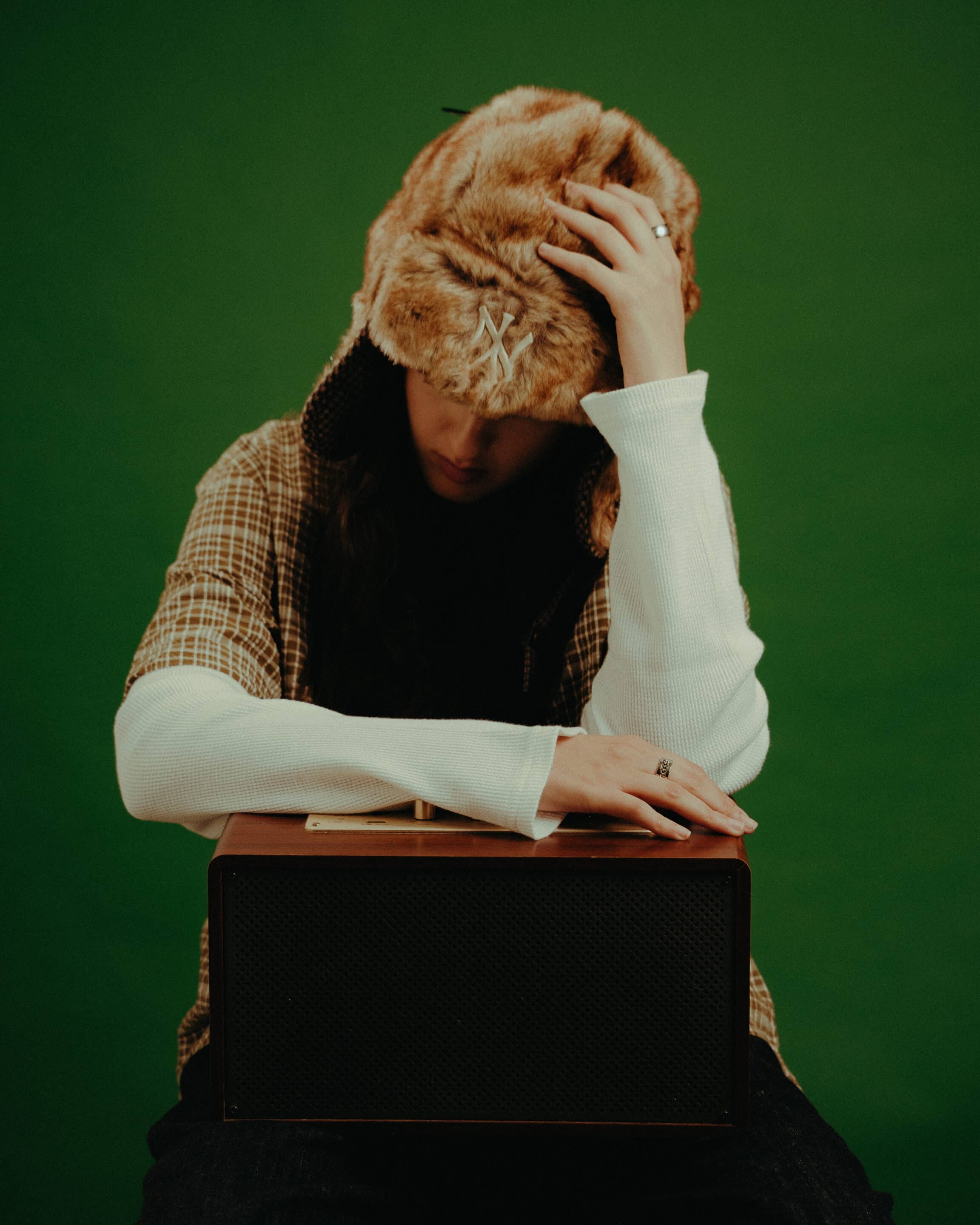
London-based alternative R&B-pop artist Tala Yunis is stepping into a new era with confidence, vulnerability, and a clearer sense of self. Born in Palestine, raised in Israel, and now based in London, Yunis carries multiple histories within her artistry, shaping music that feels deeply personal while resisting easy categorization.
Her new single “GOD’S FAVOURITE” introduces her sophomore EP All IN TIME, a project rooted in growth, cultural identity, heartbreak, sexuality, and creative persistence. Blending alternative R&B, bedroom-pop intimacy, acoustic textures, lo-fi production, and sub-heavy bass, the track captures the emotional whiplash of chasing something bigger: one day feeling unstoppable, the next questioning everything.
We spoke with Tala about confidence, instability, Palestinian representation, queer freedom, sonic evolution, and why timing may be the most important lesson of all.
“GOD’S FAVOURITE” feels both ironic and aspirational—confidence layered over vulnerability. What does that title mean to you emotionally?
The title honestly just sounded cool at first, but it also gives a glimpse into what the song actually means.
When you hear God’s Favourite, you expect something confident, maybe even a little flashy, but once you listen properly it dives into the complexities of constantly trying to reach higher and become more than you are.
It’s about chasing that feeling of being untouchable, almost as close to perfection as possible.
Because really, what’s greater than being the Almighty’s number one?
You describe the song as capturing the cycle of feeling unstoppable one day and defeated the next. Do you think that instability is part of the price creatives pay for believing in something bigger?
Definitely.
The modern industry is designed in a way that can make smaller creatives feel that instability constantly.
It’s not just about talent anymore. You have to be your own marketer, social media manager, influencer, event planner—everything.
Your worth ends up being measured through numbers like monthly listeners, and that creates this endless pressure to chase something bigger.
It makes you question everything.
Why should passion feel less achievable than a conventional job?
Why isn’t there more space in the world for people to genuinely build careers doing what they love?
Born in Palestine, raised in Israel, and now based in London—you carry multiple homes and histories at once. How has movement shaped the emotional language of your music?
For a long time I didn’t really touch on that part of my life because it brought a lot of controversy and made me feel like I had to hide it away.
But recently I released a song called “The Land,” which starts to explore more of my background, and I hope it’s just the beginning of me opening up more in my music.
I’m really proud of my Palestinian heritage, and I think there should be more representation of that within the industry.
Your story exists at a cultural intersection many people speak about politically but rarely hear through lived experience. Do you feel music allows you to humanize narratives that headlines cannot?
Music allows me to be unapologetically myself.
People are often surprised when they hear that I’m Palestinian and was born in Israel, because the conversation around those identities is usually so political and one-dimensional.
Through music, I can give people a more human perspective—one that the media doesn’t always show.
As an openly LGBT artist, you’ve spoken about becoming more comfortable with your sexuality and self-presentation. How has that personal freedom changed the sound of this new era?
It’s made me feel a lot more creatively free.
I’ve never felt more comfortable writing songs that are unapologetically for the girls—and the girls only.
I think I’ve become more genuine in the way I express myself, and you can hear that honesty and confidence in the music.
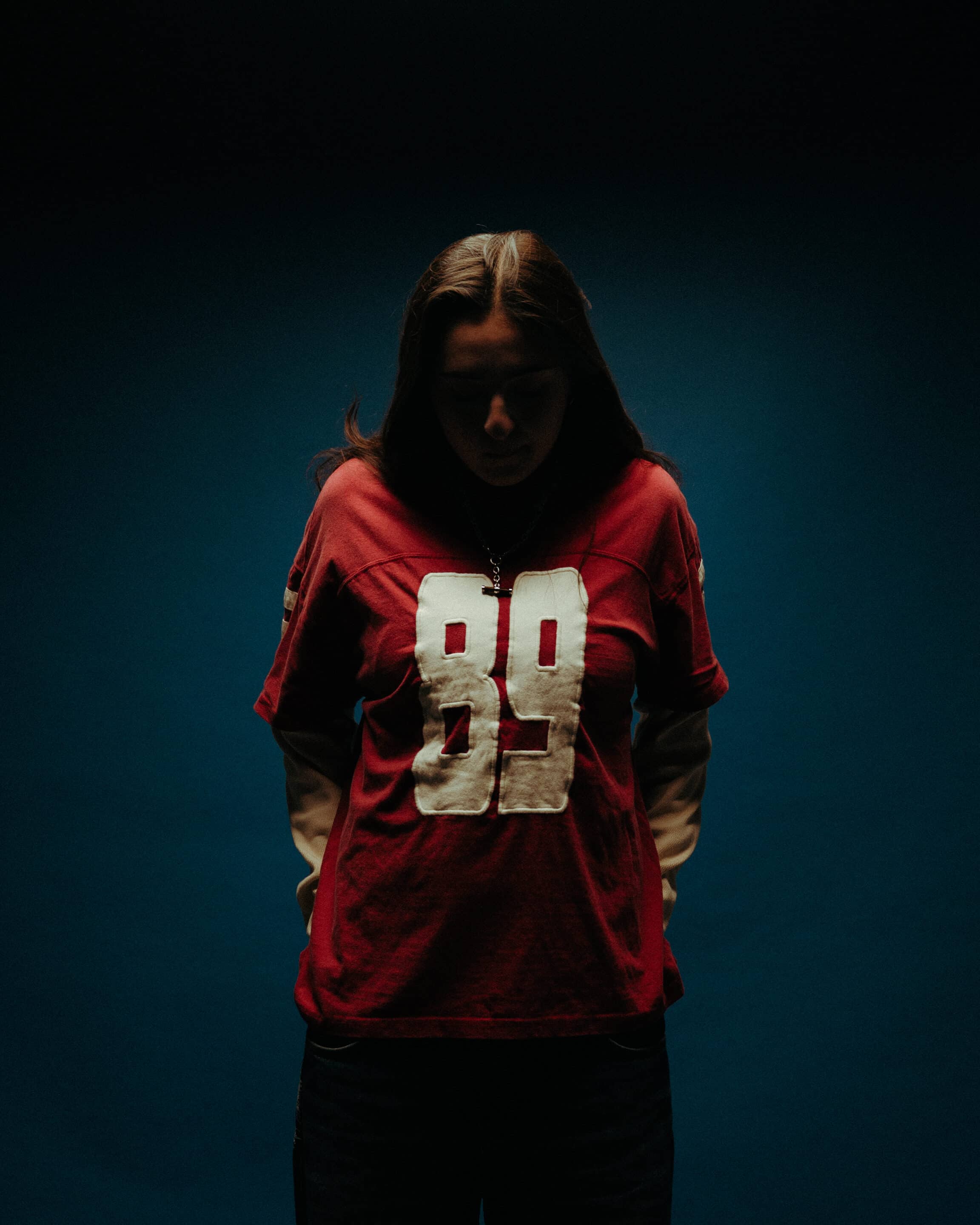
All IN TIME suggests patience, growth, and delayed arrival. Was making this EP an act of trusting timing after periods of doubt?
The EP is really a statement that everything comes in time.
While I was making it, I started realizing that even the difficult moments and setbacks happened for a reason, and all of those experiences led me toward creating this project.
It taught me to trust timing a lot more.
You mention moving away from indie sonics and reconnecting with the music you genuinely grew up on. What did returning to those sounds unlock creatively?
It unlocked a completely different side of me sonically that I didn’t even realize I had.
Returning to the music I genuinely grew up listening to made creating feel exciting and natural again.
At the end of the day, I just want to make music that I love without feeling boxed into one genre, because my taste has always been really varied.
Influences like 070 Shake, SZA, and Dominic Fike all blur vulnerability with confidence. Where do you see yourself within that lineage?
I think I relate to that balance a lot.
I feel confident in my journey, but there are still moments of vulnerability and insecurity underneath it all.
Those artists have all embraced that duality at different points in their careers, and I hope my music can continue to reflect as much of my authentic self as possible too.
There’s often pressure on emerging artists to package identity into something simple. How do you protect nuance in a world that prefers easy labels?
I think the artists who last the longest are usually the ones who stay true to themselves and allow themselves to evolve naturally.
The artists who get shaped into something they’re not often end up losing themselves in the process.
For me, it’s always about the music first.
Everything else can come later.
If this EP introduces a more mature and unapologetic version of Tala Yunis, what do you hope listeners feel when they meet her?
I hope listeners feel appreciated and loved, because fans are the backbone of every artist.
More than anything, I want people to connect with the music but also feel connected to me as a person too.