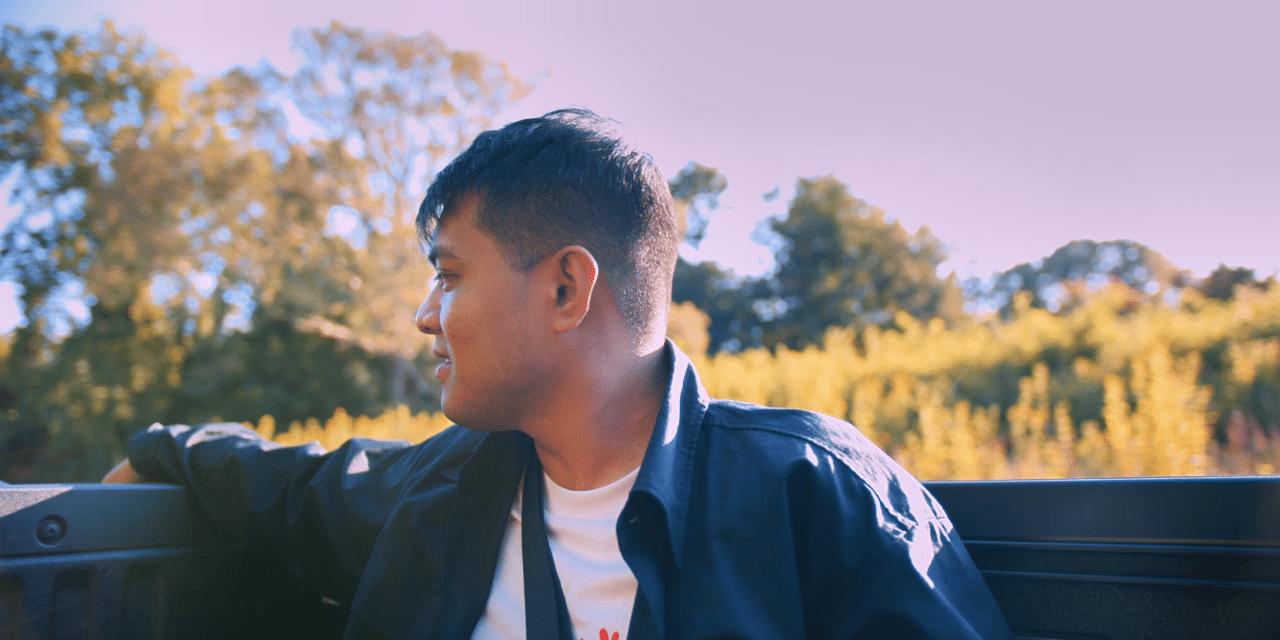
Electronic producer ZAYLE has never been particularly interested in fitting inside the boundaries of genre. Over the course of more than a decade producing music, the Northern California artist has steadily carved out a sound that blends lo-fi warmth, jazz improvisation, trap rhythms, and pop melodicism into something uniquely his own.
With the release of his new album The World is Pink, Change My Mind, ZAYLE takes that vision to its most fully realized form yet.
Released on March 6, 2026, the 13-track project introduces listeners to what he calls “Flower Bass” — a genre-defying sonic palette he has quietly been developing for years. The result is a record that feels cinematic, emotional, and immersive, equally comfortable drifting through dreamy lo-fi atmospheres or pulsing with trap-driven momentum.
At its core, the album is an exploration of perspective: how beauty can emerge from chaos, how nostalgia and futurism can coexist, and how electronic music can feel both intimate and expansive at the same time.
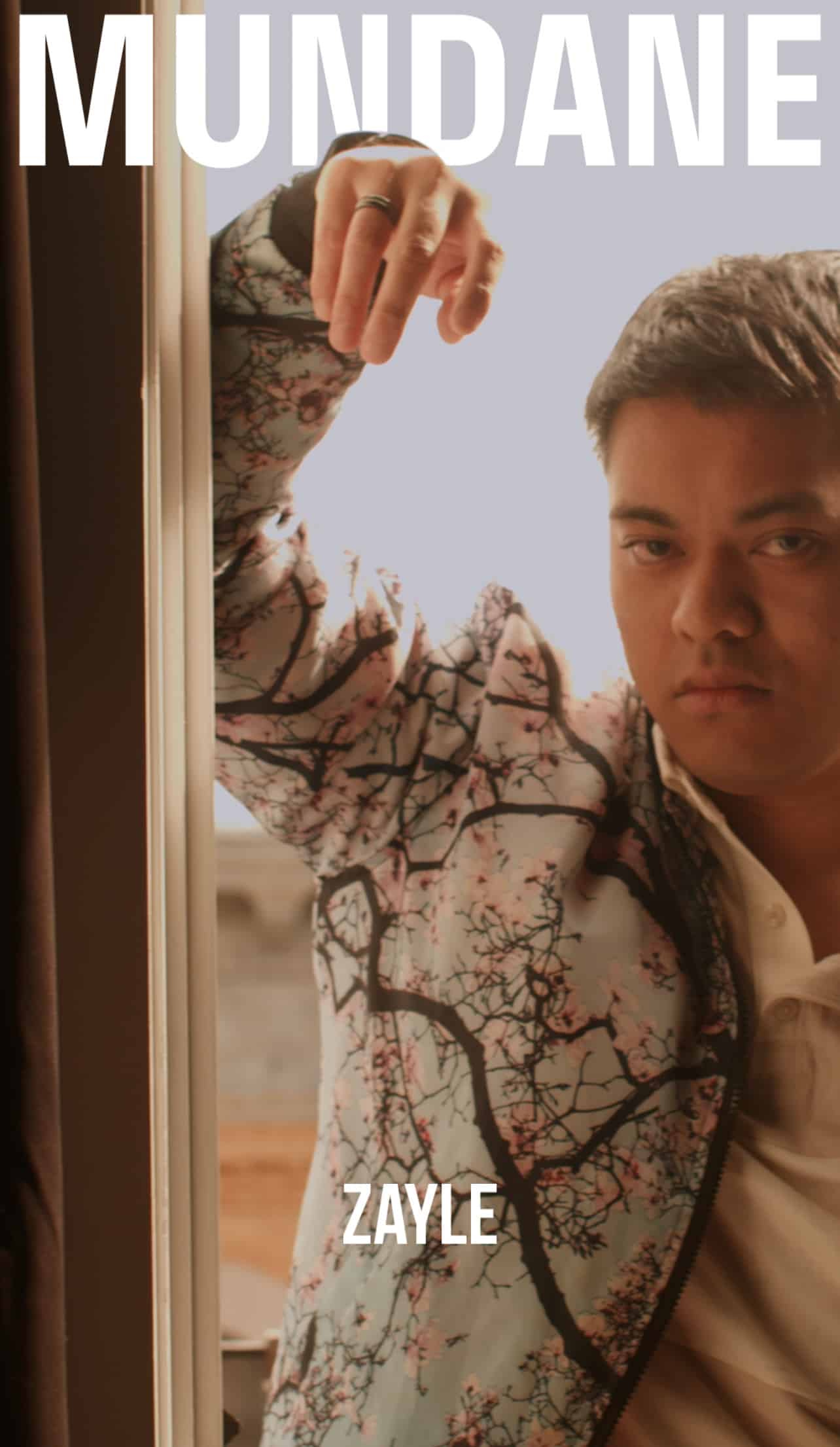
ZAYLE describes Flower Bass as “music that feels like it’s blooming in slow motion.” It’s an apt metaphor for a sound that moves deliberately, layering airy textures with crisp rhythmic programming and unexpected melodic turns.
The project arrives following the release of its lead single Control, which earned early acclaim from outlets including METAL Magazine, Ones To Watch, and Mundane Magazine.
For ZAYLE, the album represents both a culmination and a beginning: the point where years of experimentation finally crystallized into a clear artistic language.
We spoke with him about the origins of Flower Bass, the emotional symbolism behind “pink,” and why silence might be the most powerful instrument in electronic music.
The World is Pink, Change My Mind feels like both a statement and a challenge. What does “pink” represent to you—emotionally, sonically, or philosophically?
Pink always felt like a personal signal to come home.
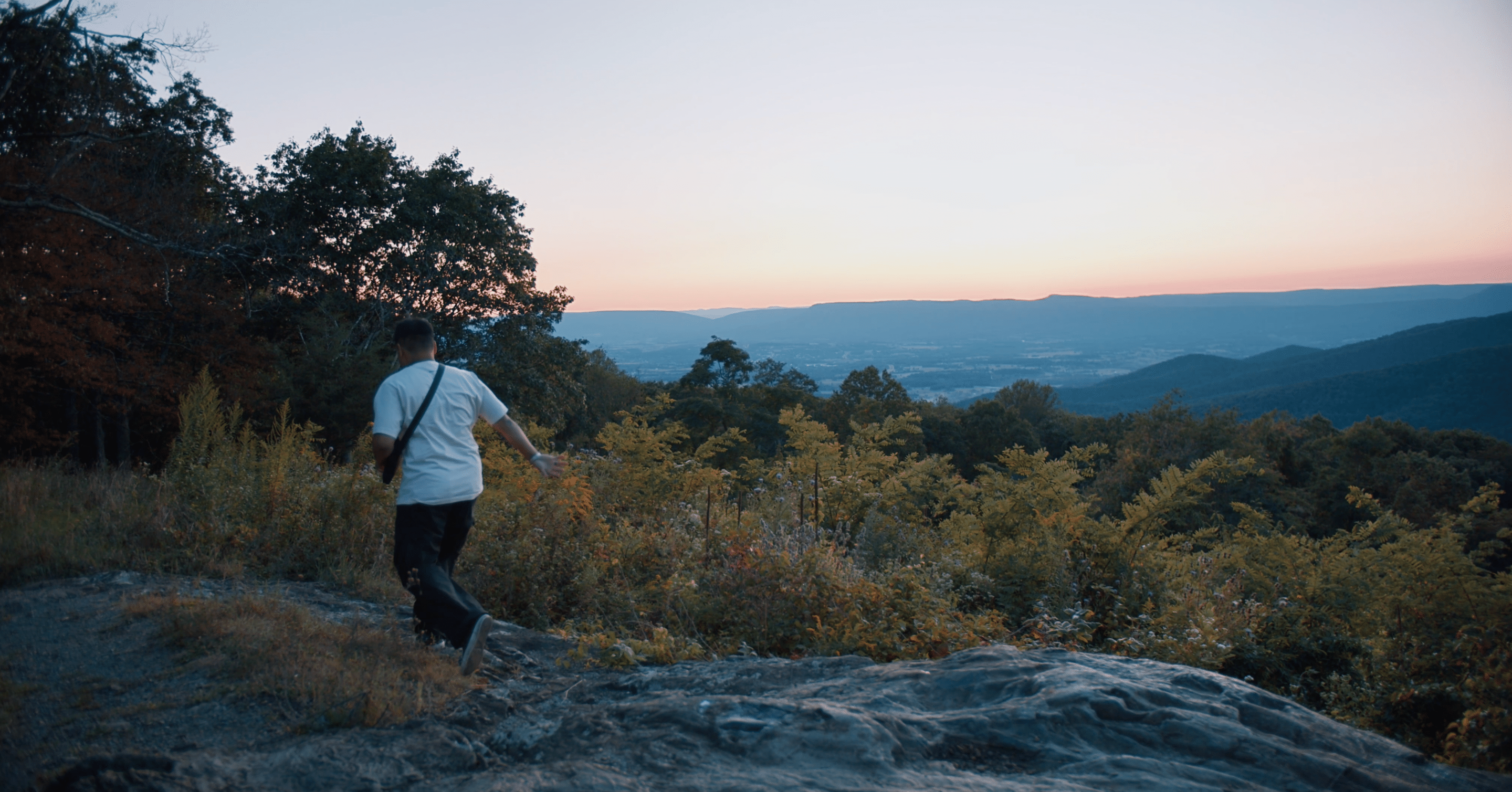
When I was younger I would drive from sunset to sunrise with my laptop writing songs at whatever beautiful vista I could find. I’d stare at the sky and produce while waiting for the sky to turn pink again—because that was my cue to return home.
You’ve coined the term “Flower Bass” to describe your sound. At what point did you realize you weren’t just making music—you were building a genre?
I’ve never really stuck to any certain sound, and I love exploring experimental song structures.
If I hear an idea, I chase whatever my imagination develops. That’s what gives my music a variety that feels impossible to define with typical subgenres. Flower Bass feels right because it empowers the sonic bouquet that is my discography.
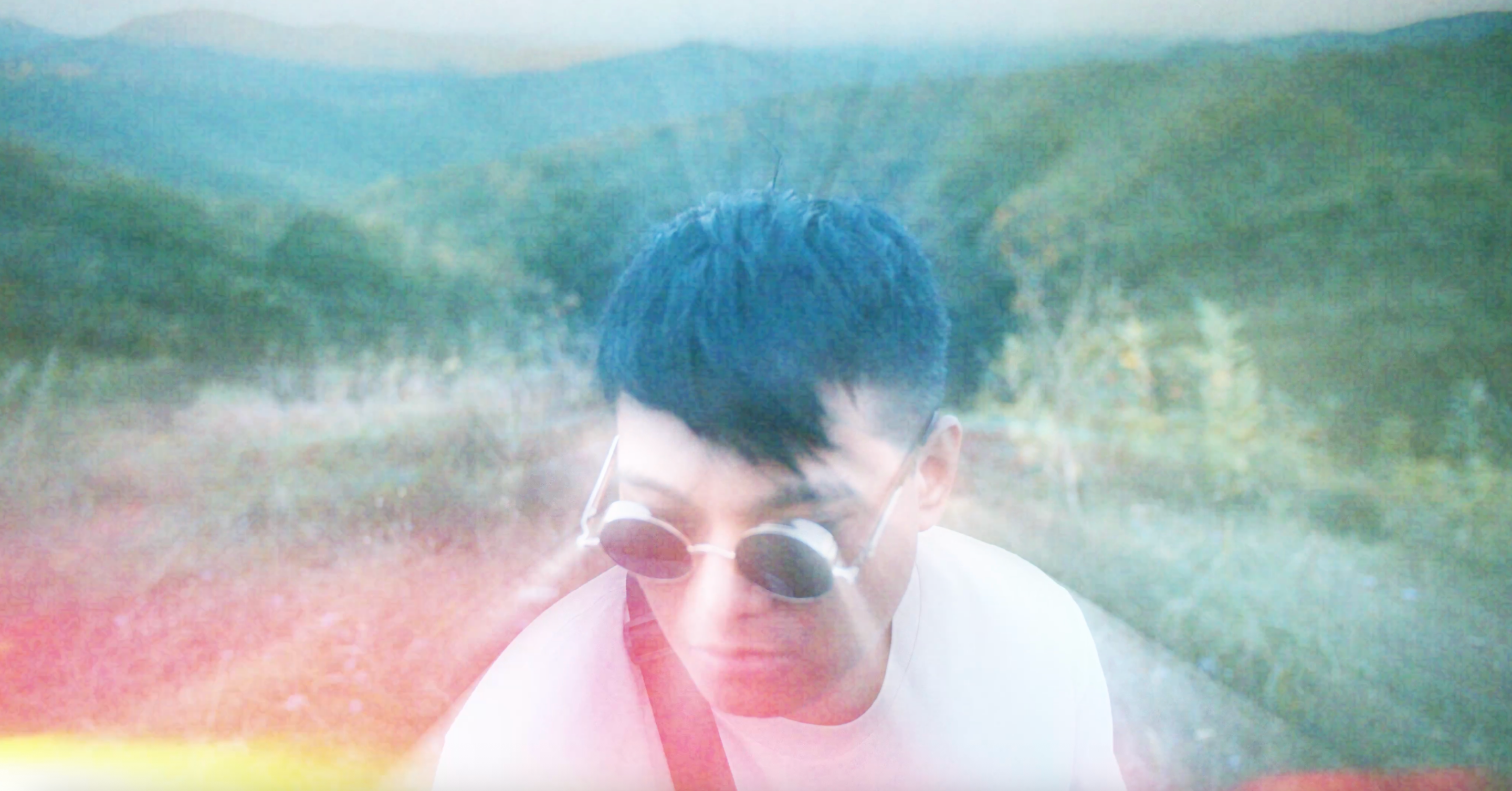
The album is described as a cinematic journey. When you’re producing, are you thinking in scenes, emotions, or something more abstract?
All of the above.
I watch a lot of movies and shows, and it’s hard not to draw similarities. I mix my emotional perspective with situations like in 2001: A Space Odyssey and other sci-fi films from that era.
I tend to dive into surrealism, especially in my music.
Your background in jazz and gospel piano is very different from the electronic world you inhabit today. How do those foundations still appear in your production?
The process is still the same.
I improvise constantly and try to engineer emotional moments into my structures. Jazz kept me sharp and accurate. I’ll never forget those lessons in precision and creative freedom.
You’ve cited artists like Skrillex, Madeon, and Cashmere Cat as influences. Where do you feel you diverge most from that lineage?
I’d say I diverge from Skrillex because my sound design isn’t nearly as aggressive. I lean more mellow.
But I’m always learning from those artists. Skrillex is still the greatest drum programmer of all time in my opinion. Madeon continues to reinvent himself, and Cashmere Cat has influenced an unbelievable amount of modern pop music.
You describe Flower Bass as “music that blooms in slow motion.” How do you translate something so visual and organic into electronic production?
Musical space is extremely important to me.
I believe silence is the best fill ever designed. Call-and-response with silence feels natural. I also record a lot of homemade foley sounds.
Sometimes that means going outside and doing ridiculous things—like throwing cinder blocks against light posts to generate snare sounds.
The album moves between lo-fi warmth, trap energy, and pop sensibility. How do you maintain emotional cohesion across such different textures?
I try to use recurring sonic motifs.
For example, I’ve used the same gong as my crash cymbal since 2014. From little string risers to signature sounds, those repeating elements maintain character across the project.
After 13 years producing music, this album is positioned as your most fully realized vision. What changed personally or technically to make that possible?
I had to learn how to trust my process.
I can spend days or months hesitating over small details. Eventually I realized those patterns were holding me back. Letting go of that perfectionism helped everything fall into place.
Your first recognition came through internet discovery and content creators using your music. How has that shaped your relationship with audience and connection?
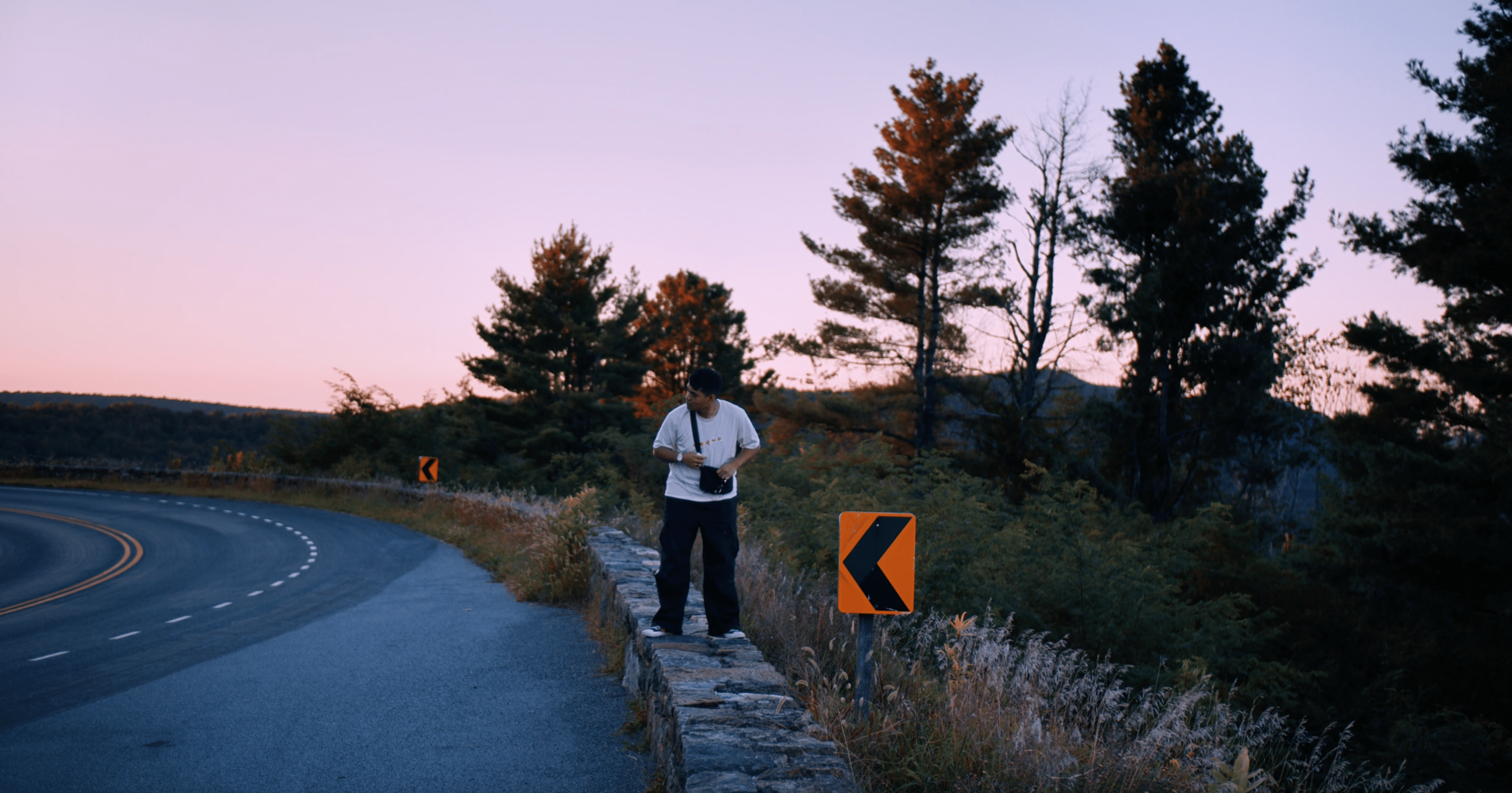
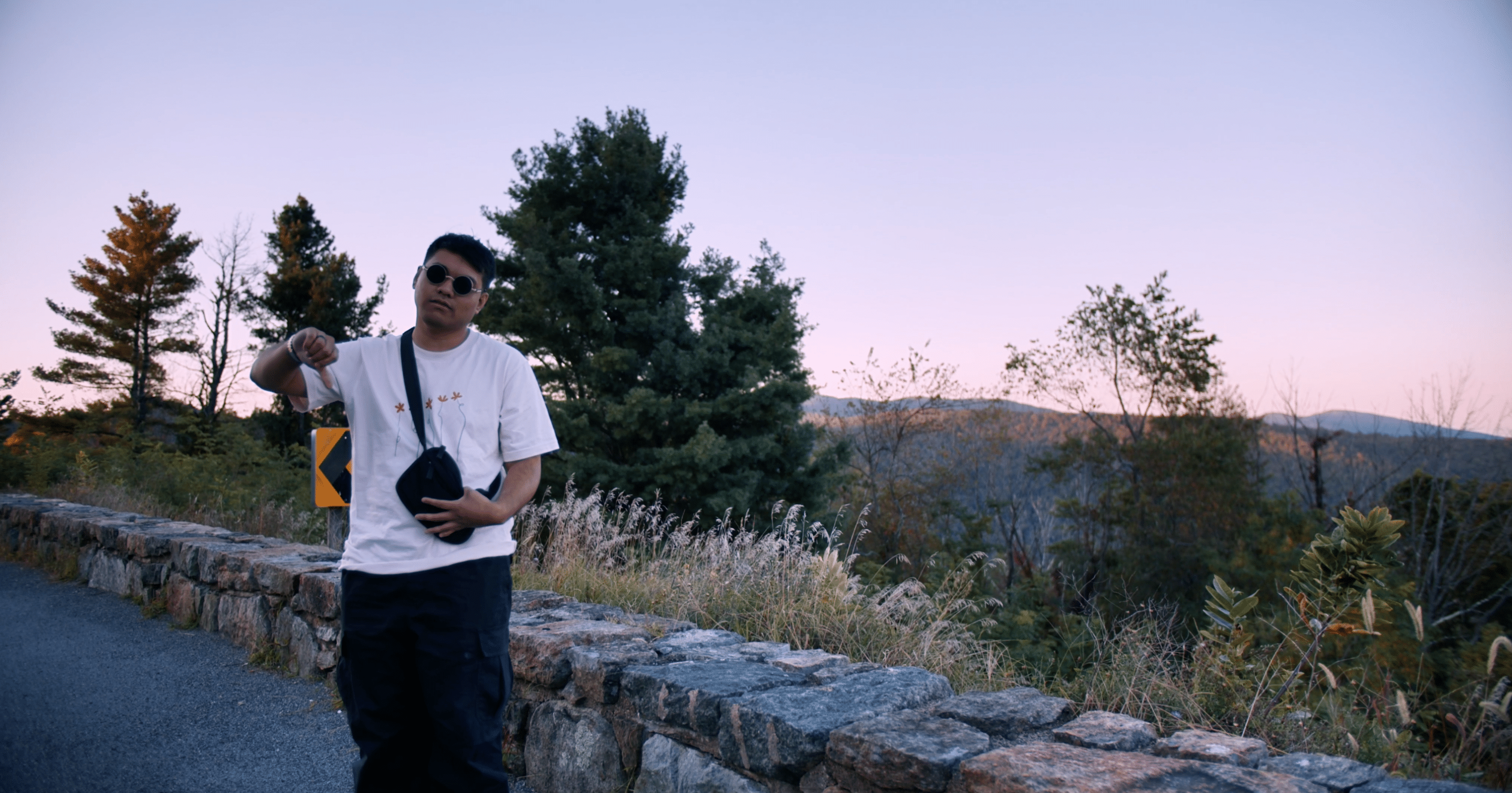
Seeing people explore the world with my music pushed me to go outside more myself.
It was amazing watching someone choose my track to represent a moment in their life. I’ve always wanted to soundtrack my own life and perspective, so seeing that happen for others was a huge honor.
If this album defines Flower Bass as a genre, what’s the next step—expansion, collaboration, or something unexpected?
Right now I’m opening my doors to everything.
I want to collaborate, play these songs live, and grow this sound wherever it wants to go.
We’ll see where the wind takes it.
A Genre That Refuses to Sit Still
With The World is Pink, Change My Mind, ZAYLE doesn’t simply release a new album — he proposes a new framework for thinking about electronic music.
Flower Bass is less a rigid genre than a philosophy: one that allows lo-fi nostalgia, trap rhythm, jazz improvisation, and pop melody to coexist inside the same sonic ecosystem.
It’s an approach that feels increasingly relevant in a moment when music culture itself is becoming harder to categorize.
And if ZAYLE has his way, the world might just start looking a little more pink