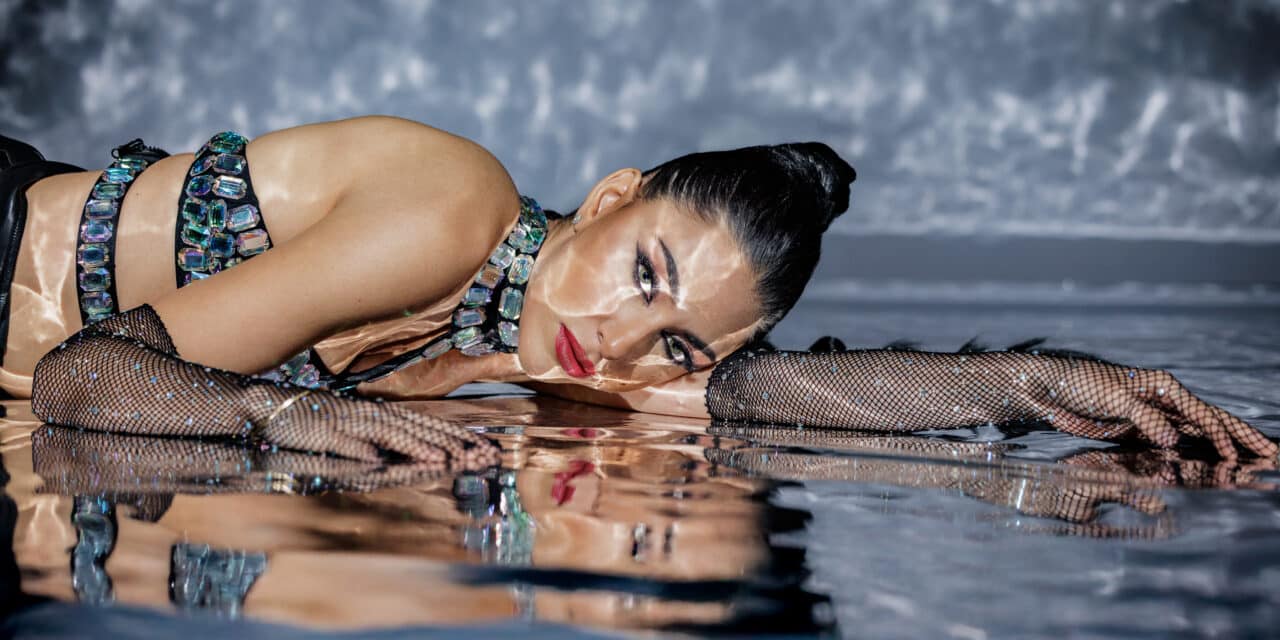
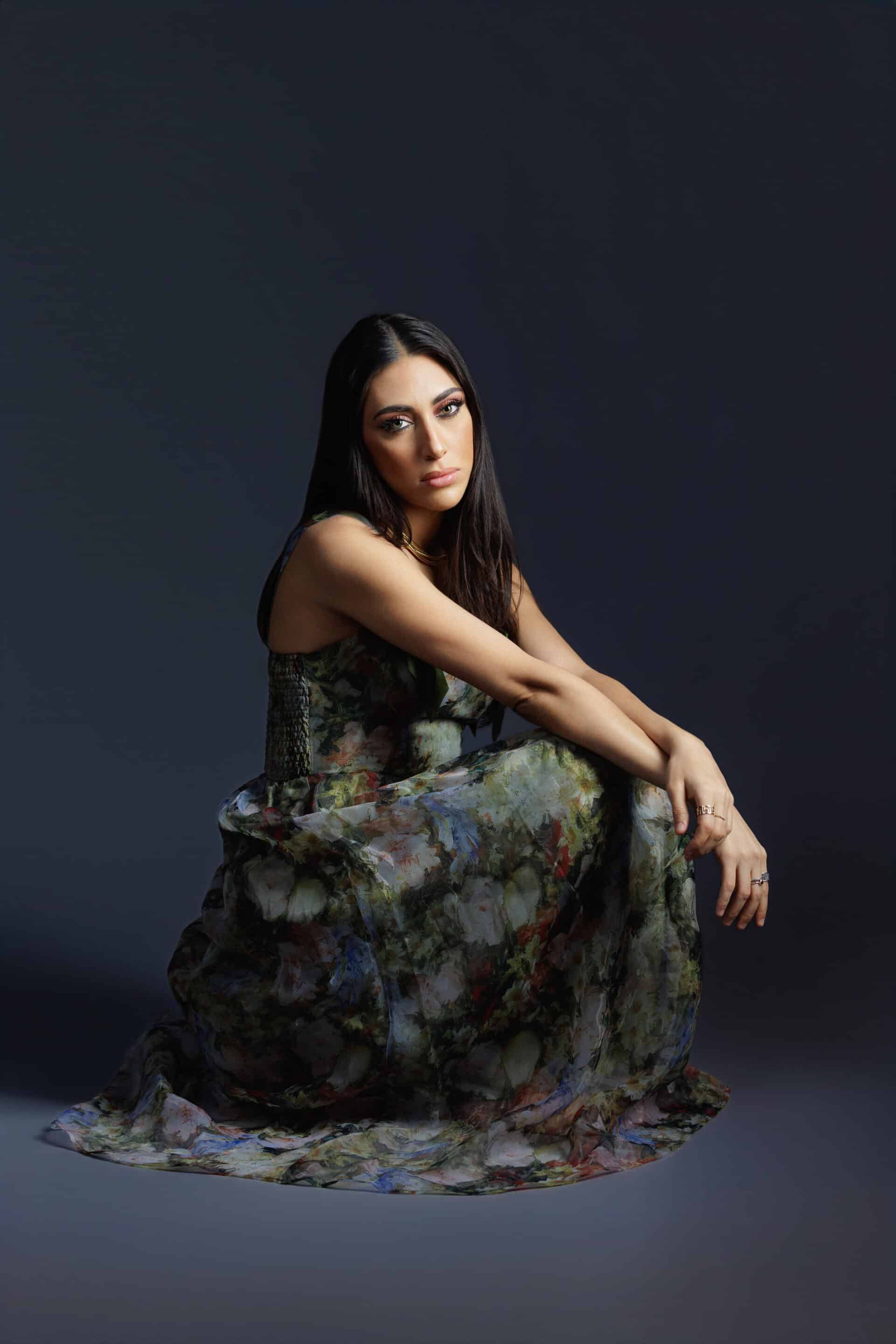
Photography Credit Kurtis Gibbs
There’s something quietly powerful about the way Taya Elle enters the room—no noise, no overstatement, just presence. The kind that comes from having lived through something that forced you to rebuild from zero.
A former competitive athlete whose career was cut short by spinal surgery, Taya didn’t just pivot—she transformed. What could have been the end of identity became the foundation of a new one, rooted in music that blends English and Spanish, softness and strength, intimacy and universality.
With early milestones already stacking up—including multiple #1 placements across Amazon Music charts—she’s not just emerging, she’s arriving with intention. And if there’s a thread that connects everything she does, it’s this: honesty as a form of healing.
We spoke with Taya about loss, language, vulnerability, and the deeper purpose behind her music.
Q: Your journey into music began after losing your path as an athlete. When did that loss start to feel like a beginning instead of an ending?
Taya Elle: I would say that at 19, when I released my first song. That’s when I realized I wasn’t lost—that I had something else.
I wrote a song about my breakup with my first boyfriend and decided to release it. So many friends helped me bring it to life—the music video, the vocals, everything. And my dad, who had never supported this world of music before, got so excited that he even helped promote it.
That’s when it clicked. I understood that this was my path—that it was a beginning, not an ending. I had found what I’m truly meant to do.
Q: You’ve described music as a space for healing. What did songwriting allow you to express during recovery that nothing else could?
Taya Elle: Songwriting helps you release the words that sit inside you—the ones you never dared to say out loud.
When I write, I let them go, but they still remain personal. And when I sing them, I’m no longer afraid. I’m already screaming them in a way.
That’s why I love music—it’s art, therapy, healing, love, joy, and sadness all at once.
Q: Blending English and Spanish gives your music a unique emotional texture. Do different languages unlock different parts of your vulnerability?
Taya Elle: Spanish is the language I grew up with emotionally. I learned it watching telenovelas with my parents as a kid, so when I write in Spanish, I’m writing as my younger self.
It connects me to home, and I feel much more emotional. English is more structured and logical for me. Spanish is where the heart comes out.
Q: Your sound draws from artists like Sade, Sabrina Claudio, and Ariana Grande. What connects those influences beyond sound?
Taya Elle: I learned so much from each of them in different ways.
From Sade, it’s the artistry and how she delivers emotion. From Ariana, it’s the vocal technique—the runs and riffs. And from Sabrina, it’s the elegance and the atmosphere she creates, which I really relate to.
Q: Achieving a triple #1 across Amazon Music charts so early is rare. How do you stay grounded while your visibility grows?
Taya Elle: My values are very strong. I stay true to who I am and remember how I was raised.
I don’t see success as something that should make me feel superior. I believe everything comes from God, and I’m simply fulfilling my purpose. That mindset keeps me grounded.
Q: Your music feels very intimate and confessional. Do you ever struggle with how much of yourself to reveal?
Taya Elle: Yes, especially with my last song—it was very personal.
I always write for myself first, like a confession. But once I decide to release it, that’s when the anxiety comes—realizing how much I’m opening up.
It passes, though, because I remind myself that maybe someone else needs to hear it. Maybe it helps them feel less alone.

Q: There’s a quiet strength in your storytelling. How do you balance vulnerability with resilience?
Taya Elle: It comes from what I’ve lived through.
When you’ve been completely broken and come out the other side, you’re no longer afraid of honesty. You’ve already survived the worst.
Strength isn’t about hiding pain—it’s about expressing it without shame.
Q: Did your background as an athlete shape the way you approach music?
Taya Elle: Absolutely. It taught me discipline.
I used to train for hours every day, and that mindset stayed with me. Now I apply it to vocal training and performance.
Even physically, it helped—my breathing is stronger, and I have more lung capacity because of my athletic background.
Q: You’ve said your mission is to create a safe space for listeners. What does that feel like when someone presses play on your music?
Taya Elle: I want them to feel seen.
If I can share something so personal, maybe they’ll feel safe doing the same. I want them to know they’re not alone, that what they’re feeling isn’t the end—and that better days are coming.
Q: If this chapter transformed pain into purpose, what do you hope people feel when they discover you for the first time?
Taya Elle: I want them to understand that what feels like an ending can actually be the beginning.
Everything happens for a reason—even if you don’t see it at the time. One day, you’ll understand why you went through it.
For me, that moment changed everything. And I hope my story helps someone else believe that theirs can too.
Taya Elle doesn’t just make songs—she creates emotional spaces.
And in a world moving fast, loud, and often surface-level, her music feels like something rare: a place to slow down, feel deeply, and maybe, just maybe, start healing.