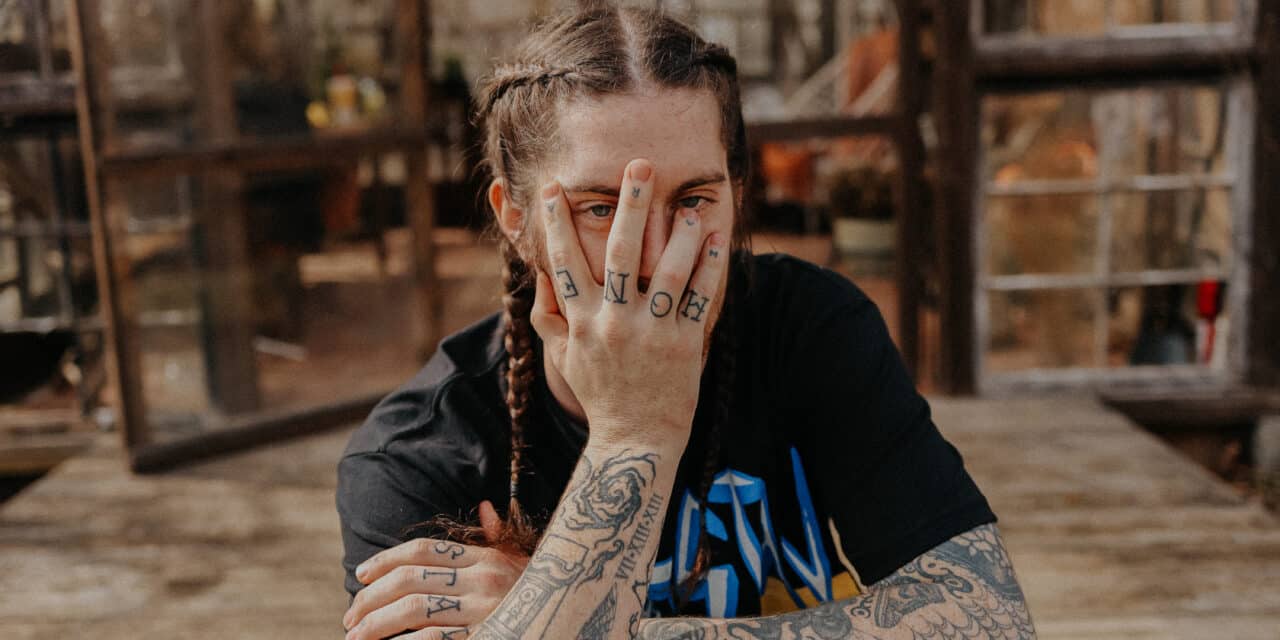
Photo Credit Chandler Flint
The rising alternative artist opens up about small-town pain, accidental breakthrough, and why success means a healthy mind more than a headline.
There’s a kind of artist whose music feels less written than lived through. Not polished into distance, not filtered into neat narratives, but pulled directly from experience while it is still unresolved. That rawness is part of what has made honestav—born Av—such a compelling presence in the alternative space. His songs carry grief, humor, risk, contradiction, and instinct all at once. They sound like someone trying to stay honest in real time.
Raised outside Springfield, Missouri, honestav came up far from the machinery of the music industry. There were no studios nearby, no obvious blueprint for becoming an artist, no clear model for how a kid from his world might break through. But that absence gave music a different weight. It wasn’t career strategy. It meant something deeper, something closer to survival.
That emotional urgency became impossible to separate from his work in 2021, when he began releasing music every week while coping with his mother’s addiction and the deaths of both his father and brother. What started as relentless output gradually turned into something more transformative: not just expression, but purpose.
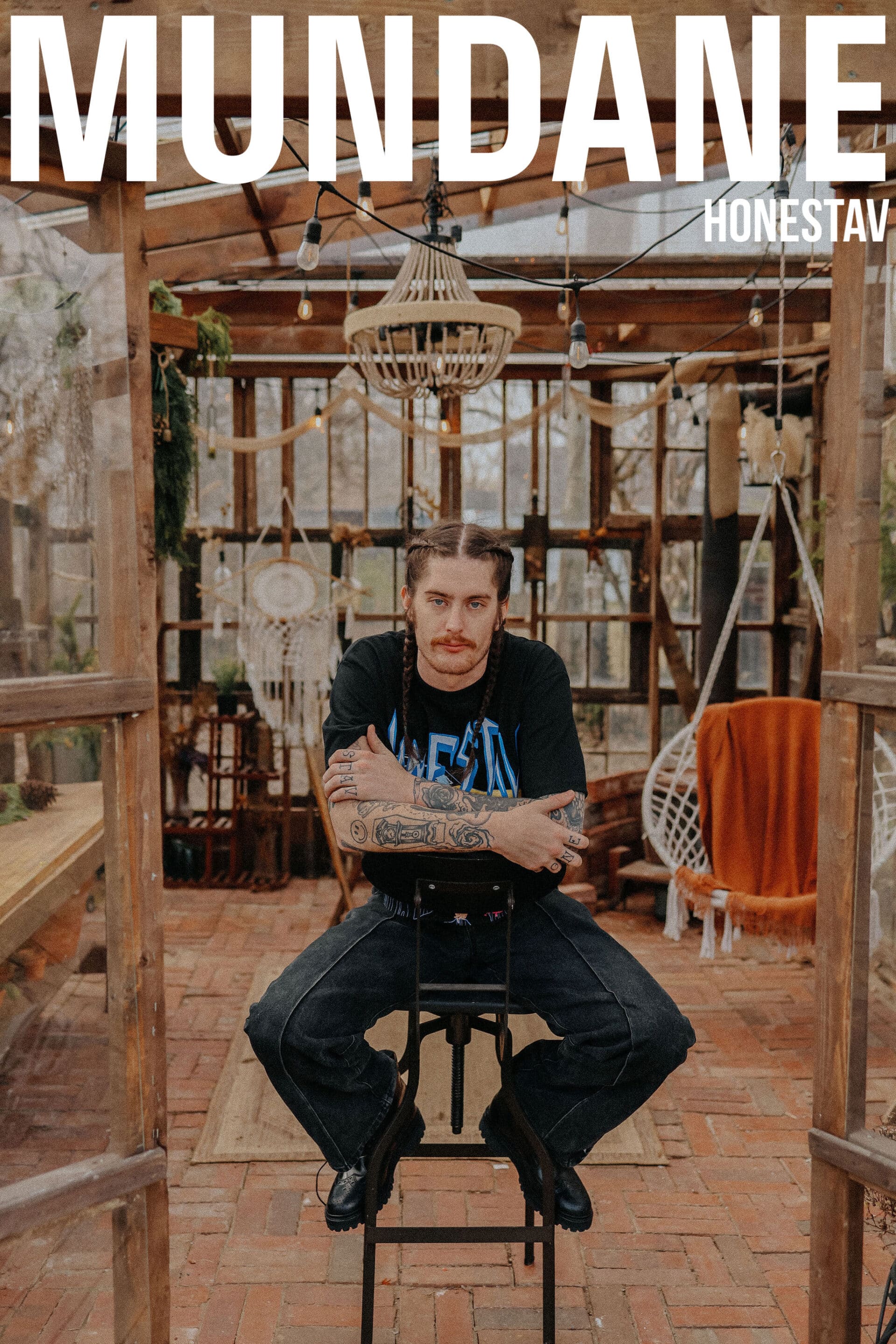
Then came “I’d Rather Overdose.”
The song became a breakout moment, carrying honestav from rural Missouri into a national spotlight and reframing the scale of what his music could mean to people. Since then, his 12-song debut EP hara-kiri has peaked at #10 on the Apple Music chart and amassed over 120 million streams, while his recent single “Wasted”—produced by Take A Daytrip—showed another side of his personality entirely: impulsive, funny, cinematic, and a little chaotic in the best way. In the video, he gambled half the production budget at a Las Vegas roulette table and won, a move that felt somehow perfectly in character for an artist whose appeal lies in the tension between recklessness and sincerity.
Now, as he rolls out new music including “FKN Hate You” and “Believe,” prepares his sophomore EP, and gears up for his Hard To Love Tour—including a stop at Brooklyn Bowl Nashville on February 18—honestav is entering a new chapter. One still marked by vulnerability, but also by sharper self-awareness about what success really means.
For Mundane Magazine, honestav reflects on where he comes from, what people saw in “I’d Rather Overdose,” why overthinking kills the music, and how he’s redefining success on his own terms.
Your journey starts in a small town outside Springfield, Missouri, but your music feels emotionally vast and borderless. How did your environment shape the way you process and express pain through music?
Wow. What an amazing question.
I think coming from where I’m from, it was a blessing because music was never something you really saw in front of you. You’d see it on the internet, sure, but there were no studios or anything around. So it really made music mean something. Me and the people around me grew up feeling like music mattered.
And just being around meth heads all the time and seeing different lifestyles probably taught me a lot too. Honestly, I think my music is a pretty good image of where I’m from for real.
You began releasing music every week during an incredibly heavy period in your life. At what point did creating stop being an outlet and start becoming something bigger—something like purpose?
My music changed. Back when I was releasing a song every Friday, I was making rap music, and I was kind of living a lifestyle that matched what I was singing about. I think the music was pushing me into bad habits because of what I was thinking about all the time.
As soon as I changed and started singing for myself—just making music to help my brain—that’s when everything started to change.
But also, nothing really budged until “I’d Rather Overdose.” I mean, I released like 300 songs and nobody heard them. So I don’t really know. But that song definitely changed everything.
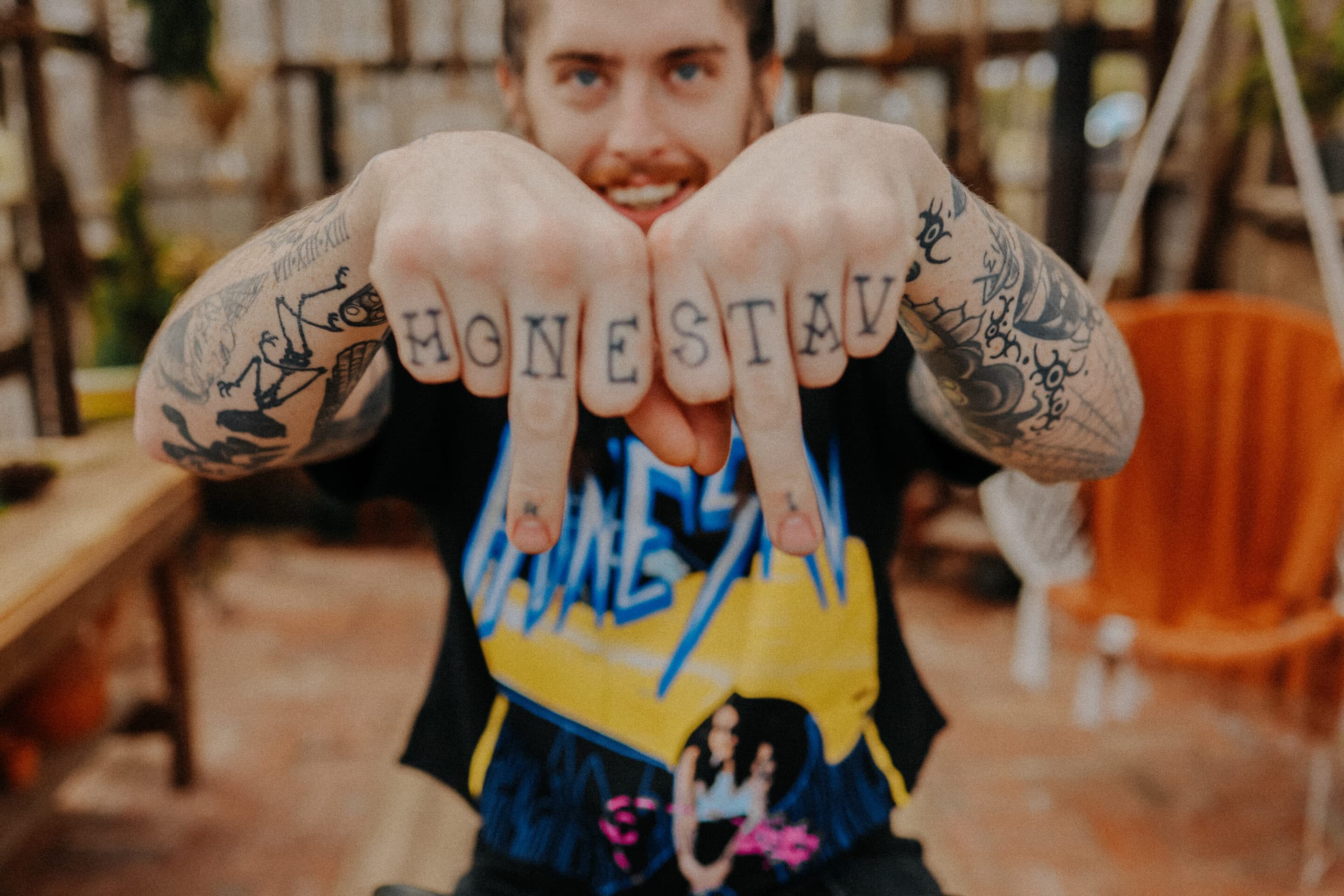
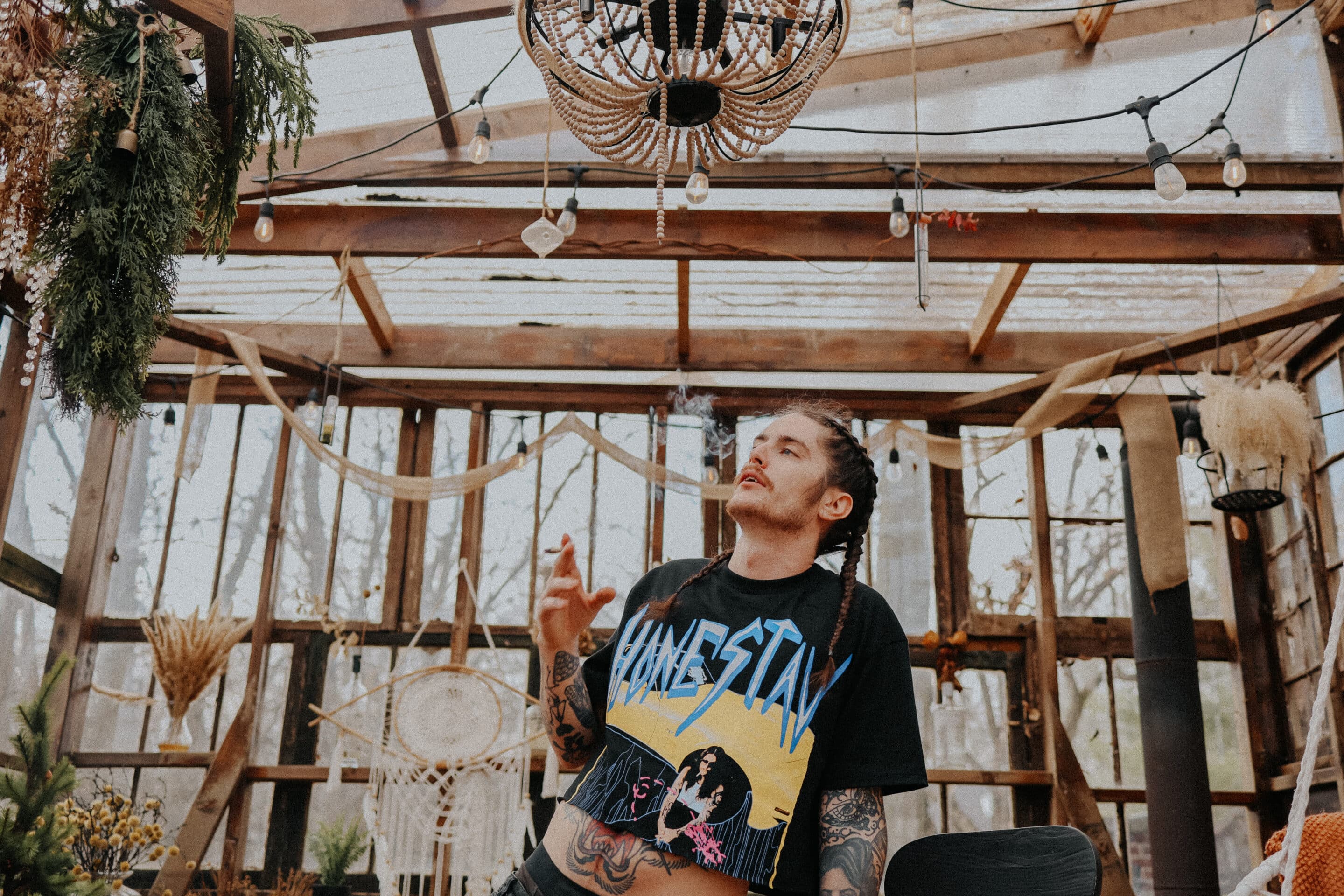
“I’d Rather Overdose” became a breakout moment for you. Looking back, what do you think people connected to most on that record—the story, the honesty, or something else entirely?
I’m not sure it was my story or my honesty exactly. I think a lot of people just saw themselves in me.
And I think it helped that I had been funny on the internet first. People got to see me being silly and joking around for months and months. Then when I came out and said, “Yo, I gotta take a break, life is getting hard, I’m gonna focus on music,” I think people understood that it wasn’t some gimmick. They knew it was real.
A lot of people who look like me, talk like me, smell like me—they saw that song and they saw themselves in me. That had a lot to do with it.
Also, the stories people attached to that song are not exactly what I wrote it as. My vision before it dropped was not the same as what the internet made it into. But that’s the beautiful thing about music. It can mean so many different things to so many different people.
There’s a rawness to your work that feels almost unfiltered, but it’s paired with strong melodic instincts and genre-blending production. How do you balance emotional vulnerability with intentional songwriting?
Dude, I just don’t even think about it. I’m just writing what’s going through my head.
I don’t even really like to dwell on it because I don’t ever want to start thinking too hard about it. The songs I like the most, the songs that mean the most to me—even the ones that aren’t sad—are the songs where I just went in there and did it.
When I first got signed, I tried doing the whole “come in, write a song, build a little story” thing. It killed me, bro. It made me hate music for a long time.
Now I’m finally back in that place where I just do it. I love hearing that people feel vulnerability in the music, and I’m grateful for that, but I don’t do it for that. The best songs just come. I don’t even know how sometimes.
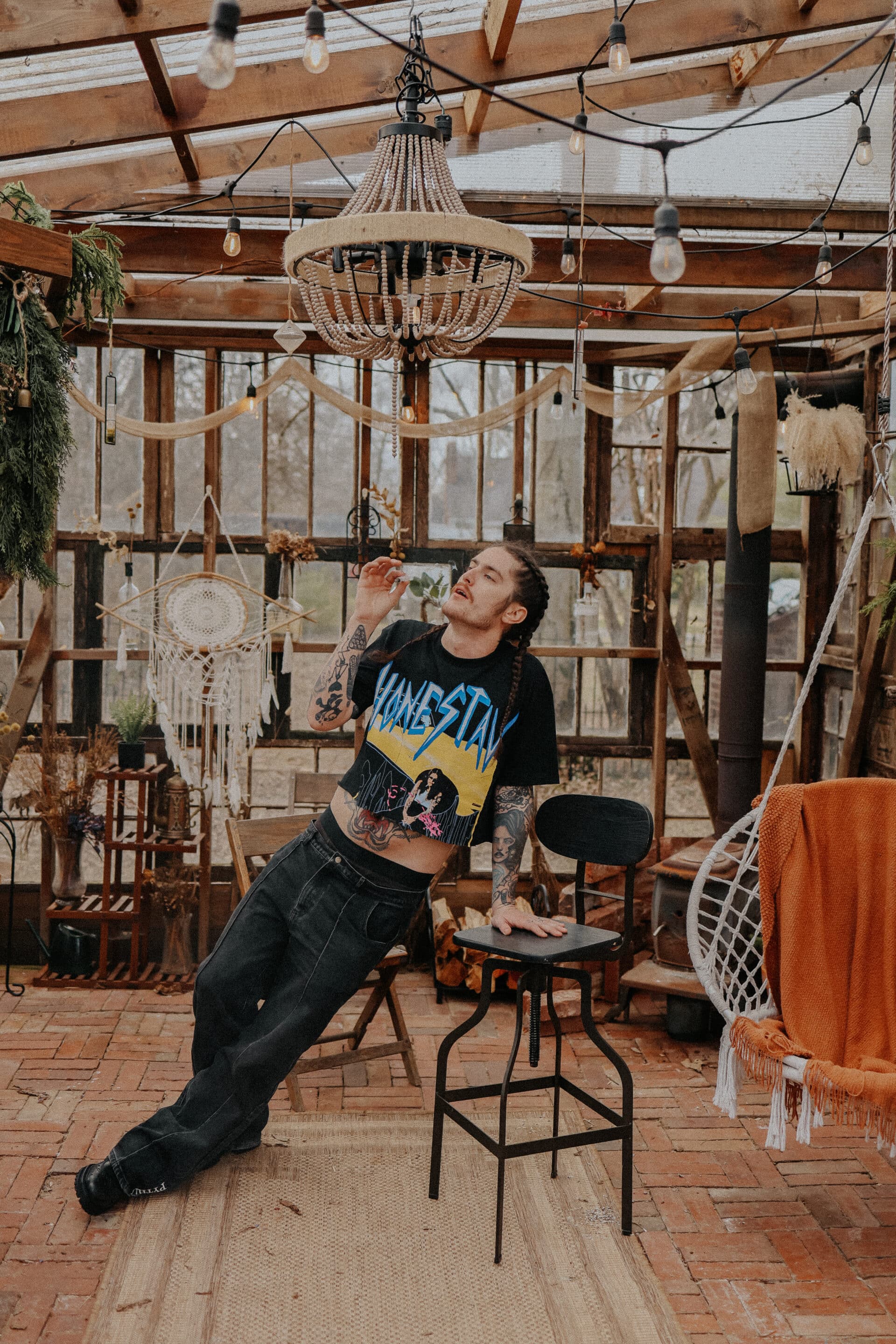
Your debut EP hara-kiri made a major impact, both commercially and culturally. How has your perspective on success evolved since that moment?
Dude, great question. I was just talking about this last night.
I used to want money so bad. I was so broke growing up, and I wanted a million dollars so damn bad that nothing else mattered. I thought that was success. My head was down, I was working for years, not leaving my house, just wanting to get bread.
Then as soon as I got paid, I realized I still had bad habits. I still had stuff going on at home I hadn’t dealt with. Everybody was saying, “You’re successful, you got money, it’s working out,” but in my head I’m like, I’m still struggling.
If you’ve got a billion dollars but a crippling cocaine addiction, I don’t think you’re successful. I think success is a mindset. Having a healthy brain is success. Having a family is success. Stuff like that.
I used to think success meant money. Now I think it’s a mindset.
Your recent single “Wasted” has almost cinematic, unpredictable energy—even down to gambling part of the video budget in Vegas. How much of your artistry is driven by instinct and risk?
Every single bit of it is driven by instinct.
That was probably the only real risk I’ve ever taken. I’m into baby steps for real. I don’t want to skip a step, so I don’t really try to risk much. I cannot be a meme. I cannot deal with hate comments. So I’m not trying to take crazy risks, man.
But instinct? A million percent. All of it, unfortunately. And my instincts are not that great.
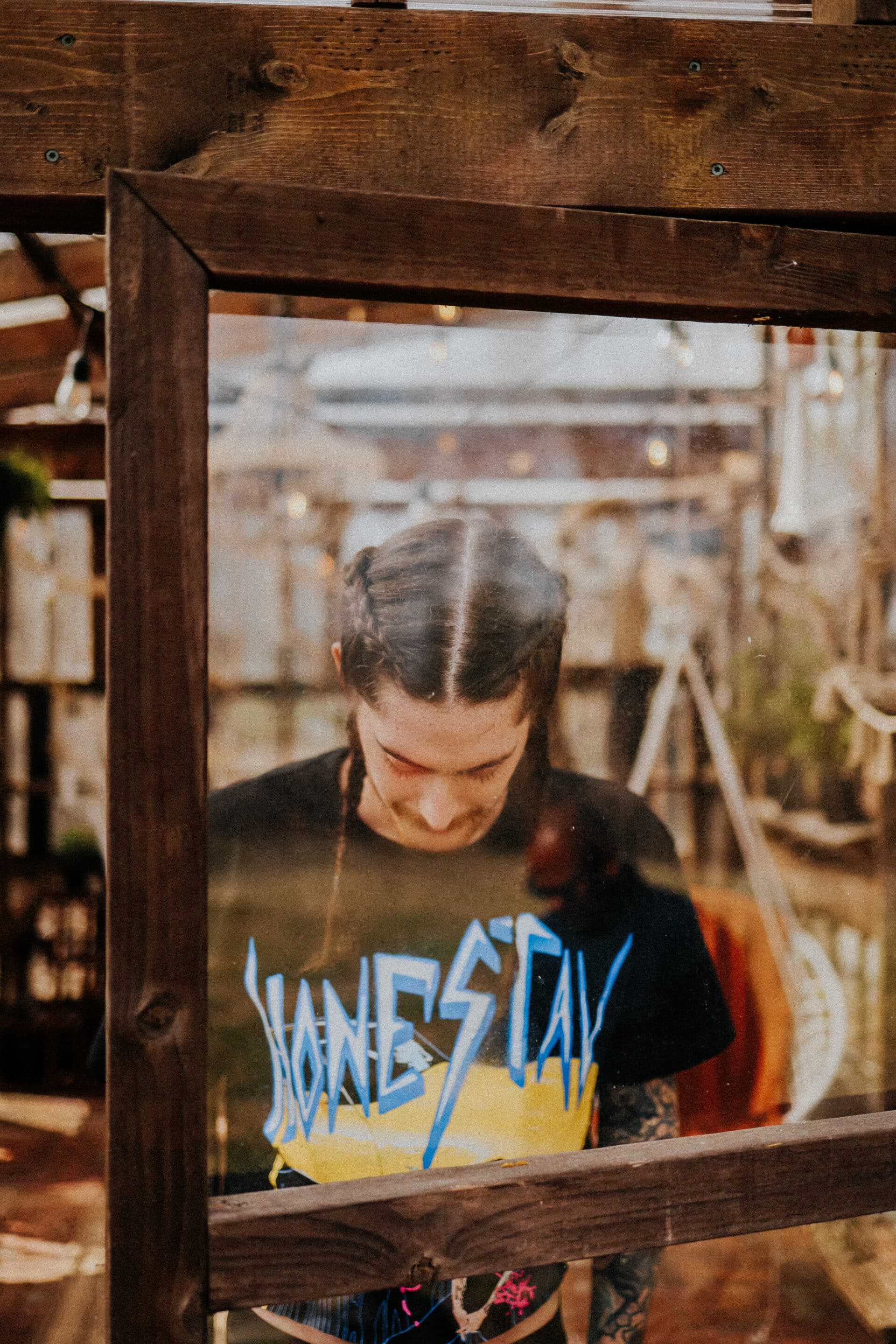
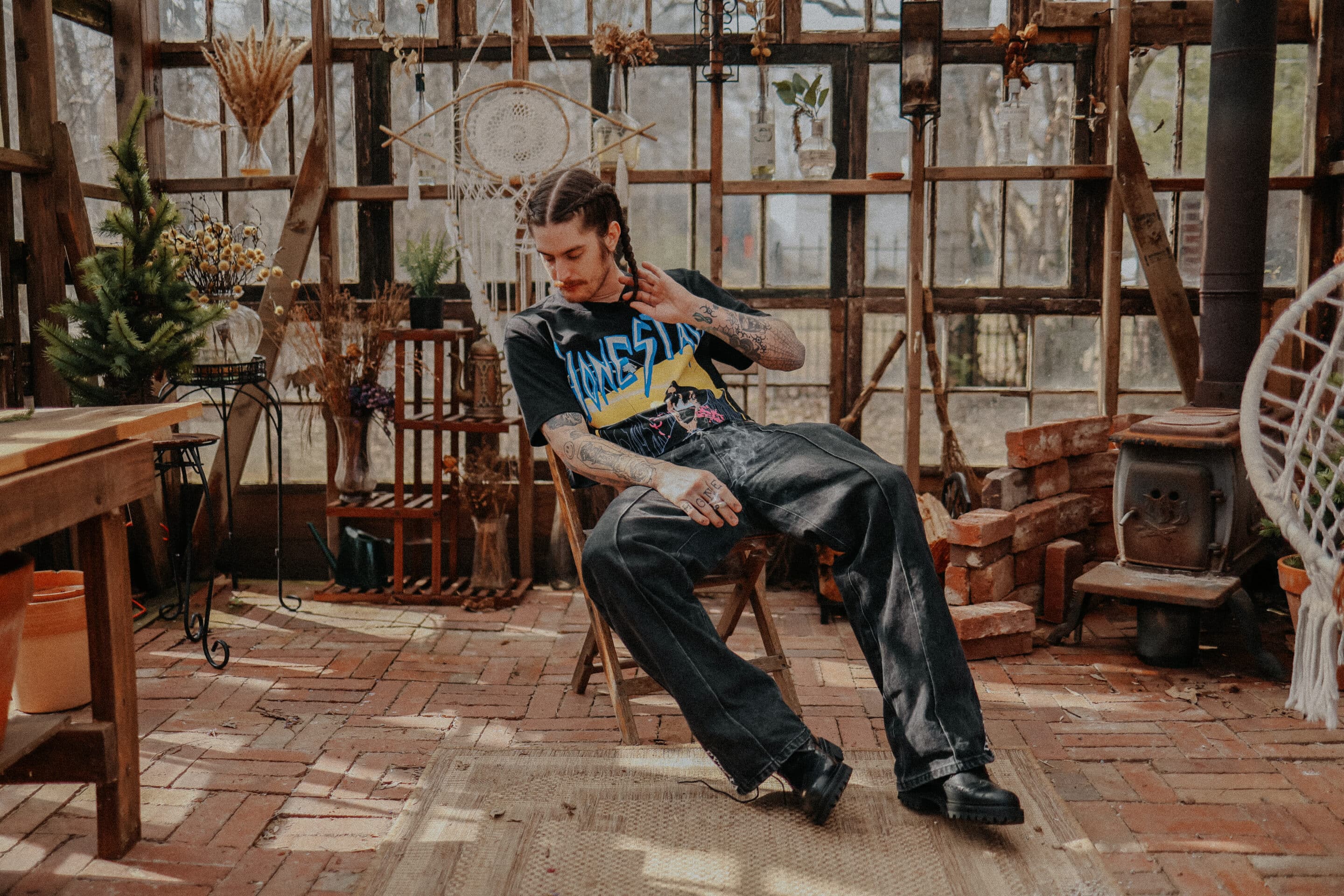
What makes honestav compelling is not just that he is vulnerable. It’s that his vulnerability never feels polished into a brand. There is humor in it, defensiveness in it, confusion in it, and sometimes even contradiction. He can talk about devastating loss one moment and crack a joke the next without either tone feeling false. That emotional unpredictability is part of the appeal. He sounds like someone still in the middle of becoming.
And maybe that is why so many listeners see themselves in him.
His music does not offer the clean redemption arc people often expect from pain. It offers something messier and more believable: survival, instinct, and the ongoing attempt to make sense of what life has handed you without pretending you have mastered it. Whether he’s writing from grief, self-destruction, humor, or hard-earned clarity, there’s a sense that the songs are arriving before they’ve been over-explained.
That immediacy has carried him far already—from a small Missouri town to streaming success, from weekly uploads into national attention, from private struggle into public resonance. But what feels most significant now is not just the growth of his audience. It’s the shift in how he defines the life he wants.
For honestav, success is no longer just scale or money or charts. It’s mental health. Stability. Family. The ability to keep creating without losing himself in the process.
As he moves toward his sophomore EP and his Australian and New Zeland tour with MGK that perspective may be the real turning point: not the breakout moment, but the one after it—the moment an artist starts understanding what all of this is actually for.