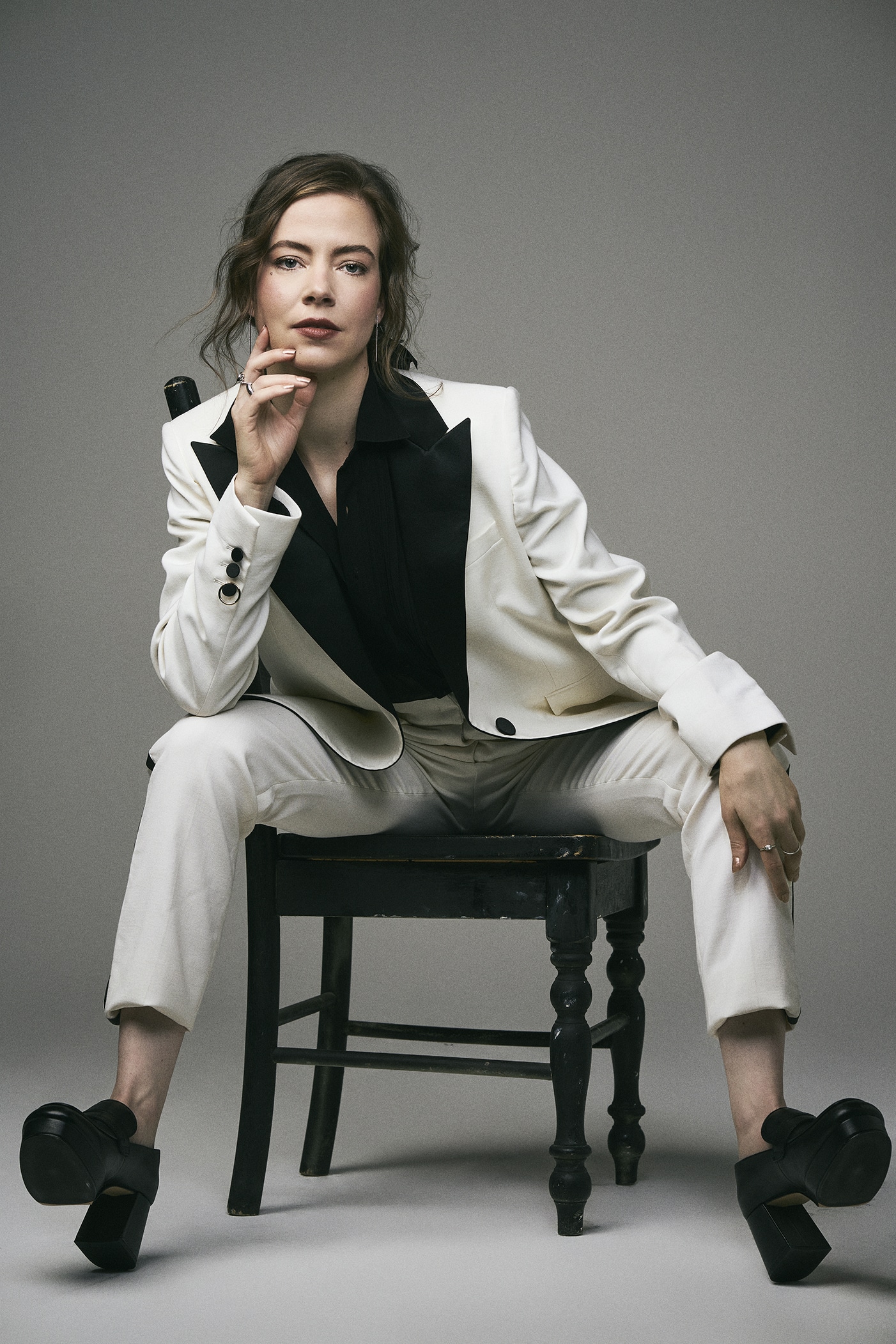
With more than 100 film and television credits spanning indie productions and billion-dollar blockbusters, Elena Sanchez has built one of the most versatile careers in modern entertainment. Equally comfortable delivering emotional performances in front of the camera and executing demanding action sequences behind the scenes as a stunt performer, Sanchez occupies a unique space where physicality and storytelling intersect.
Born in Germany to a German mother and Spanish father, educated at Cornell University before further training at the Lee Strasberg Theatre & Film Institute and the Royal Academy of Dramatic Art, Sanchez has developed a truly international perspective on performance. Audiences may recognize her from roles in The Hunger Games: Catching Fire, The Walking Dead, and her stunt work in Captain America: Brave New World, while industry insiders know her as a Screen Actors Guild Award-winning stunt performer whose work has helped shape some of Hollywood’s biggest action spectacles.
Now, Sanchez steps into a major leading role as Detective Keyes in the thriller Neglected, starring alongside Dylan Sprouse, Josh Duhamel, and Til Schweiger. Ahead of the film’s release and her appearance at the upcoming Cannes Film Festival, we spoke with Sanchez about vulnerability, action, trust, and what continues to drive her after more than a decade in the industry.
Your career exists both in front of the camera and inside the action itself as a stunt performer. How do those two disciplines inform each other in ways people might not realize?
Stunt work taught me discipline, precision, and how to stay calm under pressure. Acting taught me vulnerability, emotional truth, and how to be fully present. They actually complement each other beautifully.
As a stunt performer, understanding the character helps every movement feel motivated rather than mechanical. As an actor, my stunt background gives me confidence physically and allows me to focus more on the scene because I trust my body.
At the end of the day, both are forms of storytelling. One just happens to involve a few more bruises.\
Neglected places you in the female lead role as Detective Keyes inside a high-stakes thriller. What drew you to her beyond the genre mechanics?
What drew me most to Detective Keyes was her integrity.
She’s incredibly grounded, loyal, and committed to doing what’s right, even when those choices become complicated. Thrillers are always exciting, but what makes them compelling are the characters at the center.
Keyes isn’t simply reacting to danger. She’s navigating moral gray areas, loyalty, and responsibility. That complexity was what really interested me.
Playing physically capable women can sometimes slip into cliché. How did you make Detective Keyes feel human rather than simply “strong”?
Real strength isn’t about being fearless or invincible.
It’s about resilience, empathy, and making difficult choices even when you’re uncertain. I wanted Detective Keyes to feel grounded and relatable. She’s capable, absolutely, but she’s also thoughtful, loyal, and at times conflicted.
Those moments of vulnerability are what make a character truly strong.
You’ve worked on everything from independent productions to massive studio franchises. What have smaller sets taught you that blockbusters never could?
Smaller sets teach you resourcefulness.
There’s often less time, fewer resources, and everyone wears multiple hats. You learn to adapt quickly, collaborate closely, and solve problems creatively.
There’s also an intimacy to independent filmmaking that I really love. Everyone is there because they genuinely believe in the project, and that passion is incredibly energizing.
Winning a Screen Actors Guild Award for stunt ensemble work highlights a side of filmmaking that’s often overlooked. Do you think stunt performers are finally receiving the recognition they deserve?
We’re definitely moving in the right direction, and that’s exciting to see.
Stunt performers have always been an essential part of filmmaking, especially in action-driven storytelling. Audiences are becoming more aware of the artistry, athleticism, and preparation involved.
There’s still room for more recognition, but it’s wonderful to see the craft being celebrated more openly than ever before—especially now that stunt performers finally have their own Oscar category.
Your path has taken you from Germany and Spain to Cornell University, the Lee Strasberg Theatre & Film Institute, and RADA. How has that international and academic background shaped the artist you’ve become?
Growing up in different countries taught me adaptability and curiosity.
It made me fascinated by people, cultures, and the many ways we communicate. My academic and acting training gave me structure and technique, but living internationally taught me empathy.
Together, those experiences shaped me into someone who is always observing, always learning, and always interested in exploring the full range of human experience.
You’ve appeared in worlds as varied as The Hunger Games, The Walking Dead, and Marvel. How do you remain adaptable without losing your artistic identity?
Adaptability is one of my greatest strengths, but I think identity comes from your values, not the worlds you inhabit.
Whether it’s a dystopian franchise, a zombie apocalypse, or a superhero film, I try to bring the same level of commitment, authenticity, and professionalism.
The settings may change, but the core of who I am as an artist remains the same.
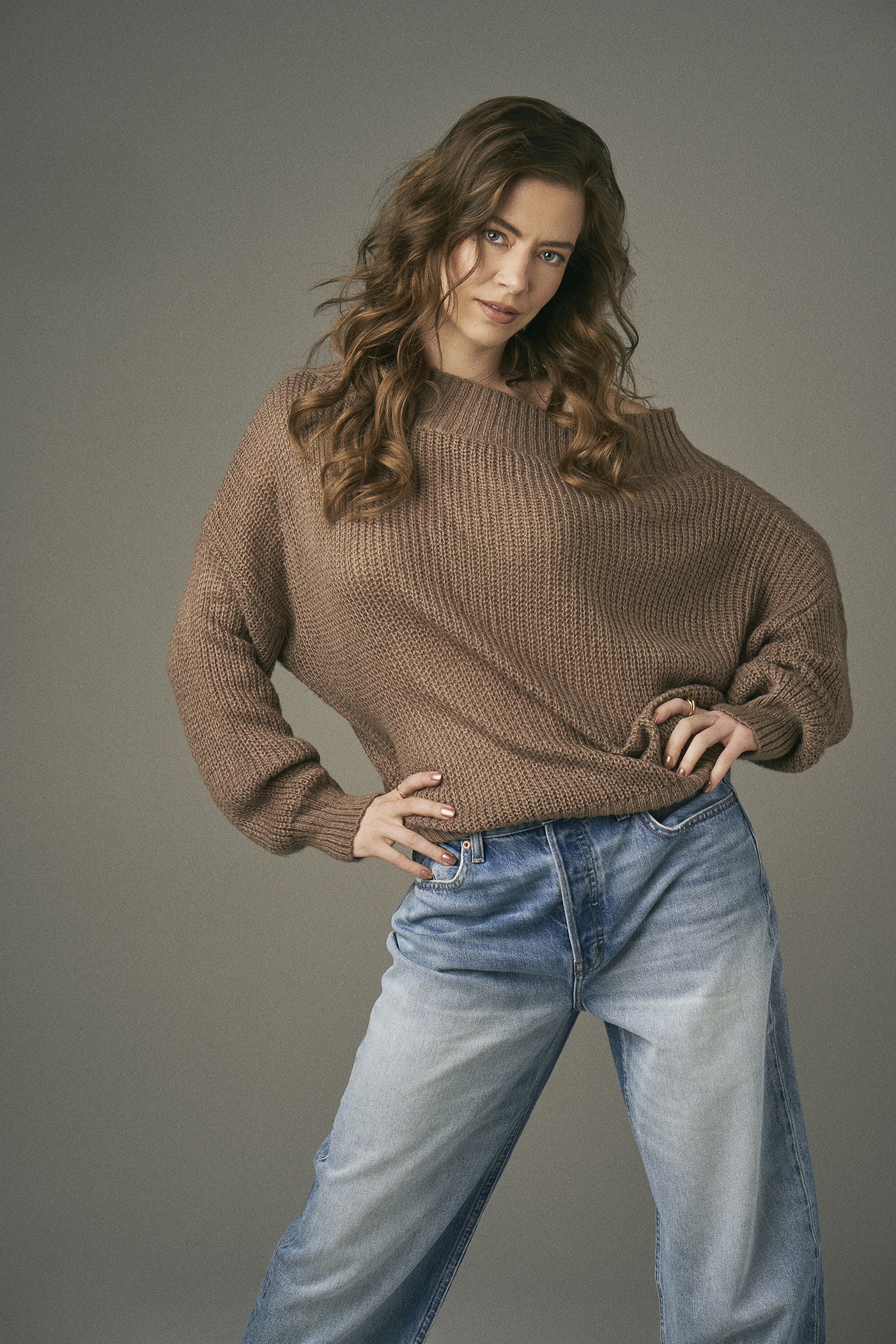
Acting and stunt work both require tremendous trust. Has trust become central to how you choose projects and collaborators?
Absolutely. Trust is everything.
You’re often placing your safety, your performance, and a lot of emotional vulnerability in other people’s hands. Over time, I’ve learned that who you work with matters just as much as what you’re working on.
Talent is important, but integrity, communication, honesty, and mutual respect are what truly create great collaborations.
You’ll be attending Cannes this year, one of cinema’s most image-conscious environments. How do you relate to glamour after spending so much of your career focused on craft and physical performance?
I see glamour as another form of storytelling.
A lot of my career has involved bruises, sweat, harnesses, dirt, and practical effects, so it’s fun to occasionally embrace the artistry of fashion and the red carpet experience.
But for me, glamour is never the goal. It’s a celebration of the work. The craft always comes first.
After more than 100 productions, what excites you most now: bigger opportunities, deeper characters, or surprising yourself in ways you haven’t yet?
Honestly, all three.
Bigger opportunities can open incredible doors. Deeper characters are what every actor hopes for. And surprising yourself is one of the greatest joys of this profession.
If I had to choose one, I’d say growth.
I never want to feel completely comfortable. The moment you think you’ve figured everything out is probably the moment you stop evolving.
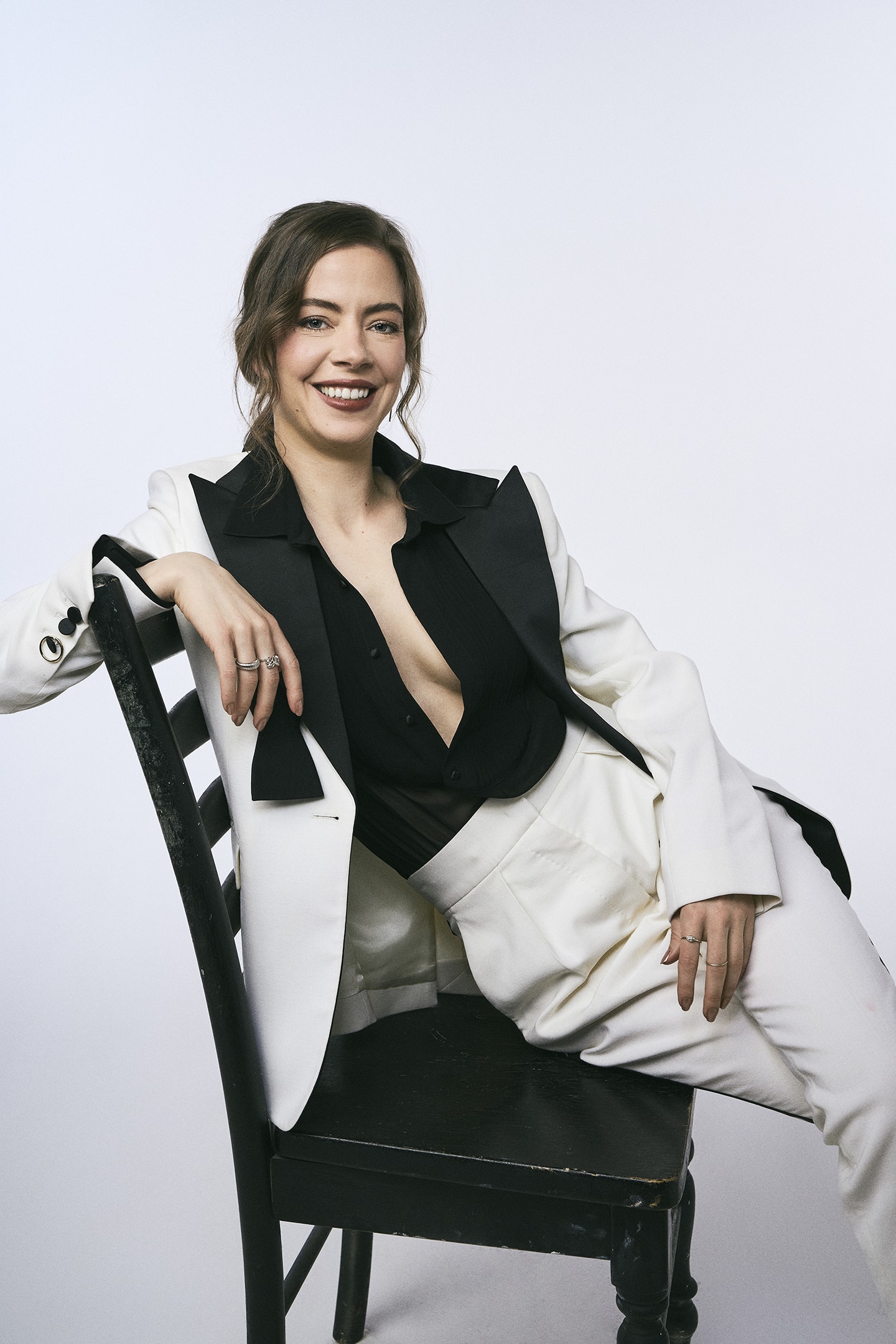
Beyond Action
What makes Elena Sanchez such a compelling presence isn’t simply her ability to perform physically demanding action or seamlessly move between independent films and major franchises. It’s her understanding that performance, at its core, is about humanity.
Whether she’s portraying a determined detective in Neglected, performing award-winning stunt work, or walking the red carpet at Cannes, Sanchez approaches every aspect of her career with the same philosophy: vulnerability and discipline are not opposites—they’re partners.
After more than 100 productions and a career spanning continents, genres, and disciplines, Elena Sanchez continues to prove that the most powerful kind of strength isn’t physical at all. It’s the willingness to keep growing, keep learning, and keep stepping into the unknown.