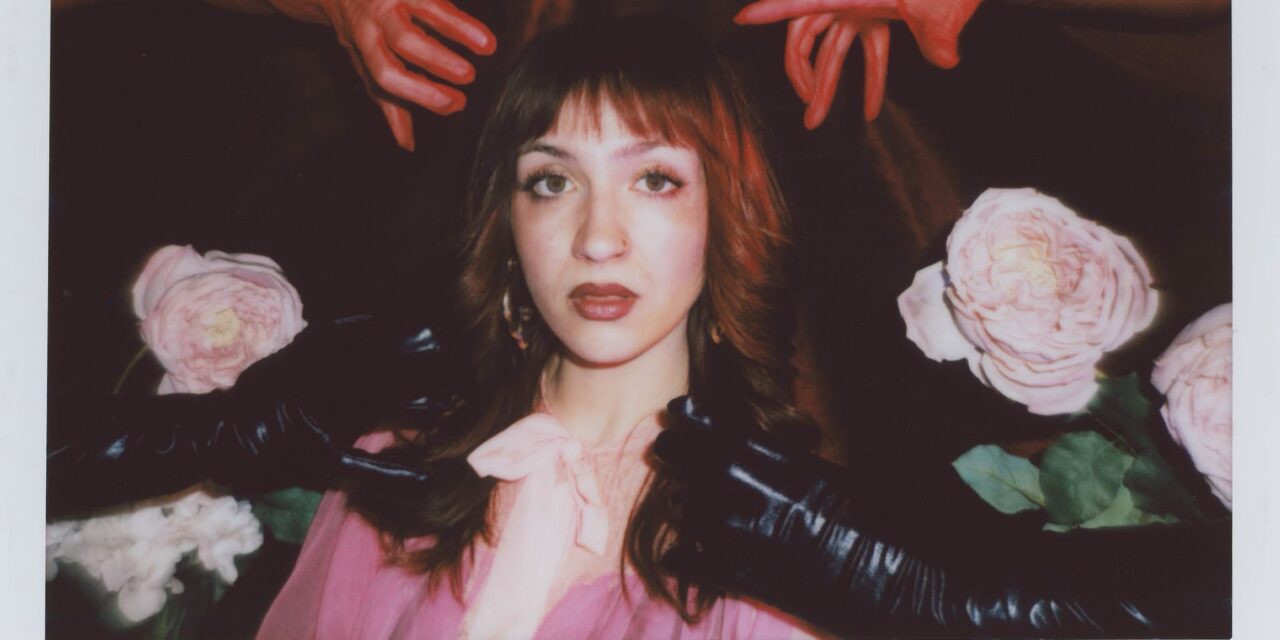
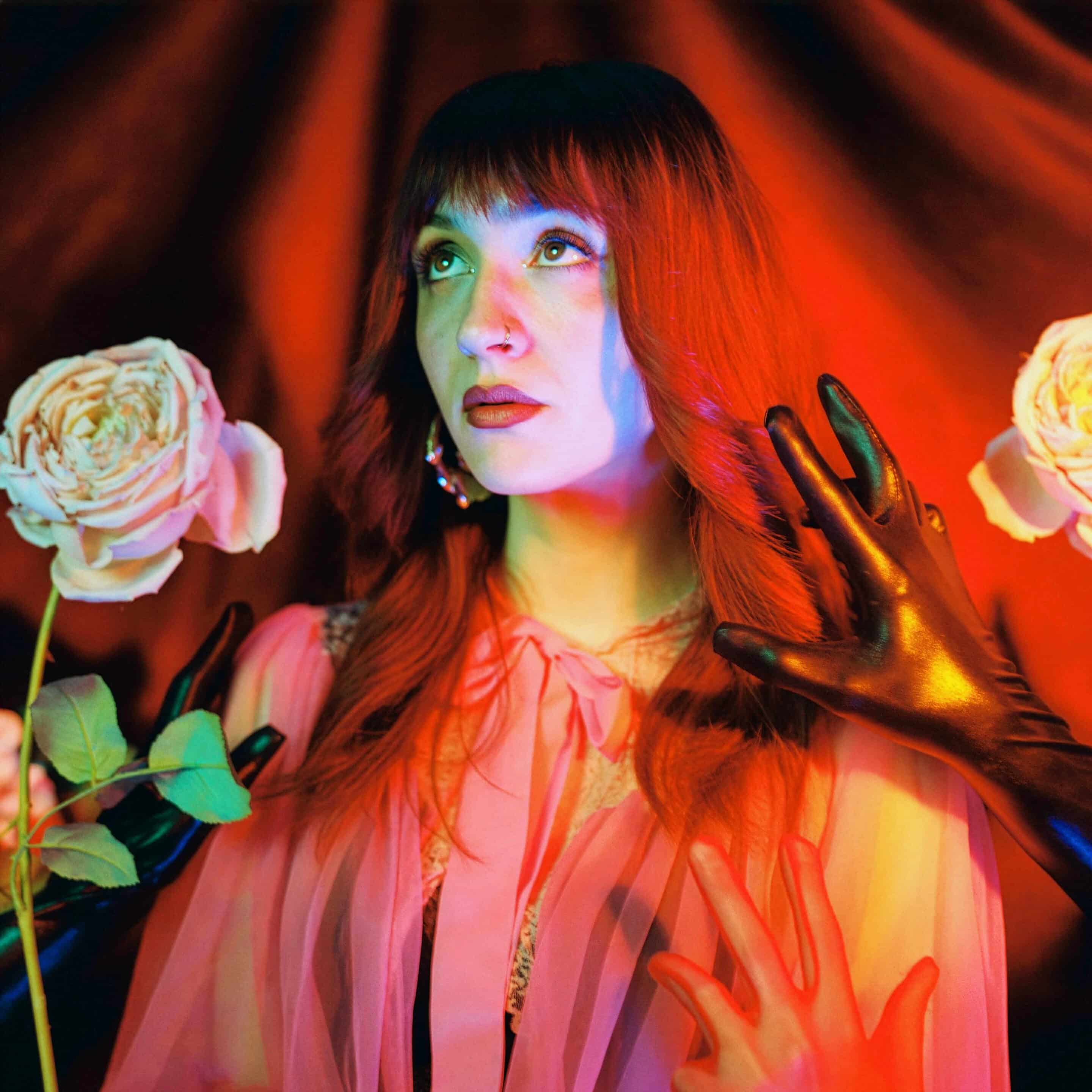
On “Move Inside,” Molly transforms the aftermath of sexual assault into a deeply personal meditation on memory, agency and the complicated process of surviving.
Some songs begin with an idea. Others begin with something a person has been trying to say for years.
For Molly And The Dolly Shop, “Move Inside” belongs firmly to the latter category. Written about Molly’s experience of sexual assault by someone she considered a friend, the song emerged only after years of attempting—and failing—to find language that felt truthful enough.
The breakthrough came when she discovered pages she had written at 17.
“The words really resonated with me,” she recalls. “I guess because I was able to take the exact emotions I felt at the time and combine them with how I felt about it now, it kind of connected all the dots for me.”
That meeting between two versions of herself—the teenager experiencing something she didn’t yet fully understand and the adult looking back with the vocabulary to name it—gave “Move Inside” its emotional architecture.
“I was really able to talk about the journey of processing trauma.”
For an artist who describes her songwriting as something close to diary writing, vulnerability has never been particularly calculated. Molly admits she is an “over-sharer,” often writing without considering the audience that will eventually hear what she puts on the page.
But “Move Inside” carries a different weight. It is not simply about revealing something intimate. It is about giving agency back to the person who once felt unable to speak.
“I really wanted to give my 17-year-old self a voice,” Molly says.
At the time, she was afraid to report what had happened because she believed she wouldn’t be believed. She says it took time even to fully understand the experience herself. Years later, what interested her wasn’t a simplified story of trauma followed by recovery, but the reality that its effects can persist long after the person responsible has seemingly moved on.
“I wanted to write a song for all the survivors of SA, whose assaulters are now moving on with their lives, while they’re still feeling the effects to this day.”
{“source_type”:”vicut”,”data”:{“pictureId”:”1E1FA946-51F3-4CB1-8904-2CD03B377D80″,”source_platform”:”mobile_1″,”region”:”GB”,”source_type”:”vicut”,”product”:”vicut”,”os”:”ios”,”appVersion”:”16.7.0″,”enterFrom”:”new_image”,”editType”:”image_edit”,”capability_name”:”capcut_photo_editor”,”client_key”:”aw889s25wozf8s7e”},”tiktok_developers_3p_anchor_params”:”{“pictureId”:”1E1FA946-51F3-4CB1-8904-2CD03B377D80″,”source_platform”:”mobile_1″,”editType”:”image_edit”,”appVersion”:”16.7.0″,”capability_name”:”capcut_photo_editor”,”enterFrom”:”new_image”,”product”:”vicut”,”os”:”ios”,”client_key”:”aw889s25wozf8s7e”,”region”:”GB”,”source_type”:”vicut”}”}
Catharsis without pretending there is closure
There is an uncomfortable cultural tendency to treat art made from trauma as though creation itself should resolve the experience: make the song, tell the story, achieve catharsis, move forward.
That isn’t quite what happened.
“When I wrote the song itself, it honestly just made me feel sad and sorry for my younger self,” Molly says.
The transformation instead happened onstage.
“When I started performing the song, I actually did feel that sense of catharsis. I feel strong when I sing it and when I see other people crying and in that moment with me. It’s like I’m full of the strength of every survivor in that room.”
That communal dimension has become crucial to “Move Inside.” A private experience becomes a shared moment without pretending everyone’s story is identical. Molly says the song has repeatedly brought live audiences into an intense silence, while its reception online has been similarly emotional.
It also arrives as part of a broader reinvention.
After beginning to release music as Molly Burman when she was only 16 or 17, Molly And The Dolly Shop represents an opportunity to leave behind an artistic identity she felt remained tethered to adolescence.
“I’m a grown up now,” she says. “My image just felt tied to my teenage self. I wanted to break away from that and start something that felt mature and fully realised.”
That maturation is audible too. Molly is taking greater risks with her voice, belting and reaching for notes she previously would never have attempted.
The project, then, isn’t simply a new name. It is permission to take up more space.
Building the opposite of competition
Taking up space doesn’t have to mean taking it away from somebody else.
As part of the Loud LDN collective alongside artists including Piri, venbee and SOFY, Molly has experienced firsthand how radically different the music industry can feel when community replaces manufactured competition.
“We’re constantly pitted against each other, especially as women,” she says. “You see one woman doing well and you start panicking, thinking they’re taking your place in the industry.”
Loud LDN helped interrupt that thinking.
“We were able to lift each other up rather than compete against each other.”
That ethos extends throughout Molly’s creative life. Feminism, LGBTQ+ rights, mental health and inclusivity aren’t separate branding exercises attached to her music; they emerge naturally from the people she surrounds herself with and collaborates alongside.
The result is the world she now wants Molly And The Dolly Shop to inhabit: “slightly dramatic, whimsical” and, most importantly, safe.
A place where listeners can hear something they thought existed only inside their own heads.
With early support from DORK, DIY, CLASH and The Line of Best Fit, the new project may represent a fresh chapter, but “Move Inside” makes clear that moving forward doesn’t require erasing what came before. Sometimes it means finding a different relationship with it.
Below, Molly speaks with MUNDANE about reclaiming her story, the strange experience of releasing something so intimate, finding community through Loud LDN and creating a world where listeners are allowed to feel everything without shame.
MUNDANE: “Move Inside” comes from an experience that took years to process before you felt able to put it into a song. What made you realize you were finally ready to write about it, and what did songwriting allow you to articulate that you hadn’t been able to before?
Molly: I don’t think it’s something that I really realised to be honest. I’d tried to write a song about my SA multiple times and they just didn’t really connect for me. The moment I was able to write “Move Inside” was when I found some pages I’d written when I was 17, and the words really resonated with me. I guess because I was able to take the exact emotions I felt at the time and combine them with how I felt about it now, it kind of connected all the dots for me. I was really able to talk about the journey of processing trauma.
MUNDANE: You’ve described your songs almost like diary entries. When you’re writing about something as intimate and difficult as this, how do you decide what belongs in the song and what needs to remain yours alone?
Molly: I’ve always been such an over-sharer, so I don’t even know if it’s something I even think about to be honest! When I’m writing, I’m not really thinking about who’s going to listen to it, so I just put my most intimate emotions into them, and then once they’re released, I’m kind of like, “It’s out there now, oh well.”
MUNDANE: Sexual assault is so often discussed through shame, silence or sensationalism—especially when the person responsible was someone the survivor trusted. What was important to you about telling this story on your own terms?
Molly: I really wanted to give my 17-year-old self a voice. She was too scared to report it because she didn’t think anyone would believe her. In fact, she didn’t even fully understand what had happened to her until some time later. I also thought there needed to be more discussion about how long the impact can last. I wanted to write a song for all the survivors of SA, whose assaulters are now moving on with their lives, while they’re still feeling the effects to this day.
MUNDANE: There can be an expectation that turning trauma into art should provide some kind of neat catharsis or closure. Did making “Move Inside” actually feel healing, or is your relationship with the song more complicated than that?
Molly: When I wrote the song itself, it honestly just made me feel sad and sorry for my younger self. But when I started performing the song, I actually did feel that sense of catharsis. I feel strong when I sing it and when I see other people crying and in that moment with me. It’s like I’m full of the strength of every survivor in that room.
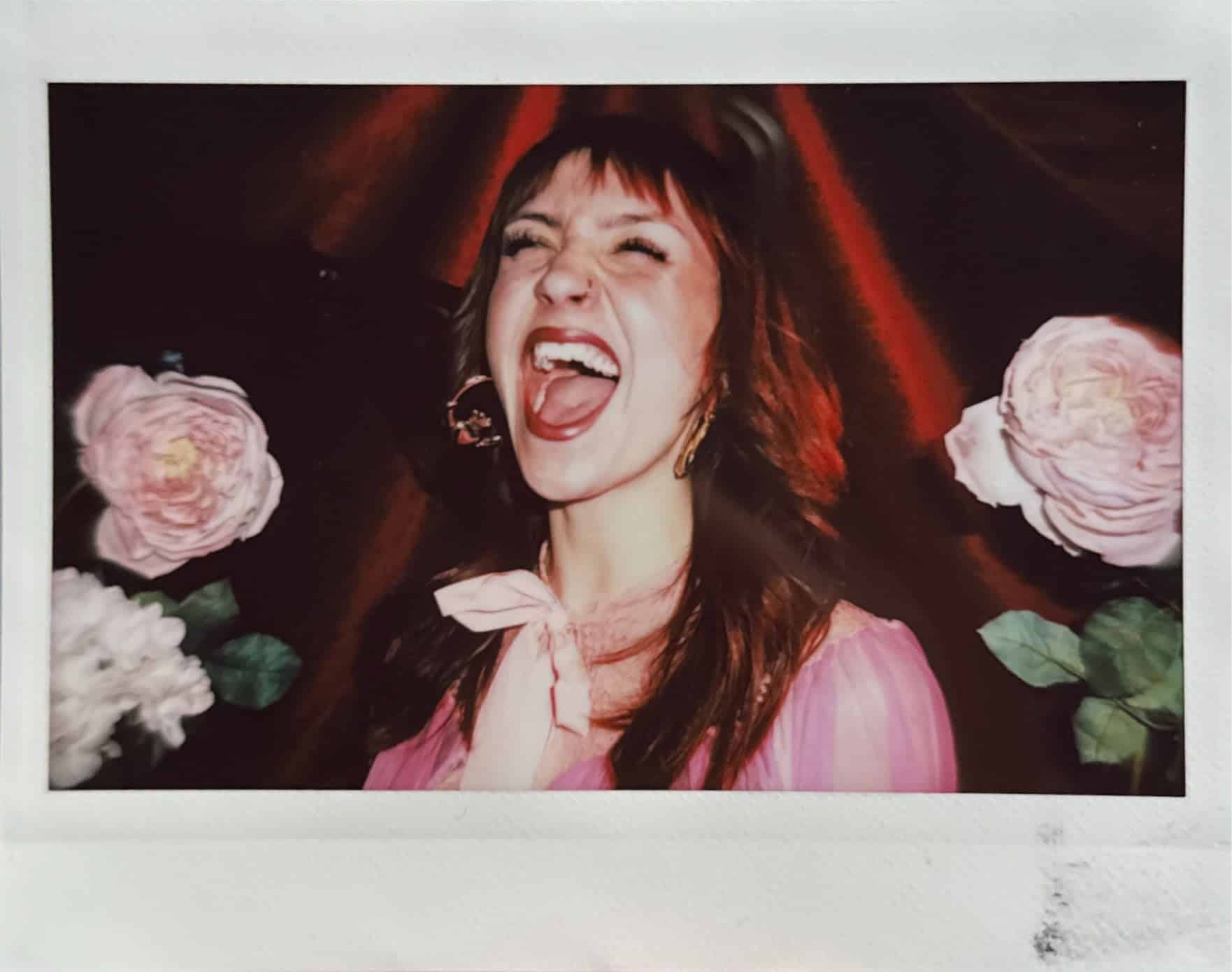
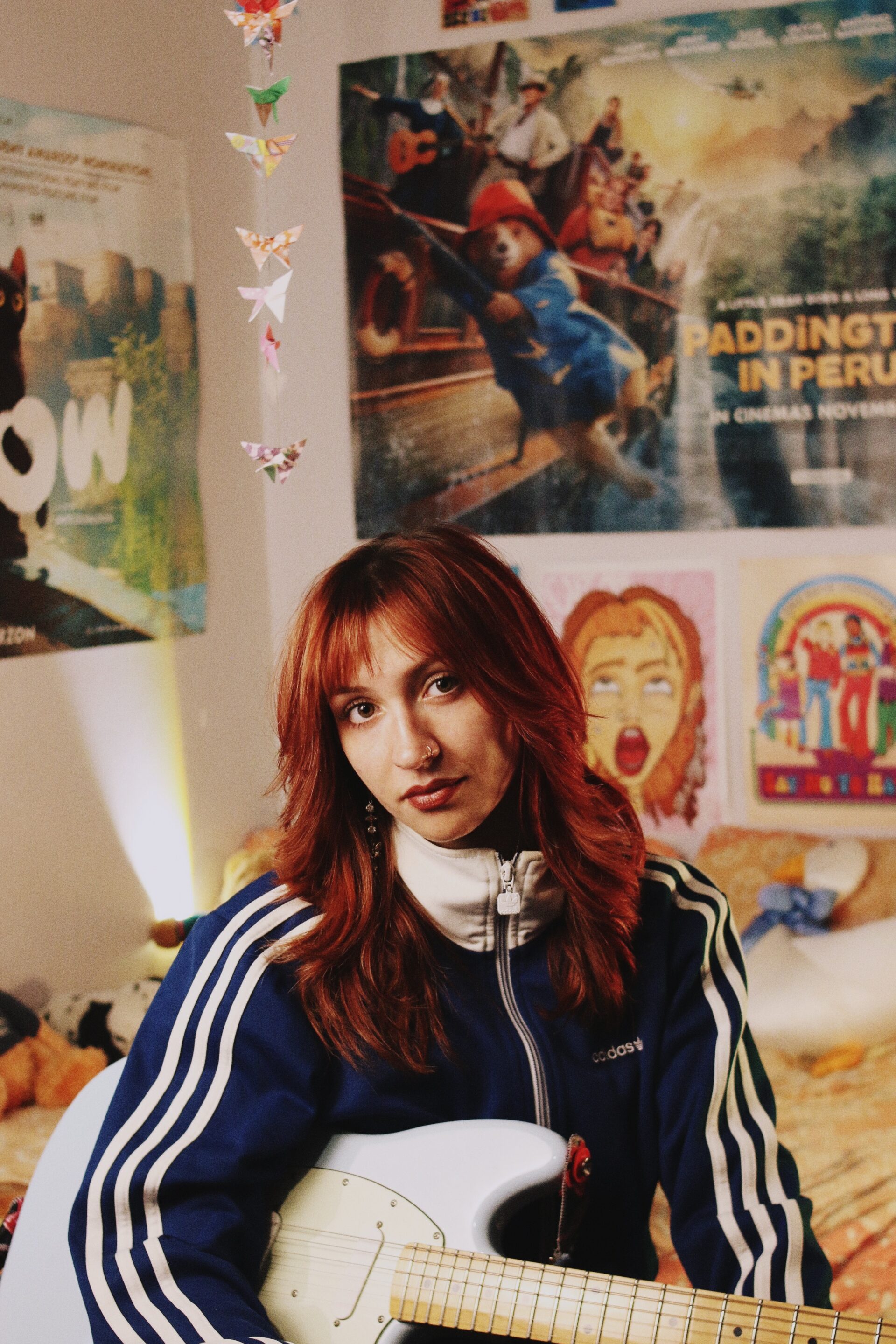
MUNDANE: Molly And The Dolly Shop marks a new chapter for you creatively. What did you want this project to give you permission to explore—sonically, visually or emotionally—that perhaps you hadn’t allowed yourself to explore before?
Molly: I’m definitely doing a lot more with my vocals. Before, I wouldn’t dream of attempting to belt, but now I’m pushing myself to hit notes I haven’t hit before and to sing them with a lot more confidence. I’m also a grown up now. I started releasing as Molly Burman when I was 16/17, so my image just felt tied to my teenage self. I wanted to break away from that and start something that felt mature and fully realised.
MUNDANE: You’re part of the Loud LDN community alongside artists like Piri, venbee and SOFY. How important has finding a community of artists been in an industry that can often feel isolating, particularly for women and LGBTQ+ creatives?
Molly: I’d say it’s one of the most important things. We’re constantly pitted against each other, especially as women. You see one woman doing well and you start panicking, thinking they’re taking your place in the industry and then you’re just filled with jealousy. Loud LDN was the first group I was in that kind of broke that pattern. We were able to lift each other up rather than compete against each other.
MUNDANE: Feminism, LGBTQ+ rights, mental health and inclusivity are clearly important to you beyond simply being talking points around your music. How do you incorporate those values into the actual way you build your creative world and the spaces around it?
Molly: Honestly, I think it’s just because all of the people in my life are either part of those communities or advocates for them. They’re people with the same views and morals as me. I’m also lucky that the people I work with creatively are my friends, so we all align.
MUNDANE: There’s something powerful about taking an experience in which your sense of agency was violated and transforming it into a piece of work over which you have complete creative control. Did reclaiming authorship over the story become part of what “Move Inside” means to you?
Molly: It’s funny you ask because when I was 17, I was still in college with the person who assaulted me, and so I wrote a letter to him about how it was affecting me. By handing him the letter, I was metaphorically handing over the responsibility to him—or so my therapist at the time told me. I didn’t really feel like it worked. So I guess in a way, me writing “Move Inside” and releasing it into the world is another, more successful way of handing over that responsibility.
MUNDANE: When intensely personal songs are released, they stop belonging exclusively to the person who wrote them and listeners begin attaching their own experiences to them. Does that prospect feel comforting, frightening, empowering—or some combination of all three?
Molly: I think it just feels very weird. Like even having people compliment me on the song, or being asked questions about it feels strange—but in a good way. I’ve gigged it enough times now that I’ve started to become slightly detached from the emotions of the song, kind of like exposure therapy! But I guess when people talk about “Move Inside” I kinda forget that we’re actually talking about my trauma, and when I remember that I’m like, “This is bizarre.”
MUNDANE: As Molly And The Dolly Shop begins to take shape, what kind of world are you trying to create around the project—and what do you hope someone who might recognize their own experience in “Move Inside” feels when they enter it?
Molly: I’d like to think I’m creating a slightly dramatic, whimsical, safe space. A world where people feel like I’m singing words that have been plucked straight from their own brains. While I hate that so many people can relate to “Move Inside,” I hope that it helps people process how they feel, to not feel shame in however long that may take, and honestly just cry and let it out and not feel alone in doing that.
“Move Inside” doesn’t offer the kind of clean resolution we often demand from stories about survival. Molly doesn’t pretend that writing a song can undo what happened, nor does she package recovery into something linear.
Instead, the power lies in authorship.
At 17, Molly wrote a letter in an attempt to hand responsibility back to the person who had hurt her. Years later, “Move Inside” performs that gesture again—but this time the story remains unmistakably hers.
And when she performs it, something private becomes collective. The room goes quiet. People cry. Molly feels stronger.
For Molly And The Dolly Shop, that may be the most meaningful beginning possible: a creative world built not around forgetting difficult experiences, but around making sure nobody has to sit with them entirely alone.