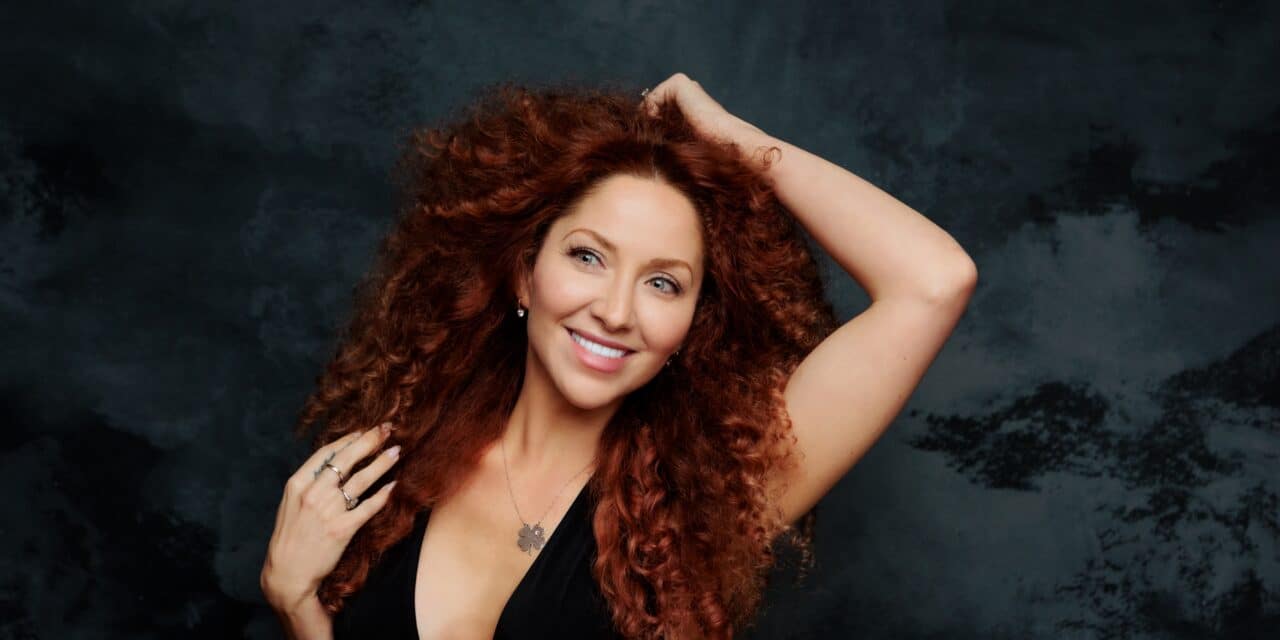
How the actress, educator, and nonprofit founder is using creativity as a tool for confidence, healing, and human flourishing
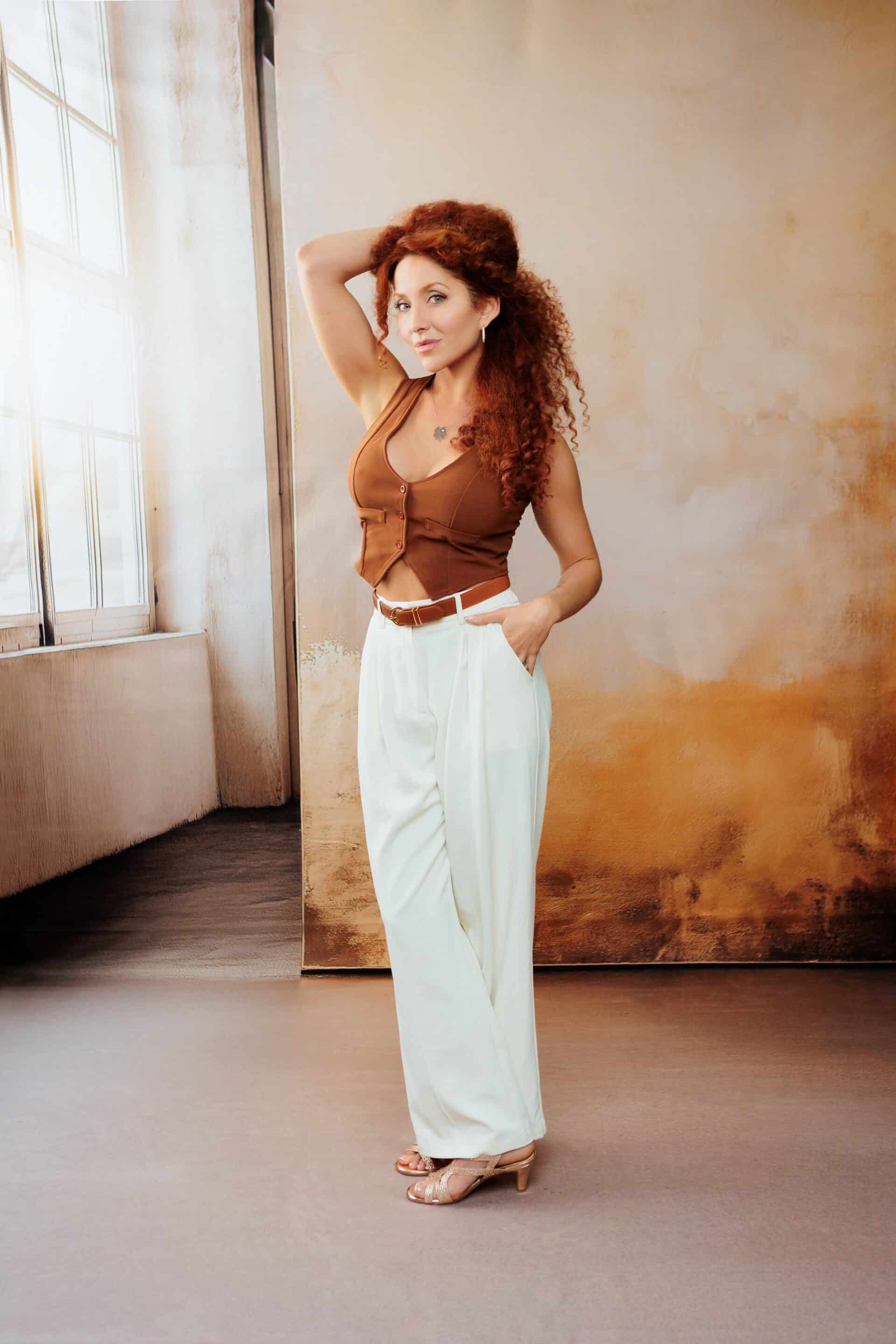
In a culture increasingly focused on mental health and emotional well-being, Ashlieya Mariano—known to many as Lieya—is championing a message that feels both timeless and urgently relevant: creativity is not a luxury. It’s a necessity.
As the owner of Dance Masters Performing Arts Studio and founder of Builders Of A Better World, Lieya has spent years working at the intersection of performing arts, education, and personal development. Her mission extends far beyond dance technique or stage performance. Instead, she views creative expression as a pathway toward emotional literacy, confidence, resilience, and self-discovery.
For Lieya, the arts are not simply extracurricular activities. They are foundational tools for becoming fully human.
“I realized it long before I had the language to explain it,” she says when reflecting on the moment she first understood the transformative power of creativity. “I would watch a child or adult walk into a studio carrying anxiety, self-doubt, grief, or social challenges that no one else could see. Then, over time, something remarkable would happen. Through movement, music, storytelling, and belonging to a community, they would begin to stand taller.”
What fascinated her most was that the transformation rarely came from the final performance.
“The recital was simply the visible outcome,” she explains. “The real work happened internally.”
That philosophy has become the cornerstone of everything she creates.
The Arts as Emotional Infrastructure
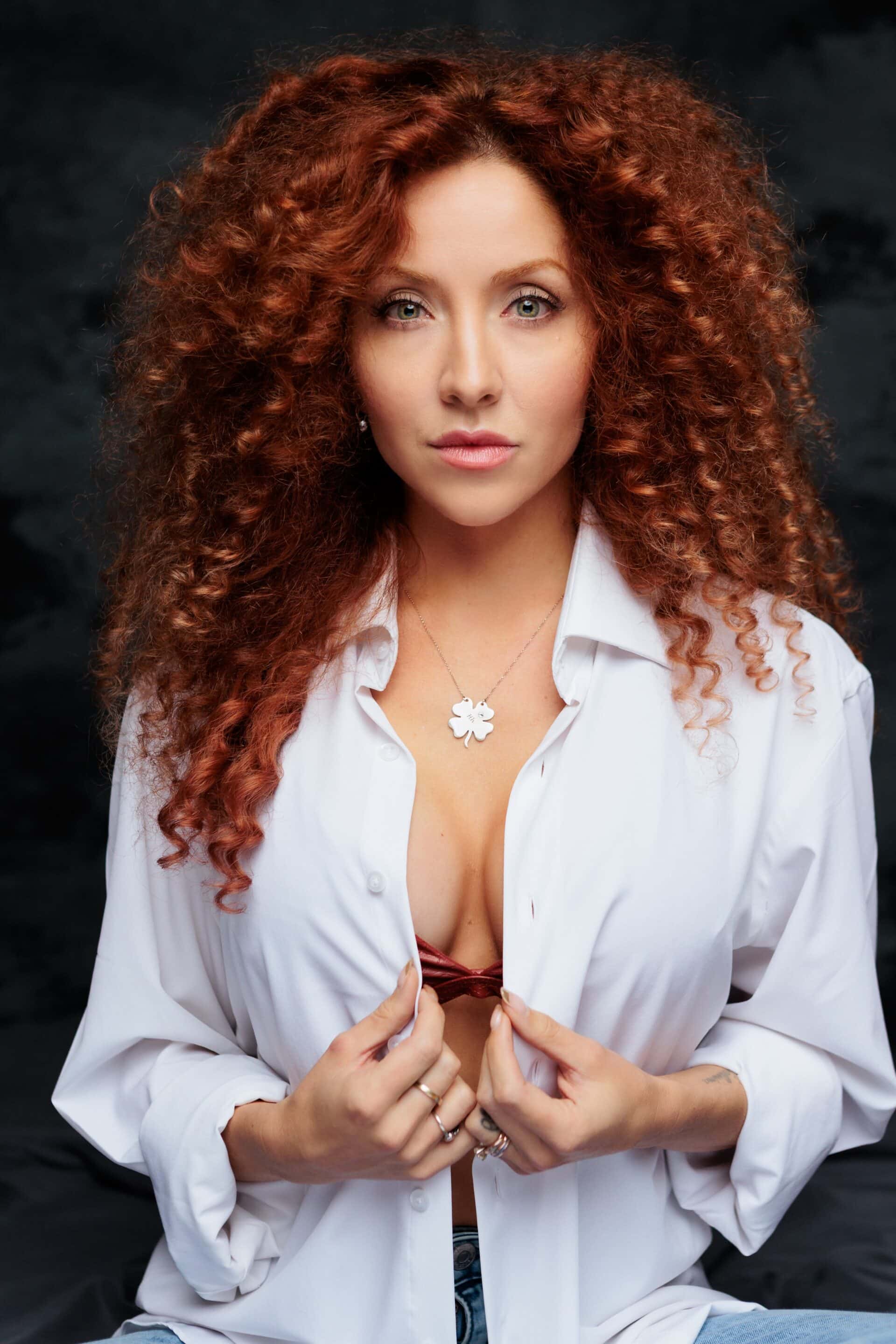
At Dance Masters Performing Arts Studio, Lieya has spent years mentoring students of all ages, helping them develop not only artistic skills but also emotional resilience.
“The moments that stay with me are rarely the trophies, titles, or standing ovations,” she says.
Instead, she remembers the students who overcame severe anxiety, found confidence after being bullied, or discovered healthy ways to process difficult emotions.
One story in particular remains close to her heart.
“There was a woman in her sixties who described herself as purely intellectual and claimed she didn’t have a single performable bone in her body,” Lieya recalls. “She started dancing simply as a fun alternative to exercise. Today she’s performing confidently in showcases, receiving praise from fellow students, and looking forward to her next routine.”
Experiences like these reinforced a belief that continues to guide her work.
“Education is not simply about skill acquisition,” she says. “It is about human development.”
Why Creativity Matters More Than Ever
As conversations around mental health continue to expand, Lieya believes society still underestimates the role creativity can play in emotional healing.
“Absolutely,” she says without hesitation.
While she welcomes the growing openness around mental health, she believes many systems remain focused on intervention rather than prevention.
“We often focus on helping people after a problem emerges rather than creating the conditions that help them thrive in the first place.”
For Lieya, creativity has always been one of humanity’s oldest healing technologies.
“Long before psychology existed as a formal discipline, human beings used storytelling, movement, rhythm, music, art, and ritual to process experience and create meaning.”
She points to a growing body of research supporting what artists have intuitively understood for centuries.
“The science increasingly supports it: creativity is not merely entertainment. It is a fundamental component of human well-being.”
Building a Better World
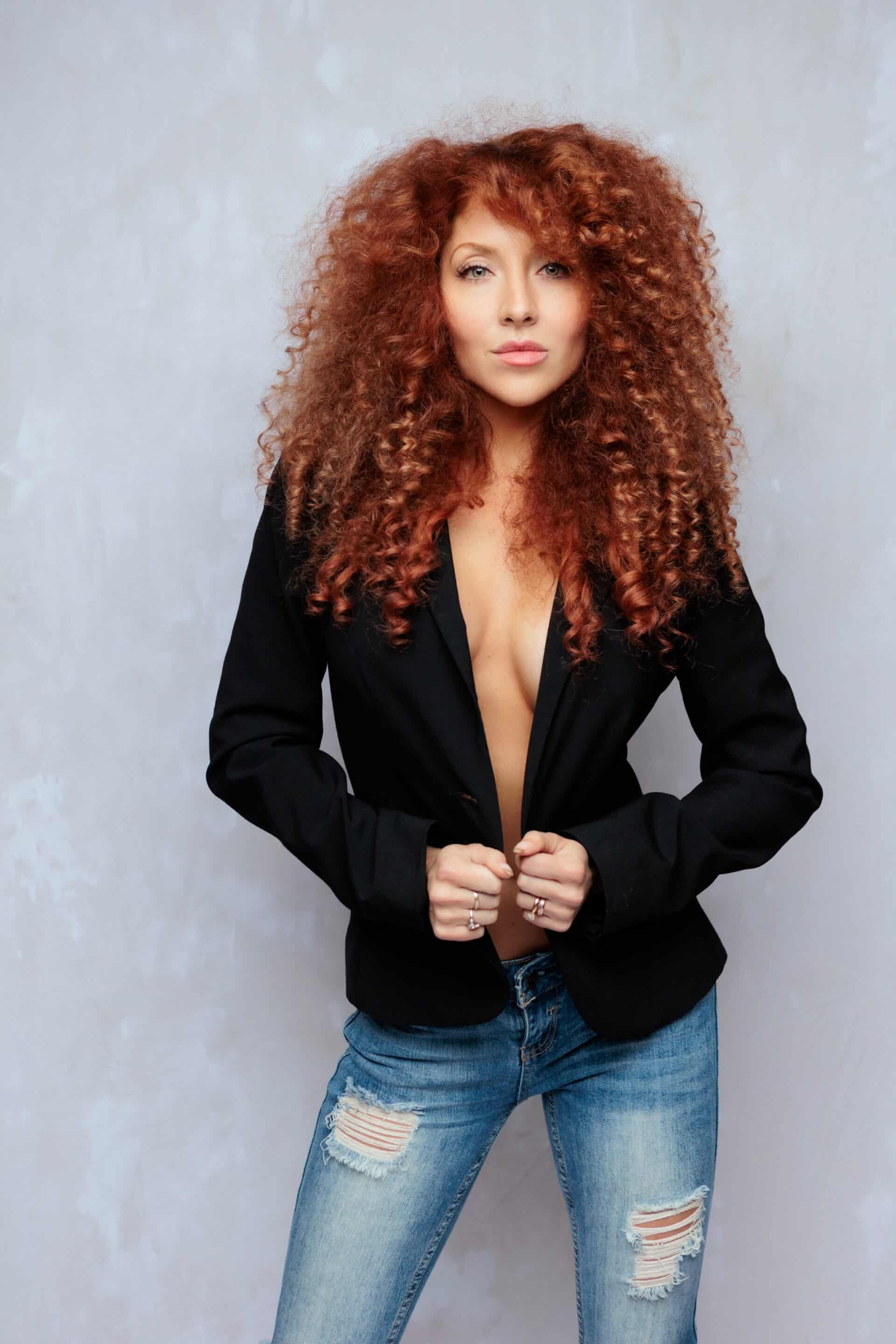
Those observations eventually inspired Lieya to expand her mission beyond the studio.
Through her nonprofit, Builders Of A Better World, she works to make social-emotional learning and creative education more accessible to children and families in underserved communities.
“After years of working directly with students and families, I began seeing larger systemic challenges,” she explains.
She encountered talented young people with limited access to creative opportunities and families navigating economic hardship, isolation, and adversity.
“At some point, I realized that if I truly believed creativity was transformative, then access to it couldn’t depend on geography, income, or circumstance.”
That realization became the foundation of her nonprofit’s mission.
“Creative education, emotional intelligence, mentorship, and community support shouldn’t be privileges available to a select few. They should be accessible to everyone.”
Discipline and Freedom
One of the most fascinating aspects of Lieya’s philosophy is her refusal to see discipline and creativity as opposing forces.
Many people assume structure limits self-expression. She believes the opposite.
“I don’t see them as opposites at all,” she says. “I believe structure creates the conditions for freedom.”
She often describes self-discipline as self-devotion.
“A musician learns scales before improvisation. A dancer learns technique before artistic interpretation. Discipline provides the container. Self-expression fills the container with meaning.”
The goal, she explains, isn’t perfection.
“The goal is integration—developing both competence and confidence.”
Reconnecting With Creativity as Adults
While children naturally embrace imagination, many adults gradually lose touch with their creative instincts.
Lieya sees this as one of the most overlooked challenges of modern life.
“Many adults mistakenly believe creativity belongs exclusively to artists, performers, or children,” she says. “In reality, creativity is a fundamental human capacity.”
She argues that creativity influences far more than artistic pursuits.
“It’s how we solve problems. It’s how we adapt. It’s how we imagine new possibilities for our lives.”
According to Lieya, many people aren’t exhausted because they’re working too hard.
“They’re exhausted because they’ve become disconnected from the parts of themselves that make them feel fully alive.”
Creative expression, she believes, helps restore that connection.
“When adults reconnect with creativity, they often reconnect with curiosity, wonder, courage, playfulness, and imagination.”
Performance, Vulnerability, and Identity
As both an actress and educator, Lieya’s relationship with performance has deeply influenced her understanding of identity.
“Performance has taught me that vulnerability is not weakness; it is courage in action.”
Through acting, she has developed greater empathy and a deeper appreciation for the complexity of human experience.
“Authenticity creates connection,” she says. “The more willing we are to be fully human—to embrace both strength and imperfection—the more permission we give others to do the same.”
That mindset extends into her teaching, speaking, writing, and leadership.
“The best education you can invest in is learning yourself. Know thyself.”
Creativity as a Human Right
Perhaps the most powerful aspect of Lieya’s message is her belief that creative education should be viewed as essential infrastructure rather than enrichment.
“The arts cultivate communication, emotional regulation, critical thinking, collaboration, confidence, problem-solving, and resilience,” she explains. “These are not peripheral skills. They are life skills.”
When access to creative opportunities is removed, she argues, much more is lost than artistic development.
“We’re removing opportunities for identity development, emotional growth, and community connection.”
It’s a perspective that forms the foundation of her forthcoming work, including her book Arts As The Way To Emotional Literacy.
“If we genuinely care about future generations,” she says, “creative education must be viewed not as enrichment but as essential infrastructure for healthy human development.”
Defining Success Through Impact
At this stage in her career, fulfillment looks very different than conventional notions of success.
“My impact is measured in lives touched rather than accolades accumulated,” she says.
Whether through her studio, nonprofit work, writing, filmmaking, podcasts, speaking engagements, or mentorship programs, her focus remains remarkably consistent.
“What matters most is whether the work creates meaningful change.”
That philosophy informs her definition of success.
“Success feels less like accomplishment and more like contribution.”
A Legacy of Human Flourishing
Looking ahead, Lieya hopes her work helps reshape how society understands creativity, emotional health, and self-worth.
“I hope people understand that building a better world is an inward-to-outward process,” she says. “Building the best version of yourself is what builds the best world.”
More than anything, she wants future generations to understand that their value is inherent.
“I hope my students leave understanding that they do not need to earn their worth through achievement, perfection, or external validation.”
Ultimately, her vision is simple but profound.
“Thriving is a skill,” she says. “And creativity is one of the ways we learn it.”
When people are given opportunities to create, express, connect, and belong, she believes something remarkable happens.
“We do far more than teach an art form,” she says. “We help people become more fully themselves.”