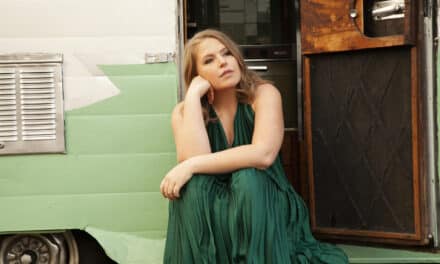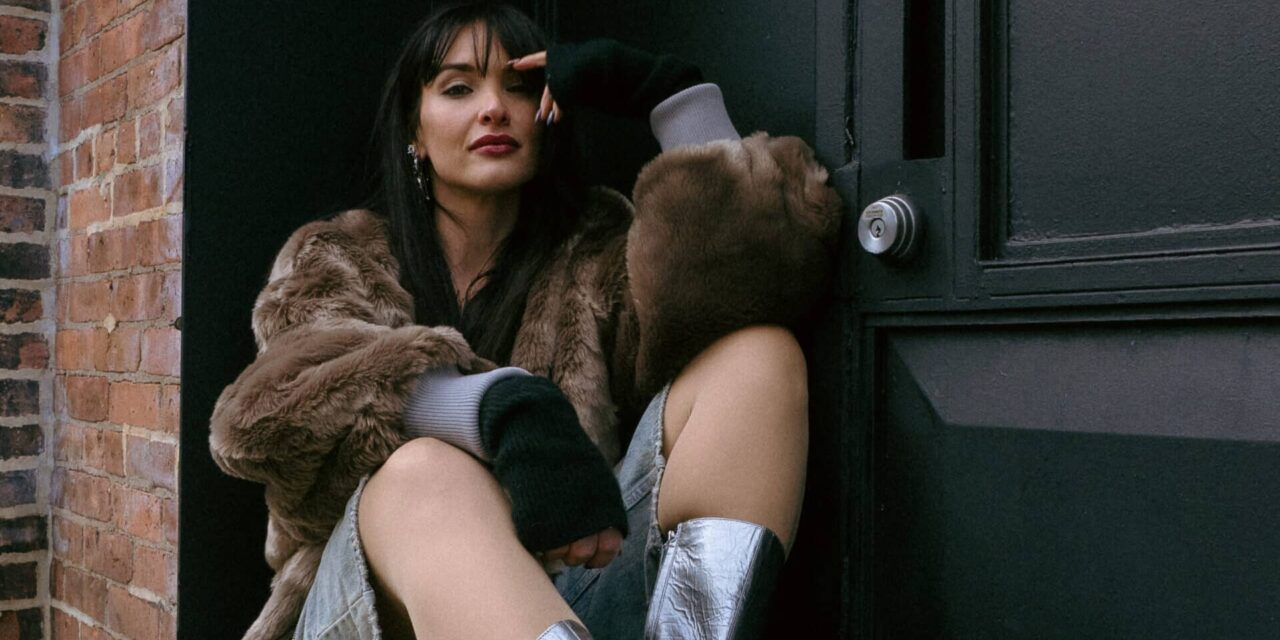
Bailey Hyneman’s “Better Days” arrives from the soft, disorienting middle ground between grief and renewal. Written during a transitional summer in Nashville, the track captures the moment when life no longer resembles the version you imagined, yet somehow still begins to open.
Built on soulful vocals, gospel warmth, bold brass, and the emotional optimism of artists like Stevie Wonder, Kirk Franklin, John Legend, and The Roots, “Better Days” is not interested in easy comfort. Instead, Hyneman lets the song sit inside life’s grey areas: the friendships that fade, the grief that refuses silver linings, and the love that remains.
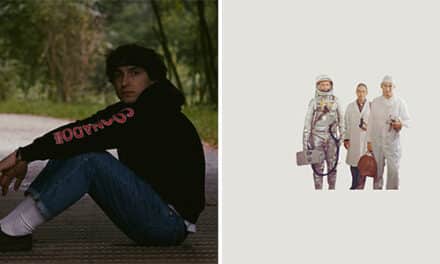
The single artwork features her father, whose musical influence helped shape her from the beginning, making the release feel both deeply personal and quietly devotional.
Below, Bailey Hyneman talks grief, Memphis soul, her father’s legacy, touring with Joss Stone, and the brighter chapter ahead.
“Better Days” lives in that complicated space between grief and renewal. What did writing this song allow you to understand that you couldn’t yet articulate in real life?
“Better Days” gave me space to hold multiple feelings at once. Grief is weird. Some days it hits you all at once out of nowhere, and then the next day, you feel levity and renewal.
In the past, I tried to comfort people with a silver lining. When my uncle and, six months later, my dad passed away, a lot of well-meaning people and friends tried to offer a silver lining. Truthfully, it made me so mad.
This song gave me space to be appreciative of the well-meaning wishes, the pain that comes from loss, and the desire to move forward and live. It gave me a place to put all the feelings that get tangled up.
There’s a striking lyric in the song: “not all bad days have silver linings / not all good friends are here to stay.” Was embracing that ambiguity a form of freedom for you?
Absolutely. It allowed me to get the confusion that comes with loss out of my body and turn it into productive energy.
Your music carries the fingerprints of Memphis soul, gospel warmth, and narrative songwriting. How consciously do you feel your upbringing in the sound you make today?
You can take the girl out of Memphis, but you can’t take the Memphis out of the girl.
I have always loved the sounds that make up Memphis soul and Memphis music. The blues influence, especially with B.B. King, the rhythms, the emotion, and the vocal improvisation have always inspired me. I love the brass, the bass, and how layered the sounds are.
Growing up in Memphis, there is a thick fog from its rich history that still hovers over the city. While carrying the fingerprints of the Memphis soul sound in my music is a conscious choice, I am also conscious that I am a guest in a space created by and for Black musicians. I feel a grave importance to treat this music with respect, reverence, and care.
The single artwork features your father, whose musical influence shaped your early life. What did it mean to bring his presence into this release so directly?
It was really special. I wanted to honor him somehow, and I think he would love it. He loved an Instagram shoutout, so I know he would be pretty excited to know that he was the cover art.
“Better Days” feels hopeful without denying pain. How do you write optimism in a way that still feels honest?
That tension is where I have learned to live. I really believe that there is good and bad, hope and pain. I am glad to know that the duality of those experiences shines through.
You’ve cited artists like Stevie Wonder, Kirk Franklin, John Legend, and The Roots as touchpoints. What threads connect those influences for you emotionally?
The way they tell stories, arrange music, and choose instrumentation and sound inspires me.
Also, my faith. Something about the music from those artists helps me reconnect to myself and to my faith. The last few years, that has been something I have needed to stay grounded.
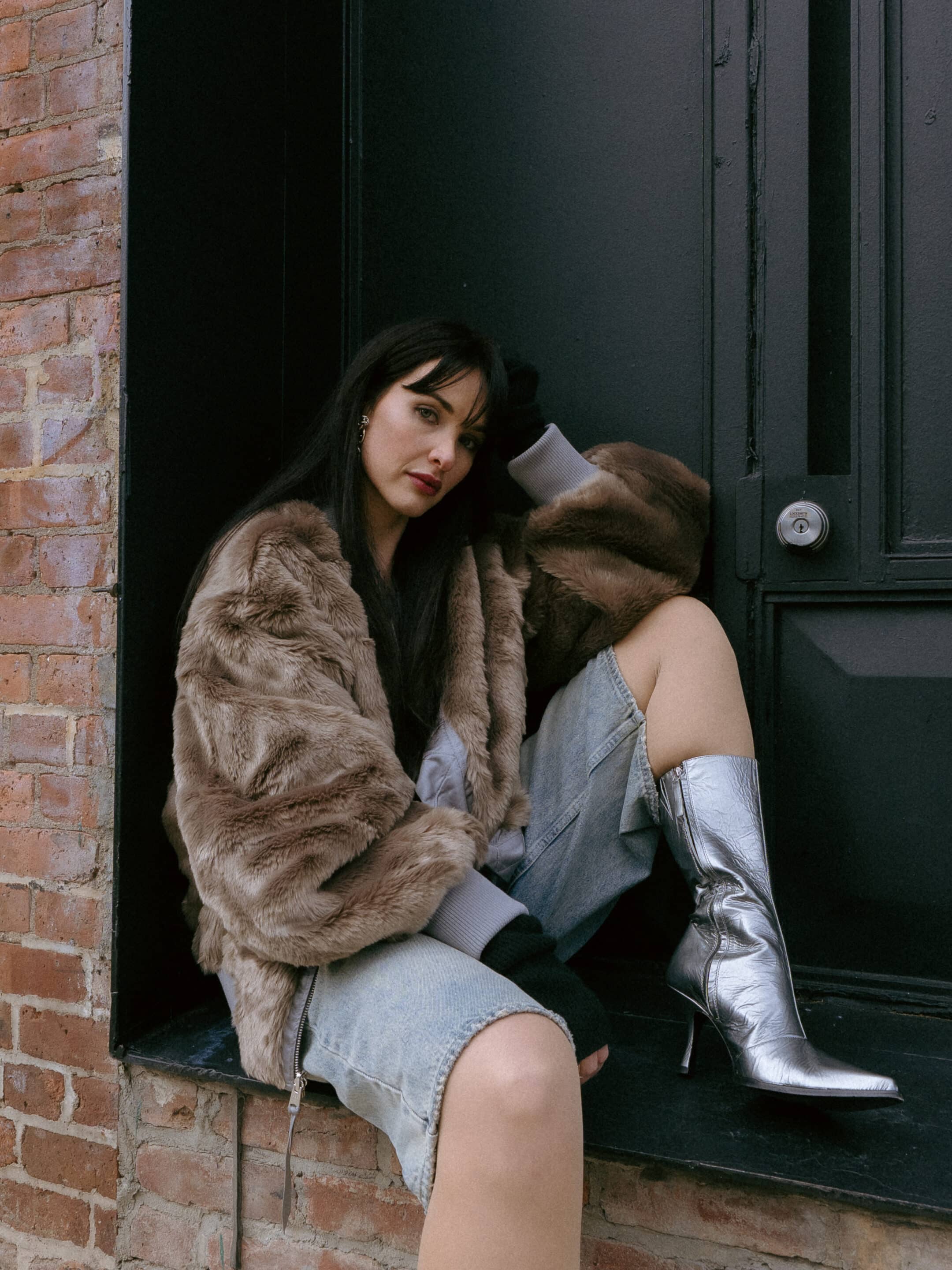
Moving from Memphis to Nashville to New York suggests constant reinvention. How have those cities each shaped your voice and identity as an artist?
Memphis is my foundation, and Nashville taught me a lot about the business and songwriting. New York is taking my foundation from Memphis and the skills I acquired in Nashville, and putting them into action with a cherry on top.
I love the freedom I feel in New York. I guess it could be constant reinvention, or it could just be the next right step.
Your sound feels timeless, but your storytelling feels intensely present. How do you balance honoring classic influences while still sounding like now?
Thank you so much. I have no idea, but I am glad that I am doing that!
Touring with Joss Stone must have offered a unique perspective on live performance. What did that experience teach you about owning a stage with sincerity?
She is music. She just is. The way it runs through her, and the way she feels it, is incredible.
Her phrasing is really intentional, but also demanded by the moment she is in, which I feel is so rare. Even with a show that has been mapped out thoughtfully, she allows for spontaneity because she is so present. It is really special.
If “Better Days” is the start of a new chapter, what kind of emotional landscape are you inviting listeners into next?
Next is going to be cheeky, sexy, focused on accountability, and also just fun. I want to have fun.
We have had years of uncertainty, pain, and hurt, and it’s time to own the night, own the moment, feel the light, feel the sun, and move.
I really want to embrace Roy Ayers, Sade, and some of the heartfelt and faithful sounds of Cleo Sol in the music I put out next. Music you can move to, drive to, dance to in your kitchen while you’re making dinner. Music you can kiss to. I’m excited.